Thinking about selling your Casa Loma home in the next 12 to 24 months? The right upgrades can lift your sale price and shorten time on market while protecting the character that draws buyers to this enclave. Casa Loma shoppers prize original details paired with discreet modern systems and fresh kitchens and baths. This guide shows you how to prioritize, what to budget, and when to schedule each step so you maximize value without losing heritage integrity. Let’s dive in.
Why Casa Loma buyers pay more
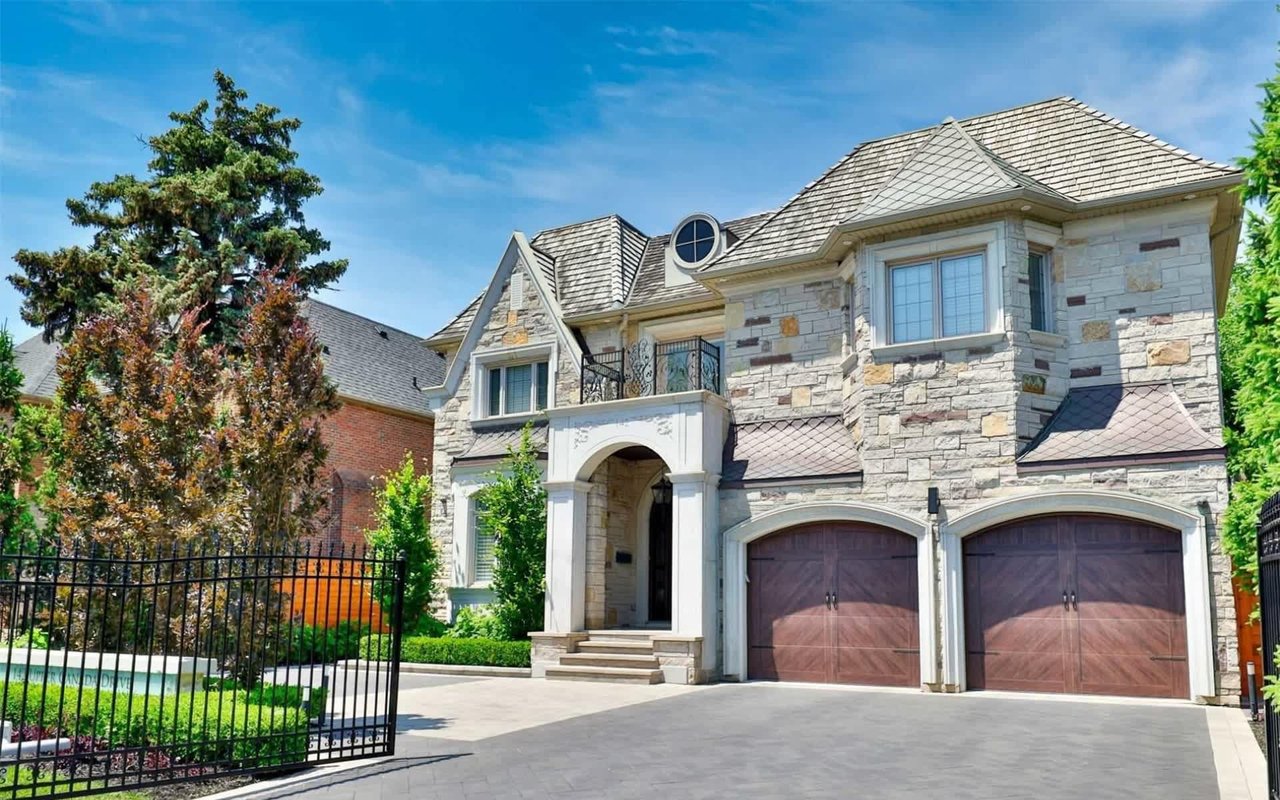
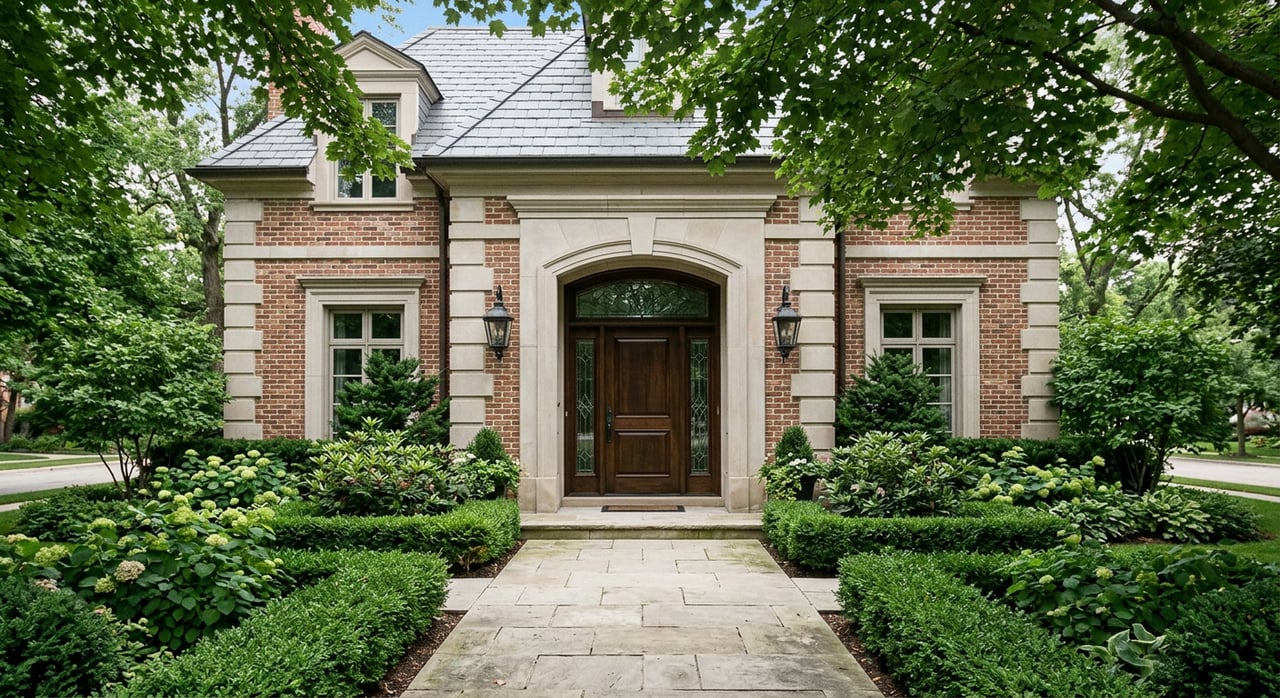
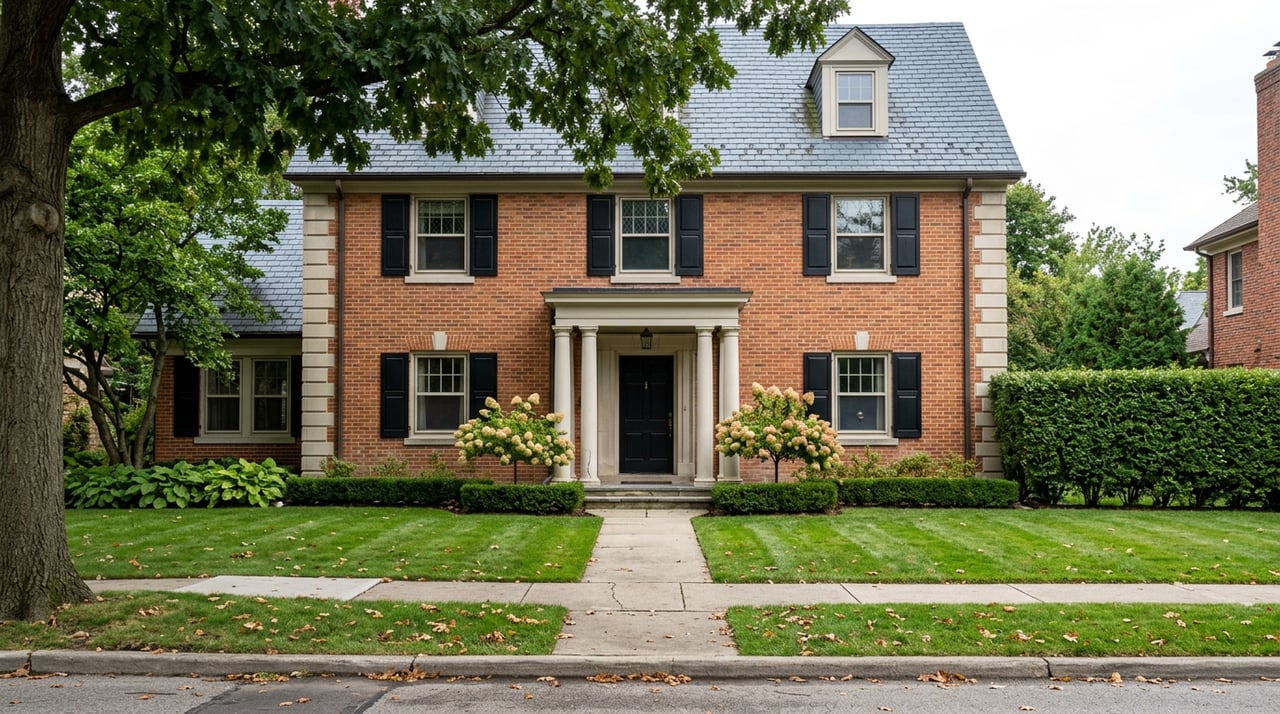
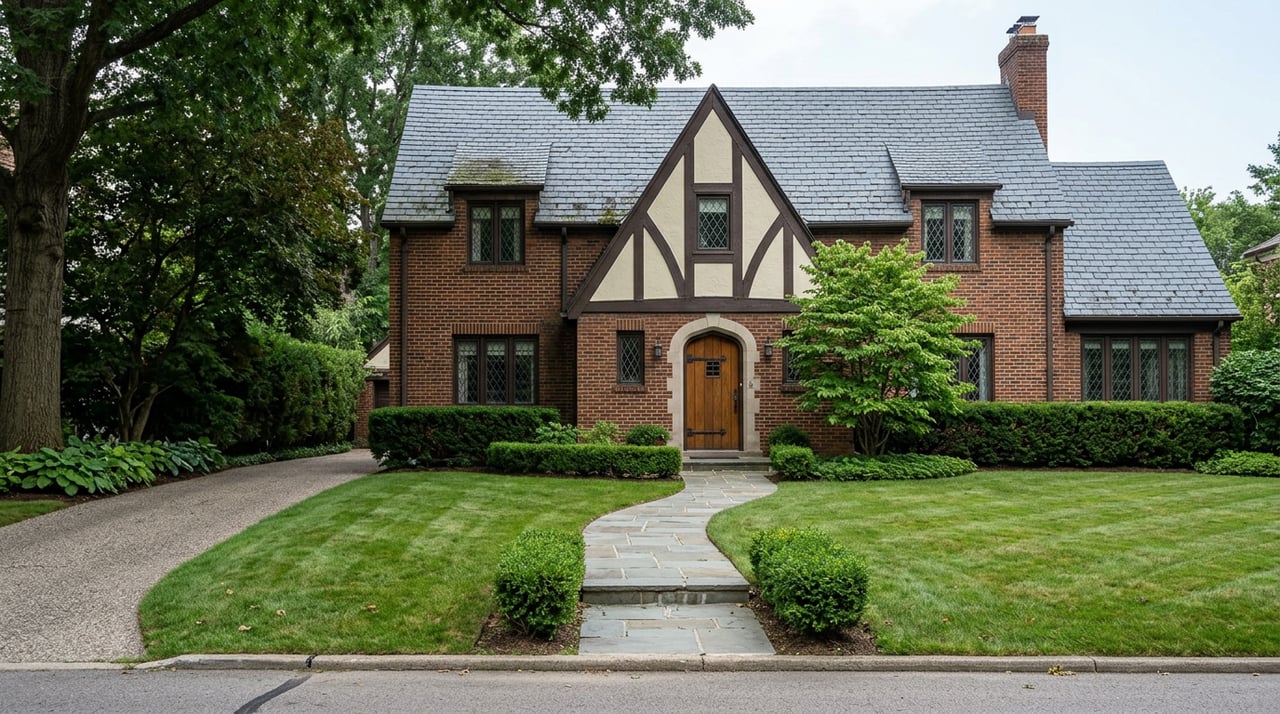
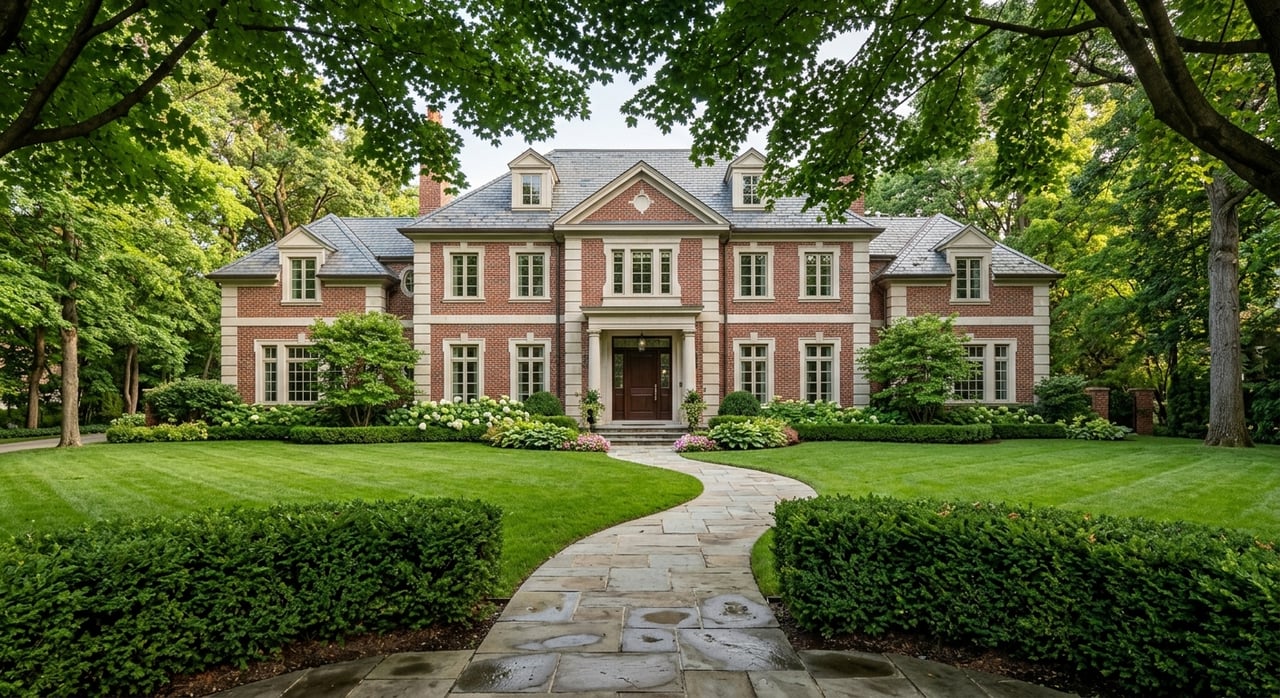
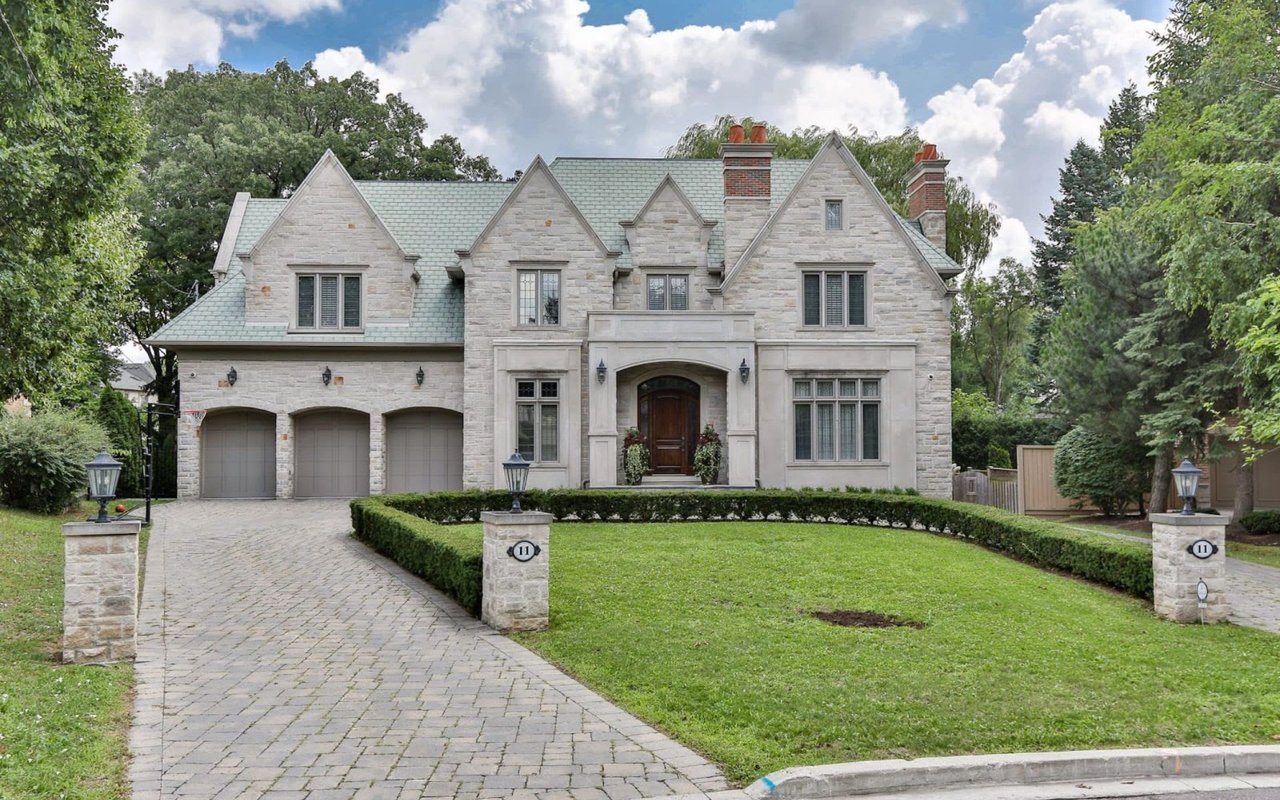
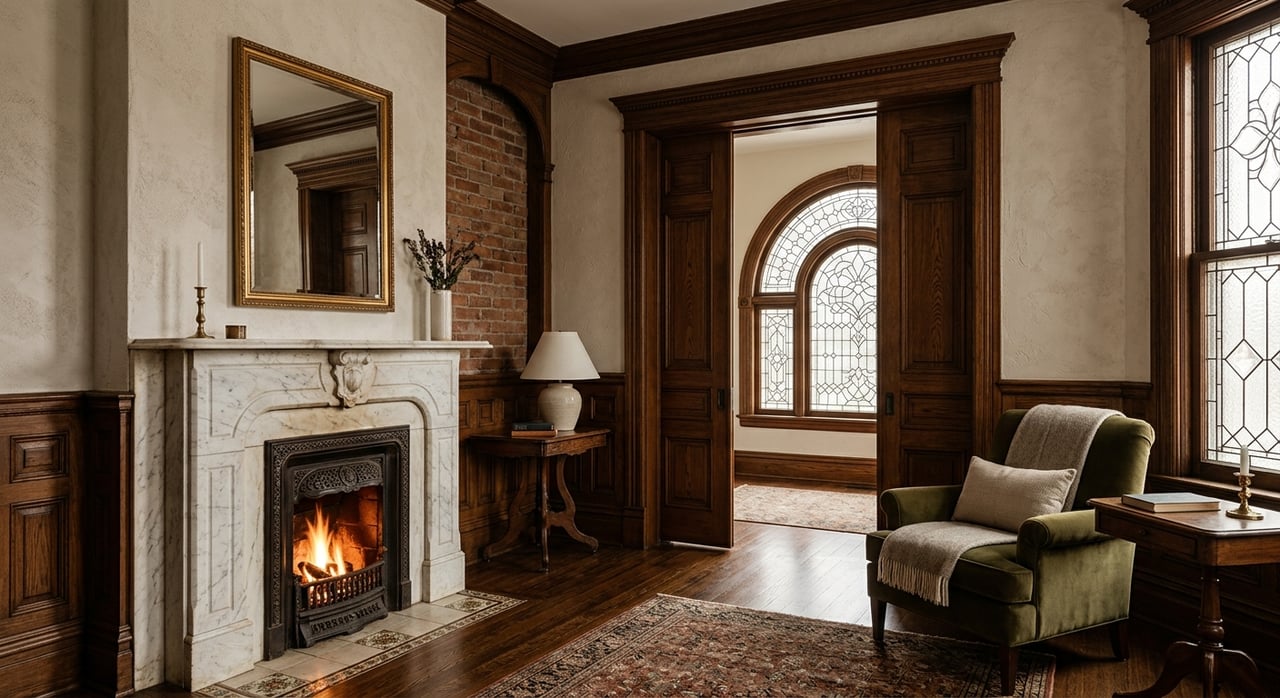
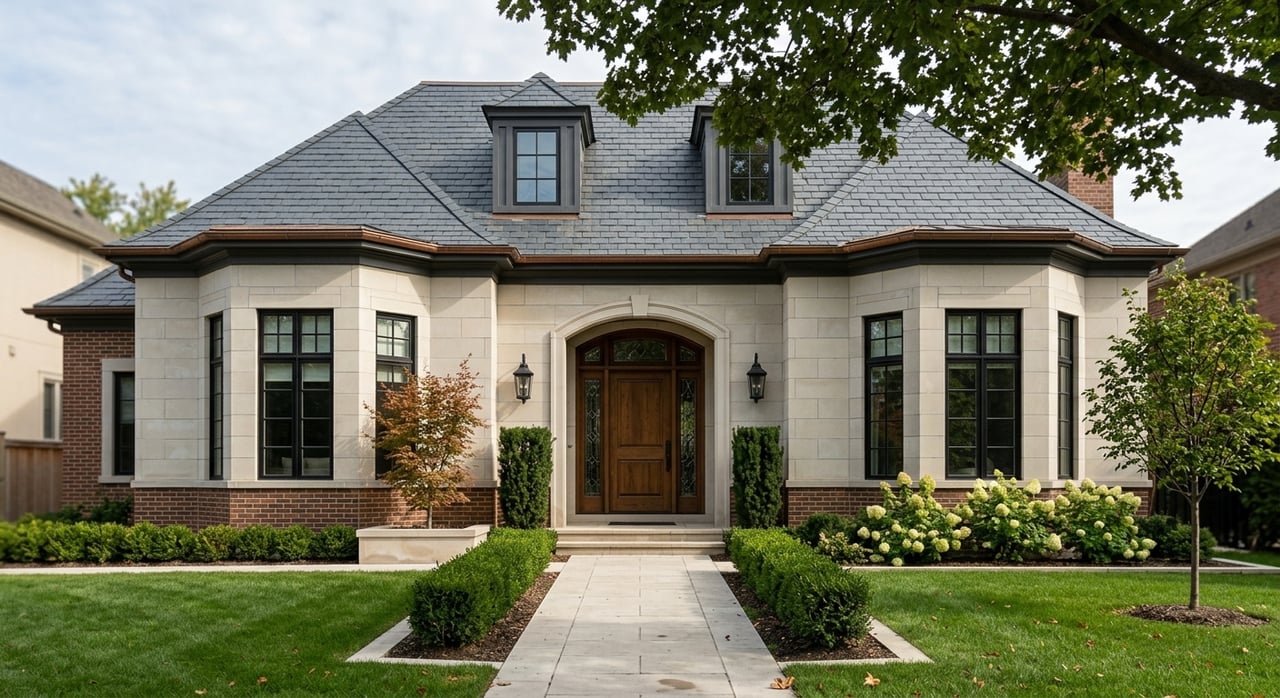
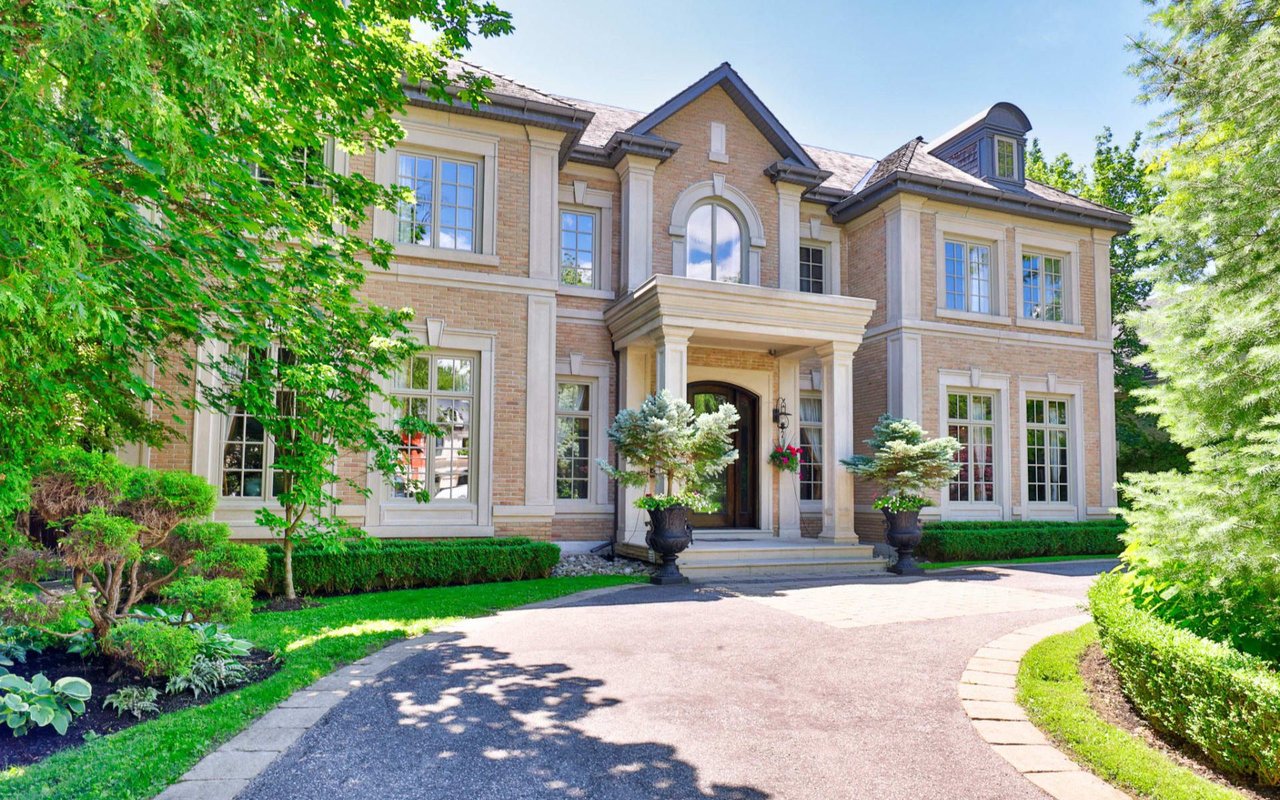
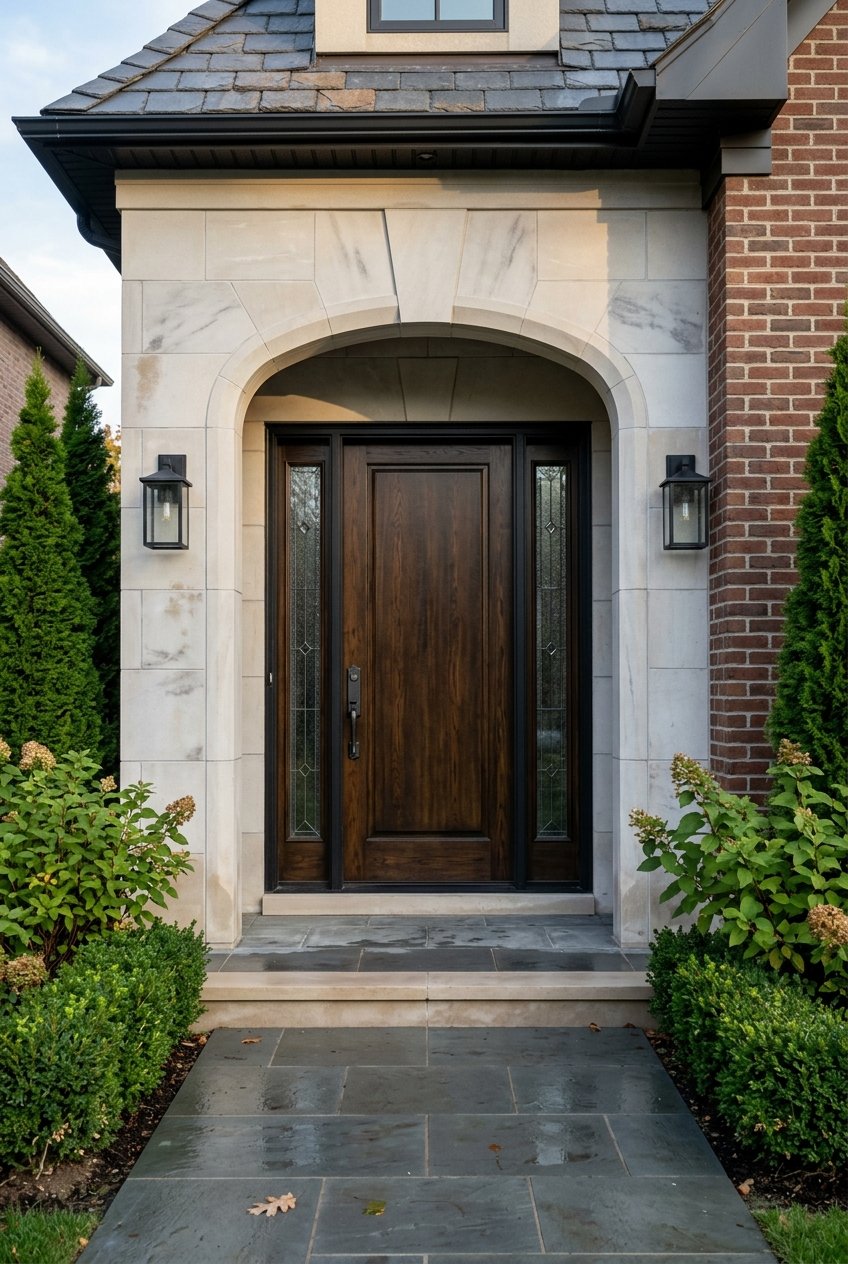
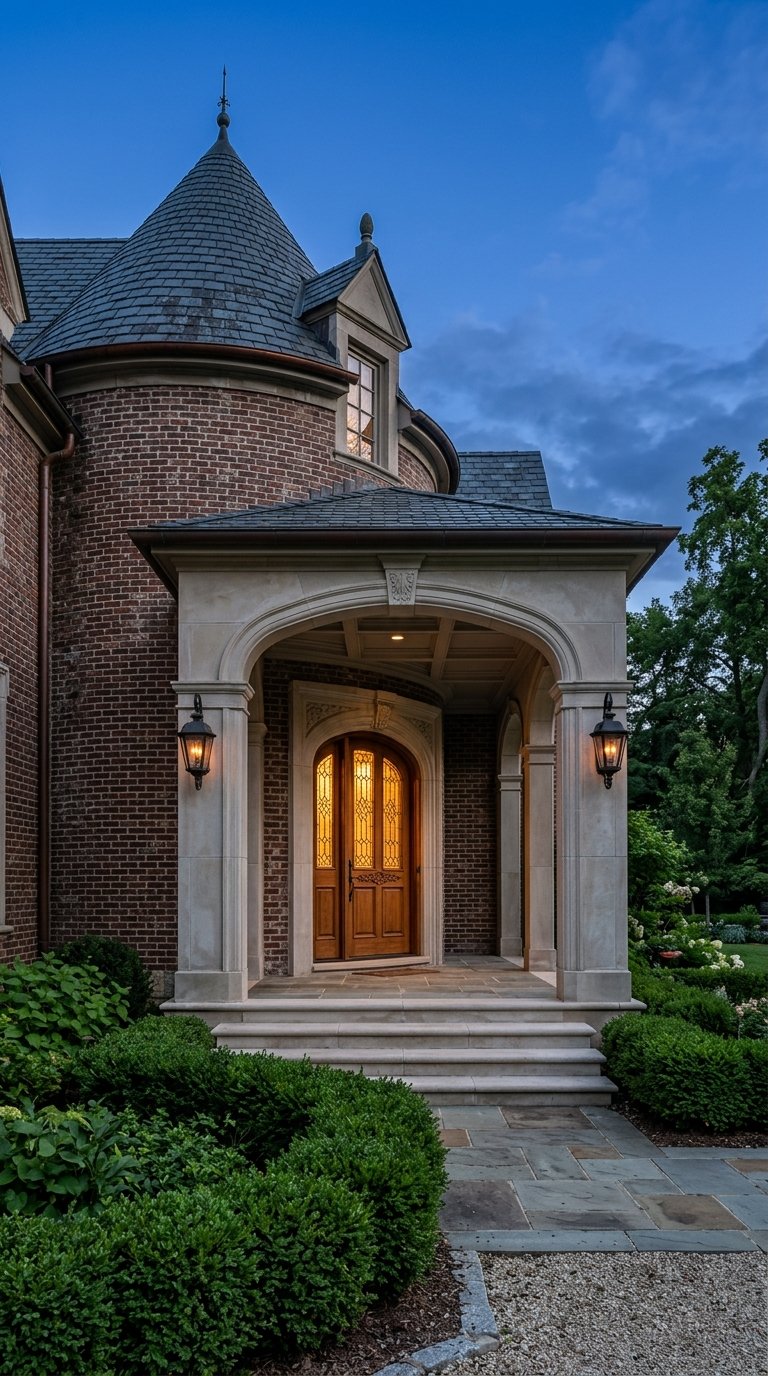
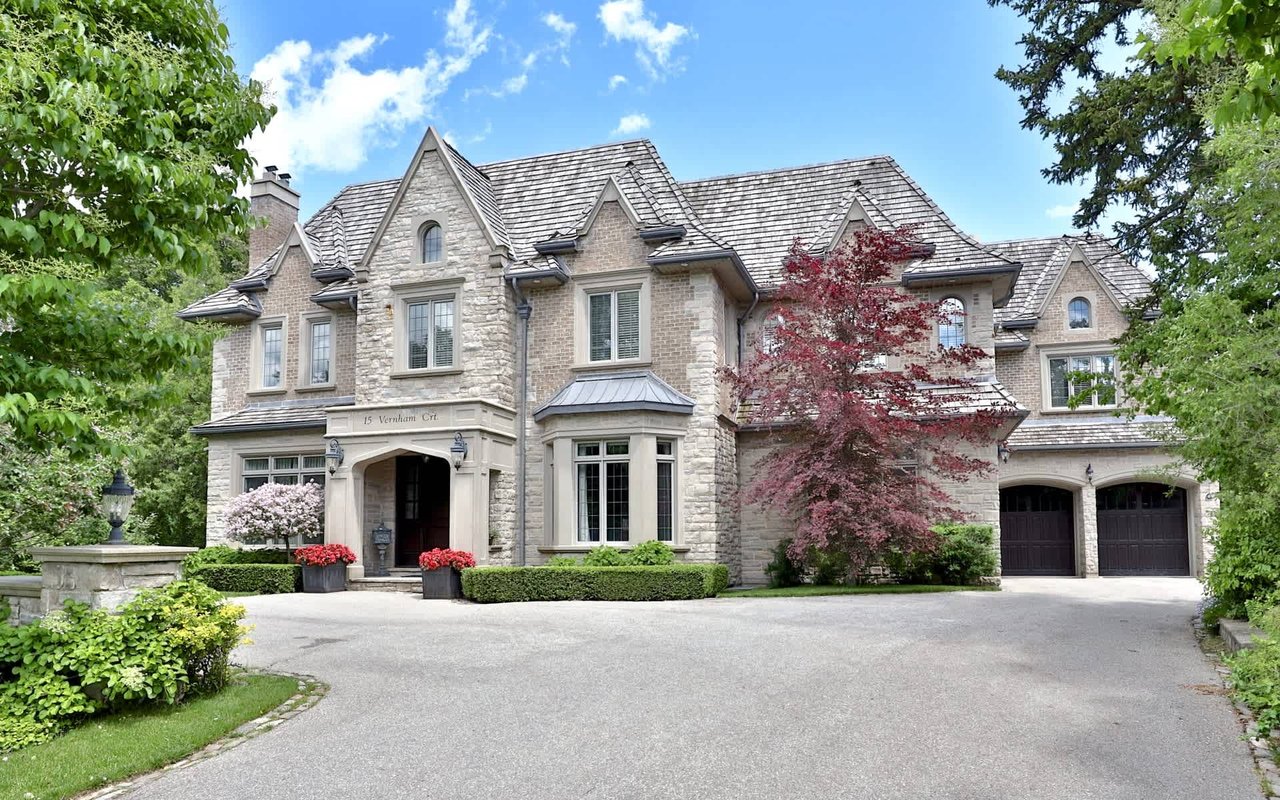
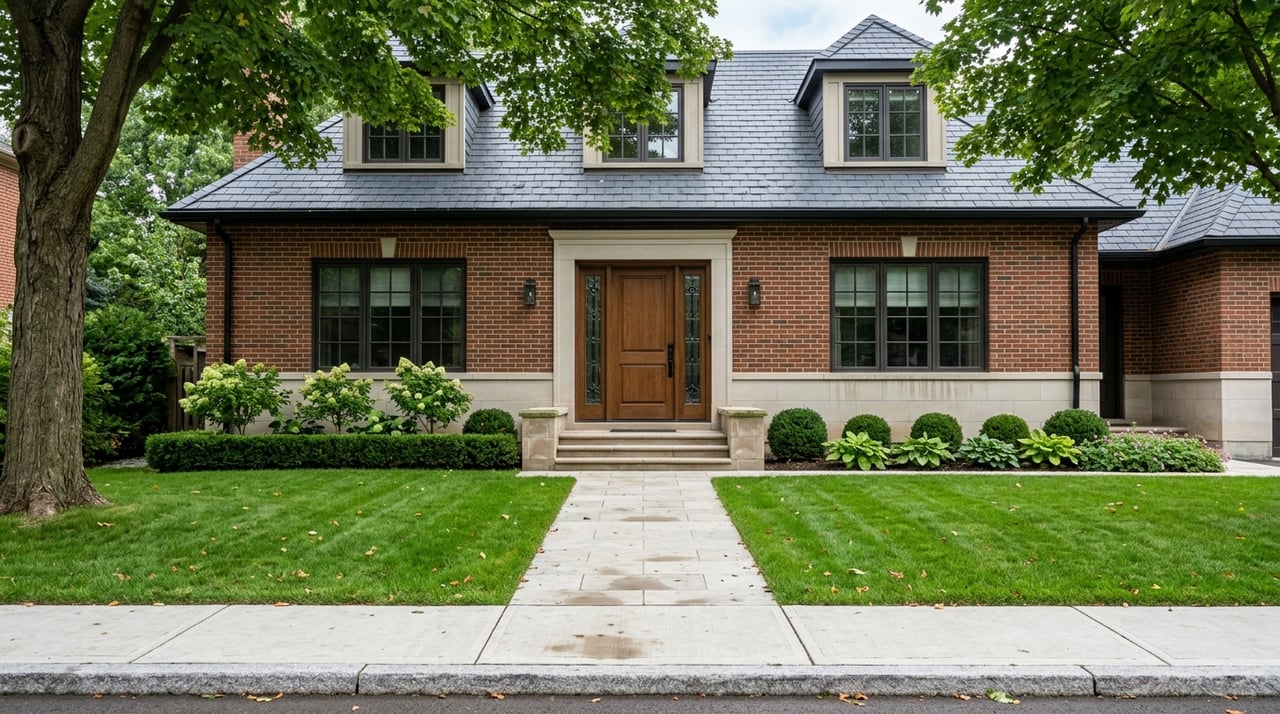
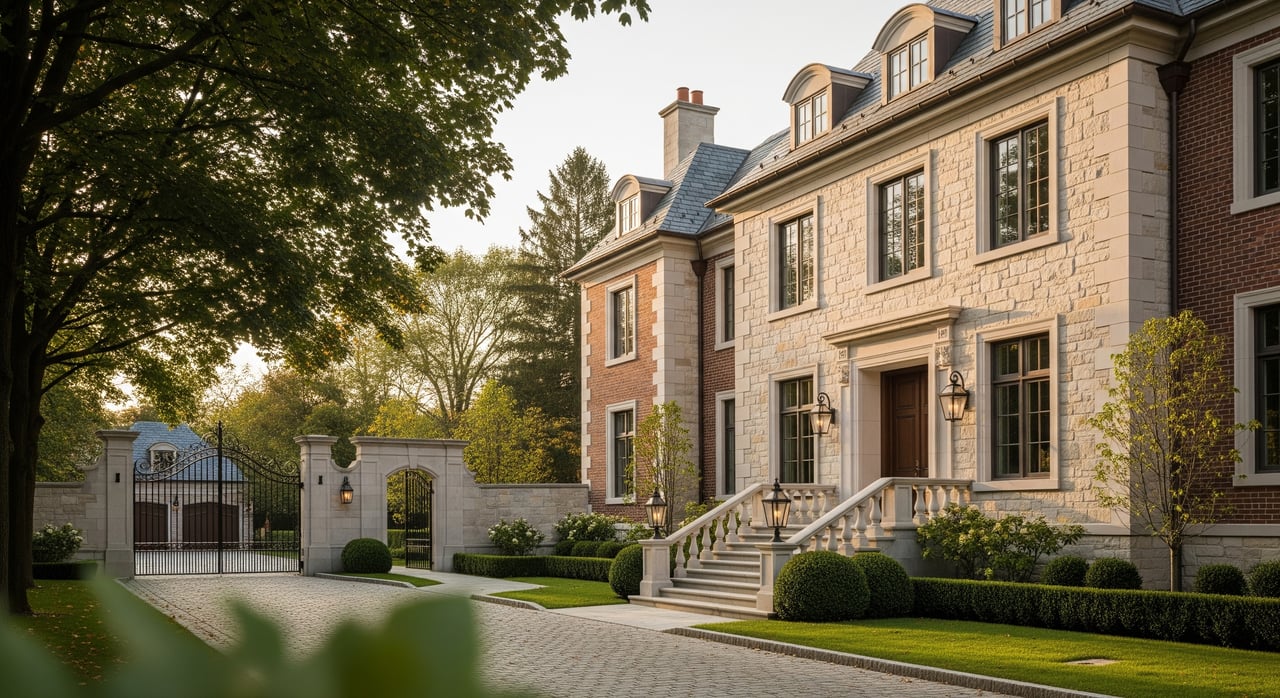
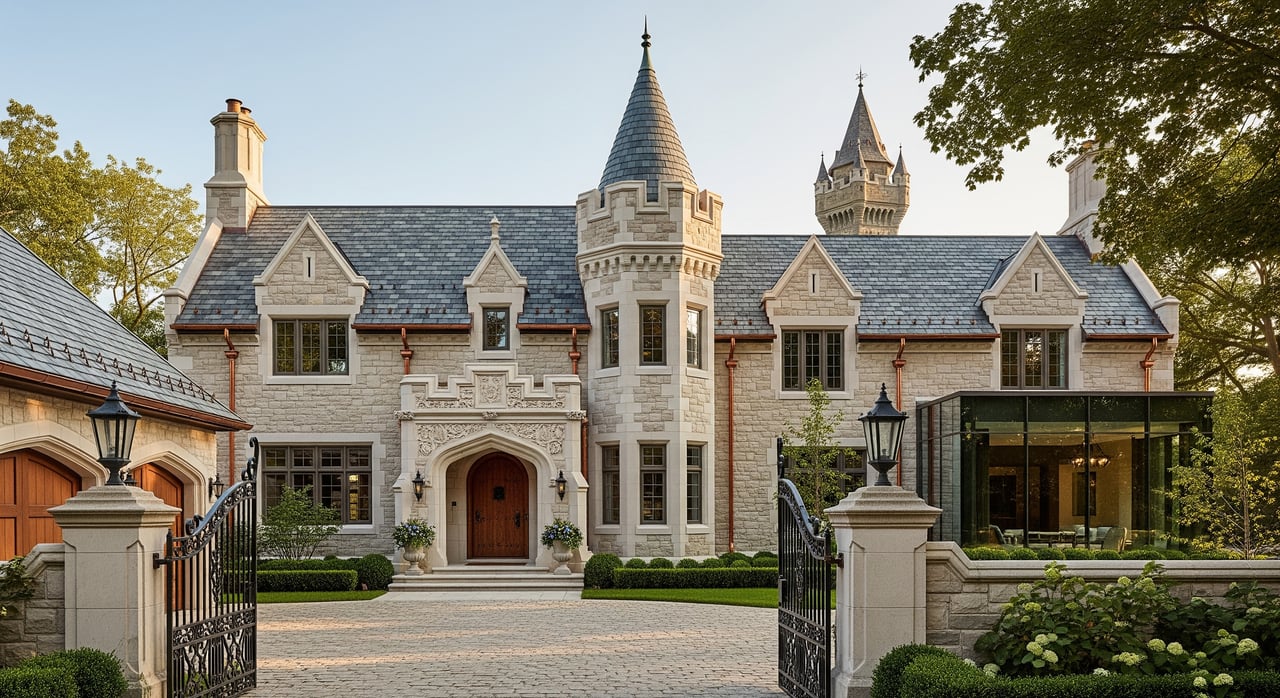
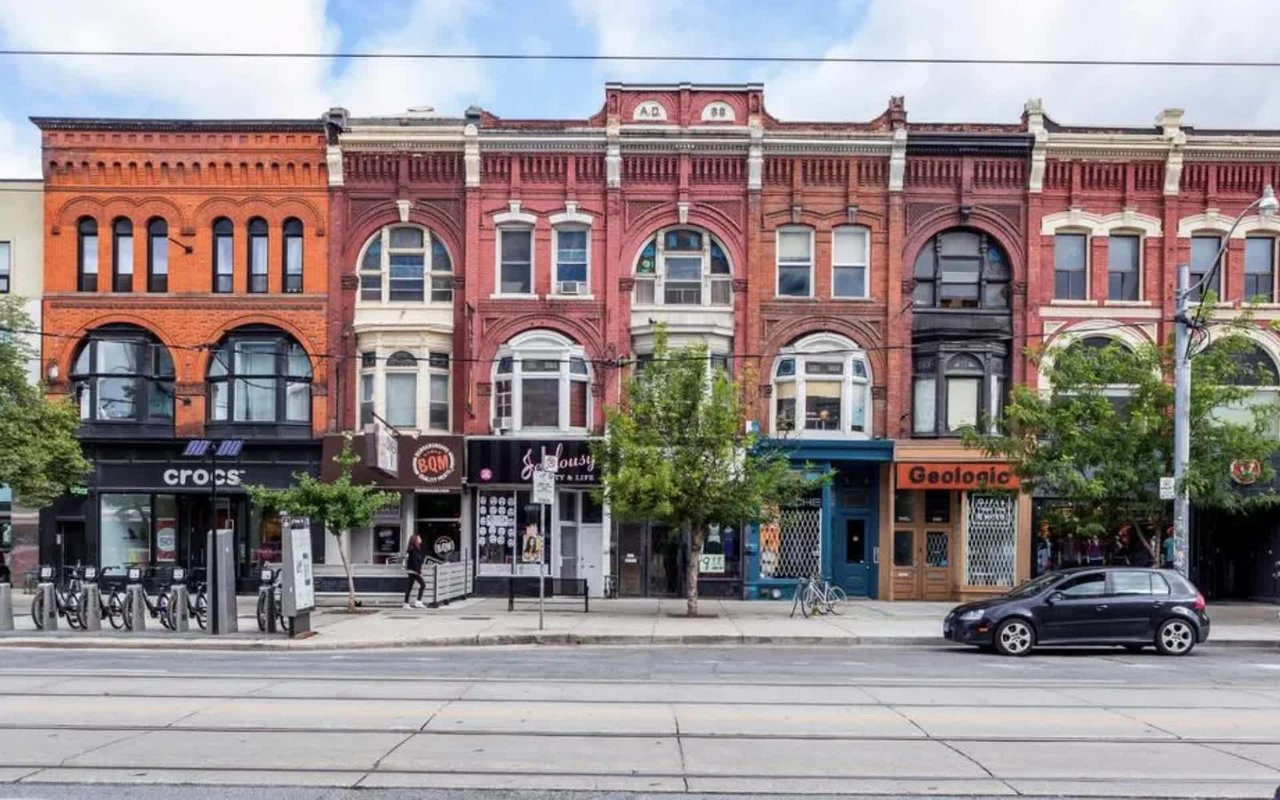
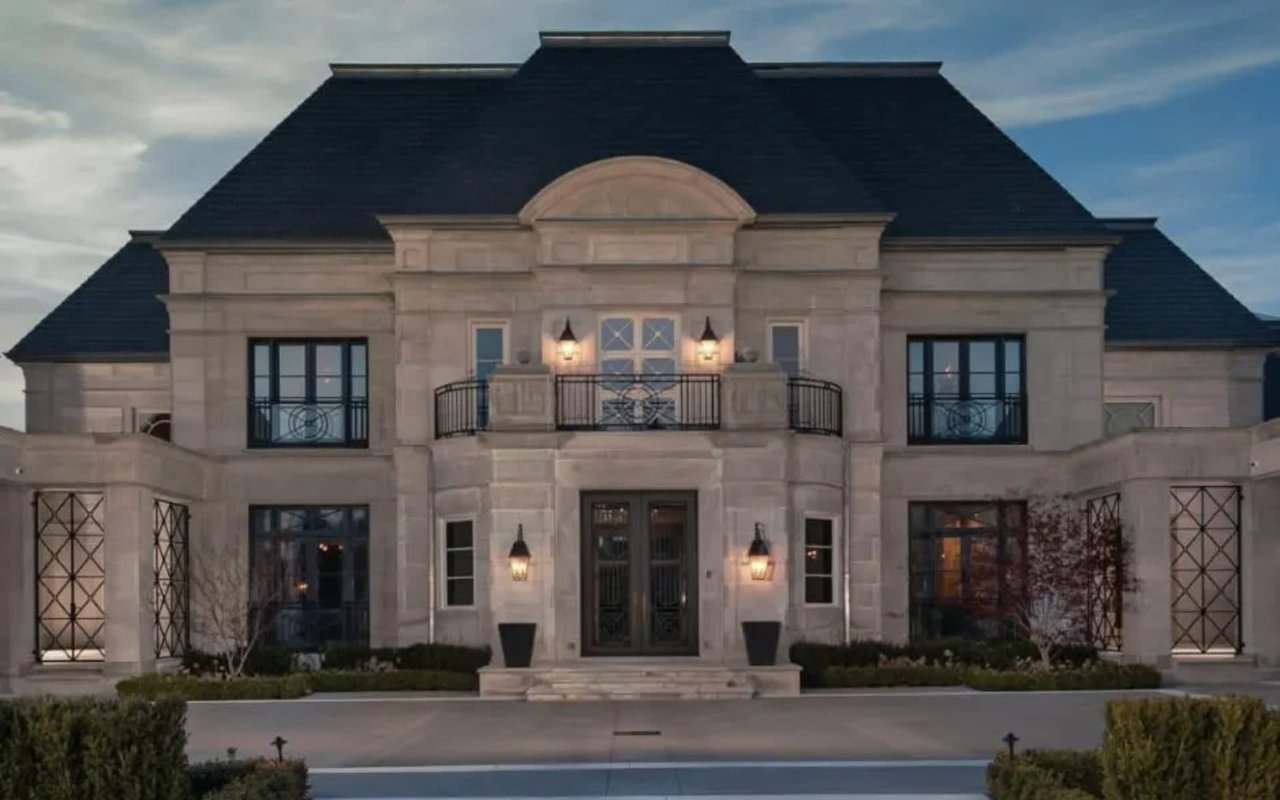
Casa Loma homes often date to the early 1900s with rich millwork, plaster cornices, tall baseboards, and leaded windows. Buyers here seek authenticity and expect heritage fabric to be preserved or accurately replicated. They also want modern comfort and reliability, especially in kitchens, bathrooms, and mechanical systems. When you respect the original architecture and upgrade systems in unobtrusive ways, you attract the widest pool of qualified buyers.
Start with assessment and permits
Before you pick finishes, begin with a full condition and heritage assessment. A conservation architect or heritage consultant can identify character-defining elements and flag risks. Add a structural engineer if there are settlement or framing concerns, and have a contractor with heritage experience review systems and moisture control.
Early permitting is essential in Toronto. Designated properties or those within heritage areas may require heritage permits for exterior changes and some interior features. Building permits apply to structural, mechanical, electrical, and plumbing work. Plan for 4 to 12 or more weeks for approvals depending on scope and review requirements.
Priorities: health, moisture, and structure
Water is the biggest threat to historic homes. Address it first so later work is protected.
- Roof, flashing, gutters, and downspouts in good working order
- Chimney caps, masonry repointing, and proper mortar matching
- Foundation drainage and grading to move water away from the house
- Repair rot in window sills and frames before it spreads
These items are not flashy, but they protect value and lower risk through the rest of the project.
Windows: restore before you replace
Original wood windows are often central to Casa Loma facades. Repair and performance upgrades usually beat replacement for value and authenticity.
- Reinstate sash cords or springs, reglaze panes, and add weatherstripping
- Improve thermal performance with exterior storms or interior secondary glazing
- If replacement is required, select wood or wood-clad units that match original profiles and muntin patterns
Restored windows with storms can approach the performance of new units while preserving the home’s character.
HVAC and electrical: discreet modernization
Aim for quiet, efficient comfort that does not dominate period rooms.
- Ductless mini-split heat pumps add targeted heating and cooling with minimal disruption
- If you have hydronic heat, a high-efficiency condensing boiler upgrade keeps radiators while boosting performance
- Where central air is desired, consider small-duct systems or route ducts through basements, closets, or ceiling voids
- Upgrade electrical service and panels to support mechanicals and modern kitchens; rewire older systems as needed
Keep runs concealed and equipment appropriately sized so rooms feel original and proportionate.
Kitchens that respect the house
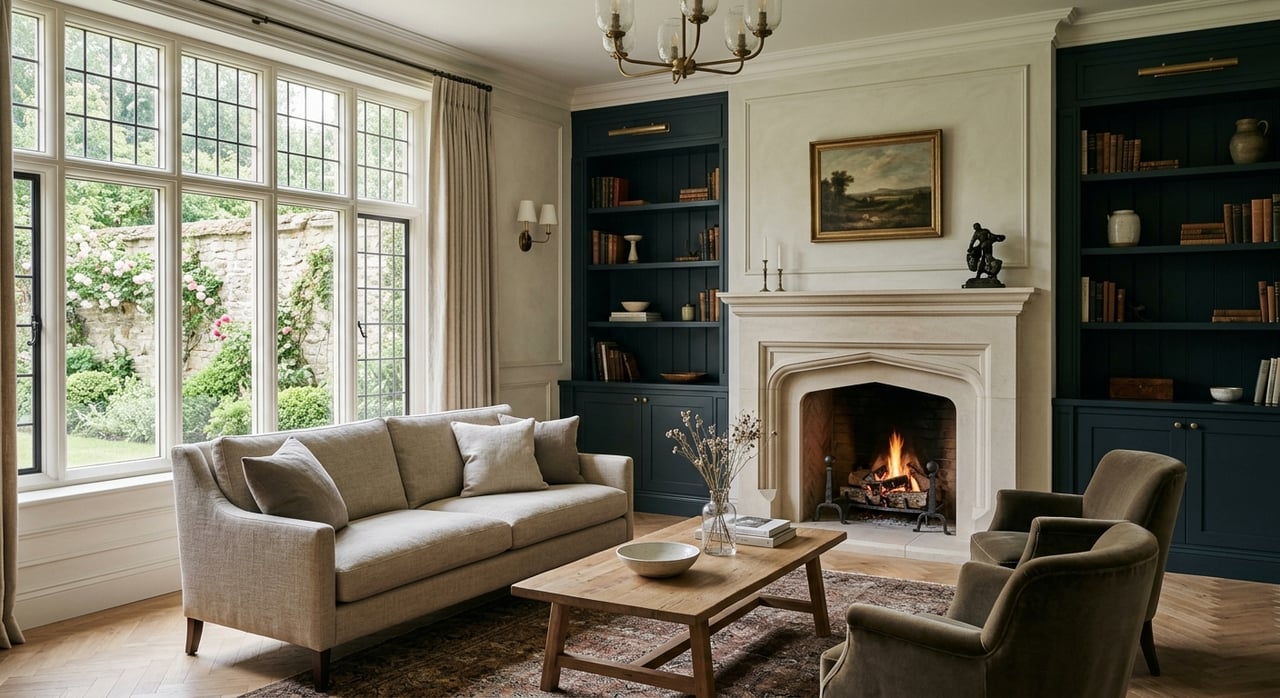
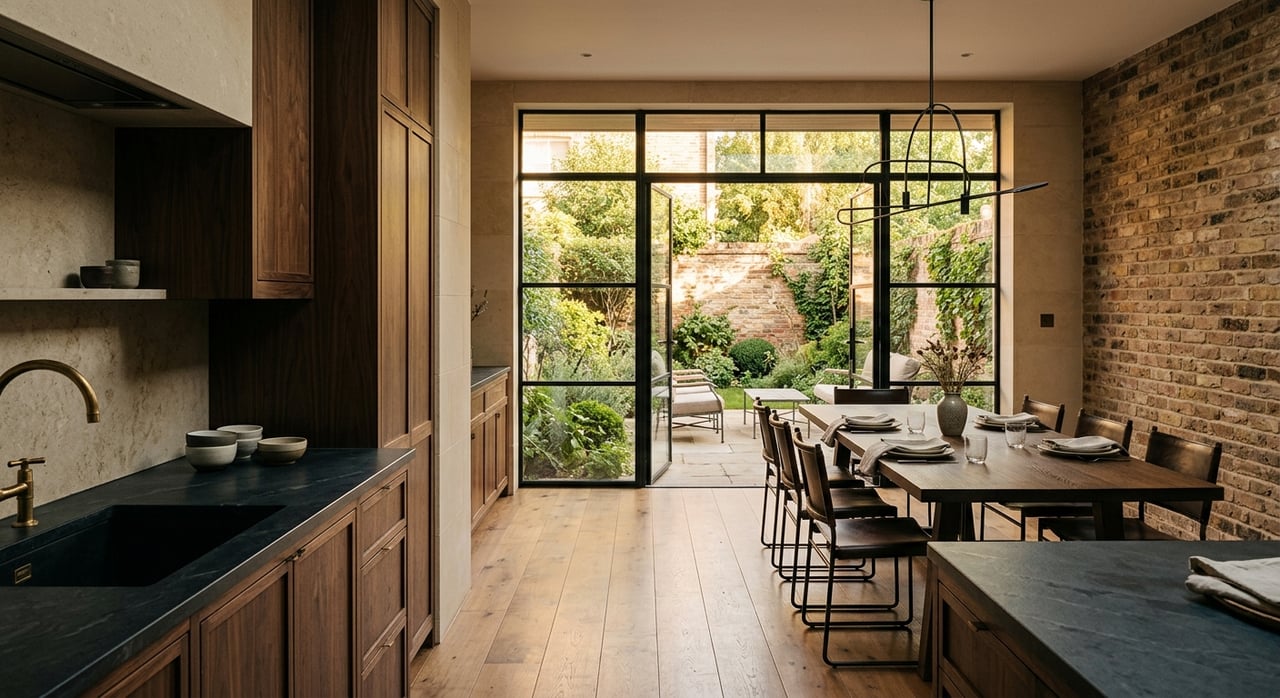
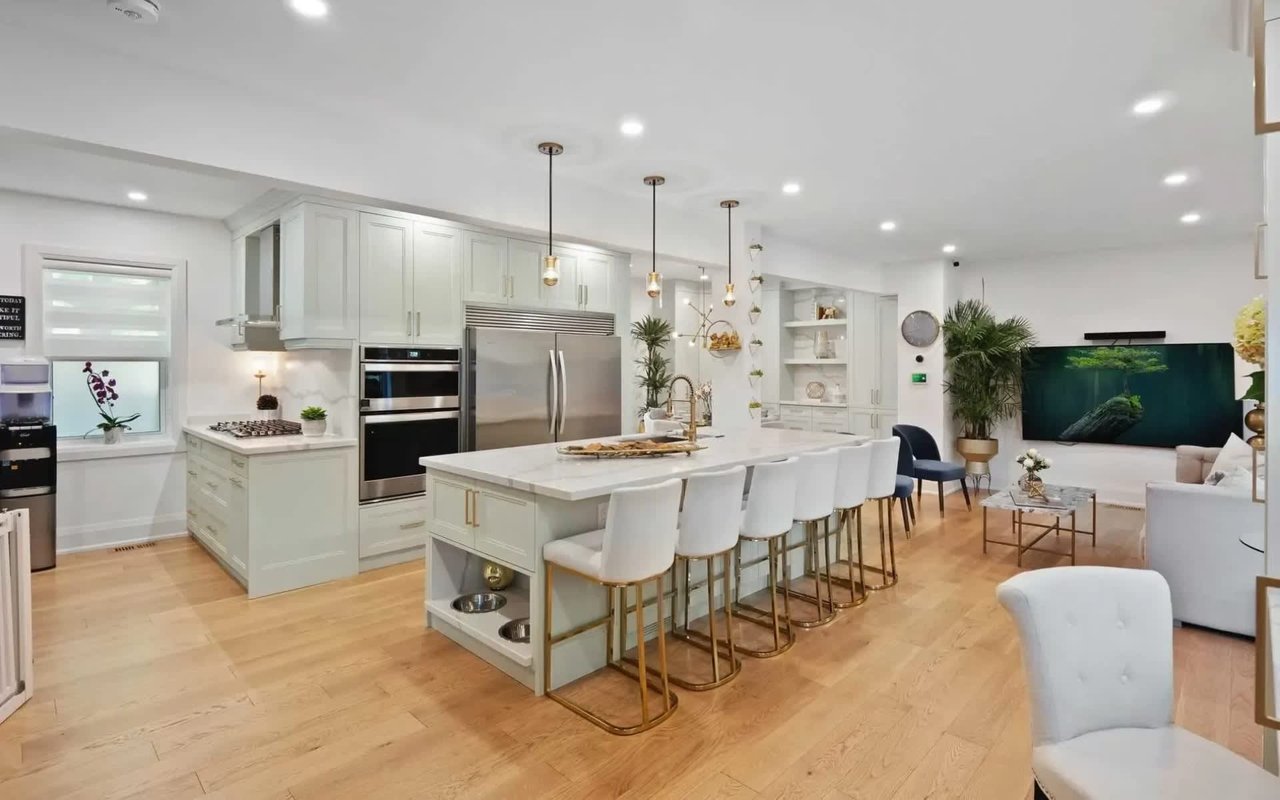
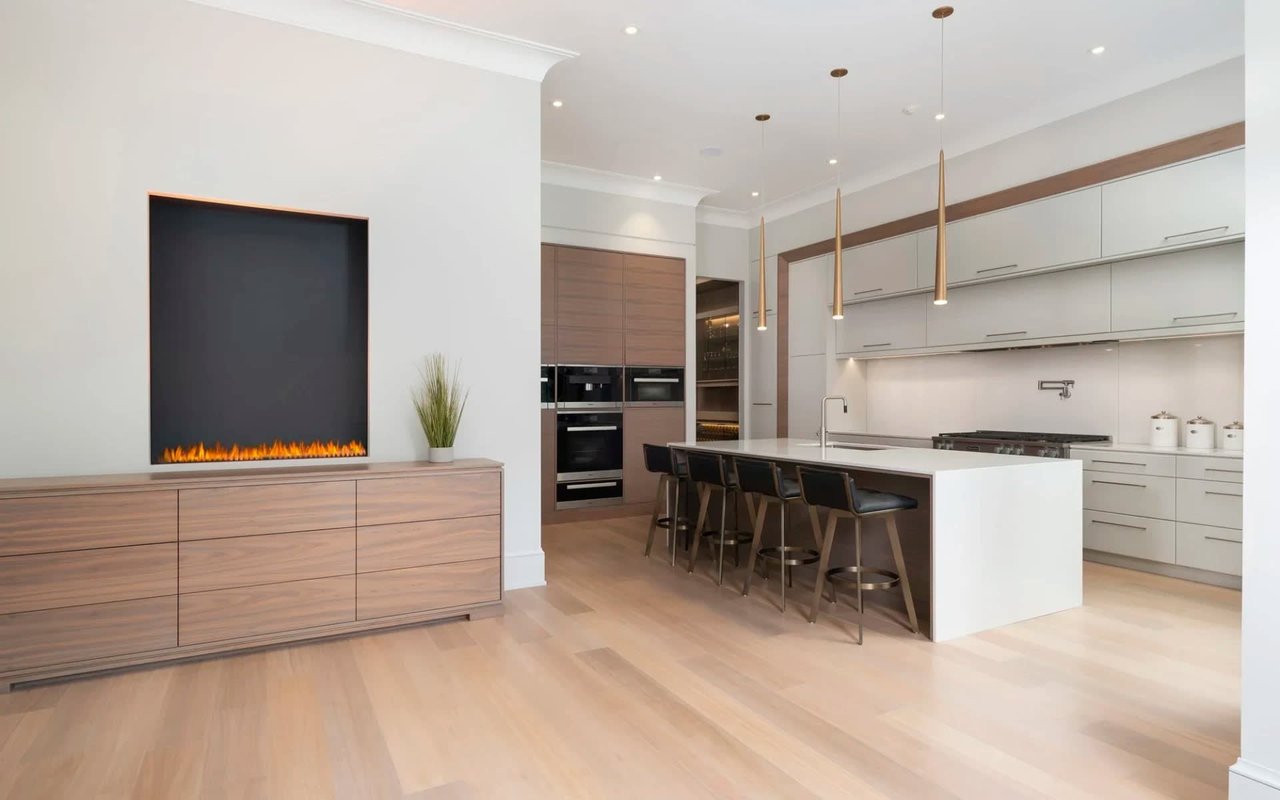
Casa Loma buyers appreciate a functional, updated kitchen that still feels at home in an early 20th-century setting.
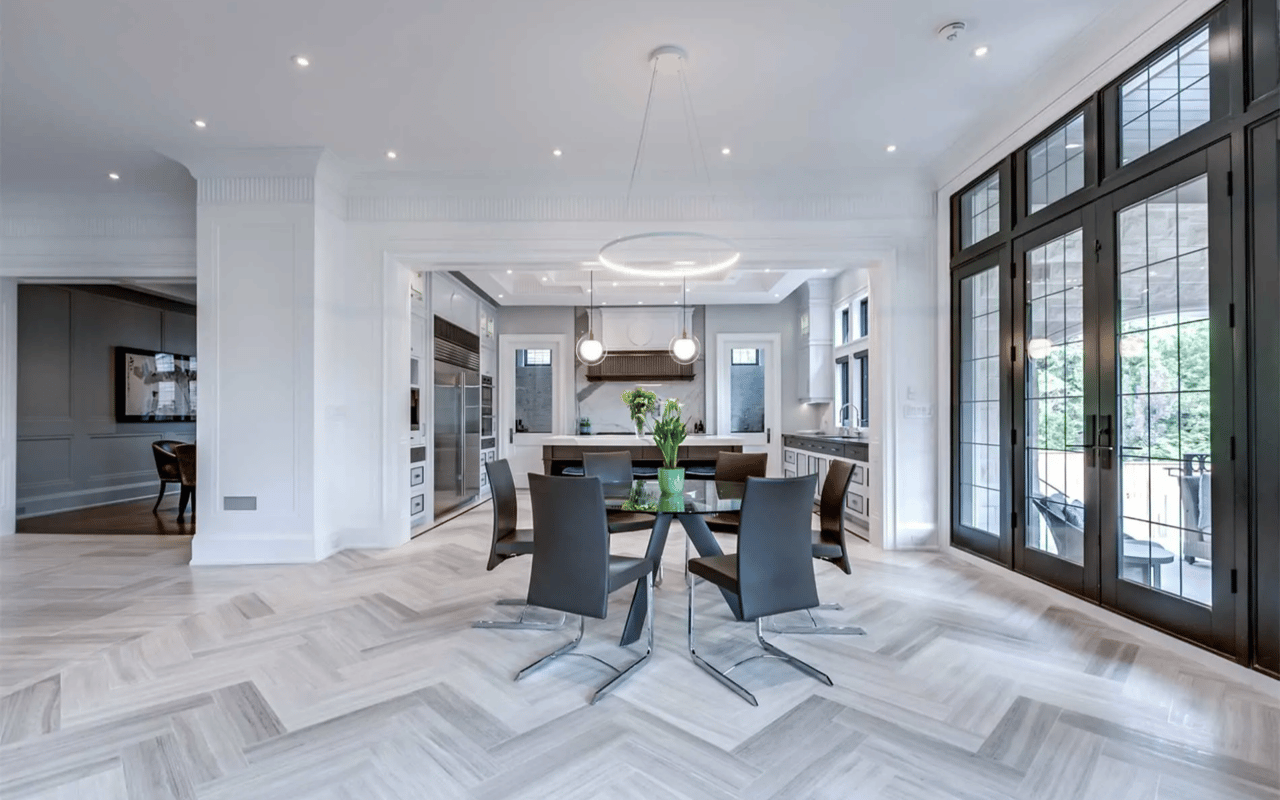
- Focus on layout first: clear work zones, storage, and modern appliances
- Use cabinetry profiles and hardware that echo period details; consider inset doors and custom millwork
- Select natural stone or quality composites and period-appropriate tile backsplashes
Keep footprints where possible, retain or replicate trim, and avoid ultra-contemporary statements that clash with heritage rooms.
Bathrooms: durable, well-ventilated, timeless
Bathrooms should feel fresh, dry, and scaled to the house.
- Upgrade plumbing, drains, and waterproofing; add effective exhaust ventilation
- Consider pedestal sinks, freestanding tubs, and classic subway or mosaic tiles
- Choose fixtures and finishes that read timeless rather than trendy
Interiors: plaster, floors, and millwork
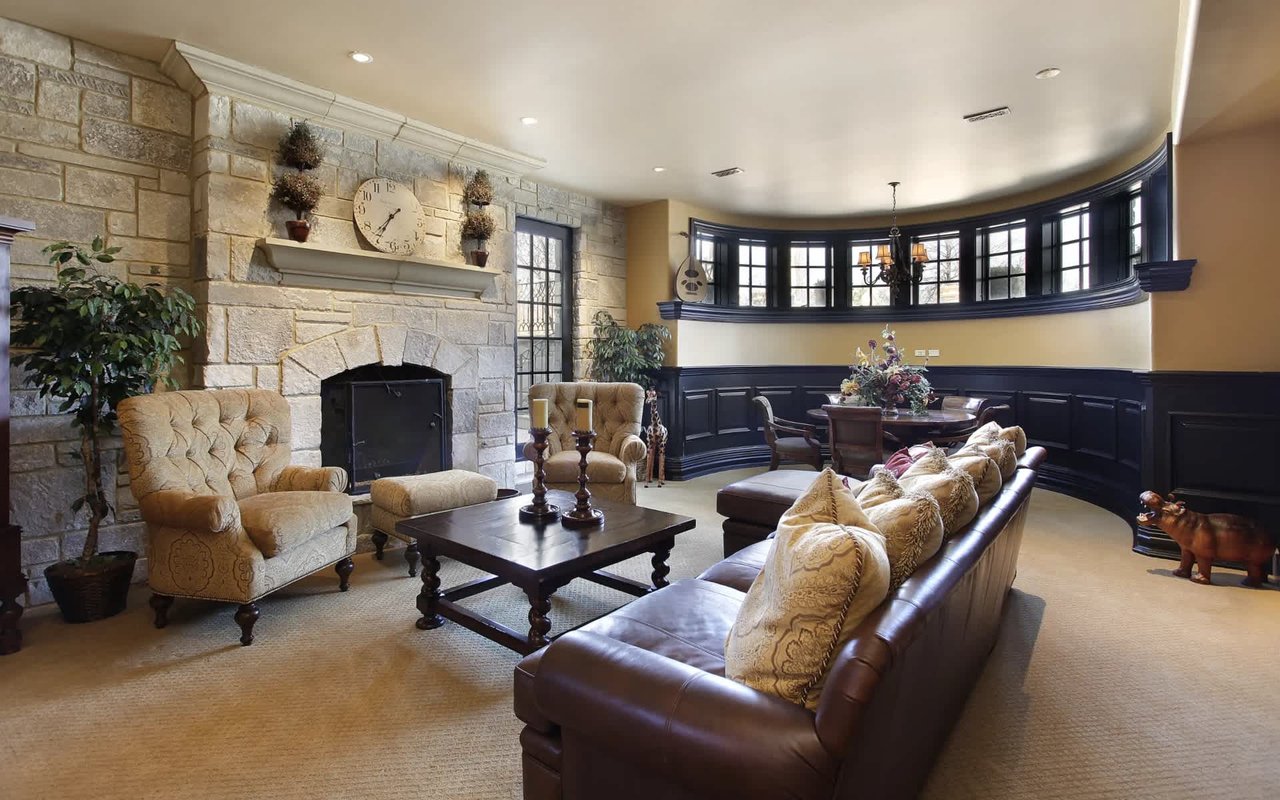
Preservation pays. Original interior details anchor buyer interest.
- Repair plaster instead of replacing with drywall whenever feasible
- Refinish original hardwood; use reclaimed or matched species where you must replace
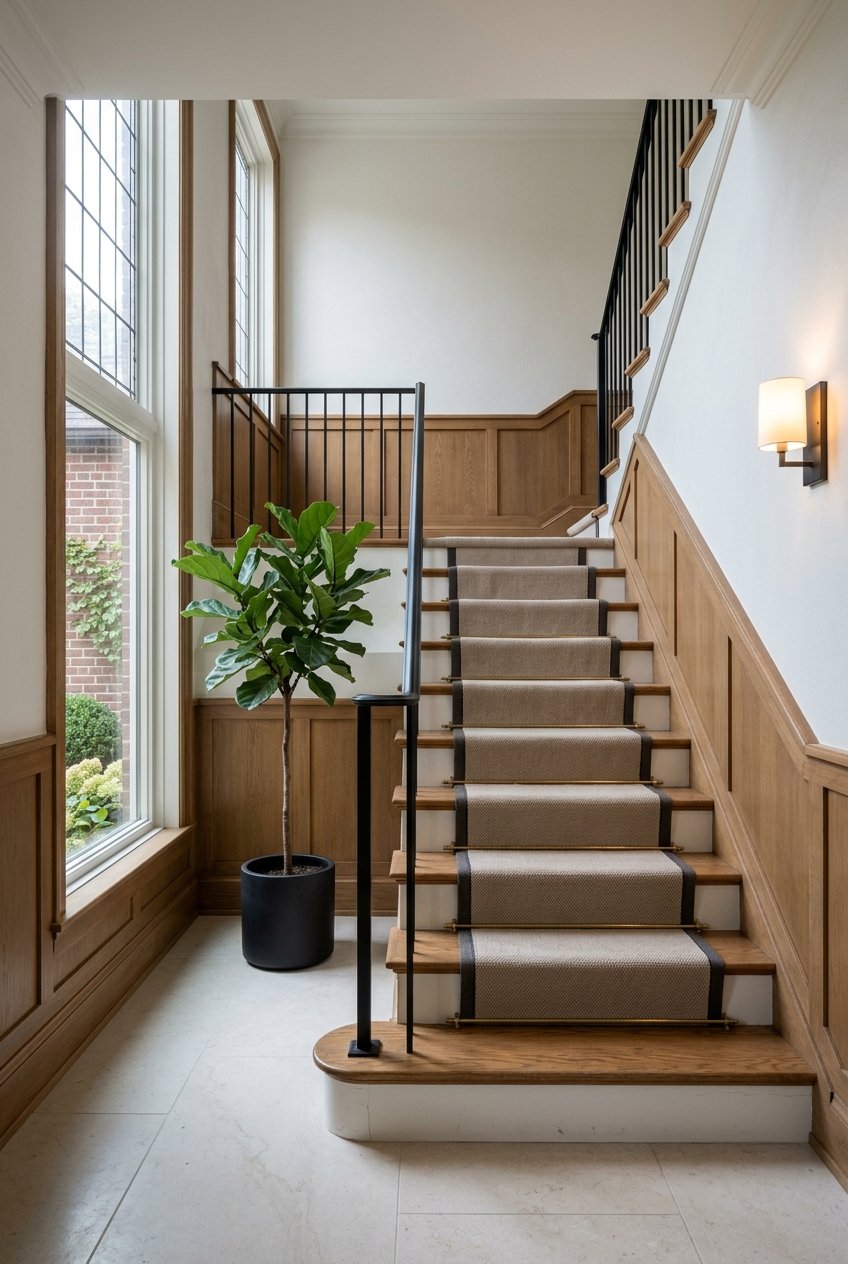
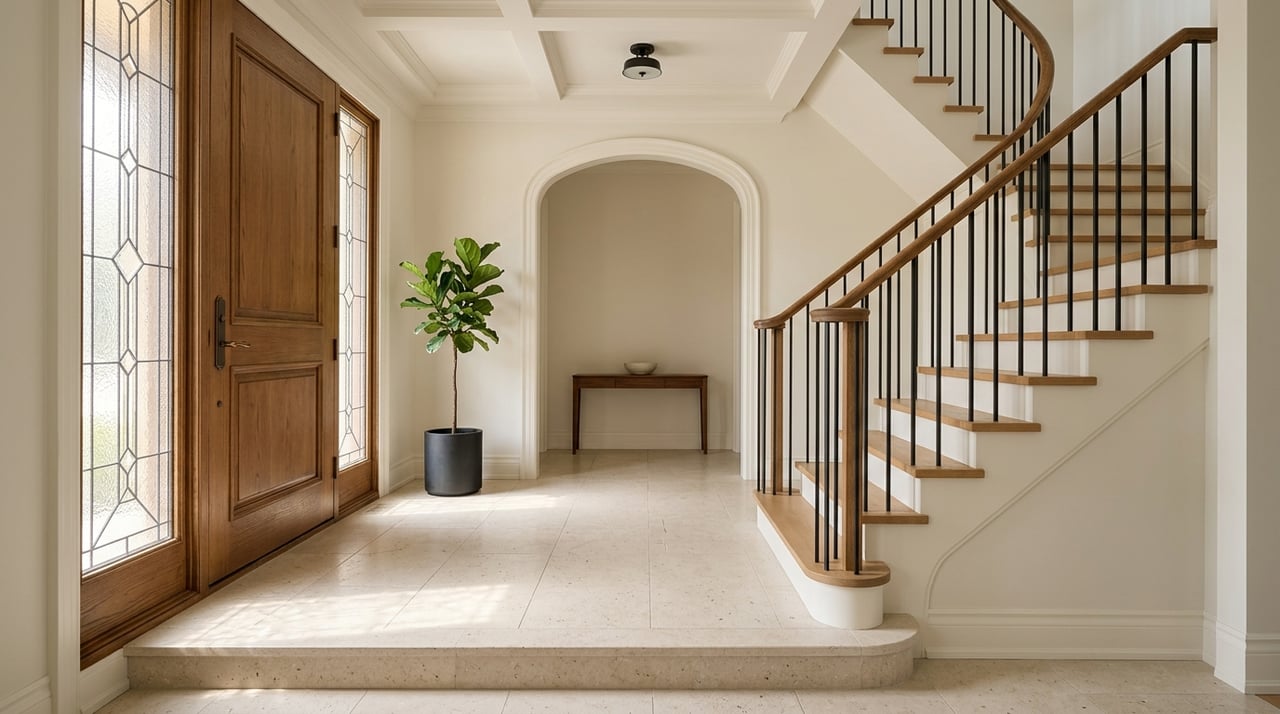
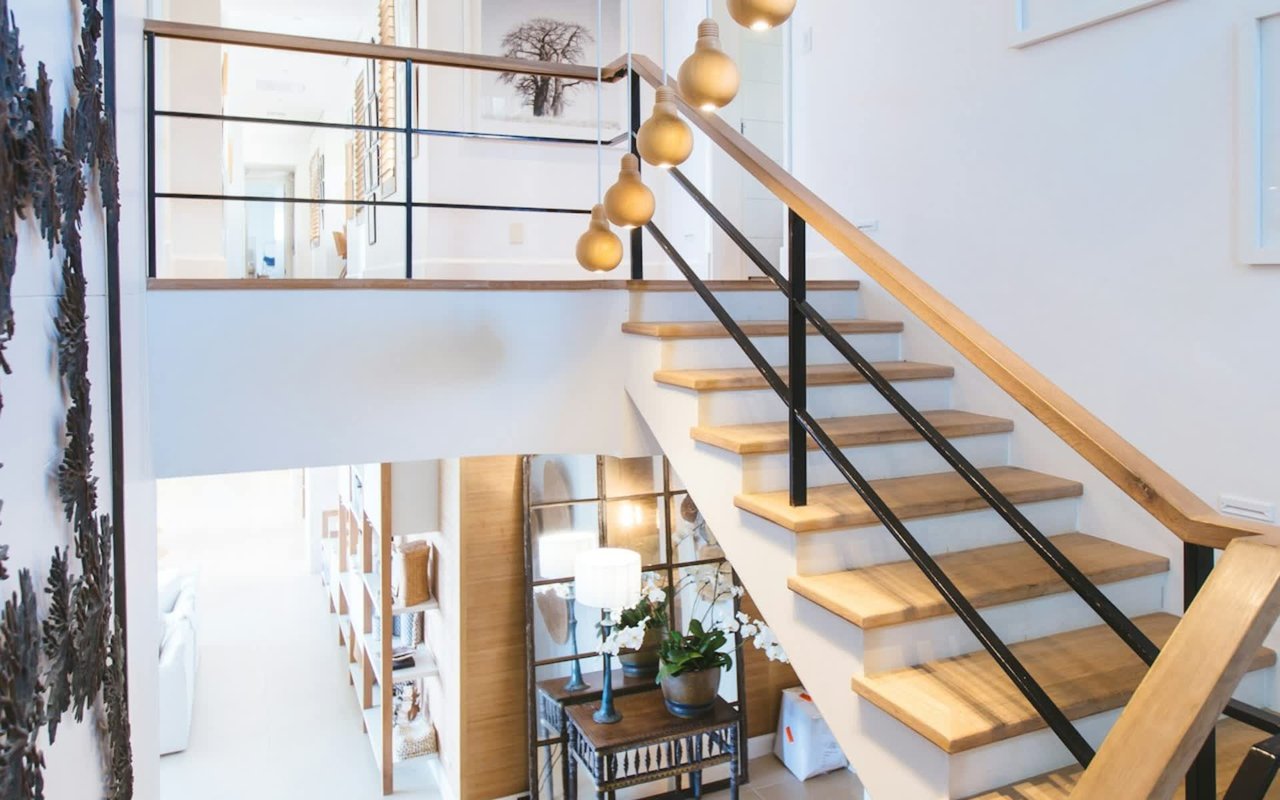
- Retain staircases, newel posts, and balustrades; reinforce from behind to keep visible elements intact
Exterior fabric and landscape lighting
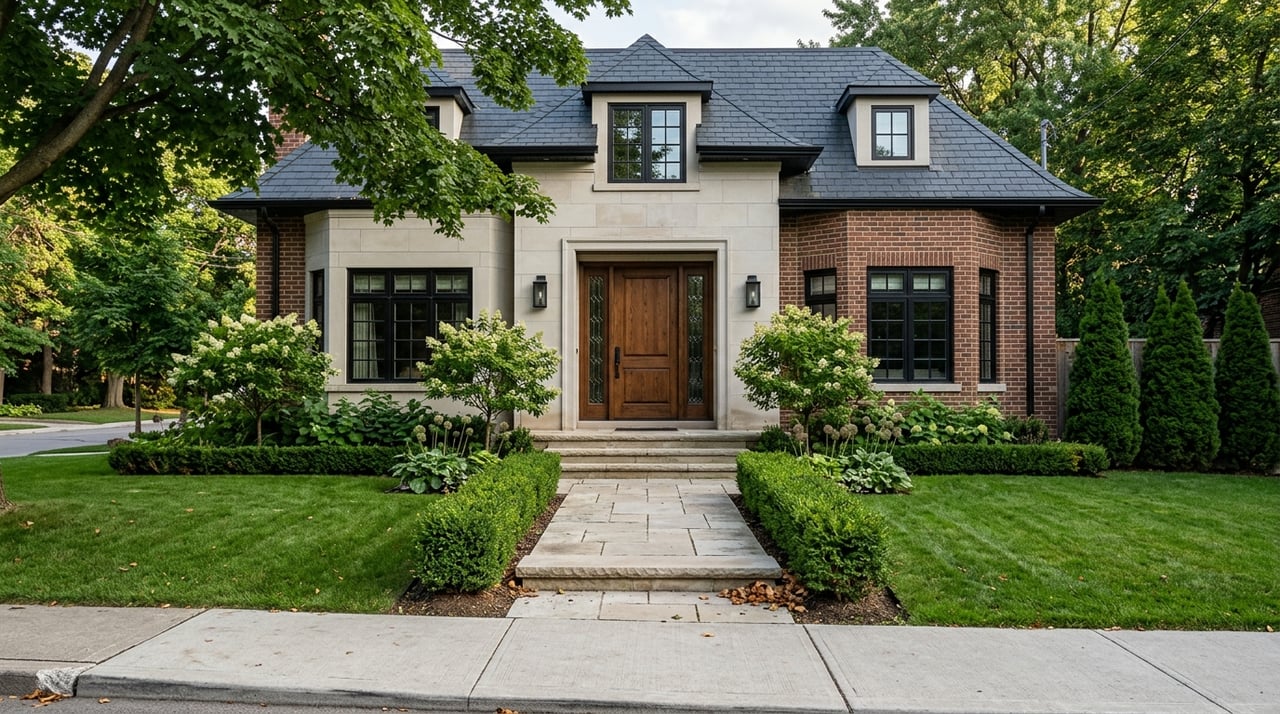
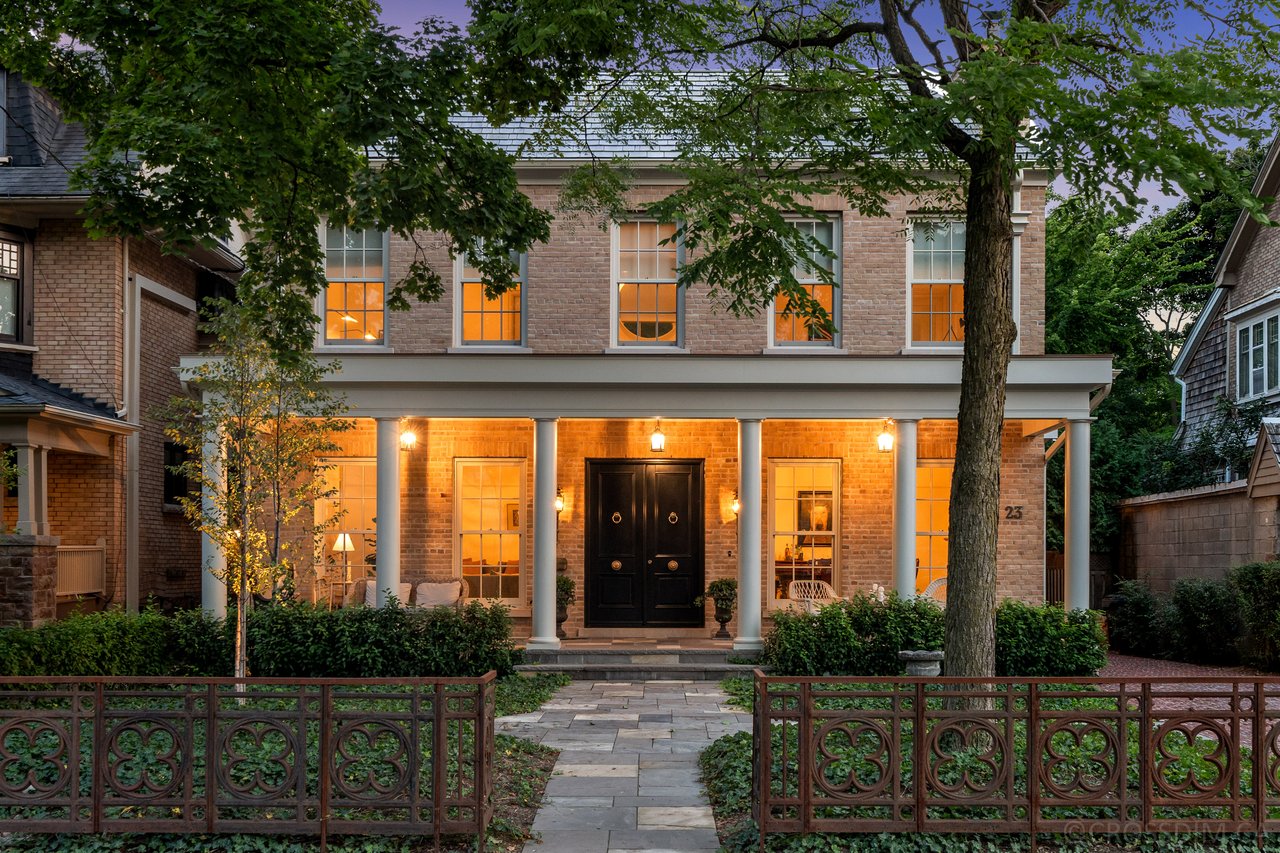
Curb appeal matters, especially just before you list.
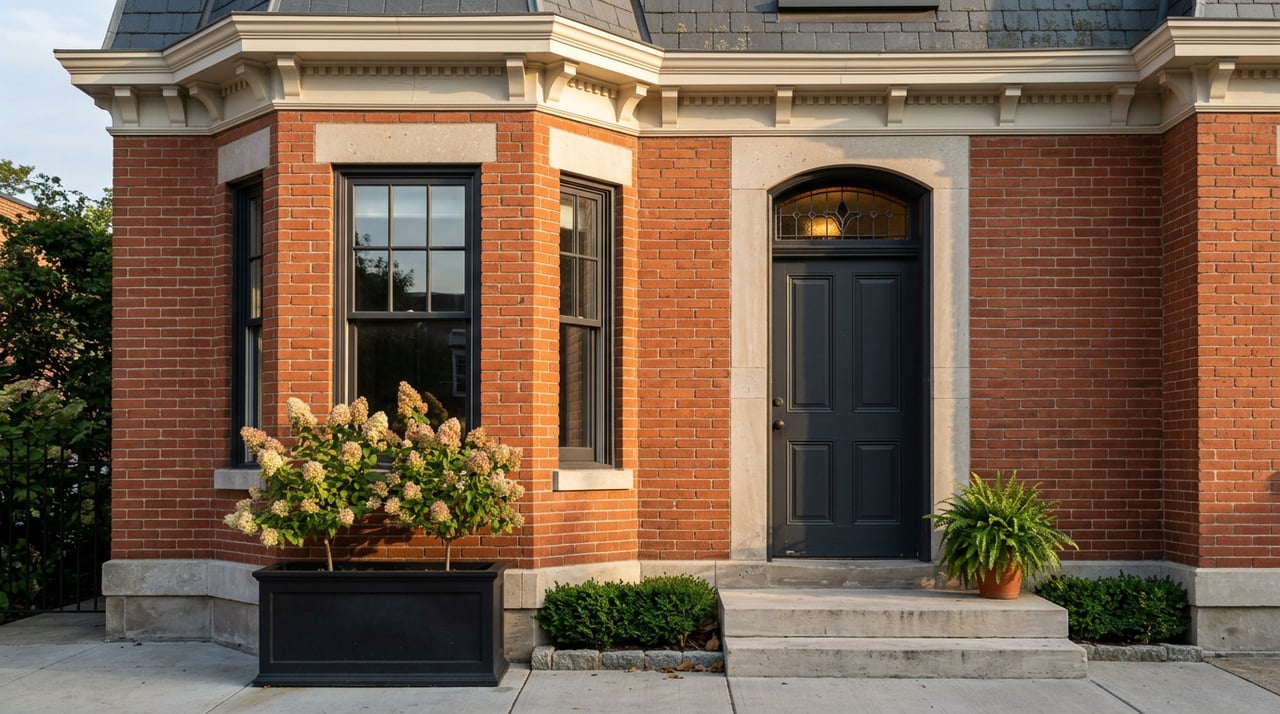
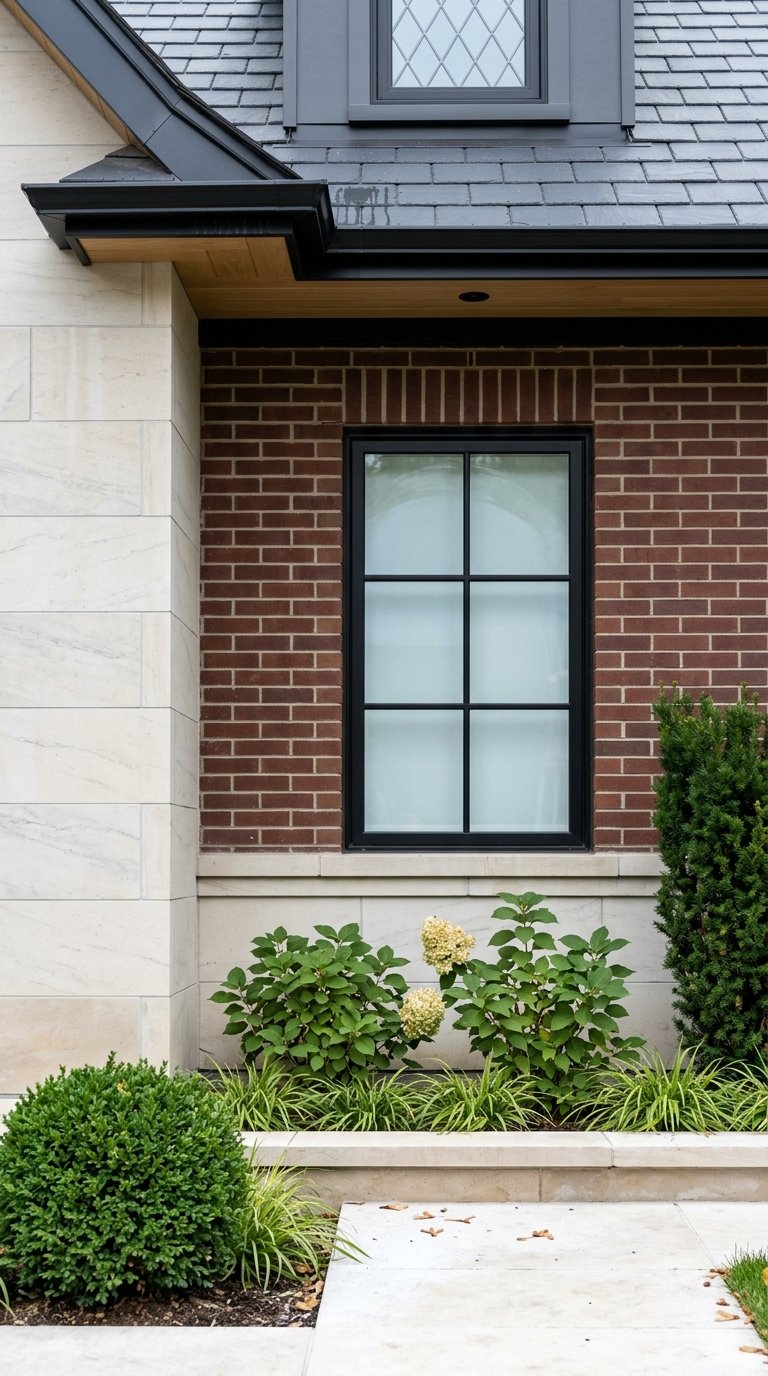
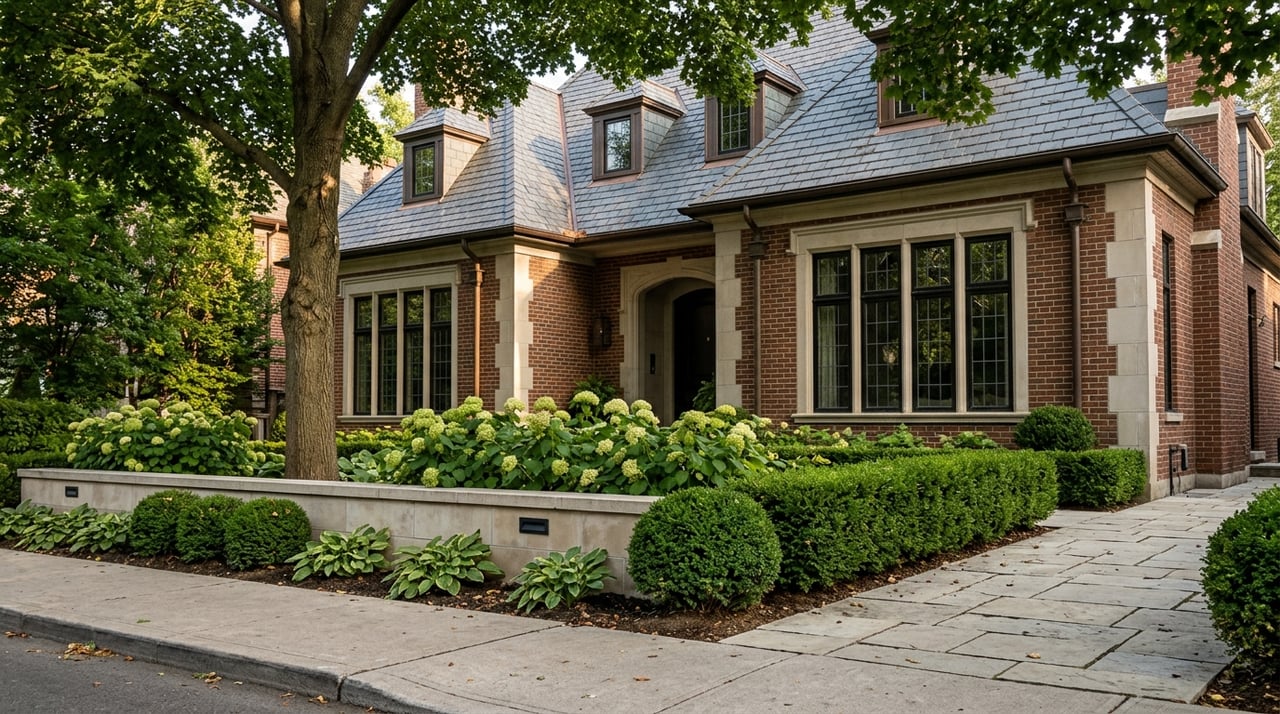
- Repoint masonry with compatible mortar; avoid hard mixes that damage older brick or stone
- Replace roofing with materials that match the original appearance, such as slate or cedar where appropriate
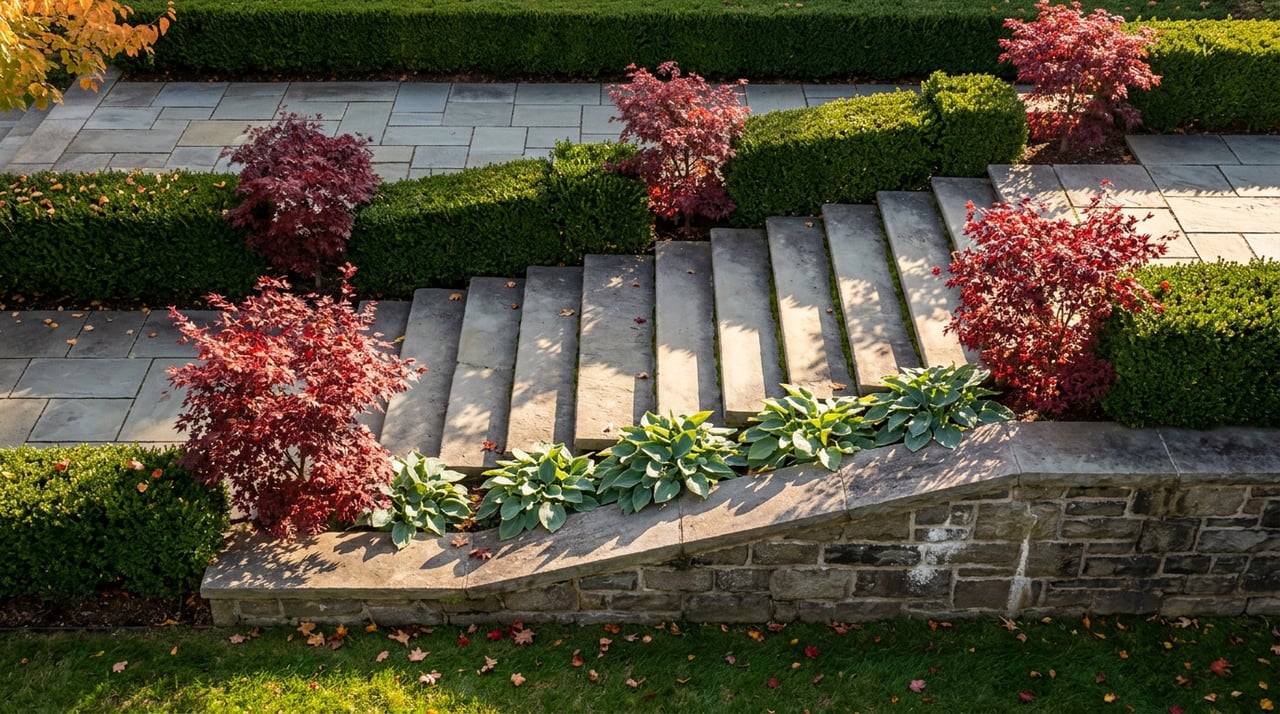
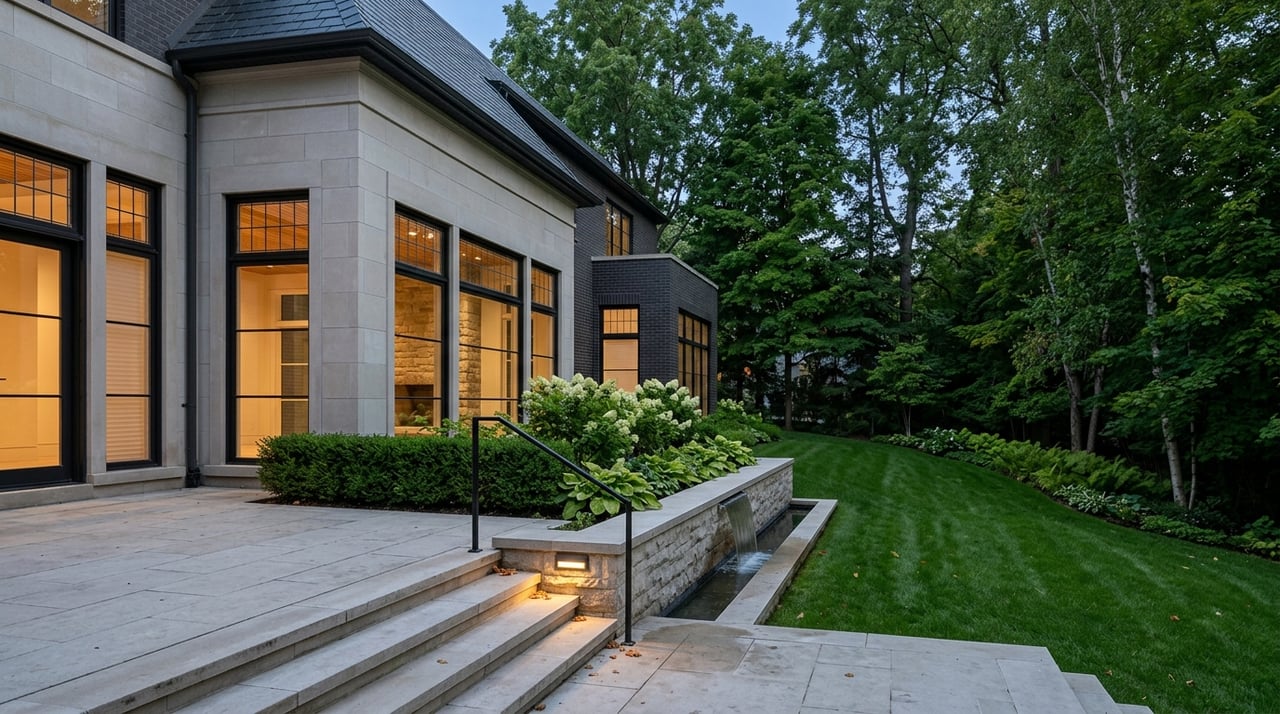
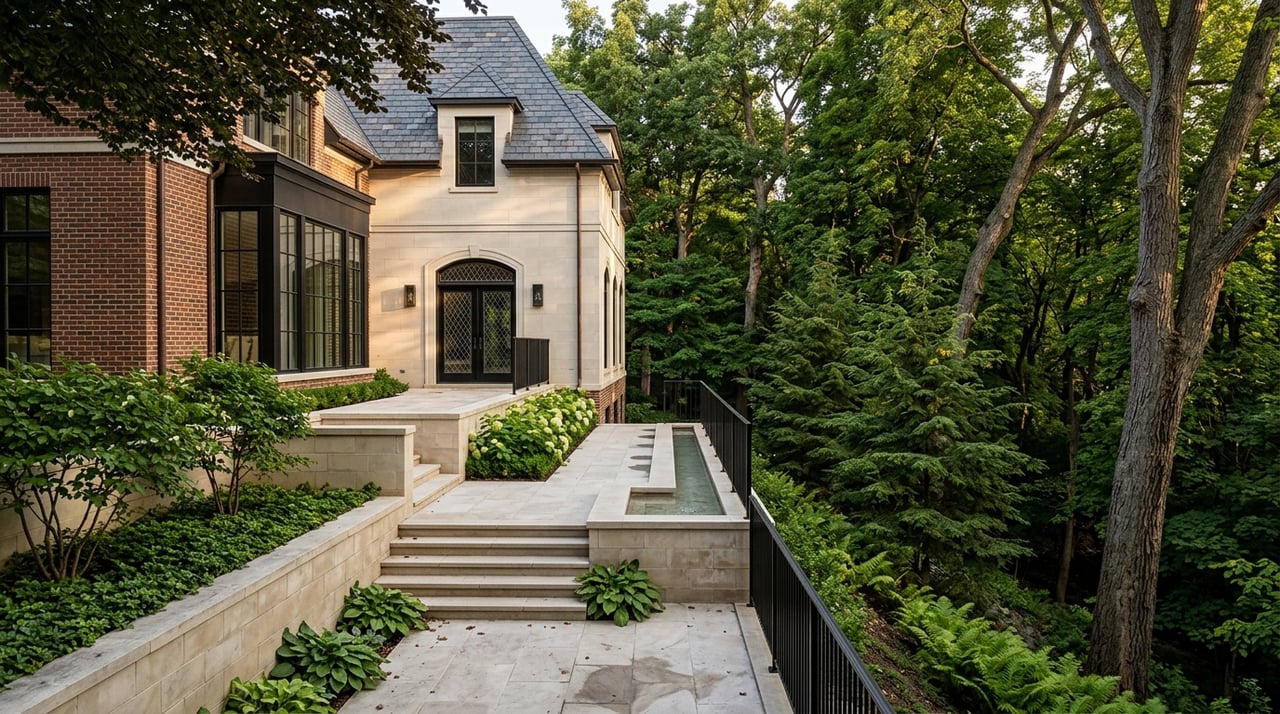
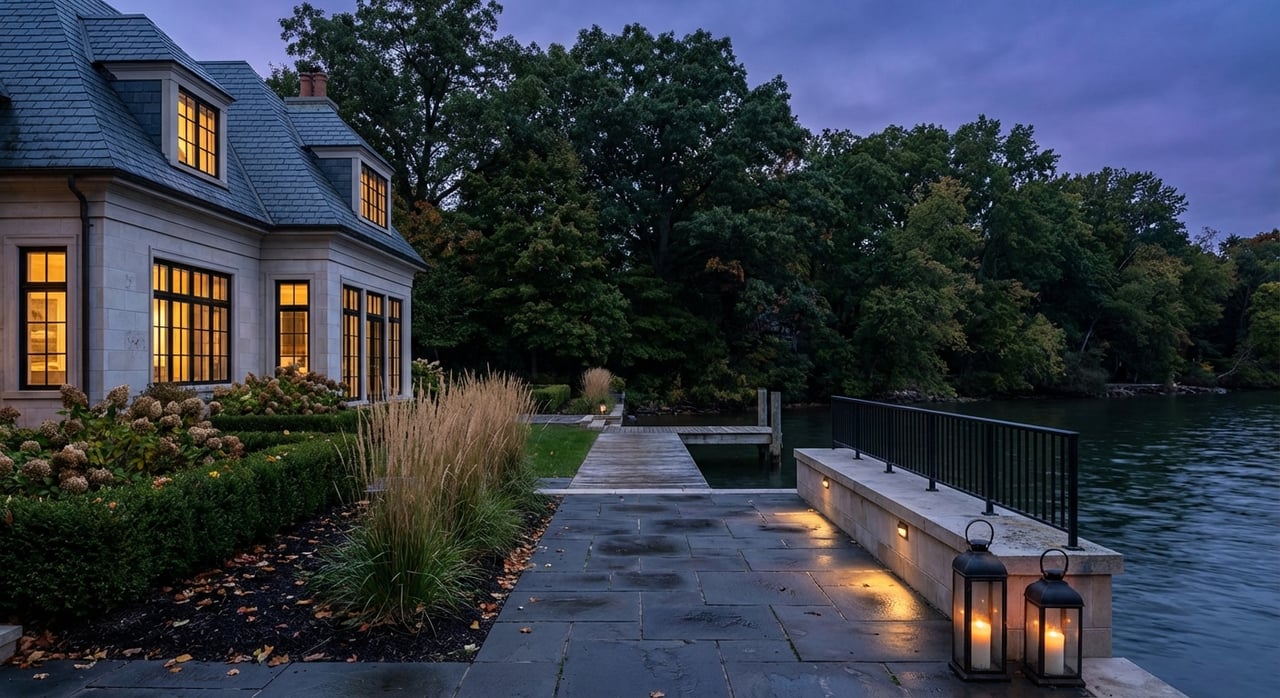
- Add low-profile path and landscape lighting and improve grading for both beauty and moisture control
Time these items close to listing so everything looks crisp in photos and in person.
Smart tech you do not see
Modern conveniences are desirable when integrated discreetly.
- Conceal wiring for internet, speakers, and security
- Use simple, buyer-friendly automation such as thermostats, lighting, and security controls
- Keep visible hardware in a traditional style so rooms feel cohesive
Project sequencing for a 12 to 24 month exit
A disciplined sequence protects heritage fabric, avoids rework, and keeps finishes fresh at sale time.
Phase 0: Pre-project, 0 to 6 weeks
- Engage a heritage consultant and experienced contractor
- Commission condition, structural, mechanical, and electrical assessments
- Set a preliminary scope, budget, and permit strategy
Phase 1: Permits and urgent remediation, 6 to 12 or more weeks
- Submit heritage and building permits
- Address health, safety, roof, drainage, foundation, and any hazardous materials
- Upgrade electrical service if needed
Phase 2: Systems and envelope, 6 to 16 weeks
- Install or upgrade HVAC and insulation where appropriate
- Repair or restore windows, or install approved replacements or interior storms
- Complete masonry and roof work
Phase 3: Interior rework, 6 to 20 weeks
- Make structural changes and wall adjustments if required
- Rough in plumbing, electrical, and mechanicals
- Repair plaster and prepare surfaces
Phase 4: Finishes and fit-out, 4 to 12 weeks
- Install kitchen cabinets, counters, appliances
- Complete bathroom tile and fixtures, painting, and floor refinishing
- Restore or replicate trim and select hardware
Phase 5: Exterior finishings and staging, 2 to 6 weeks
- Final landscaping, path and landscape lighting, and facade touchups
- Professional cleaning, photography, and staging aligned to listing date
Simple programs can wrap in 3 to 6 months. Comprehensive work often runs 9 to 18 or more months including permits, which fits within a 12 to 24 month plan if you start soon.
Budget planner for Casa Loma renovations
These Toronto market ranges are ballpark figures for planning. House size, condition, heritage scope, and finish level drive actual costs. Obtain local quotes from heritage-capable trades and include a contingency.
- Heritage consultant or conservation architect: $2,500 to $15,000 or more
- Structural engineer: $1,200 to $6,000
- Kitchen/bath design: $3,000 to $20,000
- Roof replacement: $10,000 to $60,000 or more
- Masonry repointing and repairs: $8,000 to $40,000 or more
- Foundation repairs and drainage: $8,000 to $40,000 or more
- Window restoration per unit: about $400 to $2,000
- Custom heritage-style replacement windows per unit: $1,000 to $4,000 or more
- Secondary glazing or interior storms per opening: $300 to $1,200
- Ductless mini-split per head: $2,000 to $8,000
- Condensing boiler replacement: $8,000 to $25,000
- Central forced air retrofit: $15,000 to $40,000 or more
- Electrical panel upgrade: $1,500 to $6,000
- Sympathetic kitchen renovation: $25,000 to $60,000
- High-end custom kitchen: $60,000 to $200,000 or more
- Appliances: $5,000 to $30,000
- Bathroom refresh: $8,000 to $20,000
- Full period-appropriate bathroom: $20,000 to $60,000 or more
- Plaster repair: $60 to $150 or more per m²
- Hardwood refinishing: $3 to $10 per sq ft
- Millwork replication or restoration: varies widely, from low thousands to $10,000 to $50,000 or more
- Landscaping refresh: $5,000 to $30,000
- Landscape lighting: $3,000 to $15,000
- Contingency: budget 15 to 25 percent for unknowns
Documentation buyers value
Casa Loma buyers value clarity and quality control. Build a renovation binder to present during listing and showings.
- Permit copies and approvals
- Contractor invoices, scopes, and warranties
- Before-and-after photos of key heritage repairs and system upgrades
- Maintenance guidance for restored windows, plaster, and millwork
Clear records increase buyer confidence and can support stronger offers.
Common tradeoffs and mistakes to avoid
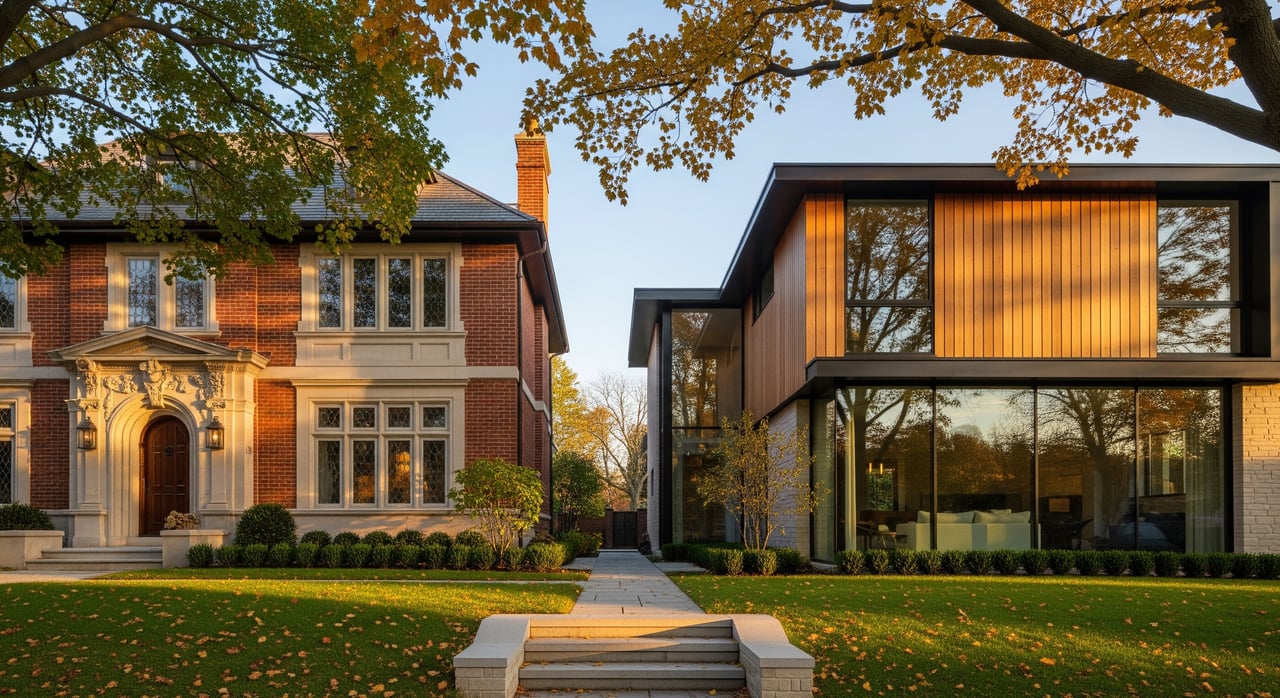
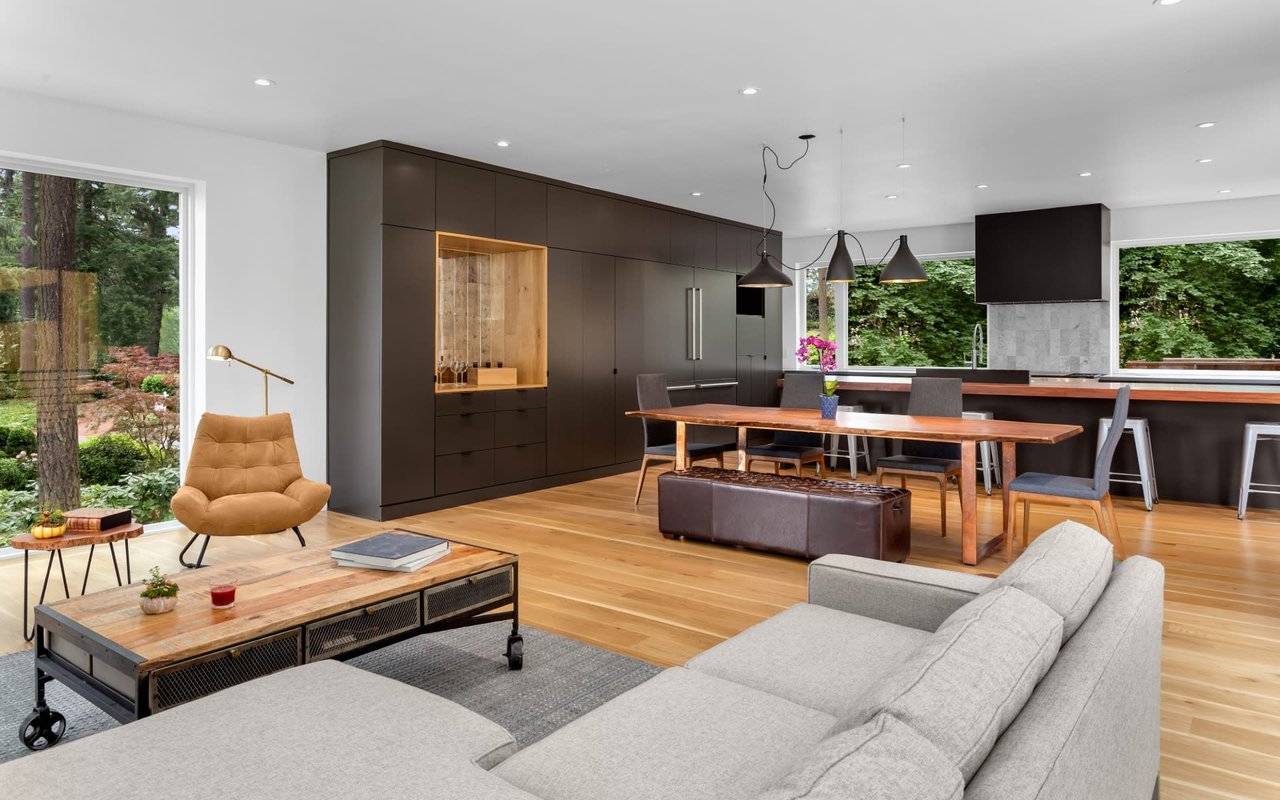
- Removing period fabric to create an open plan can alienate heritage-focused buyers and may face heritage objections
- Overexposed mechanicals and oversized equipment distract from original architecture
- Trendy finishes that clash with period details date quickly
- Skipping moisture control and envelope repairs risks damage to new kitchens and baths
Aim for sympathetic improvements that look like they belong to the home.
Timing your listing for maximum impact
Reserve high-visibility items for last. Fresh paint, gleaming floors, crisp landscaping, and warm landscape lighting deliver outsized impact in photos and at twilight showings. Finish exterior and lighting work within weeks of listing so everything feels new.
Ready to align your renovation plan with buyer expectations and market timing in Casa Loma? For a pricing review and exit strategy that protects character while maximizing value, request a complimentary valuation and schedule a confidential consultation with Barry Cohen Homes.
FAQs
What adds the most value in Casa Loma heritage homes?
- Sympathetic kitchen and main bath updates, discreet mechanical upgrades, and visible preservation of original windows, millwork, and floors typically drive the strongest buyer response.
Do I need a heritage permit in Toronto for exterior changes?
- Many designated or heritage-area properties require a heritage permit for exterior alterations and sometimes significant interior features; start with early consultation and plan for several weeks of review.
Are restored original windows energy efficient enough?
- Restored wood windows with weatherstripping and storm units, including interior secondary glazing, can approach the performance of new units while preserving appearance.
Which HVAC options work without hurting character?
- Ductless mini-splits, high-efficiency boilers serving radiators, and small-duct or carefully routed ductwork deliver comfort with minimal visual impact.
How should I budget for unknowns in an older Casa Loma house?
- Include a 15 to 25 percent contingency to cover latent defects, hazardous material abatement, and unforeseen conservation needs.
How long does a sympathetic renovation take before listing?
- Modest programs can finish in 3 to 6 months, while comprehensive projects often run 9 to 18 or more months including permitting; start early to fit a 12 to 24 month exit plan.