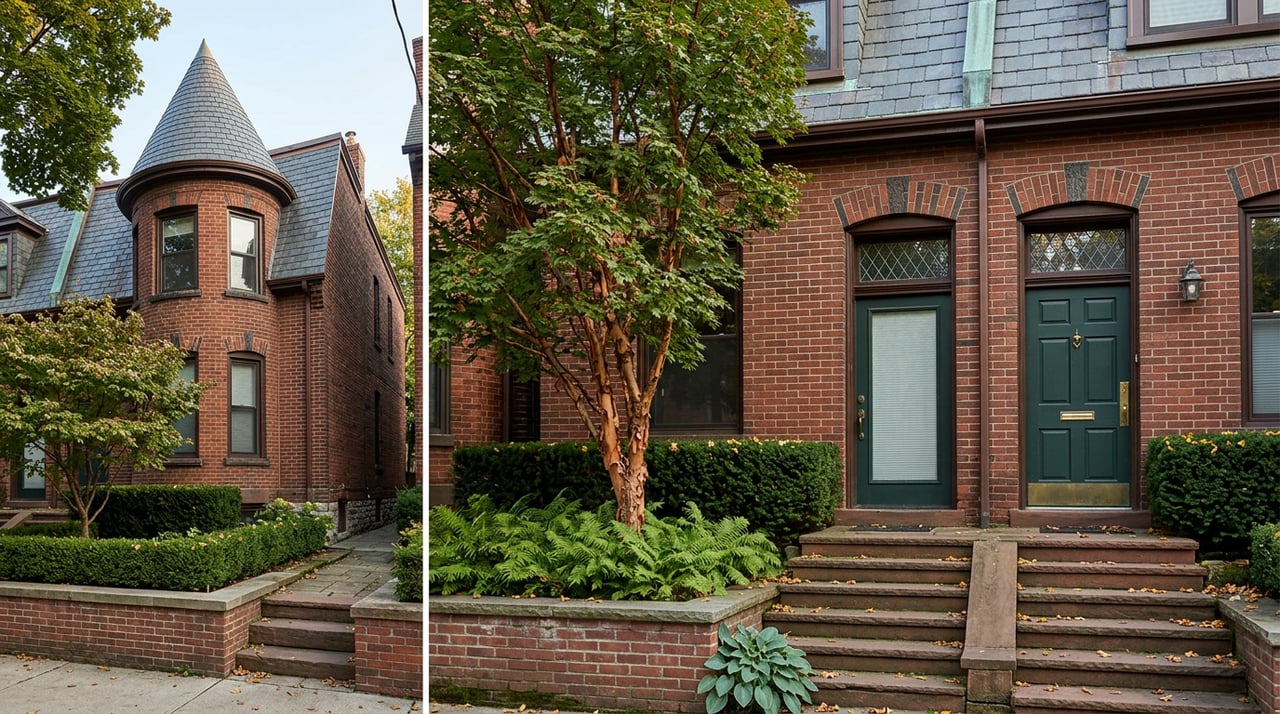
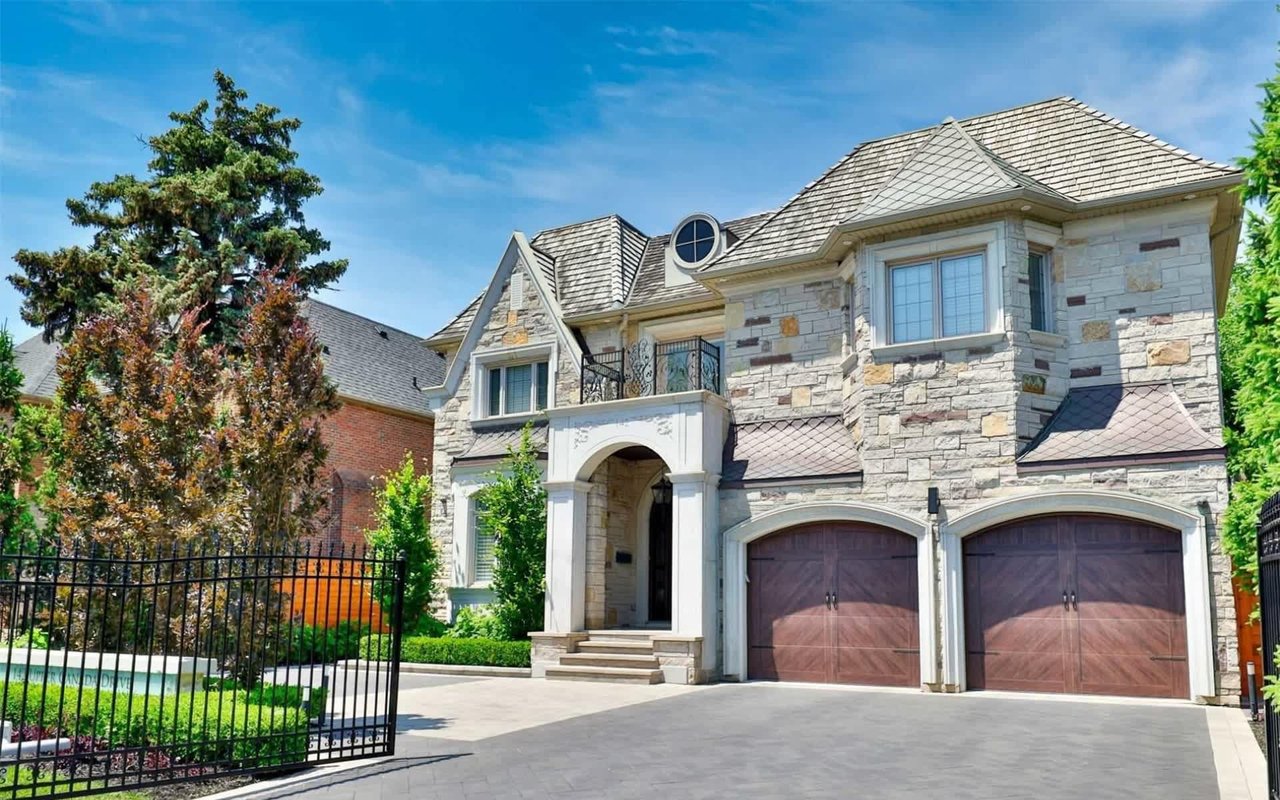
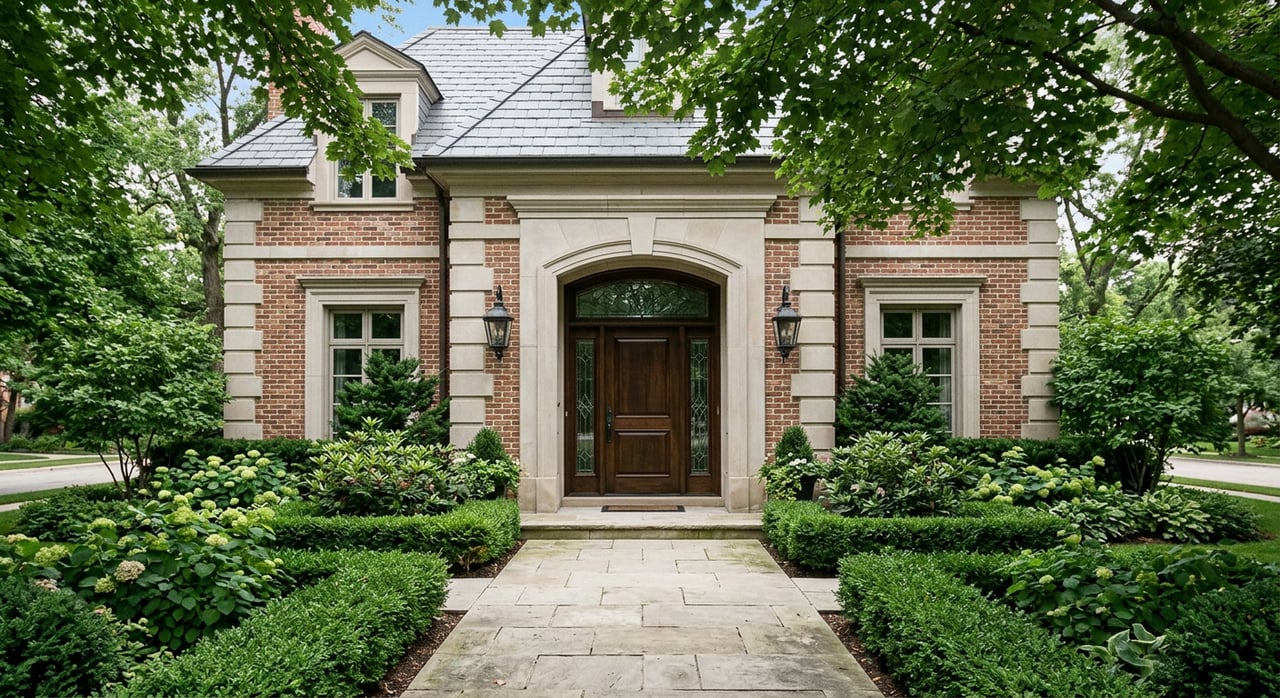
Thinking about buying in Rosedale and wondering how heritage status will affect your plans? You are not alone. Rosedale’s character is a big part of its appeal, and Heritage Conservation District designation helps protect that streetscape. With the right prep, you can buy confidently and renovate thoughtfully. In this guide, you will learn what an HCD is, how permits work, what to check before you offer, and how value and insurance are shaped by heritage rules. Let’s dive in.
Rosedale’s HCDs at a glance
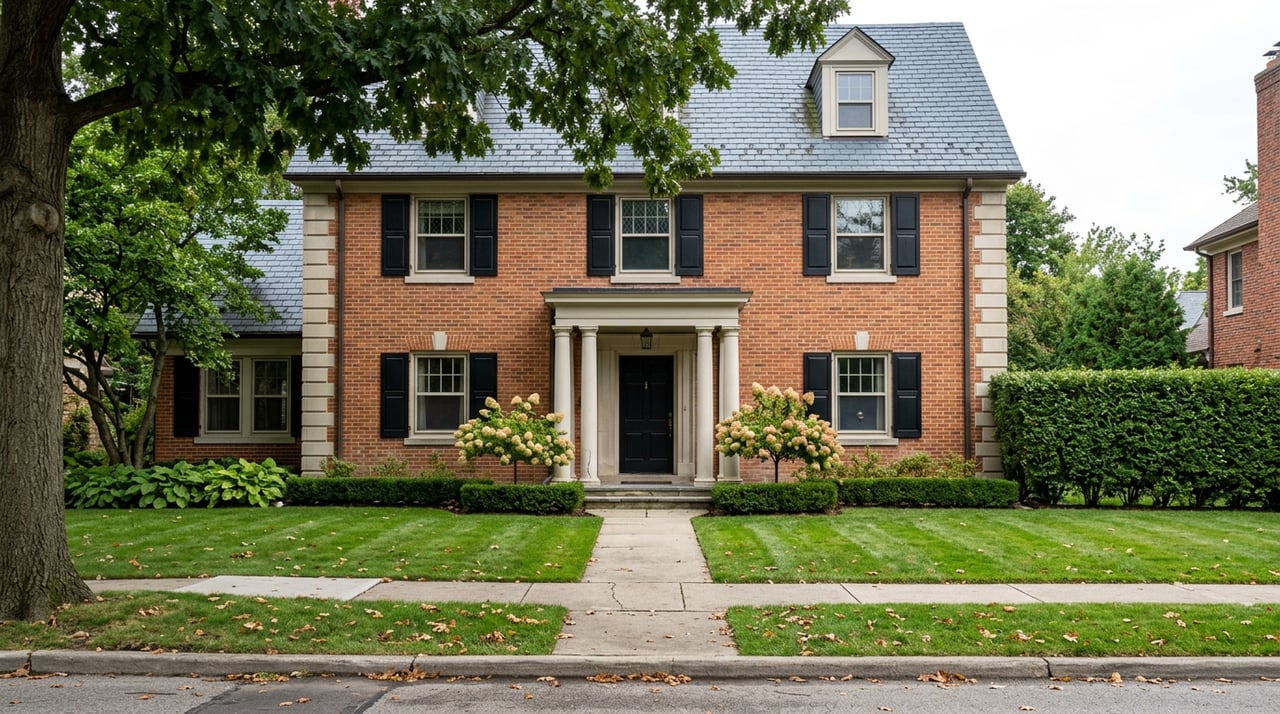
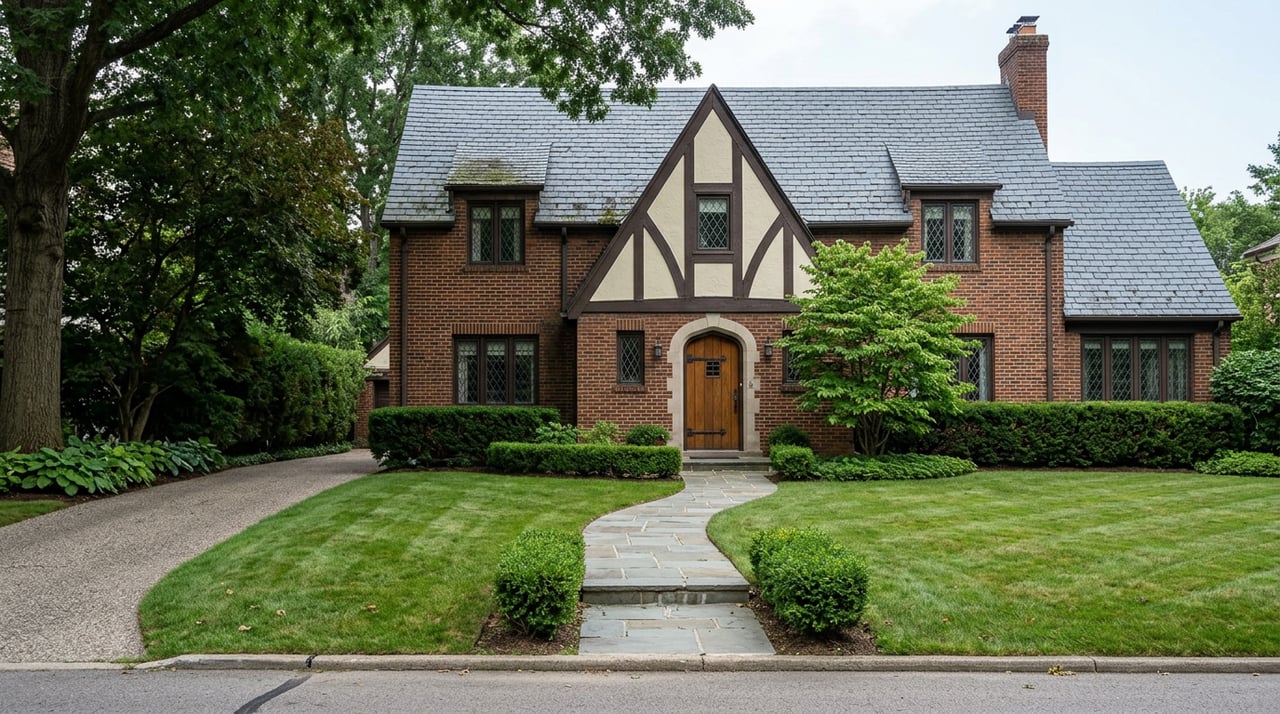
Rosedale includes two Heritage Conservation Districts under Part V of the Ontario Heritage Act: North Rosedale and South Rosedale. Being inside an HCD means exterior changes that affect the public view are guided by a City Council–approved HCD Plan. That Plan sets out the district’s heritage attributes and the rules for alterations, infill, and demolition. You can review the City’s overview of how HCDs work and why districts are created on the Heritage Preservation pages of the City of Toronto.
What the HCD Plan controls
An HCD Plan defines what is important about the streetscape, then aligns approvals to conserve that character. It lists classes of minor work that do not require a heritage permit and identifies when permits are needed. The Plan is the lens the City uses when reviewing applications, from small exterior changes to major additions.
North vs. South Rosedale specifics
Each district has its own Plan and adoption history. You can read the North Rosedale HCD Plan for detailed boundaries, streetscape character, and implementation tools. South Rosedale’s plan and reports provide similar guidance. City background files for South Rosedale also show how demolition is handled when a property is identified as “unrated,” as long as any replacement meets the district guidelines. One example is summarized in a City Council background report.
Why property ratings matter
HCD Plans often categorize properties as A/B/C or contributing/non-contributing. These ratings guide how the City treats demolition and major replacements. A contributing or A-rated house usually faces stricter conservation expectations than an unrated or non-contributing one. Before you buy, confirm the address’s category in the applicable Rosedale Plan because it drives feasibility, timelines, and design options.
How HCD status affects renovations
What usually needs a heritage permit
If a property is inside an HCD, most exterior work visible from the street requires a heritage permit. Minor classes of work may be exempt if the Plan says so. The City’s Heritage Permit Guide explains what triggers a permit, how to apply, and how proposals are reviewed. The City notes that standalone heritage permits typically have no fee, and minor applications are often processed quickly, with many approved in about a week.
Heritage vs. building and planning approvals
A heritage permit does not replace a building permit or any needed planning approvals. If you need a zoning variance, site plan approval, or other planning permissions, those run in parallel. For larger or more complex projects, the City may require a Heritage Impact Assessment and, in some cases, a Conservation Plan prepared by a qualified heritage consultant. The City’s Terms of Reference outline the scope and professional standards for these studies. You can find the requirements under Application Support Material: Terms of Reference.
Timelines, reviews, and precedent
Heritage Planning staff review submissions and can approve minor items under delegated authority. Bigger files can proceed to the Toronto Preservation Board, Community Council, or City Council. Some HCDs also have local advisory committees that comment on applications. When projects require variances, decisions can be appealed to the Toronto Local Appeal Body or, in some cases, to the Ontario Land Tribunal. Reviewing past Toronto Preservation Board or Committee of Adjustment decisions can help you gauge precedent in Rosedale.
Your buyer due diligence checklist
Use this step-by-step list to validate heritage status, costs, and feasibility before you commit.
- Confirm status and key documents
- Use the City’s Heritage Register and Property Search to see if the property is within a Part V HCD, designated individually under Part IV, or listed. Note which one applies.
- Download the district Plan for North or South Rosedale. Review the statement of significance, heritage attributes, demolition and infill guidance, and the property’s rating category. For North Rosedale, start with the HCD Plan.
- If the property is designated under Part IV, obtain the designation by-law and the reasons for designation so you know the specific attributes protected.
- Review permit history and municipal files
- Ask for copies of any previous heritage permits, building permits, Heritage Impact Assessments, or Conservation Plans. This shows what was approved and any conditions.
- Check for past variances or appeals. The Committee of Adjustment’s process and published Notices of Decision are outlined in the City’s Participation Handbook. These decisions often include heritage-related conditions and provide local precedent.
- Check title for encumbrances
- Order a title search to see if a heritage easement agreement or other covenants are registered. Easements can impose long-term conservation obligations on current and future owners. The City routinely registers such agreements on title and publishes examples in its by-law library.
- Inspect the site and ask technical questions
- During your visit, look for exterior changes that may have needed approval, such as new windows with non-period profiles, recent cladding, or a visible addition. Ask the seller to provide permit records for any exterior work.
- If older systems are present, such as knob-and-tube wiring, obtain a building inspection and speak with insurers in advance. The City and insurer guidance encourage early discussion where older systems exist. The City of Guelph’s consumer guide on insuring heritage properties outlines common issues to confirm.
- Pre-consult with the City and professionals
- Consider an informal pre-application discussion with Heritage Planning staff to confirm whether your intended work is minor or will require an HIA or Conservation Plan. The Heritage Permit Guide explains how to connect with the City and streamline submissions.
- If a large addition, façade replacement, or demolition is likely, budget time and fees for a qualified heritage consultant. The City’s Terms of Reference set content and qualifications for HIAs.
- Get insurance quotes and cost assumptions
- Request quotes that include by-law or ordinance coverage, and verify how replacement costs will handle heritage-appropriate materials and specialist trades. Municipal and insurer guidance indicates that age, systems, and rebuild scope drive premiums more than designation itself. The Guelph guide to insuring heritage homes is a practical reference.
- Ask the seller for a full document set
- Request heritage permits and decisions, any HIA or Conservation Plan, building permits, Committee of Adjustment or TLAB decisions, correspondence with Heritage Planning, copies of any registered heritage easement agreements, recent conservation cost estimates, and the current insurance policy or renewal quote.
- Use buyer protections in your offer
- Consider conditions for heritage due diligence, building inspection, insurance satisfactory to the buyer, and a City pre-consultation where you plan a specific renovation. These allow you to confirm feasibility and costs before you are firm.
Value and insurance: what to expect
Resale and value trends
Research does not show a clear, across-the-board price penalty from heritage designation. In fact, several analyses report neutral to positive effects when controlling for other factors. A 2023 study from McMaster’s Research Shop found a positive association between designation and sale price in the sample analyzed. You can review the study, which municipalities often cite, in the McMaster Research Shop report. The City of Toronto’s HCD resources also summarize this body of research. In practice, value remains site and market specific, but you should not assume designation reduces marketability.
Insurance and rebuild cost
Insurers focus on the building’s age and condition, legacy systems, the cost to match heritage materials and craftsmanship, and any regulatory costs to rebuild to current code while meeting heritage obligations. Owners are typically advised to carry by-law or ordinance coverage and confirm replacement-cost assumptions in writing. The City of Guelph’s homeowner guide to insuring heritage homes is a helpful checklist to use with your broker. Obtain quotes early, and allow time to place coverage if specialist underwriting is needed.
Common red flags and negotiation levers
- Unpermitted exterior changes visible from the street. Ask for permits and approvals. Unpermitted work can trigger enforcement or require costly remediation. The City’s HCD resources explain how exterior changes are managed within districts on the HCD overview page.
- Extensive Part IV designation or a registered heritage easement. These can carry detailed obligations for alterations. Confirm documents through the Heritage Register and title search.
- Recent refusals or active appeals. Review Toronto Preservation Board and Council files for the address. The South Rosedale background report provides examples of how the City frames decisions in context of the Plan. See the Council background file.
- Outdated systems that insurers flag. Where knob-and-tube wiring or similar conditions exist, your insurer may require remediation before binding. Use the Guelph guide as a consumer checklist when speaking with brokers.
Levers to consider at the table:
- Request recent conservation estimates and official approvals. If required work is identified, negotiate credits, escrow, or a price adjustment tied to credible quotes.
- Where your renovation plans are central to the purchase, make a City pre-consultation with Heritage Planning a condition. A short staff note on likely requirements can de-risk your project.
Bottom line for Rosedale buyers
HCD designation in Rosedale protects what you love about the neighborhood’s character. It does not freeze homes in time, nor does it block thoughtful renovation. Your best path is to read the applicable district Plan, confirm the property’s rating and any title restrictions, align your renovation scope with the City’s process, and budget time for reviews on major projects. With that prep, you can preserve value and create a home that fits your life and the district.
If you are weighing two or three addresses in North or South Rosedale, a focused due diligence plan can clarify which one best fits your timeline and vision. For curated guidance and introductions to the right consultants, connect with Barry Cohen Homes for a confidential conversation.
FAQs
What is a Heritage Conservation District in Rosedale?
- It is a Part V designation under the Ontario Heritage Act that applies to all properties within the district boundary and uses a Council-approved Plan to guide exterior changes visible from the street, as outlined by the City of Toronto.
Do I need a permit to change windows in an HCD?
- If windows are visible from the street, a heritage permit is typically required unless the HCD Plan lists the work as minor and exempt; check the Heritage Permit Guide and the specific Rosedale Plan.
How long do heritage permits take in Toronto?
- The City indicates minor heritage permits are often processed quickly, with many approvals in about a week, and standalone heritage permits generally have no fee; larger files take longer and may require studies per the Heritage Permit Guide.
Does heritage designation lower resale value in Rosedale?
- Studies summarized by municipalities, including a 2023 McMaster analysis, generally find neutral to positive associations between designation and sale prices; see the McMaster Research Shop report.
How should I insure a heritage-designated home?
- Get quotes that include by-law or ordinance coverage and confirm replacement-cost assumptions for heritage materials and specialist trades; the City of Guelph’s consumer guide to insuring heritage homes is a practical checklist to use with your broker.