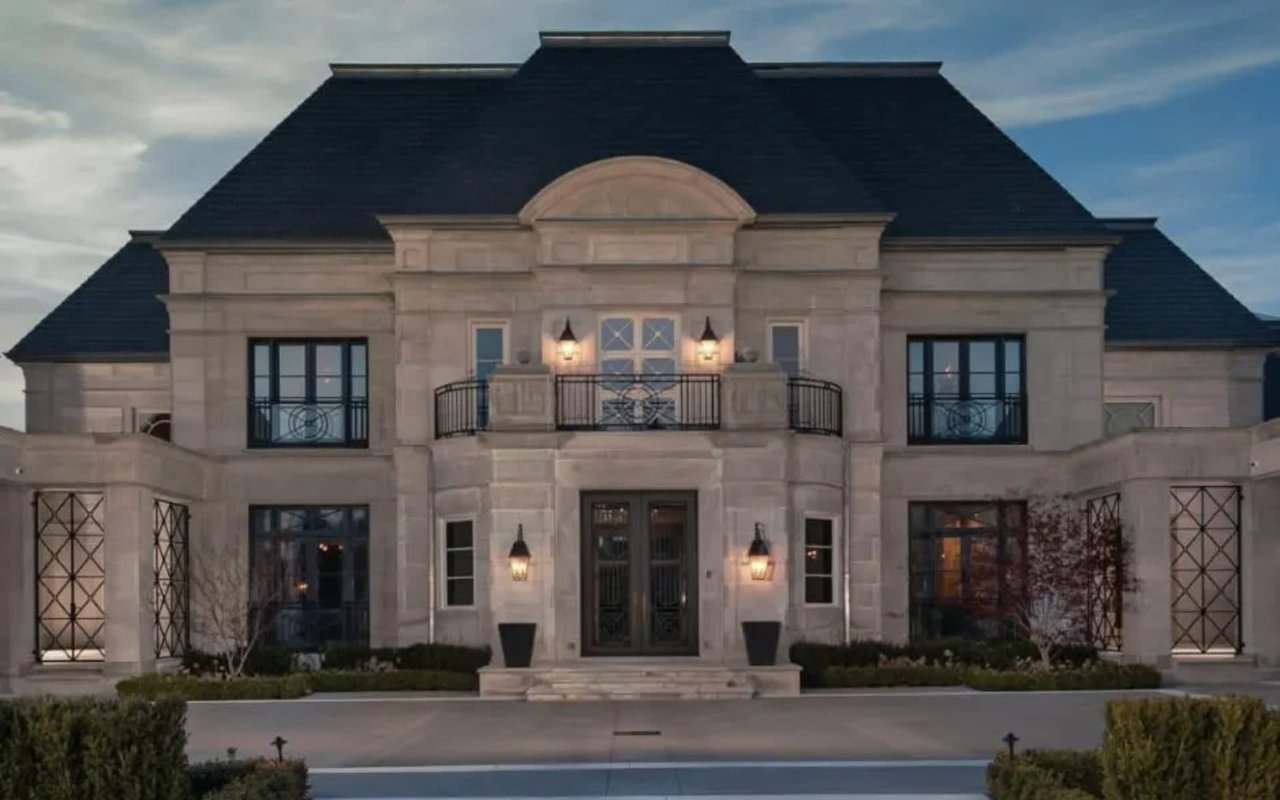
If you have ever wondered why two beautiful Casa Loma homes can sell at very different prices despite being close to one another, the answer often starts with the land itself. In this part of Toronto, elevation, escarpment positioning, and ravine relationships can shape privacy, views, future flexibility, and ultimately value. If you are buying or selling in Casa Loma, understanding those value premiums can help you judge a property more clearly and negotiate with more confidence. Let’s dive in.
Why Topography Matters in Casa Loma
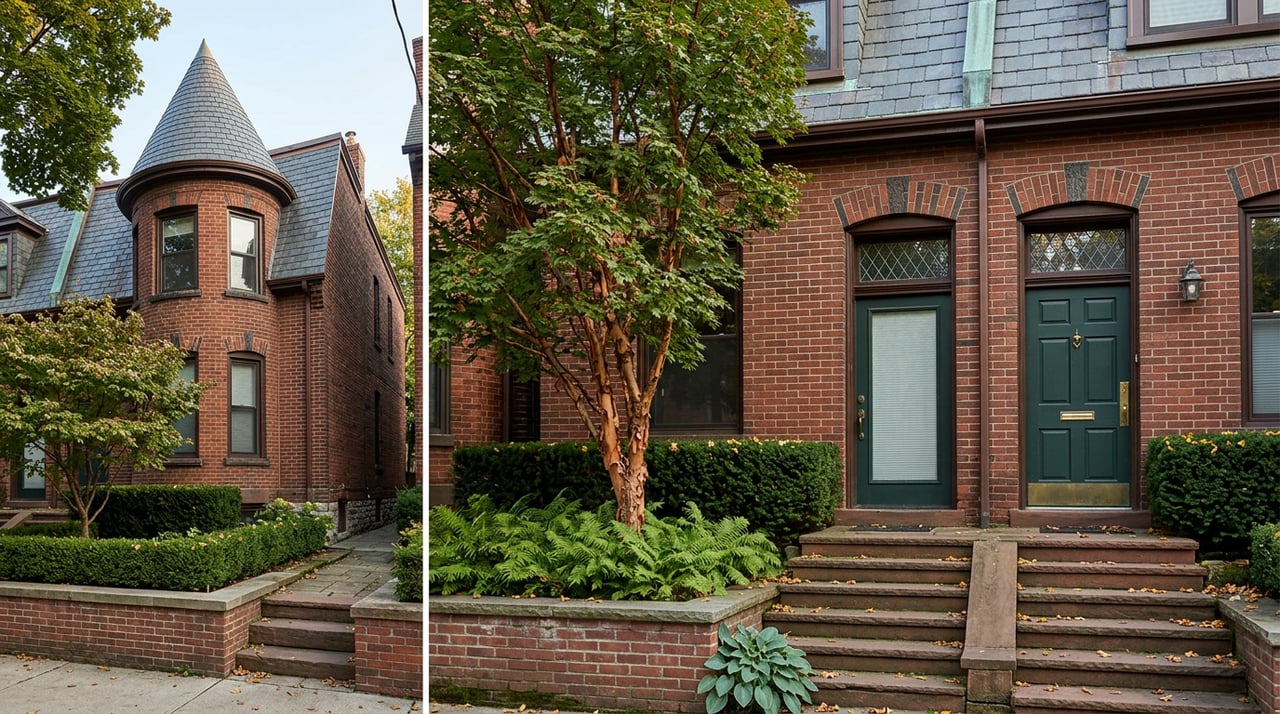
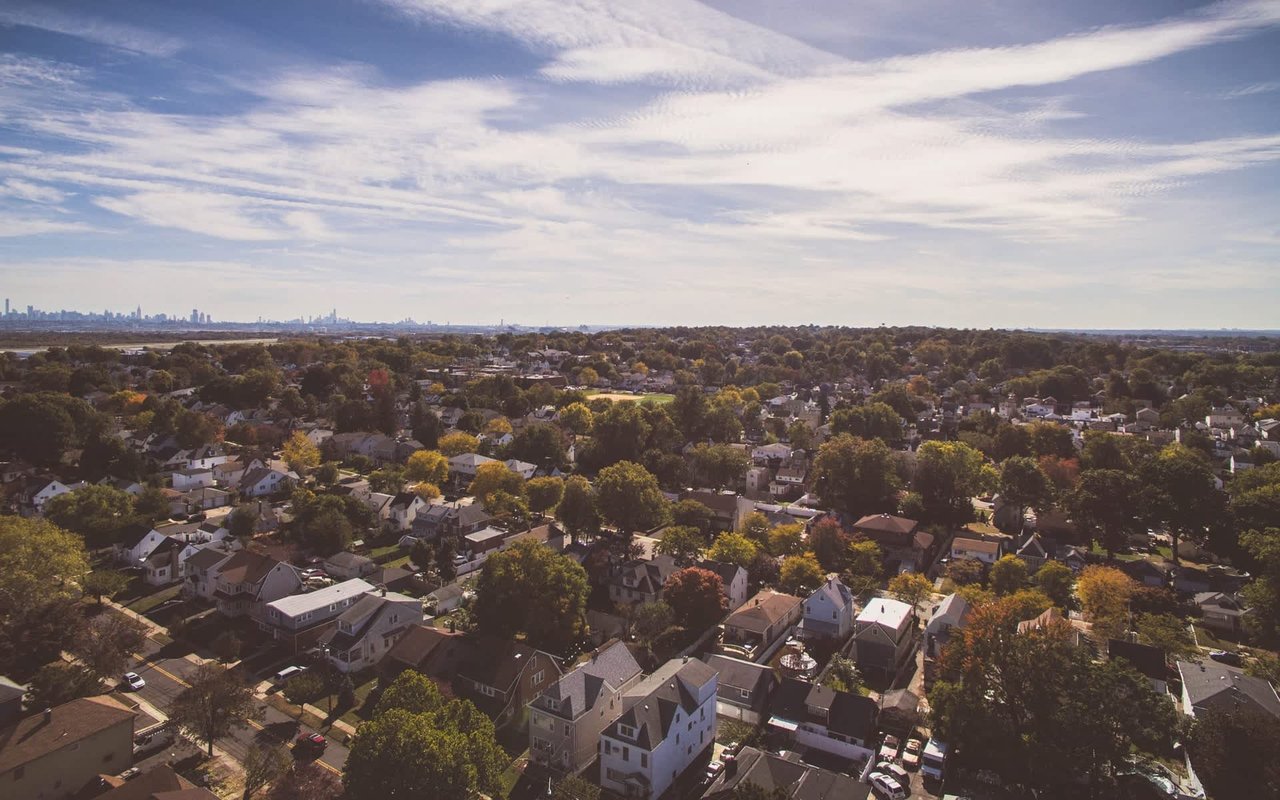
Casa Loma is not a flat, uniform neighbourhood. According to the City of Toronto’s Casa Loma heritage planning study, the area developed as an exclusive residential enclave atop the Davenport Escarpment, where broad views and a park-like setting were part of its original appeal.
That history still matters today. The same city materials point to topography, mature trees, lot consistency, and setbacks as part of the neighbourhood’s character, which helps explain why site-specific features can carry real pricing power in Casa Loma.
This also remains a largely low-rise housing market. Toronto’s 2016 neighbourhood profile for Casa Loma counted 5,405 occupied private dwellings, including 4,515 non-condo homes and 890 condos, reinforcing how much lot shape, slope, and siting can matter here.
What Creates a Premium
In Casa Loma, a hillside or ravine premium is rarely about one feature alone. It is usually a bundle of advantages that work together, including view quality, privacy, tree canopy, and how usable the lot feels day to day.
Appraisal research supports that idea. An Appraisal Journal study on scenic views explains that view value is highly site-specific and depends on the actual geometry of the property, surrounding topography, and the quality of the sightline, not simply whether a home has a “view.”
That means two adjacent homes may not command the same premium. One home might have a wider or more protected view corridor, while the other may look into tree cover or nearby built form.
Elevated Position and Sightlines
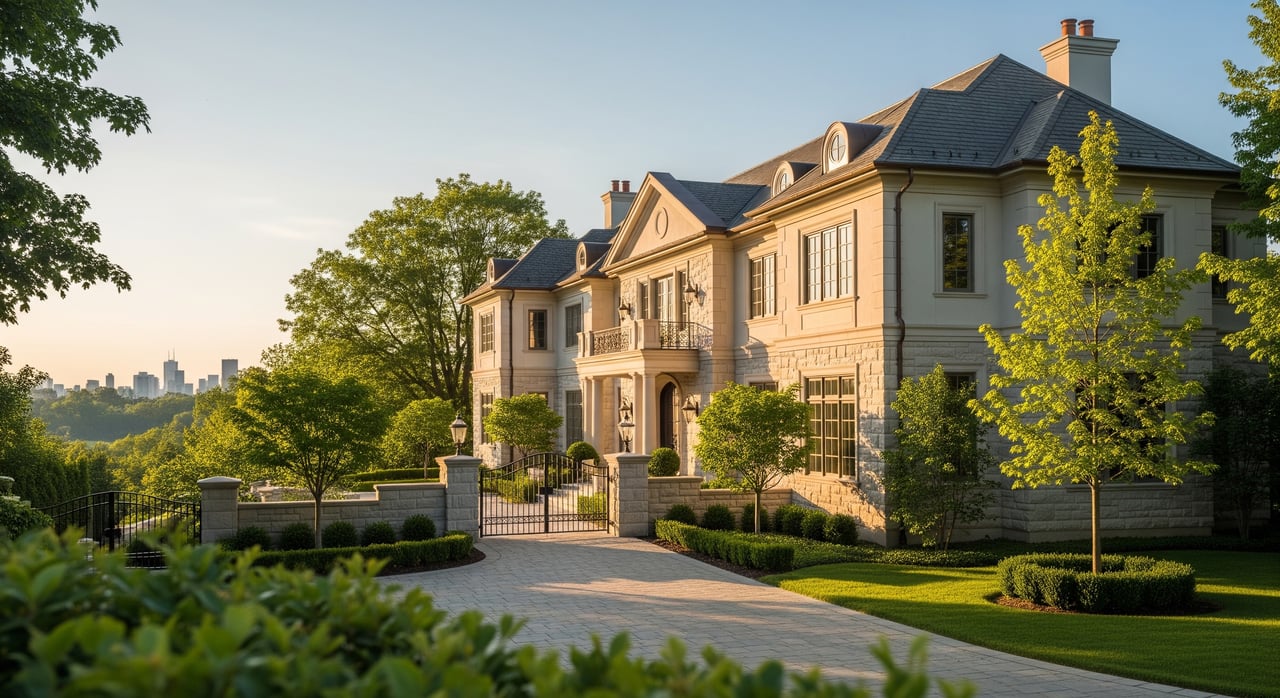
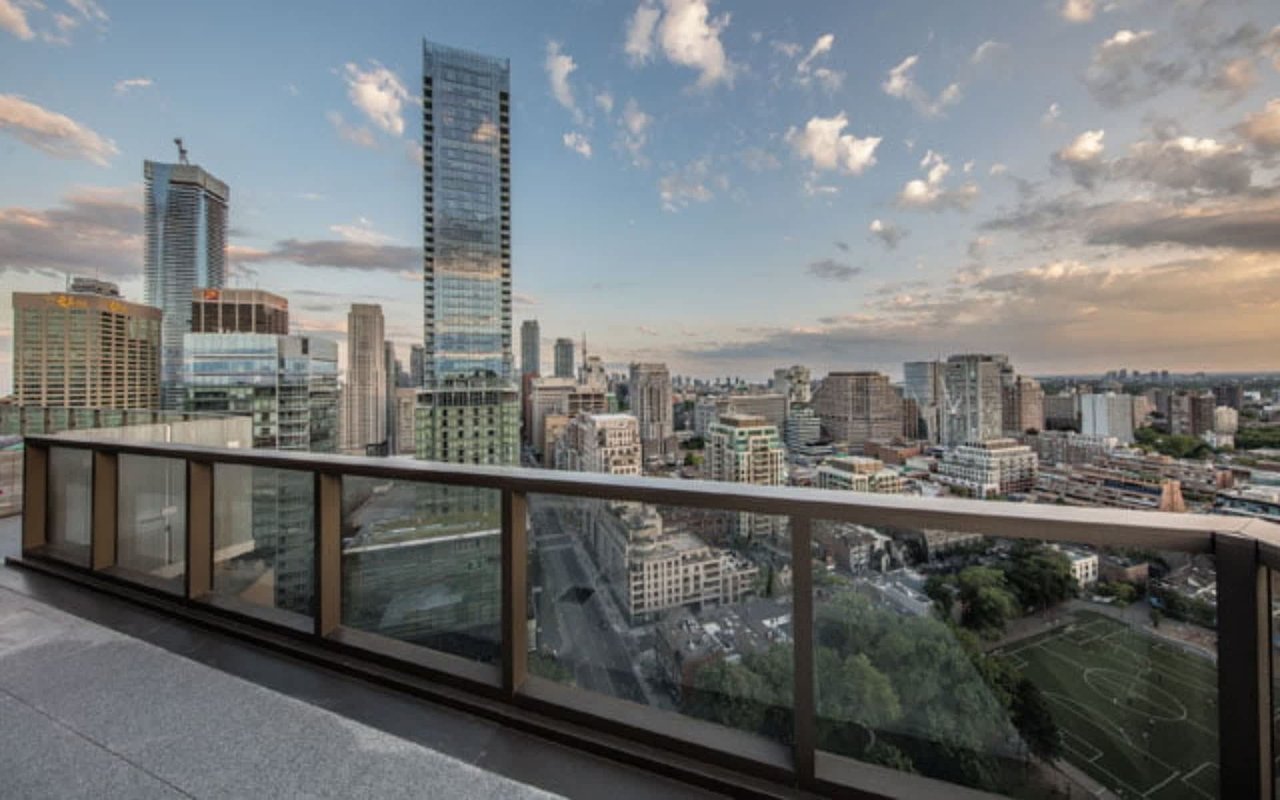
Homes set higher along the escarpment often benefit from longer sightlines and a greater sense of separation from surrounding streets. In practical terms, that can create a more open visual experience and a stronger feeling of calm, which many buyers value in an urban setting.
In Casa Loma, this kind of elevated siting is part of the neighbourhood story. When it combines with architecture, mature landscaping, and a well-oriented lot, it can support a meaningful price premium.
Privacy and Mature Tree Canopy
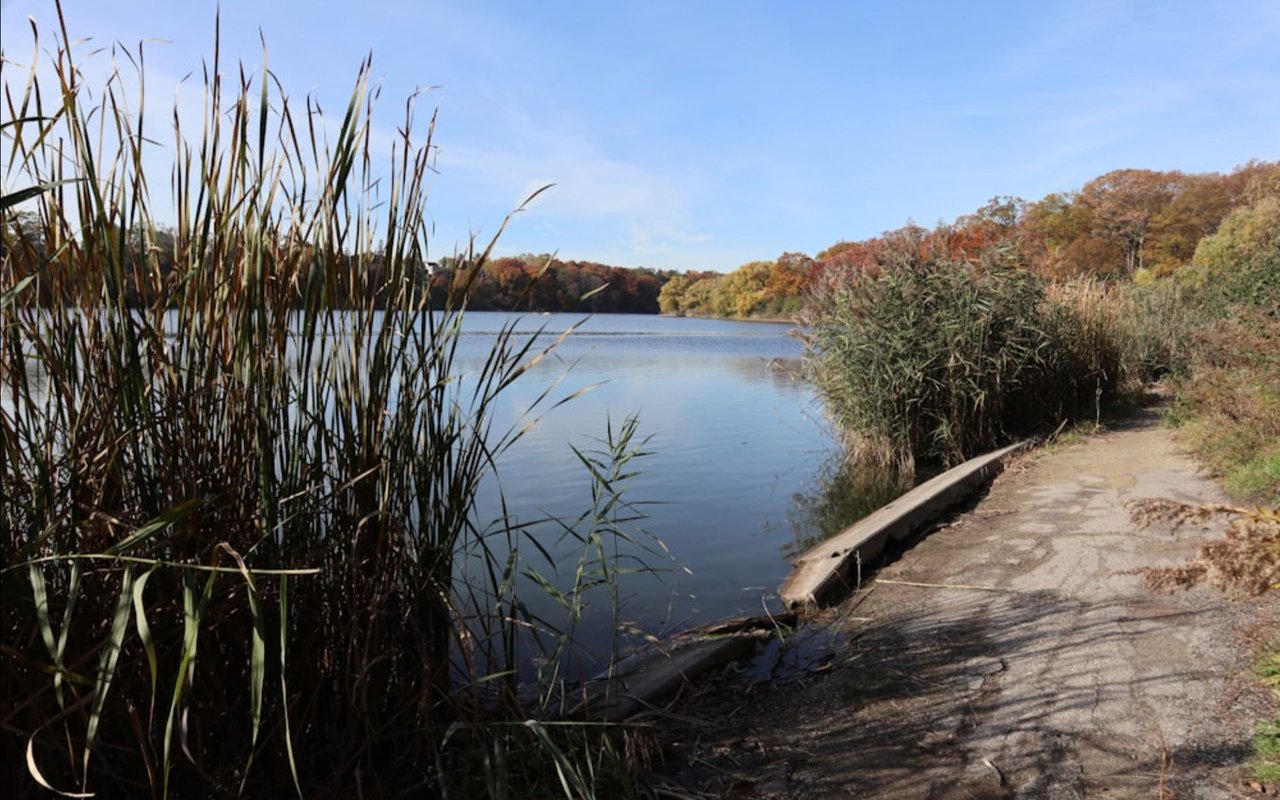
Not every premium comes from a dramatic skyline view. In many cases, buyers respond just as strongly to privacy, filtered greenery, and a landscaped backdrop that feels sheltered and established.
Research on urban parks and greenspace value shows that green surroundings can add value, but the effect depends on quality, maintenance, accessibility, and how positively the setting is perceived. In other words, a green edge only becomes a premium when it feels attractive and functional.
Usable Outdoor Space
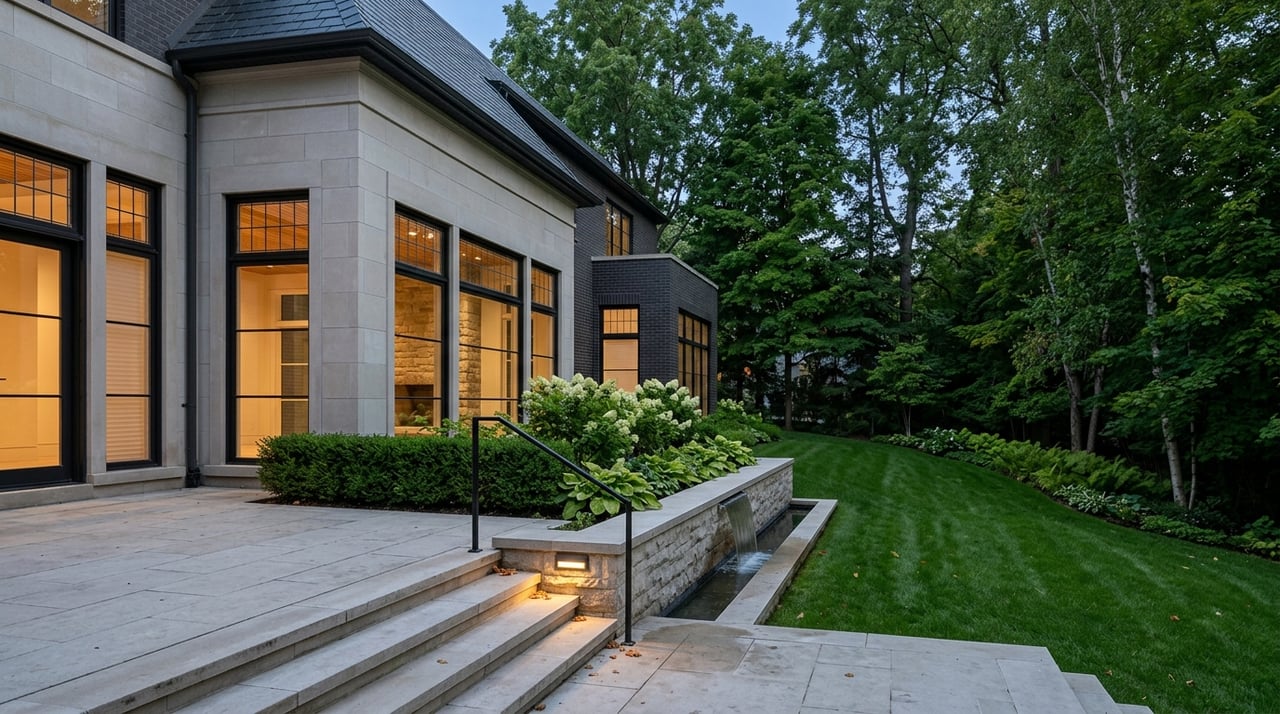
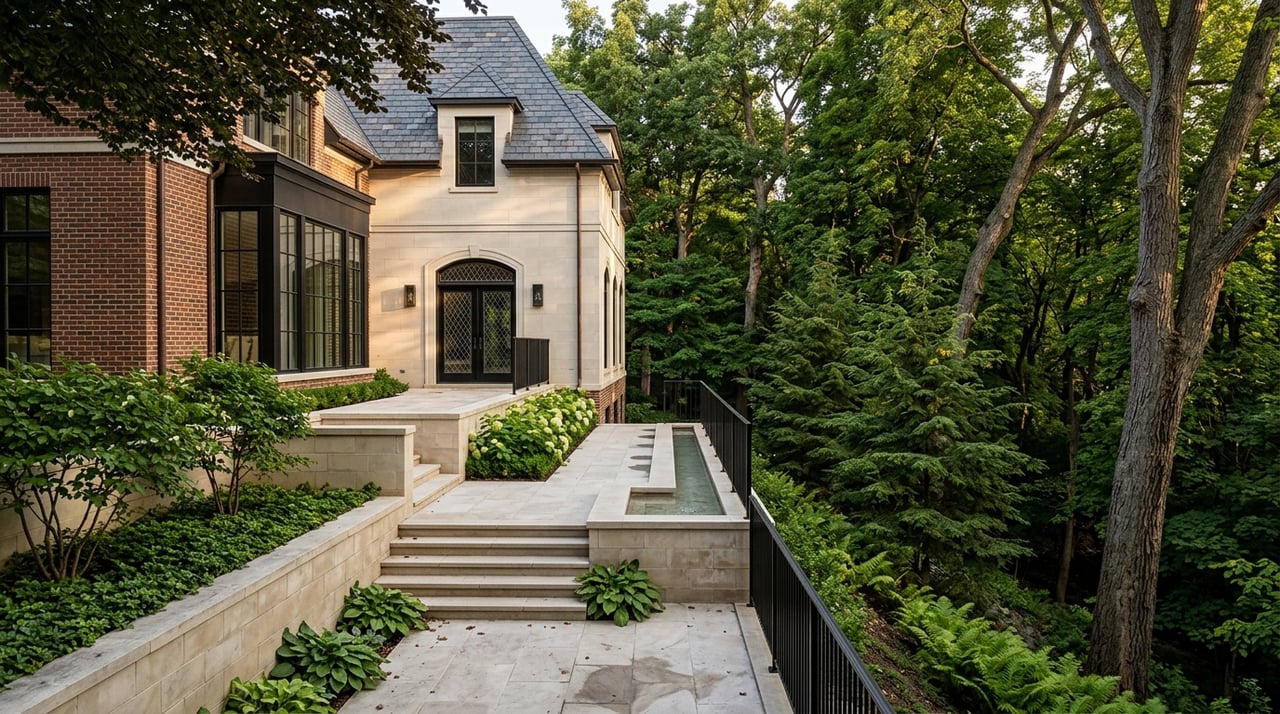
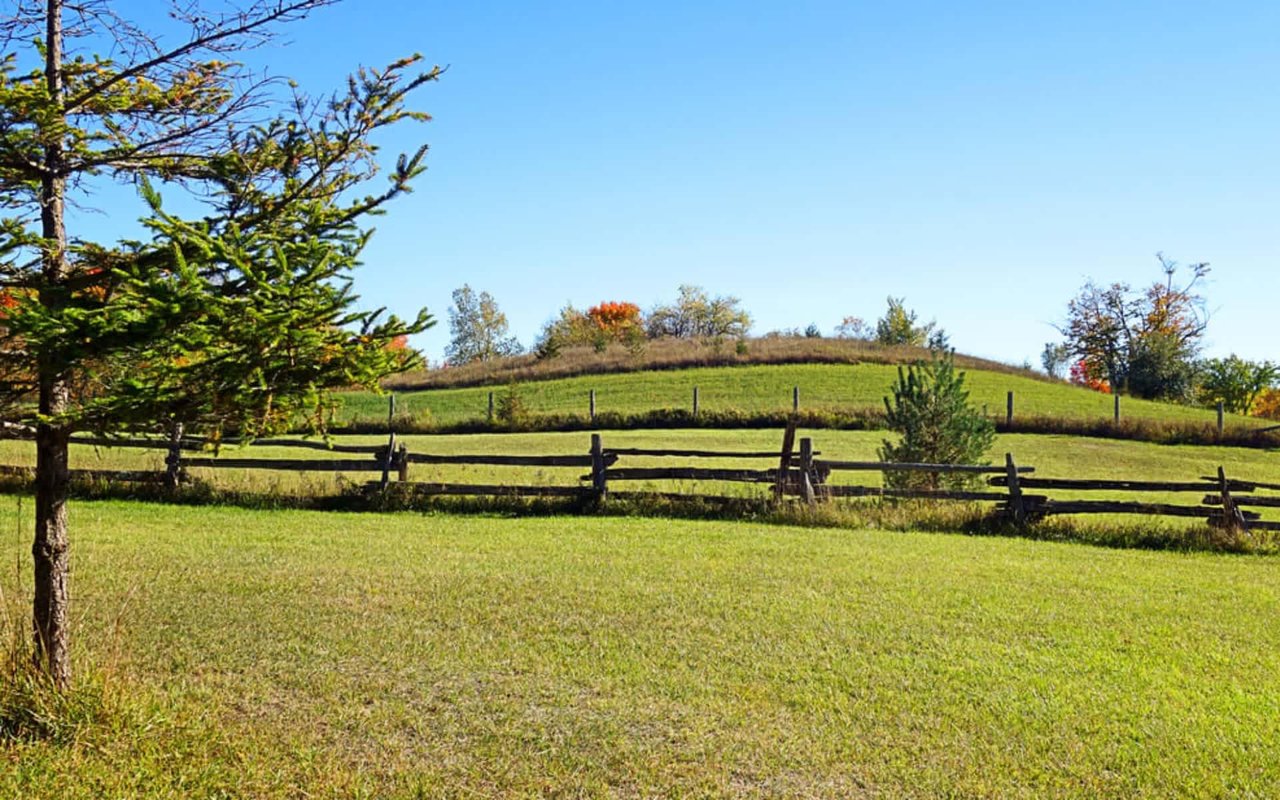
A sloped lot can be beautiful, but not every sloped lot is equally useful. A property with a flat terrace, a practical rear garden, or well-designed outdoor living areas may outperform a nearby property that offers similar views but less usable space.
This is one reason buyers should look beyond the headline feature. A ravine-side or hillside setting may feel special, but the best-value properties usually balance natural beauty with everyday usability.
What Can Limit the Premium
The same features that make a Casa Loma property appealing can also create friction. Steeper grades, ravine conditions, and regulatory controls can limit what you can build, change, or maintain over time.
For buyers and sellers, this is where value becomes more nuanced. A premium setting can still be worth more, but only if the trade-offs are understood and priced correctly.
Ravine and Top-of-Bank Constraints
The City of Toronto’s low-rise ecology guidance defines a development setback of 10 metres from the top-of-bank of a valley, ravine, or bluff, and notes that unstable top-of-bank conditions may require even larger setbacks.
That matters because setbacks can reduce where future additions, landscape features, or structural improvements may be possible. If a property falls within a ravine-protected area, the approval process may also require more documentation and longer review timelines.
Permits and Approval Complexity
The City notes that work in protected areas can trigger review items such as surveys, site plans, arborist reports, landscape plans, grading plans, and geotechnical reports through its tree and ravine permit process.
For you as a buyer, that can affect renovation plans, exterior upgrades, hardscaping, and even tree-related work. For you as a seller, it can influence how buyers assess future flexibility, which in turn can affect offers.
Slope Stability and Drainage Risk
Natural beauty does not remove physical risk. The Toronto and Region Conservation Authority’s Yellow Creek project update highlights erosion and slope-stability issues near Heath Street East that were creating risk to private property and affecting public access.
That example is not a judgment on every ravine-adjacent property in Casa Loma. It is a reminder that slope conditions, retaining structures, drainage, and erosion exposure deserve serious due diligence.
Access, Parking, and Event Traffic
Street convenience can also shape value. The City’s Casa Loma transportation management and mitigation plan reflects the reality that special-event traffic and parking demands can affect access on some streets.
For a luxury buyer, convenience is part of the ownership experience. If a property offers strong views and privacy but more challenging access or parking conditions, the premium may narrow compared with a similarly positioned home on a more convenient street.
How Buyers and Appraisers Evaluate Value
If you are trying to understand whether a hillside or ravine property is truly worth more, the best approach is not to ask whether it has a premium. The better question is why it has one, and whether the evidence supports it.
According to the Appraisal Institute of Canada’s consumer guide, appraisers look at recent comparable sales and adjust for differences in location, characteristics, and amenities. AIC guidance also treats topography, lot size, view, and land-use controls as distinct comparison points.
That framework is especially useful in Casa Loma because no two hillside or ravine lots are exactly alike. Small differences in orientation, setback constraints, or outdoor usability can lead to large differences in perceived value.
The Four-Part Value Bundle
A practical way to think about Casa Loma premiums is as a four-part bundle:
- View quality
- Privacy
- Usable site area
- Regulatory simplicity
A home with all four may justify a stronger premium. A home with only one or two may still be desirable, but its pricing case is usually weaker.
What Buyers Should Review
Before you make an offer on a hillside or ravine-adjacent home, it is smart to review:
- survey and property boundaries
- whether the survey shows an RNFP line or ravine-protected area
- drainage patterns, retaining walls, and slope conditions
- driveway and stair grades
- whether planned tree or exterior work will require permits
- whether the current view corridor is likely to remain open
These checks can help you understand not just the beauty of the site, but also its limitations and long-term ownership realities.
When a Steep Lot Becomes a Liability
A steep lot becomes harder to price as a premium when the practical compromises start to outweigh the lifestyle benefits. That can happen when usable yard space is limited, drainage is complicated, maintenance becomes more involved, or future improvements face significant approval barriers.
This does not mean steep lots are undesirable. It means buyers tend to pay the most when a dramatic site still feels manageable, functional, and predictable.
How the Broader Market Fits In
Casa Loma remains a small, highly specific market where quarterly numbers can move around. TRREB’s Q3 2025 community report for Toronto C02 showed 24 sales in Casa Loma, with an average price of $2,105,875, a median price of $1,278,000, 52 active listings, and 48 average days on market.
Because the number of sales is limited, averages can swing quickly. That makes property-level analysis even more important, especially when you are dealing with unique lots where premium features are not interchangeable.
What This Means for Buyers and Sellers
If you are buying in Casa Loma, it helps to separate emotional appeal from durable value. A beautiful ravine backdrop or elevated setting can be worth paying for, but only when you understand how the view, privacy, usability, and restrictions work together.
If you are selling, the goal is to present those attributes with precision. The strongest outcomes usually come from showing not just that your home is well located, but that its specific lot offers a better combination of outlook, privacy, usability, and future flexibility than competing properties.
In a neighbourhood as nuanced as Casa Loma, topography is never just scenery. It is part of the value story, and understanding that story can make all the difference when it is time to buy, price, or position a home. If you would like discreet guidance on evaluating or marketing a premium property in Casa Loma, connect with Barry Cohen Homes.
FAQs
Which Casa Loma properties are most likely to command a view premium?
- Homes with elevated siting, longer and more open sightlines, mature tree framing, and privacy are generally better positioned to command a view-related premium.
When does a steep lot in Casa Loma become a liability?
- A steep lot may become a liability when limited yard usability, drainage concerns, retaining-wall needs, or permit complexity reduce buyer confidence or future flexibility.
How do ravine protections affect Casa Loma home value?
- Ravine protections can influence value by adding setbacks, limiting future work, and creating longer approval paths for changes to landscaping, trees, or structures.
Do appraisers adjust for topography and views in Casa Loma?
- Yes. AIC guidance indicates that appraisers compare recent similar sales and adjust for factors such as topography, view, lot characteristics, and land-use controls.
Is a Casa Loma address alone enough to justify a hillside premium?
- No. The strongest premiums are usually tied to the specific property’s view quality, privacy, usable site area, and regulatory simplicity rather than the address alone.