If you own a home in Lytton Park, your next move is rarely a simple square-footage decision. You may be weighing a larger house for changing family needs, a smaller home for less upkeep, or a renovation that lets you stay put in a location you already love. In a neighborhood where housing, school assignment, walkability, and recent sales can vary meaningfully from one block to the next, the right answer depends on more than broad Toronto headlines. Let’s break down how to think through an upsize, downsize, or renovation in Lytton Park.
Why Lytton Park Moves Are Unique
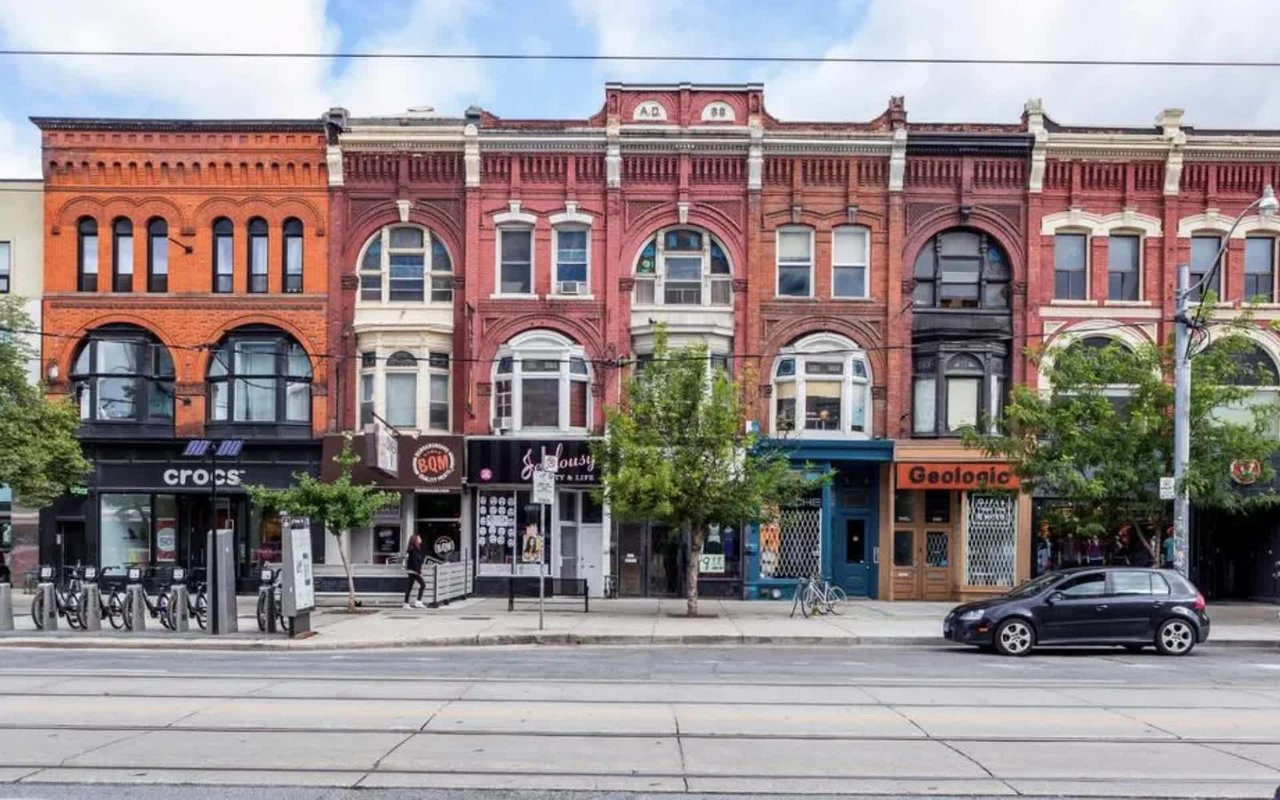
Lytton Park is a well-established residential neighborhood bounded generally by Lawrence Avenue West, Yonge Street, Briar Hill Avenue, and Bathurst Street, with Avenue Road running through it and a commercial strip along Yonge Street, according to the City of Toronto planning framework. That layout gives you a mix of quiet residential streets and practical access to daily amenities.
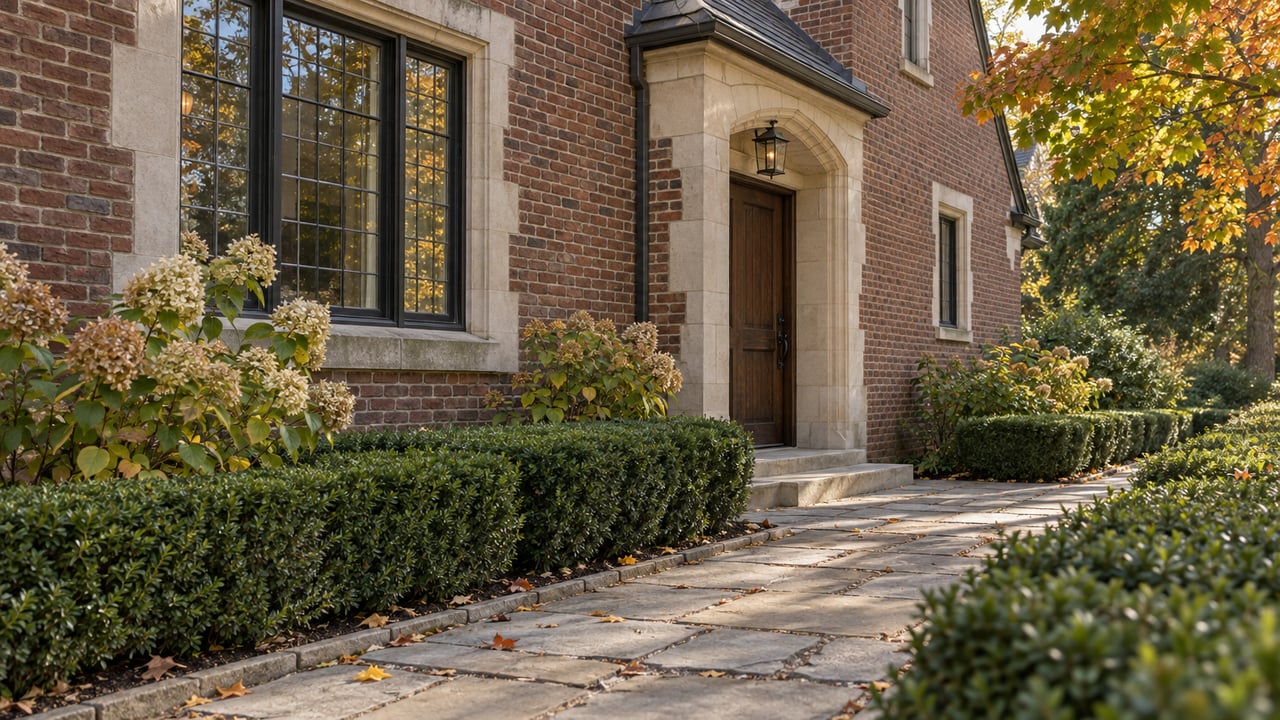
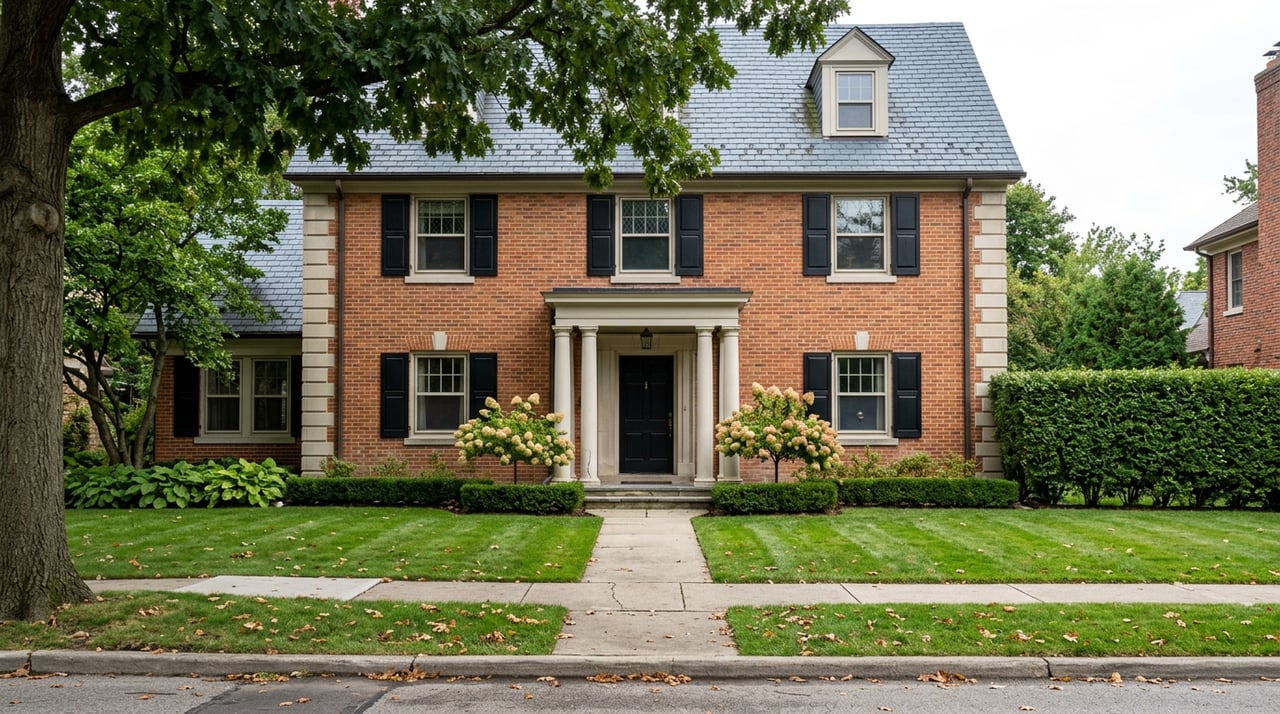
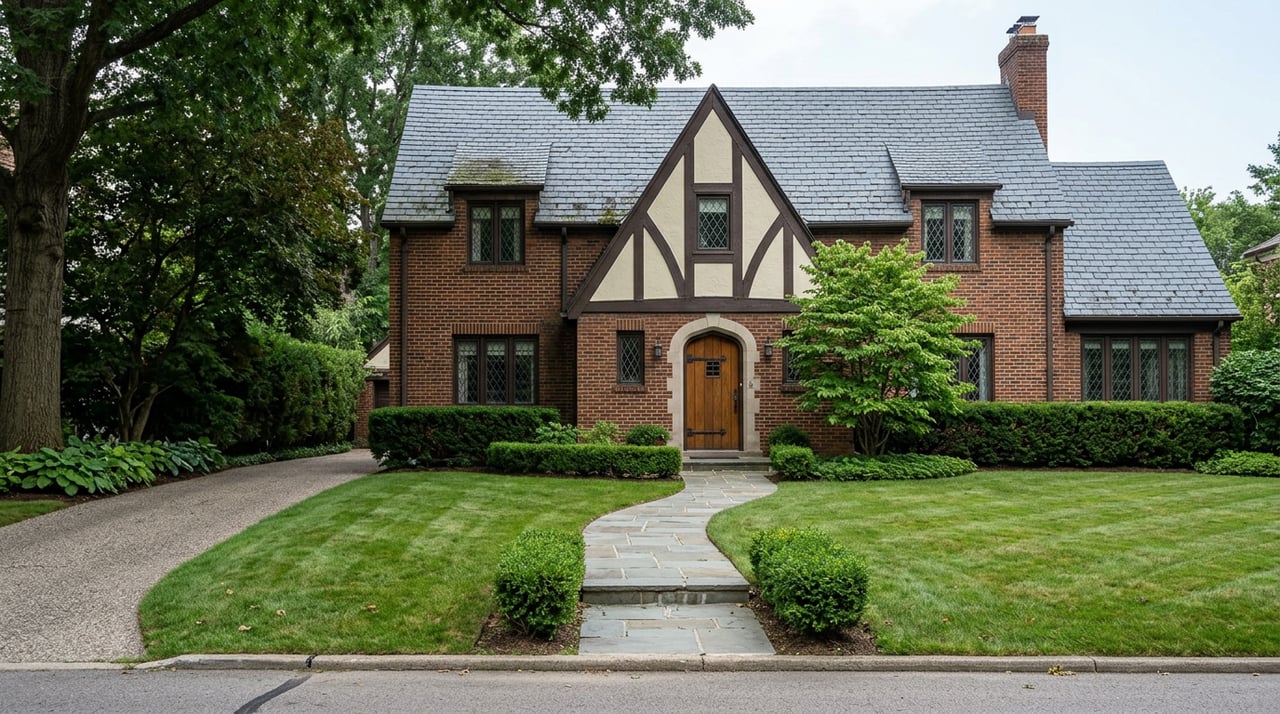
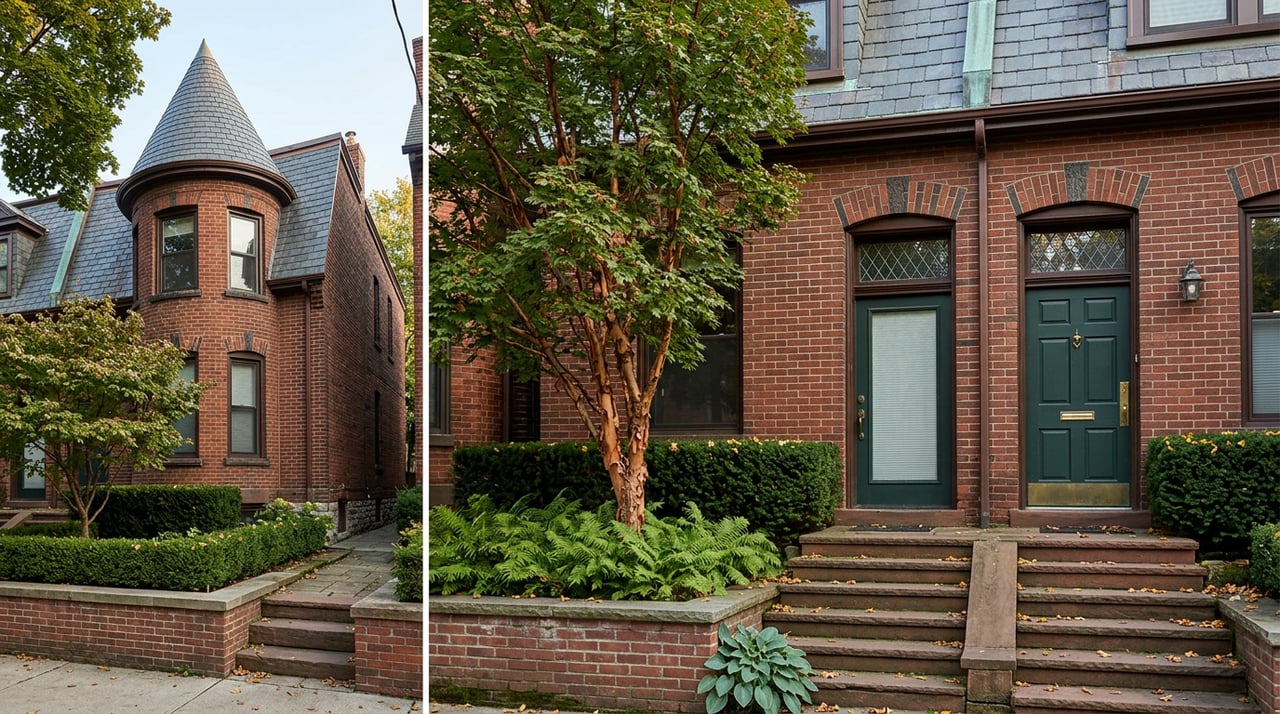
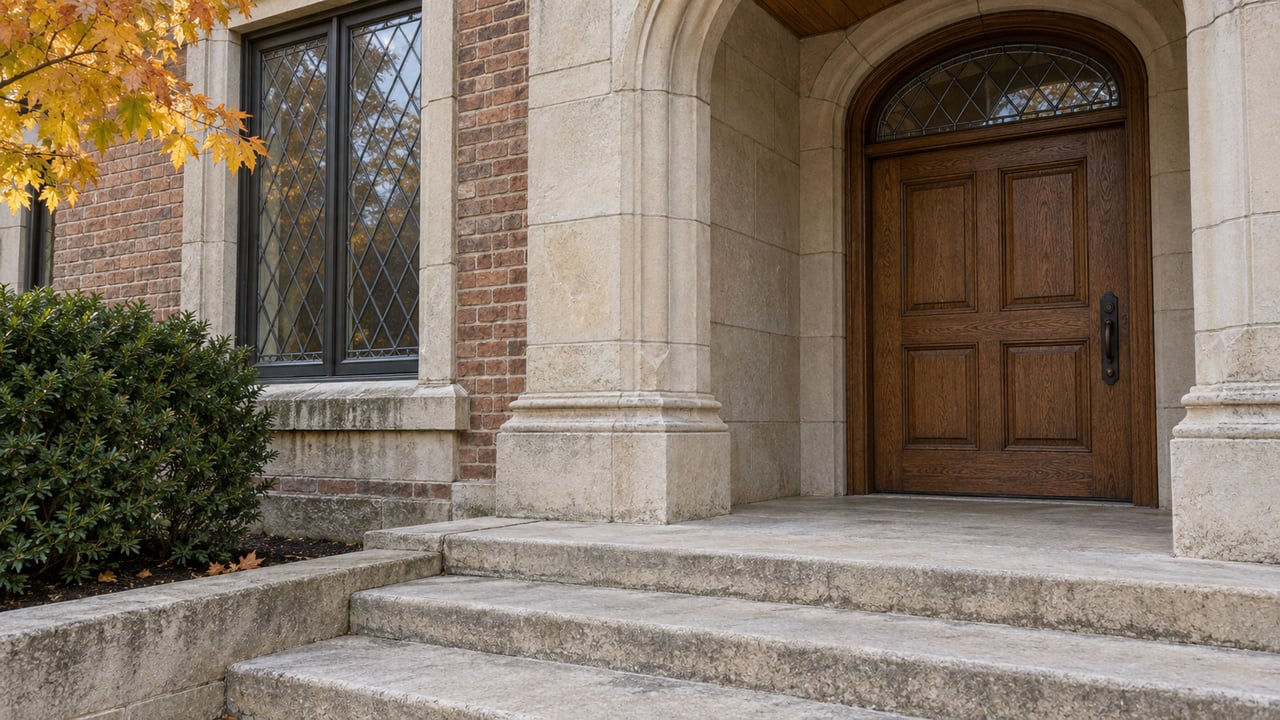
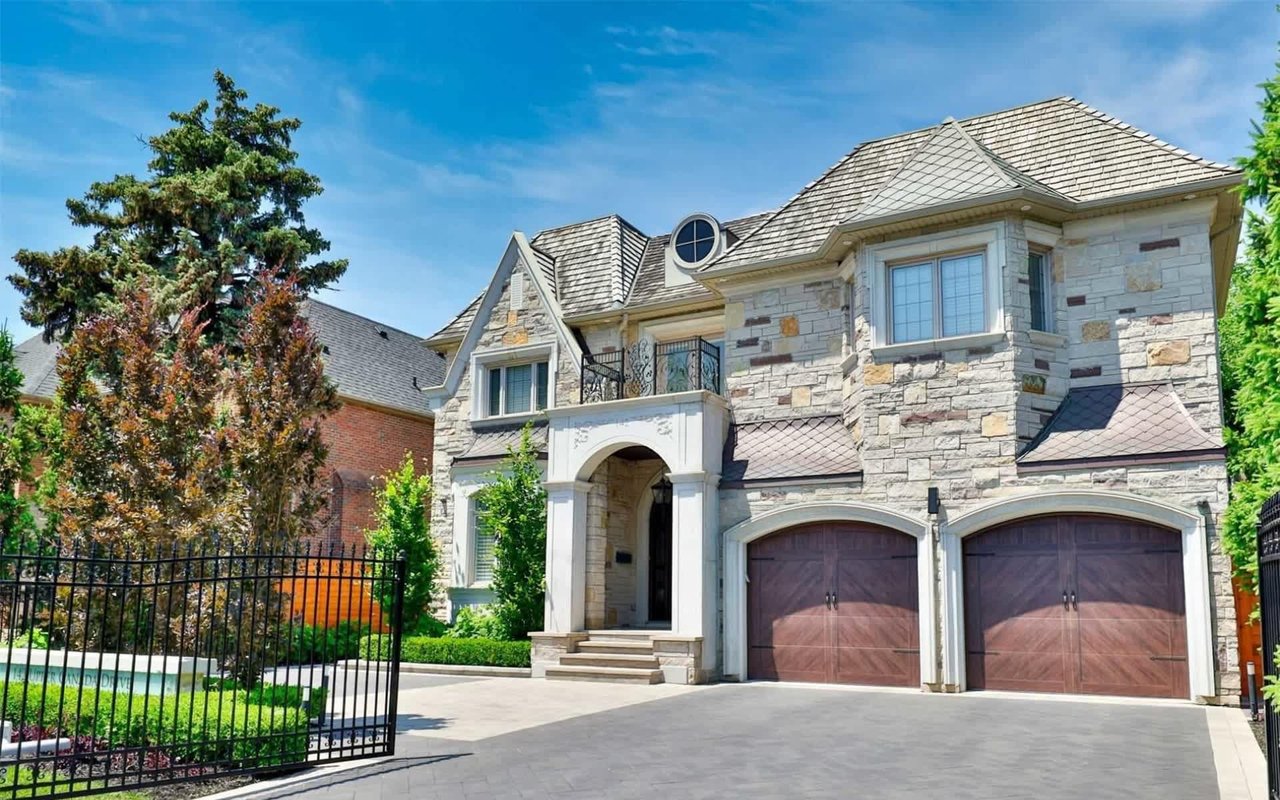
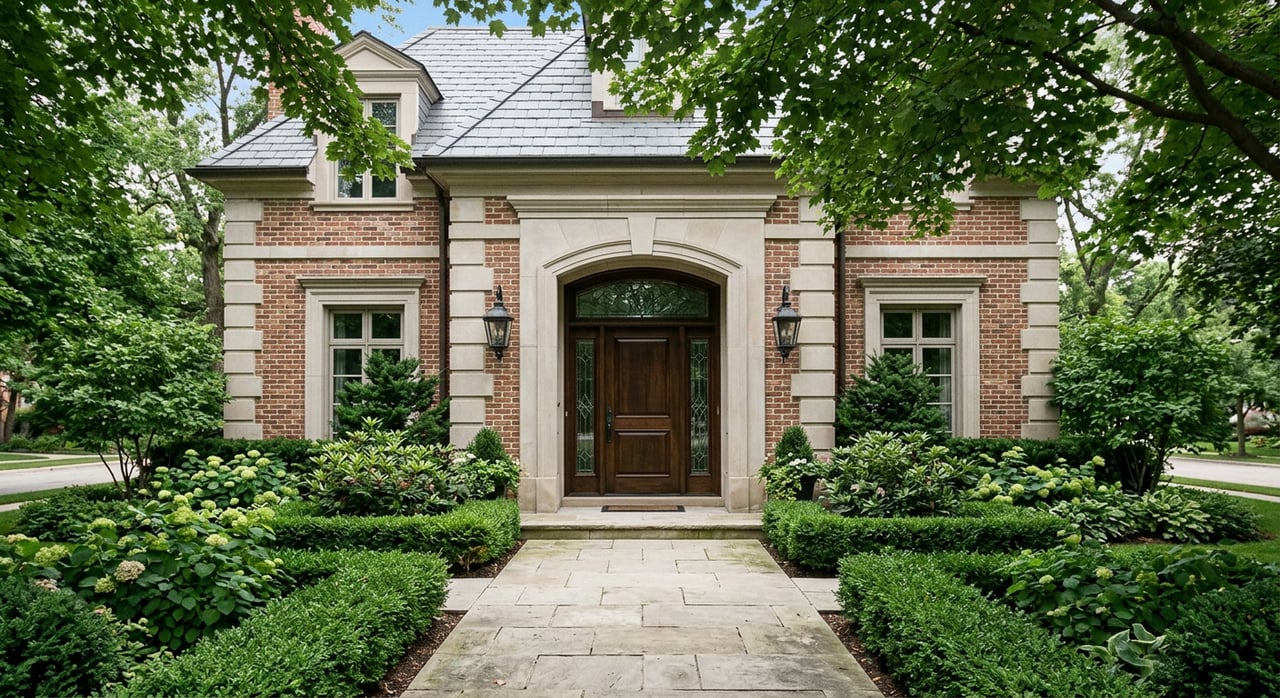
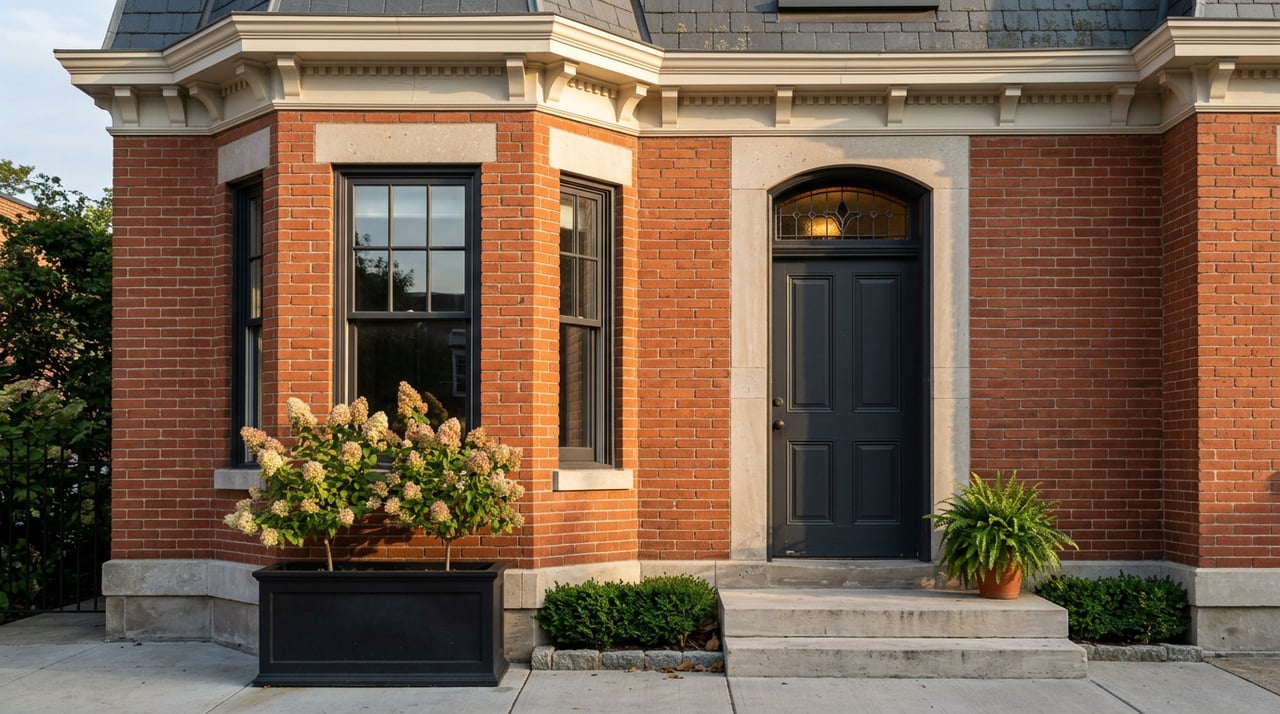
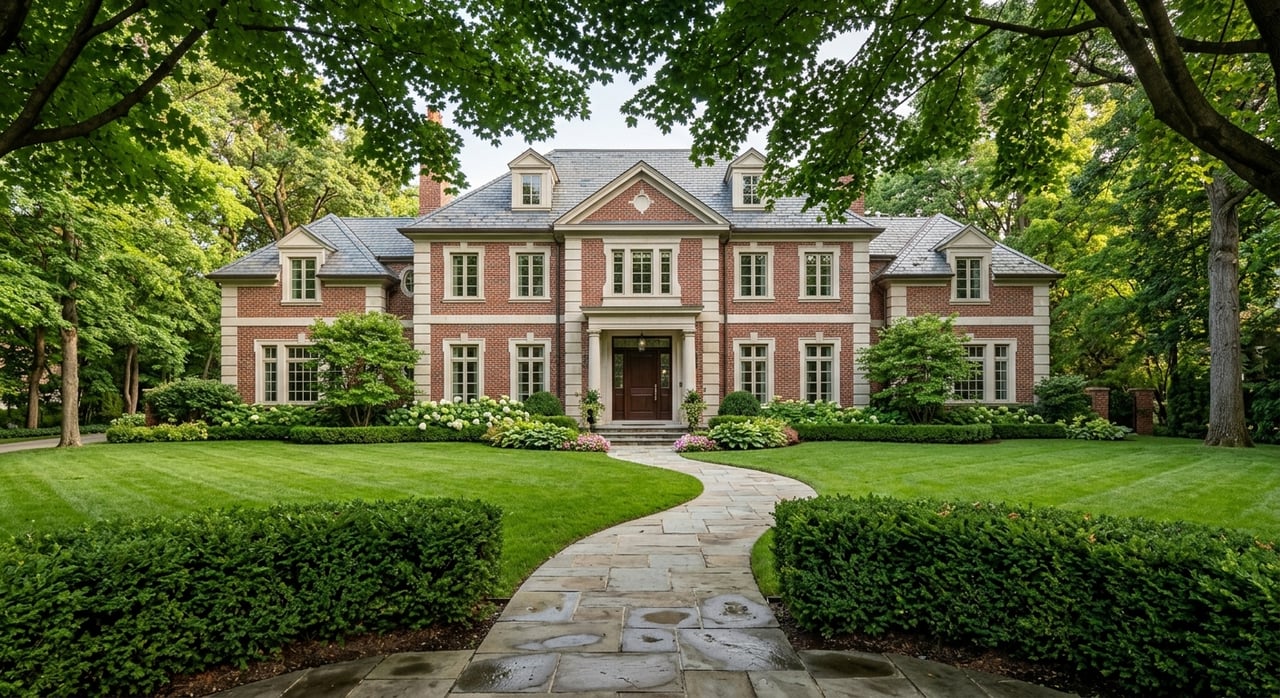
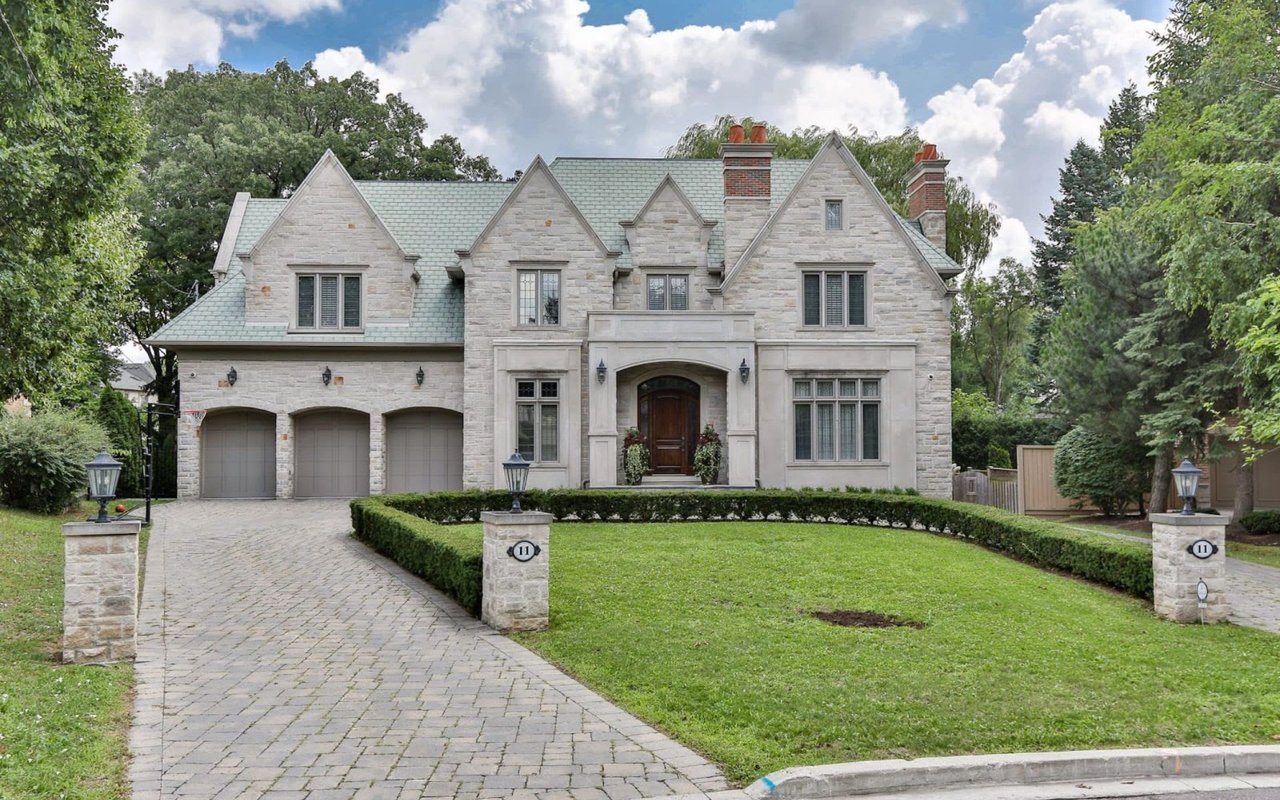
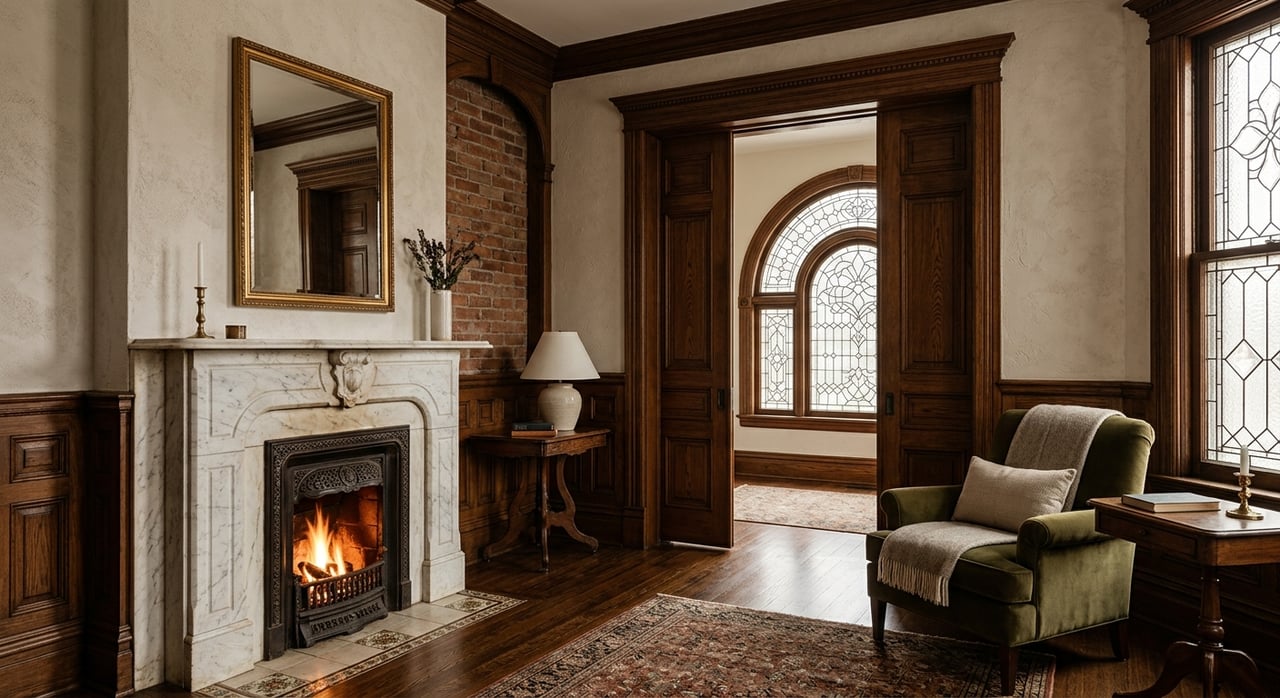
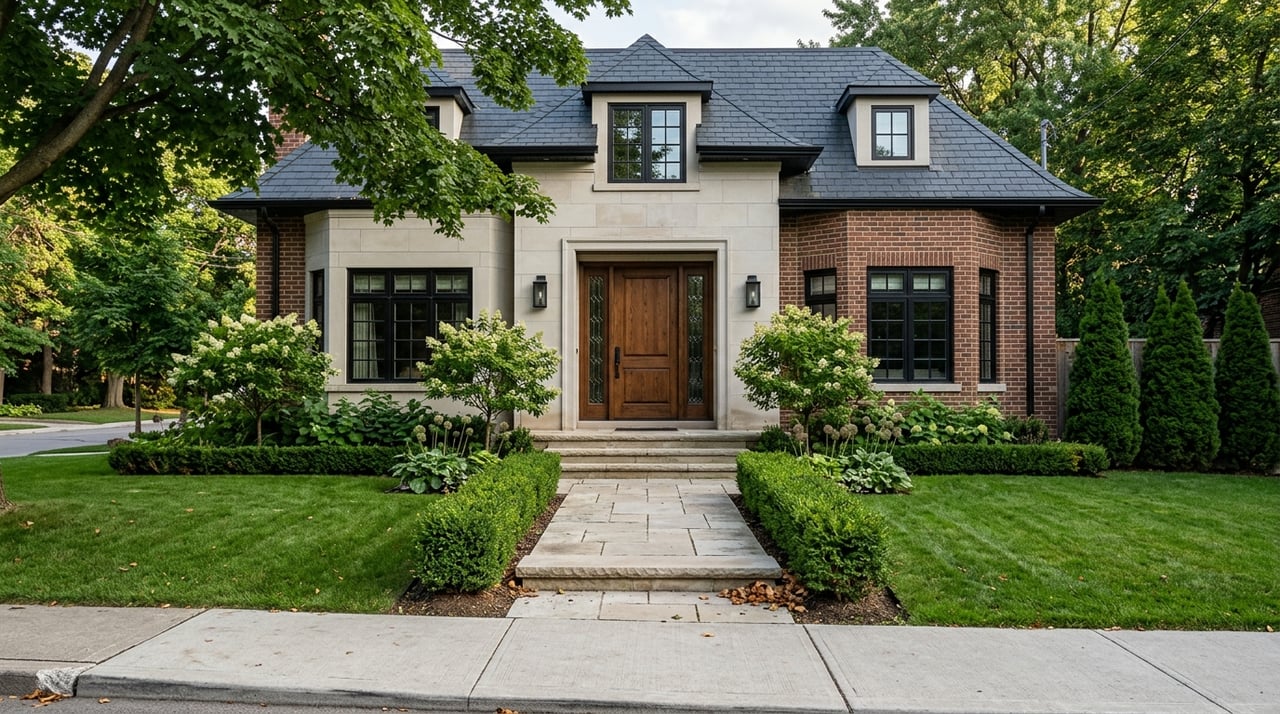
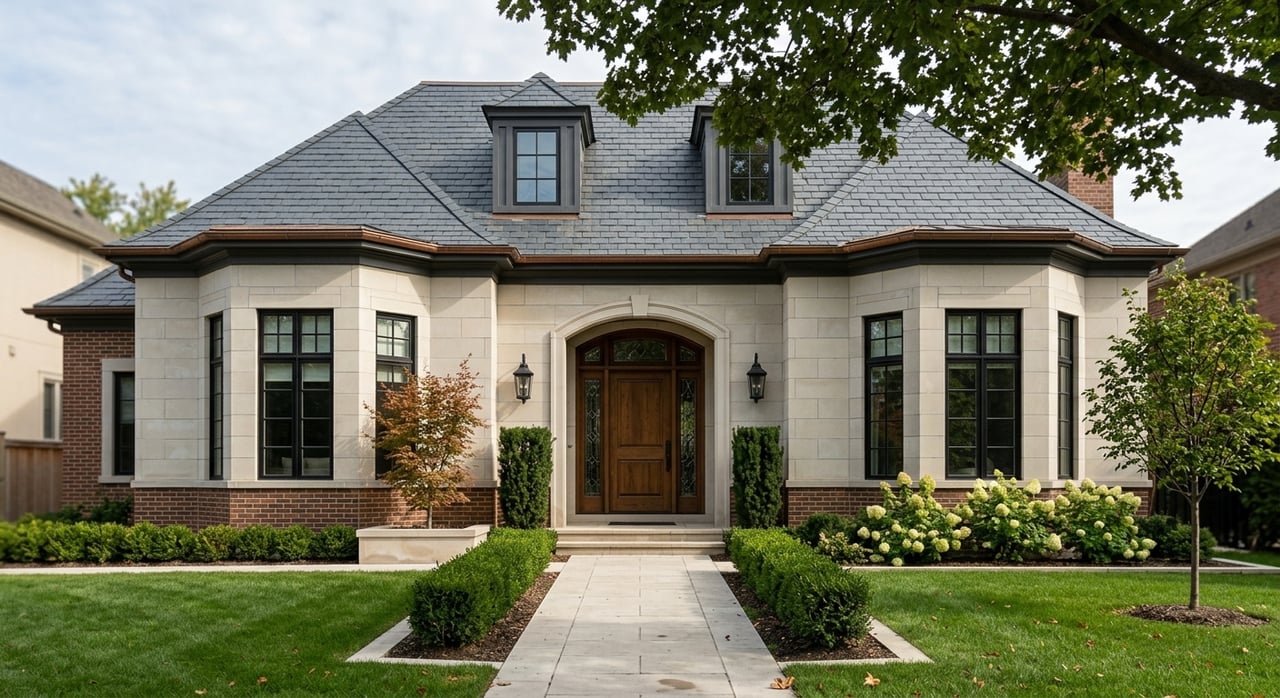
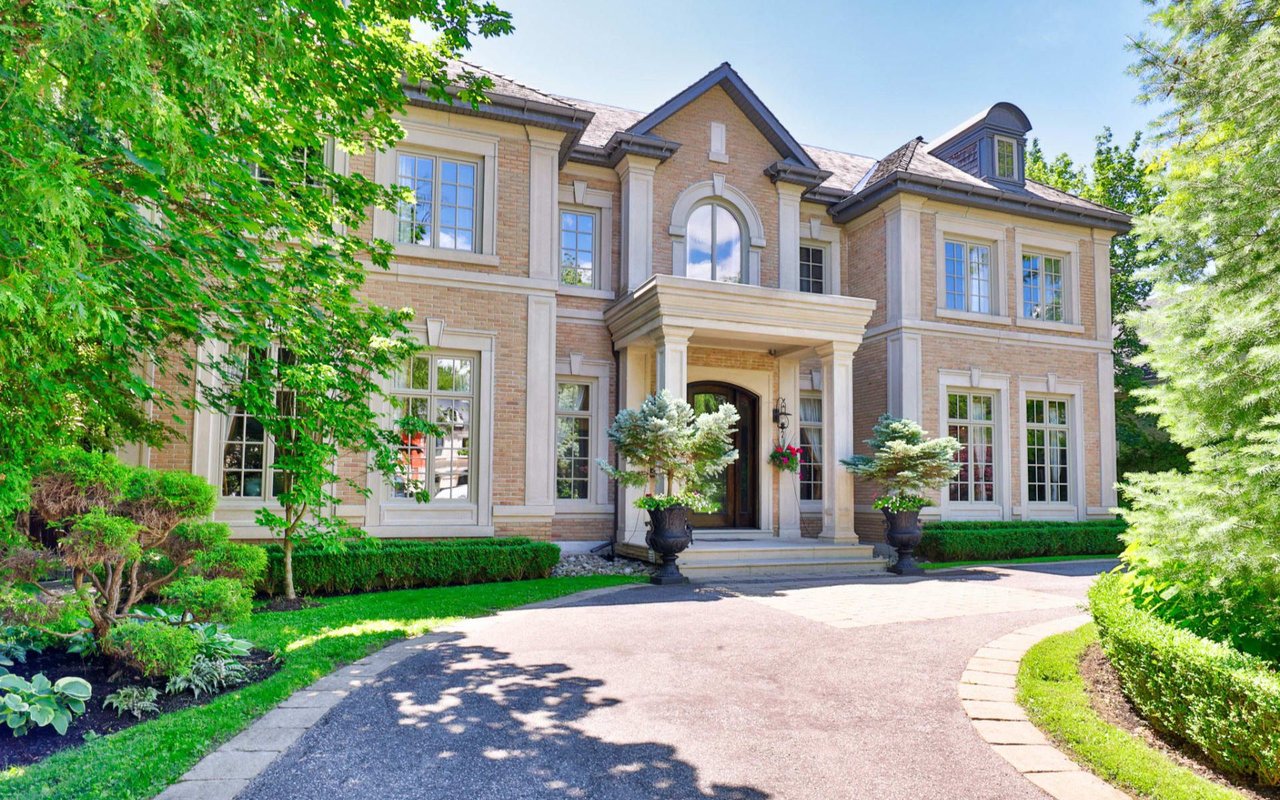
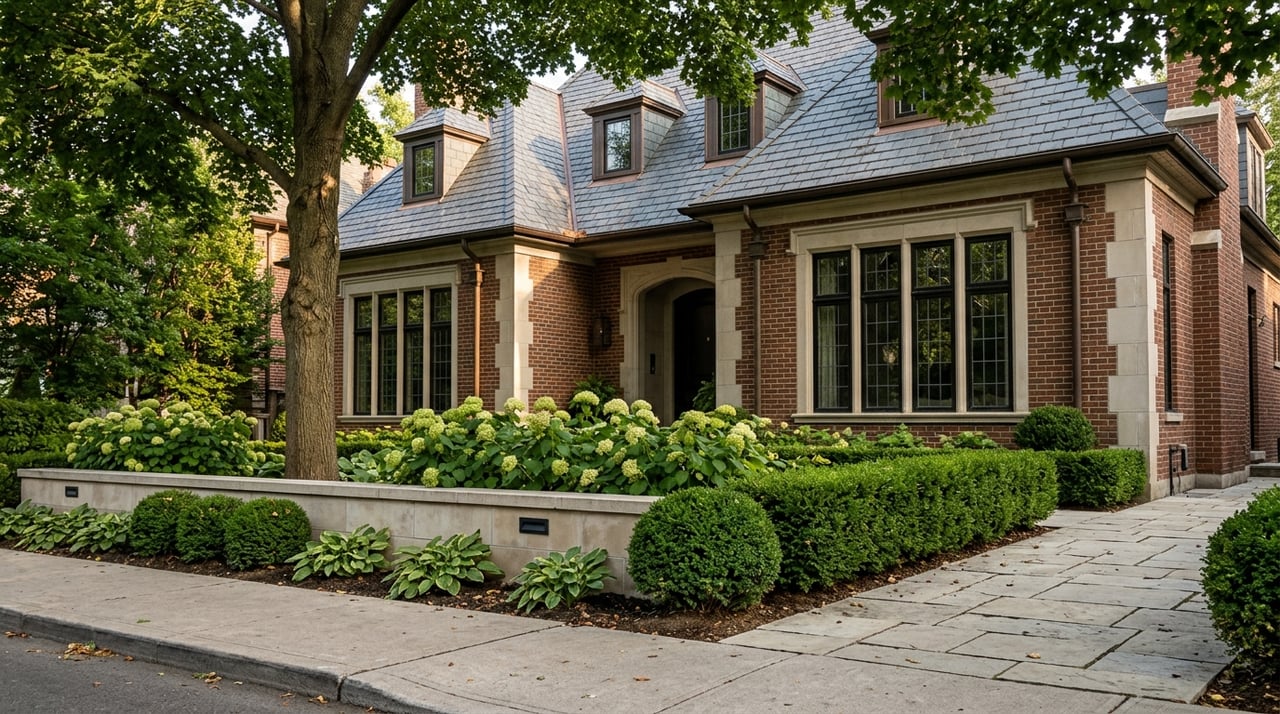
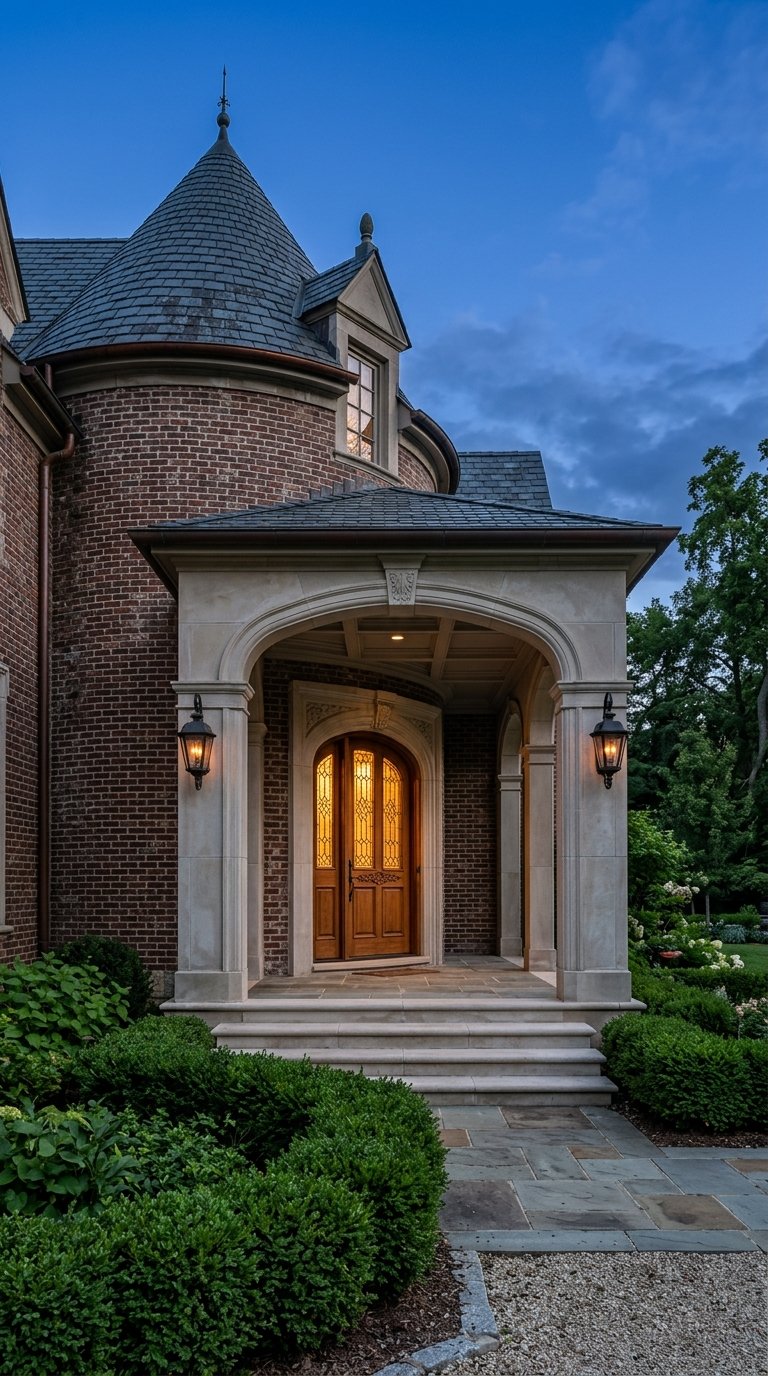
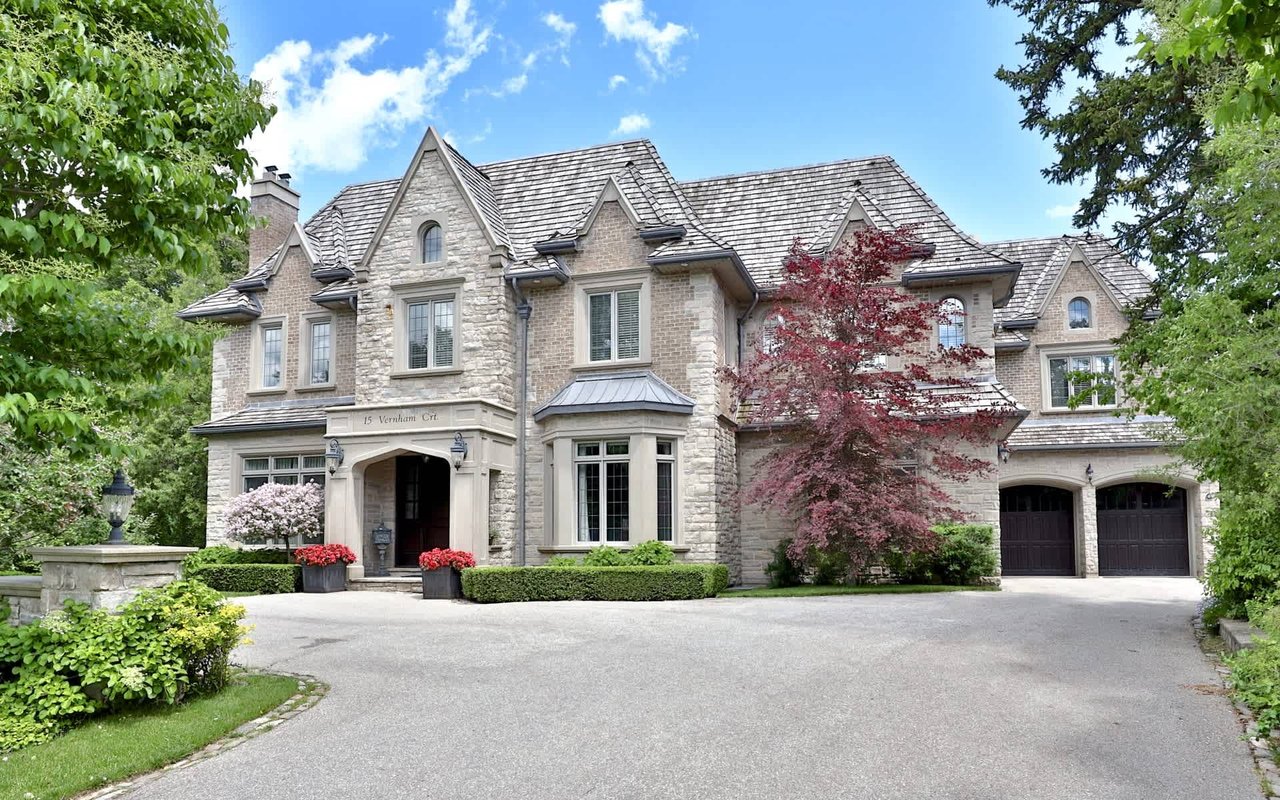
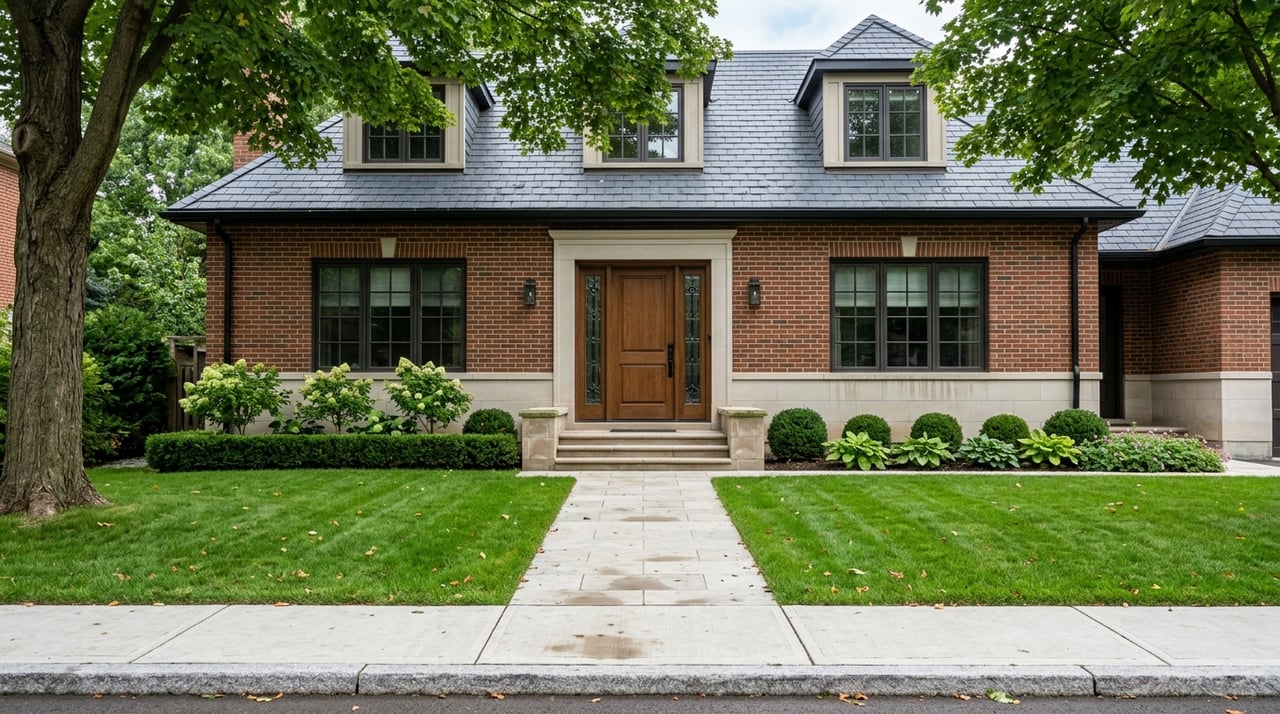
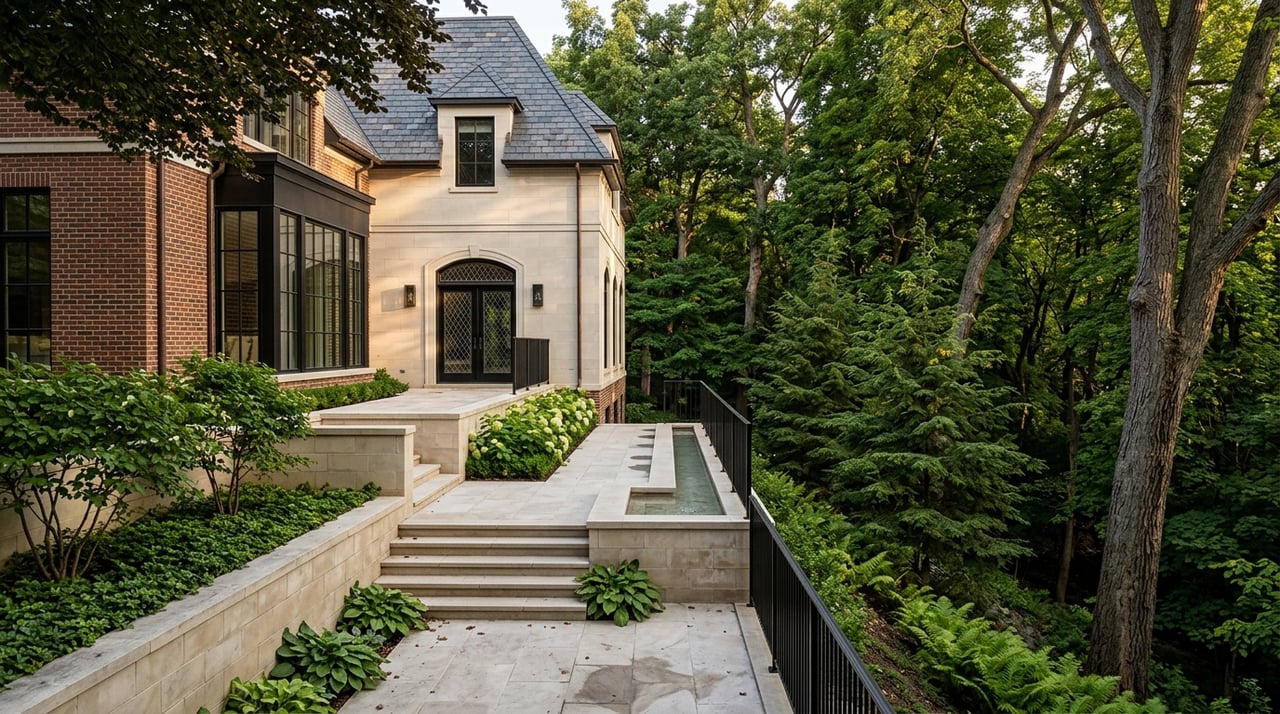
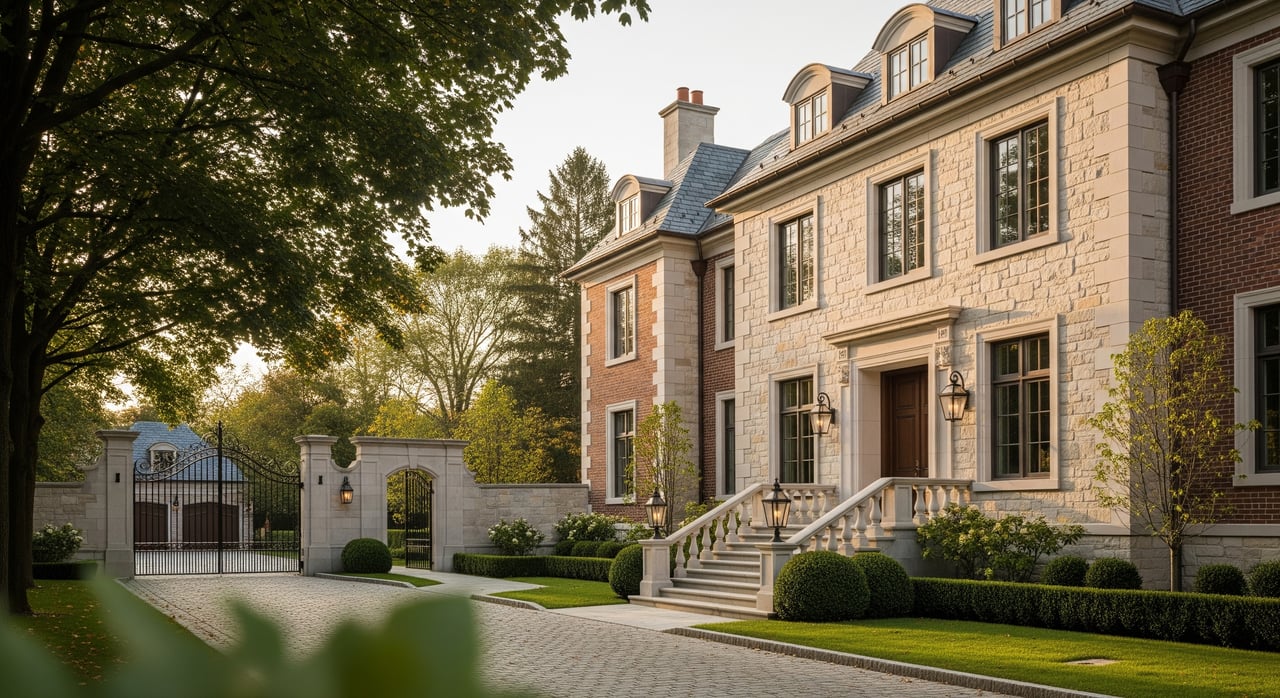
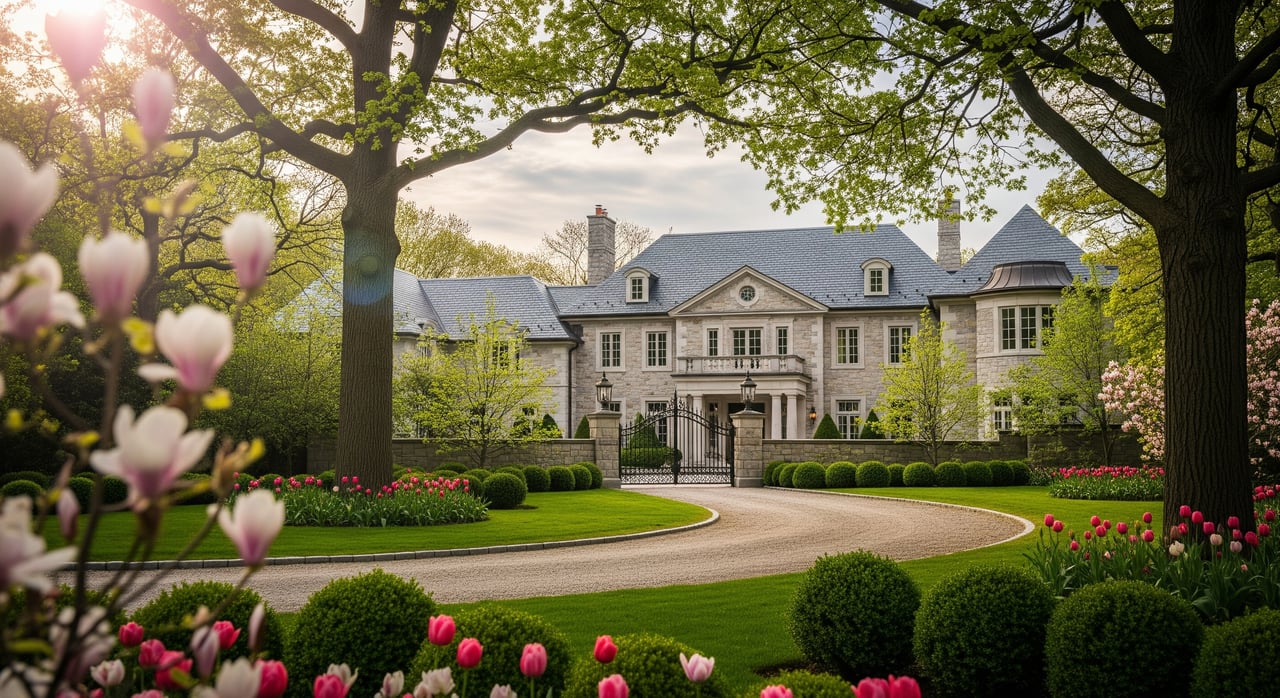
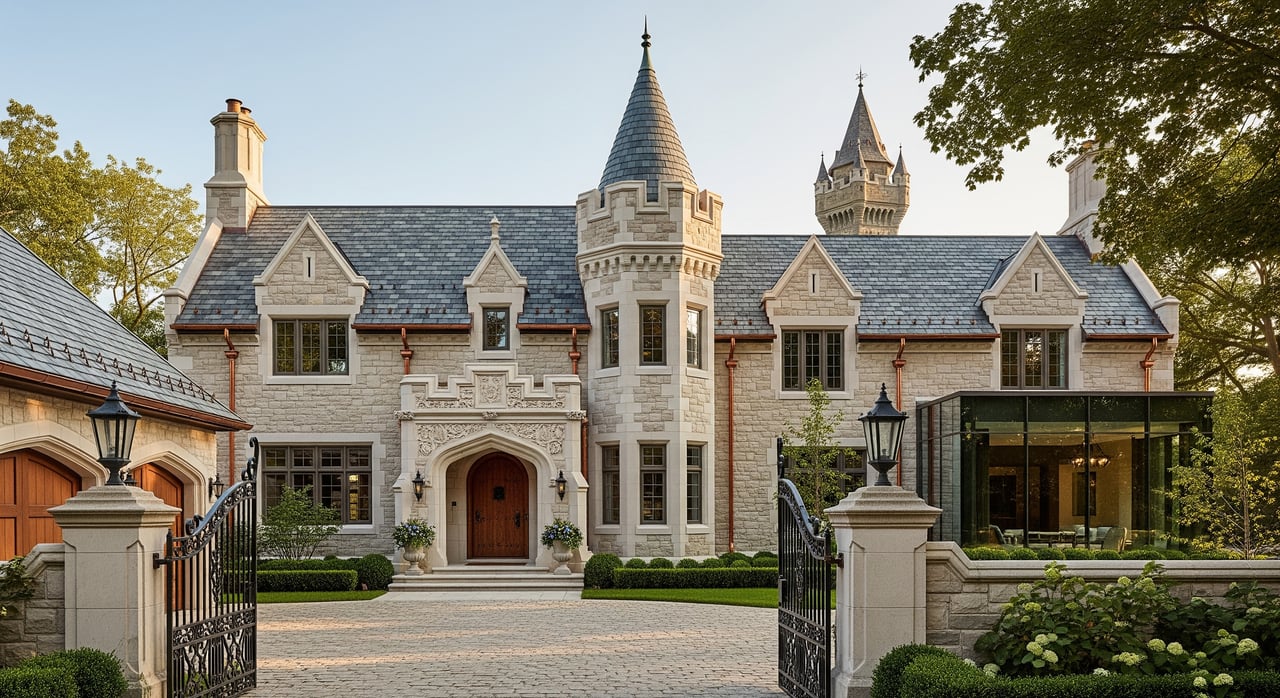
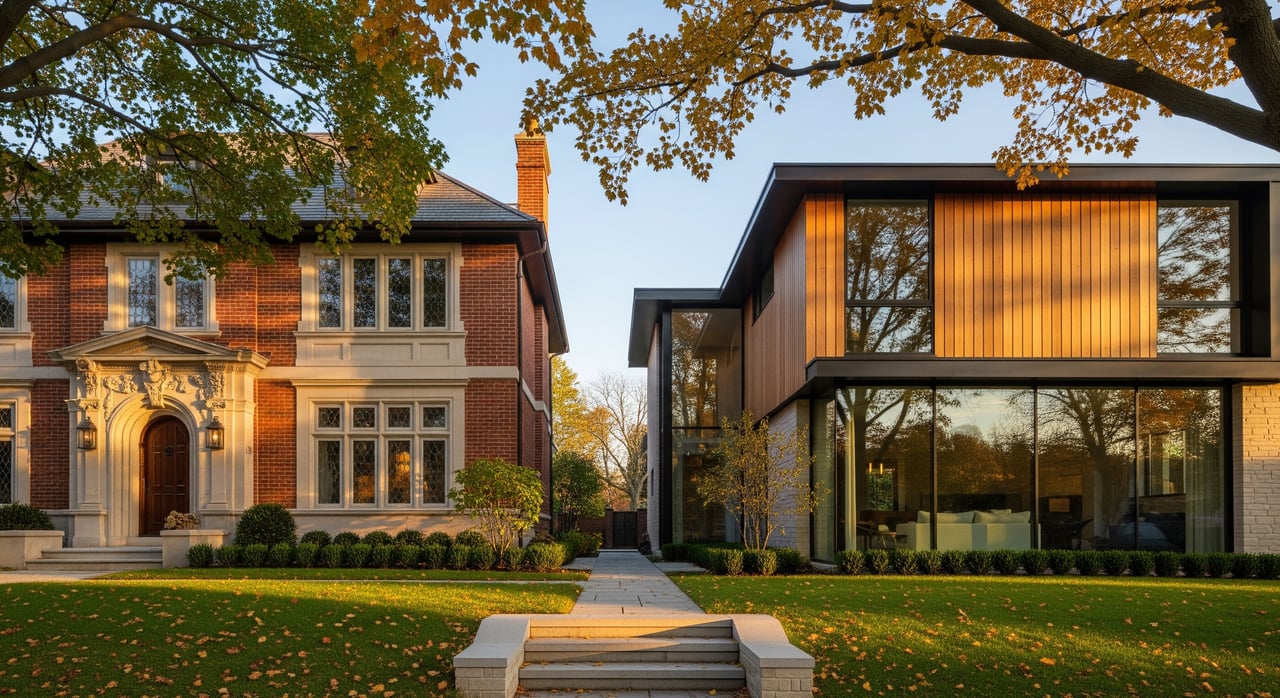
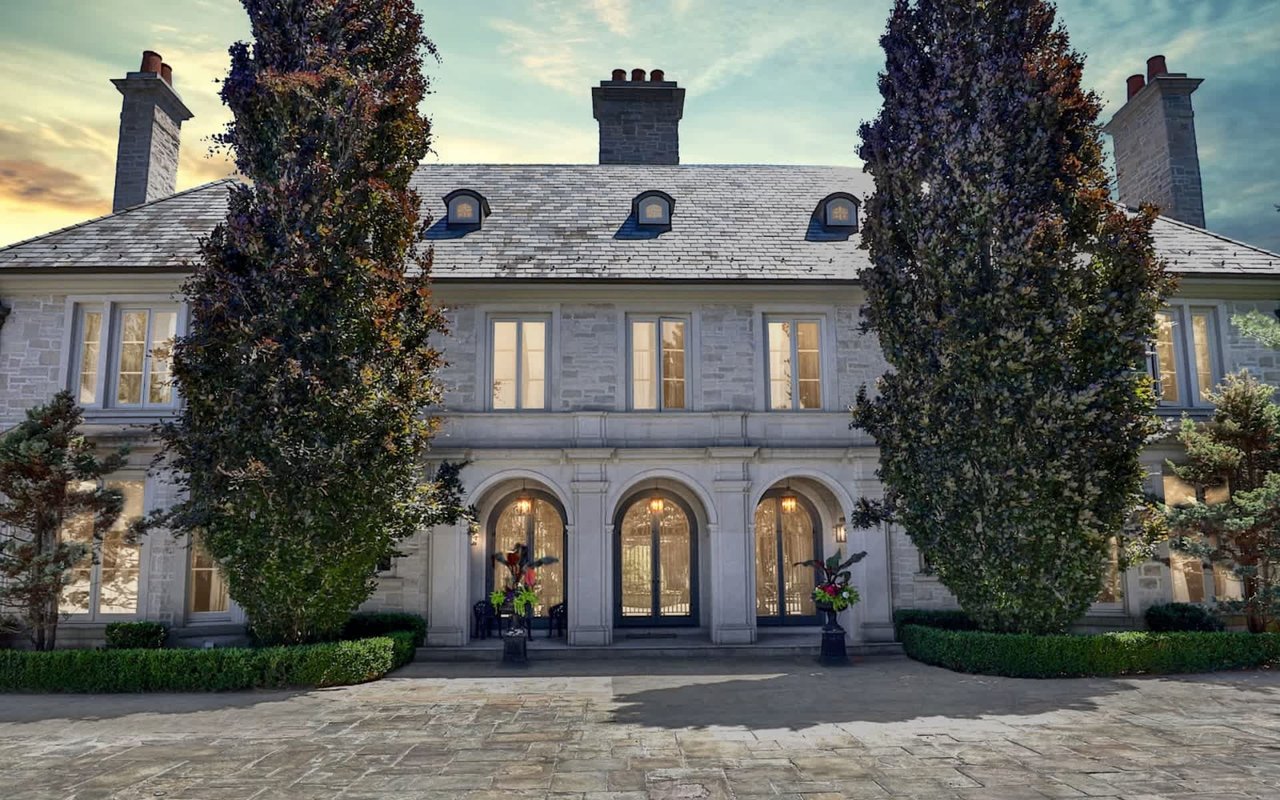
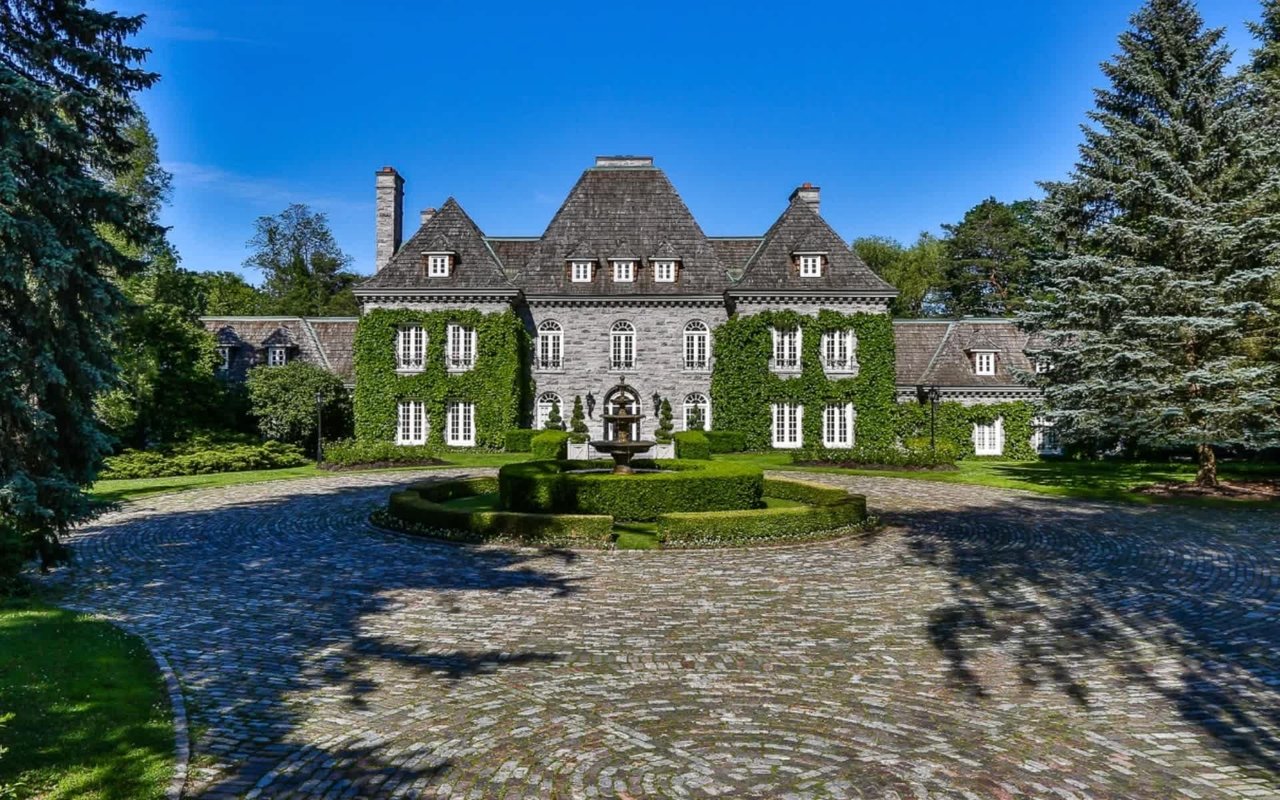
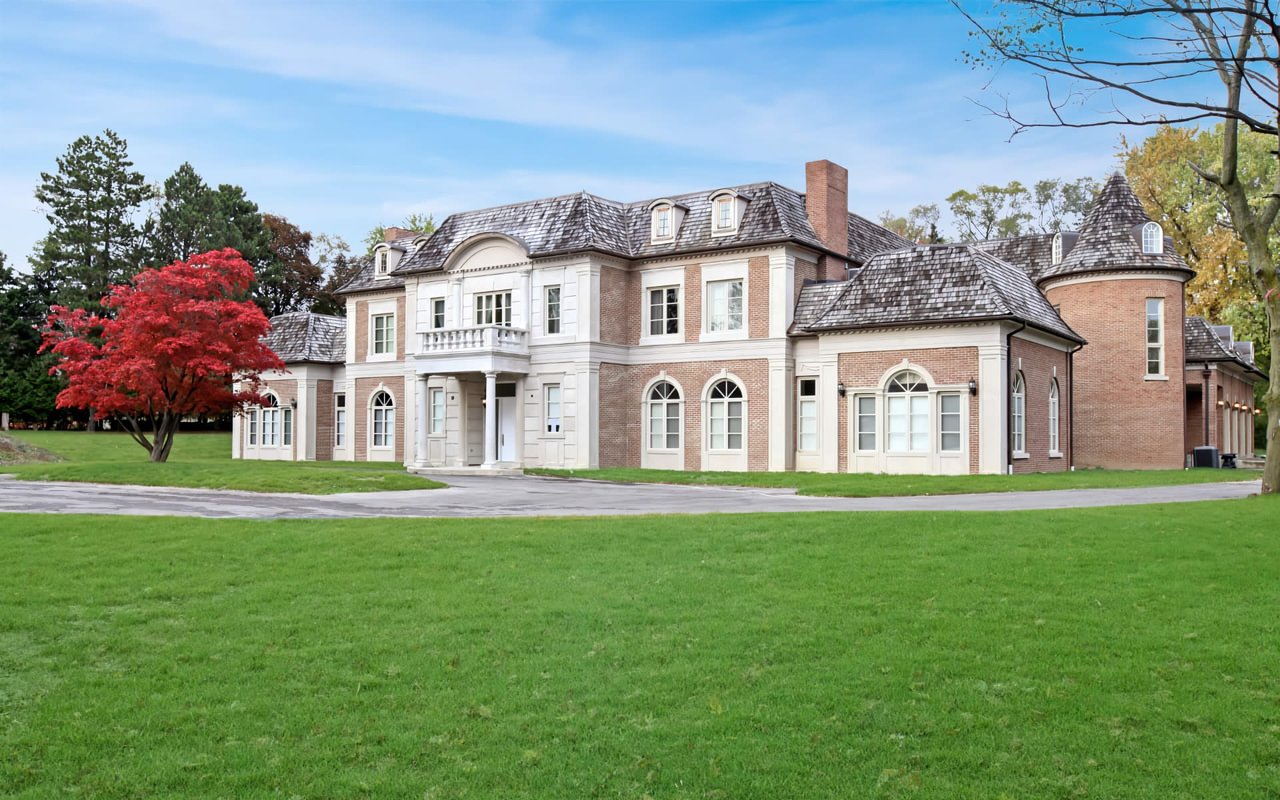
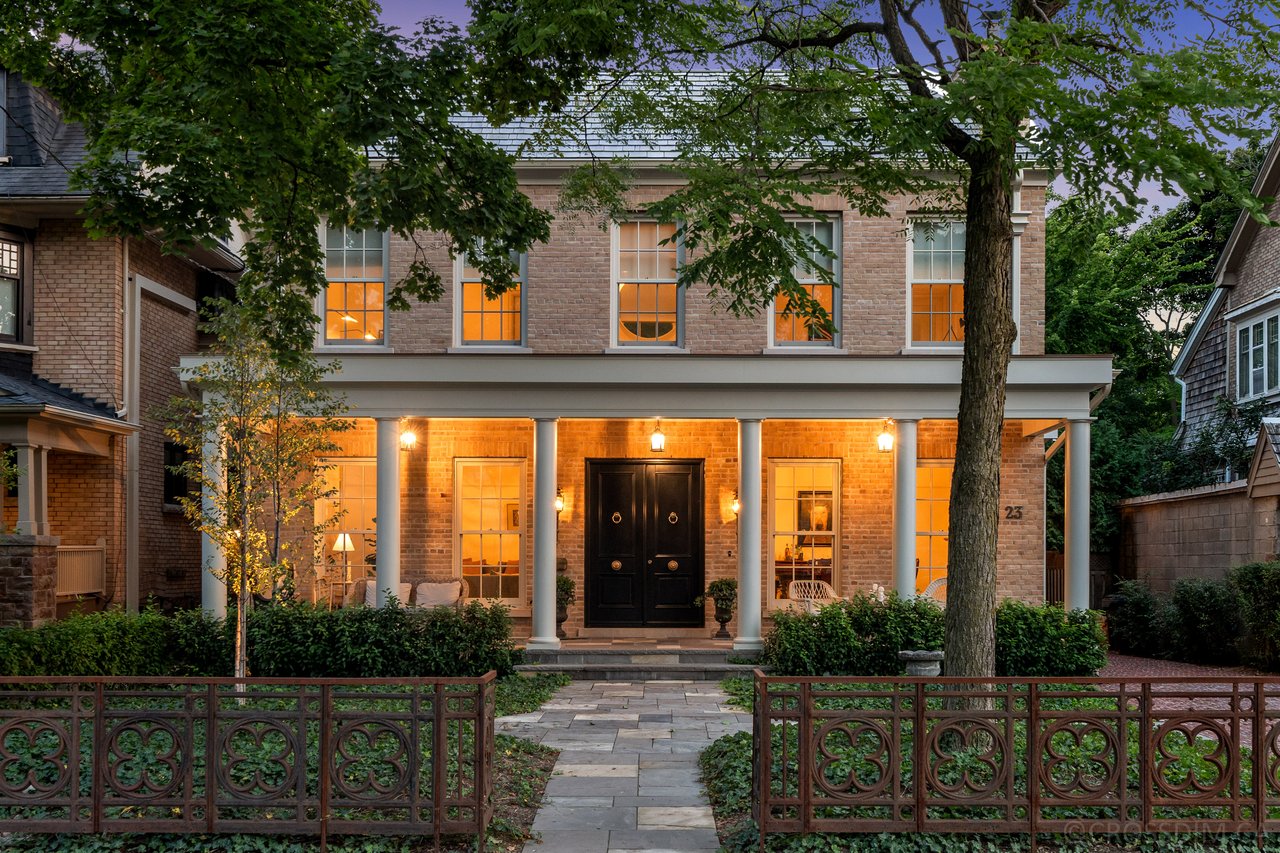
The housing stock also shapes almost every move decision here. Much of Lytton Park is made up of Tudor and Georgian Revival homes built between 1890 and 1930, which means you are often choosing between character, maintenance, renovation potential, and replacement cost rather than simply comparing similar homes side by side.
Start With Your Real Goal
Before you decide whether to move up, move down, or renovate, define what problem you are actually trying to solve. More space is one reason people move, but it is not the only one. In Lytton Park, buyers and sellers often make better decisions when they focus first on lifestyle fit.
Ask yourself:
- Do you need more bedrooms or flexible space?
- Is yard size or outdoor use becoming more important?
- Are stairs, upkeep, or seasonal maintenance starting to feel like too much?
- Do you want to stay on the same block or preserve the same daily routine?
- Is school assignment a key part of the decision?
- Would a renovation solve the issue more effectively than moving?
When you are clear on the real objective, the path becomes easier to evaluate.
When Upsizing Makes Sense
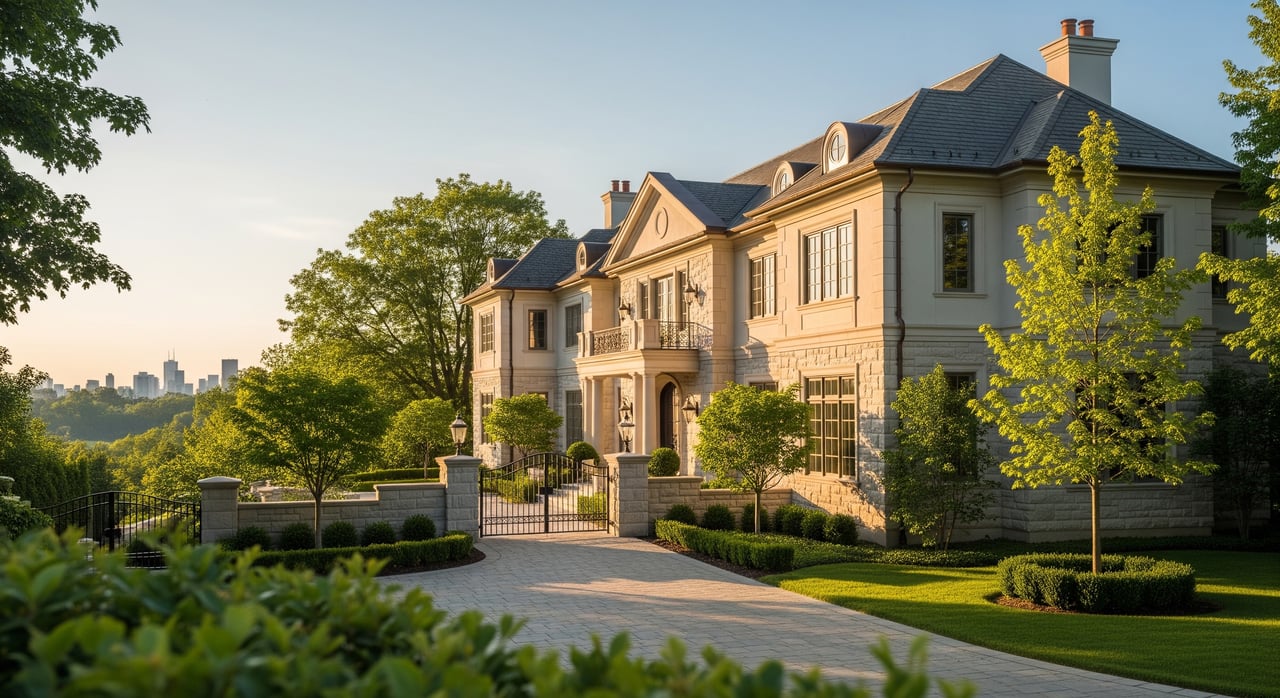
Upsizing usually makes sense when your current home no longer supports how you live day to day. That may mean needing more bedrooms, more gathering space, more storage, or a different lot configuration.
In Lytton Park, upsizing can be especially nuanced because inventory is limited and homes are not always directly comparable. In thinly traded prestige markets, recent local comparables matter more than citywide averages, which is why broad GTA numbers should only be a starting point.
According to TRREB’s March 2026 Market Watch, buyers across the GTA were operating in a market with substantial negotiating power, even though conditions had tightened year over year. That can create opportunity if you are moving up, but only if your replacement plan is realistic and grounded in current neighborhood-specific evidence.
What to watch when upsizing
If you are considering a larger move within or near Lytton Park, keep these factors in view:
- Replacement inventory: You need to know what actually exists in your target price band, not just what sold six months ago.
- Local pricing swings: In prestige areas, one or two outlier sales can distort the average.
- Move-up costs: Toronto buyers face both provincial and municipal land transfer taxes, which can materially increase the true cost of a purchase, as noted in TRREB’s market outlook.
- Timing risk: Selling well is only half the equation. You also need a credible plan for what comes next.
A nearby prestige-market proxy helps illustrate the point. In TRREB’s Q4 2025 Toronto Central community report, Lawrence Park South recorded 32 sales, a 24-day average time on market, and a 96% average sale-to-list ratio. Quarterly volumes were small, and prices moved meaningfully from quarter to quarter, which shows how quickly headline averages can shift in a low-volume market.
When Downsizing Makes Sense
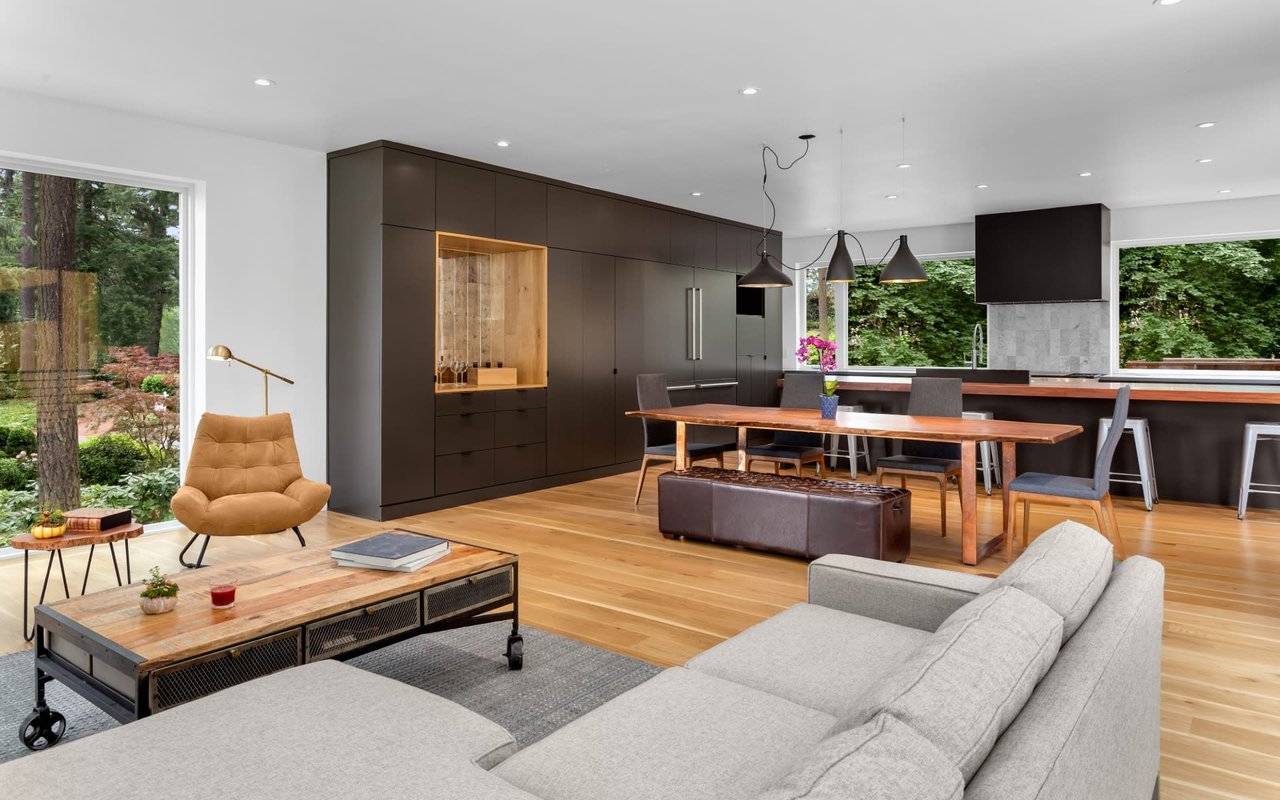
Downsizing is often less about giving something up and more about choosing simplicity. If maintenance, carrying costs, or the effort of managing a larger character home no longer matches your goals, a smaller or lower-maintenance property may offer a better fit.
That said, downsizing in Lytton Park comes with a practical challenge. Because the neighborhood is dominated by older detached homes, there is a smaller pool of true low-maintenance housing within the immediate area. You may need to widen your search parameters if your goal is to reduce upkeep without losing access to the broader area you enjoy.
Signs it may be time to downsize
You may want to explore downsizing if:
- You use only a portion of your home regularly.
- Ongoing maintenance feels more burdensome than rewarding.
- You want to free up liquidity for travel, family, or other priorities.
- You value convenience and walkability more than lot size.
- You want easier day-to-day living without leaving central Toronto.
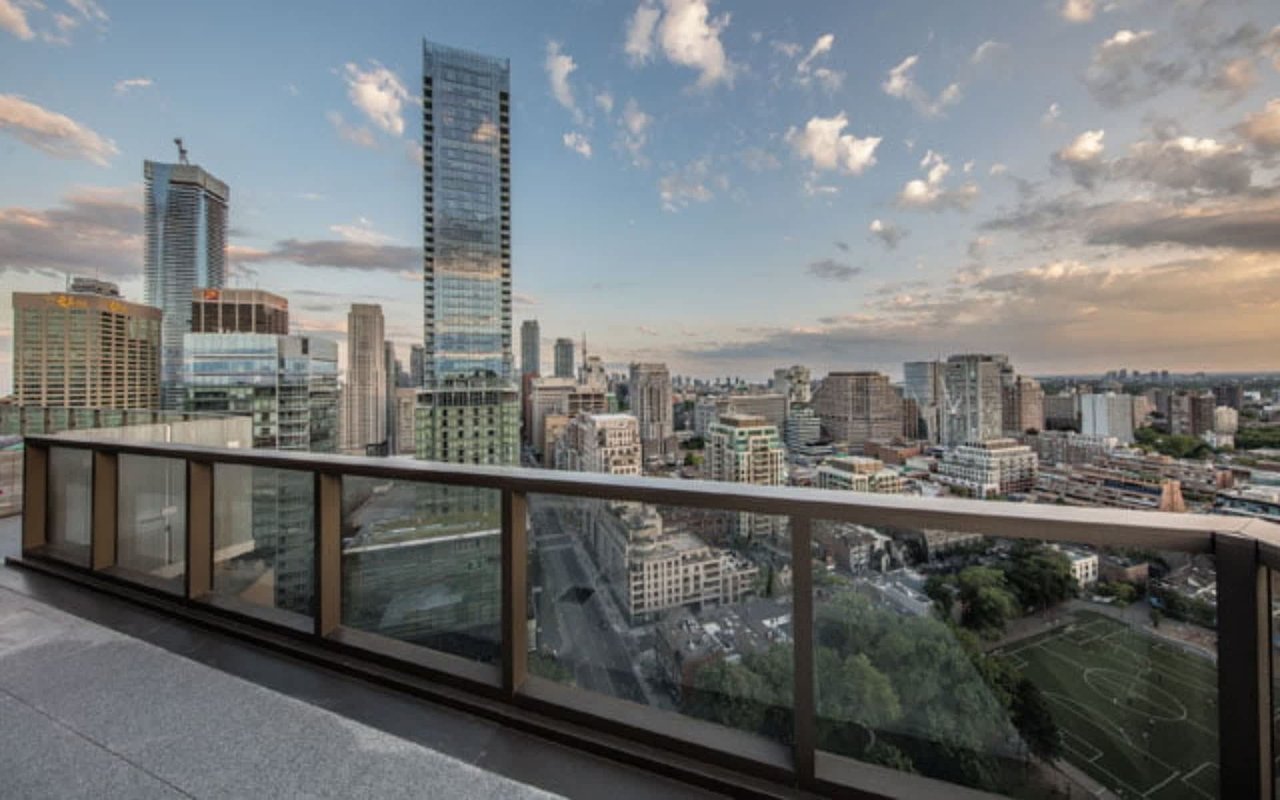
Lytton Park still offers strong lifestyle appeal for downsizers who want a residential setting with access to green space and transit. The City lists both Lytton Park at 200 Lytton Blvd and Snider Parkette within the neighborhood, while the TTC identifies Lawrence Station and nearby access through Eglinton Station as key transit anchors.
When Renovating Makes Sense
Sometimes the best move is not a move at all. If your lot, block, and daily routine already work for you, renovating may be the most efficient path, especially when school route or location consistency matters more than adding a new address.
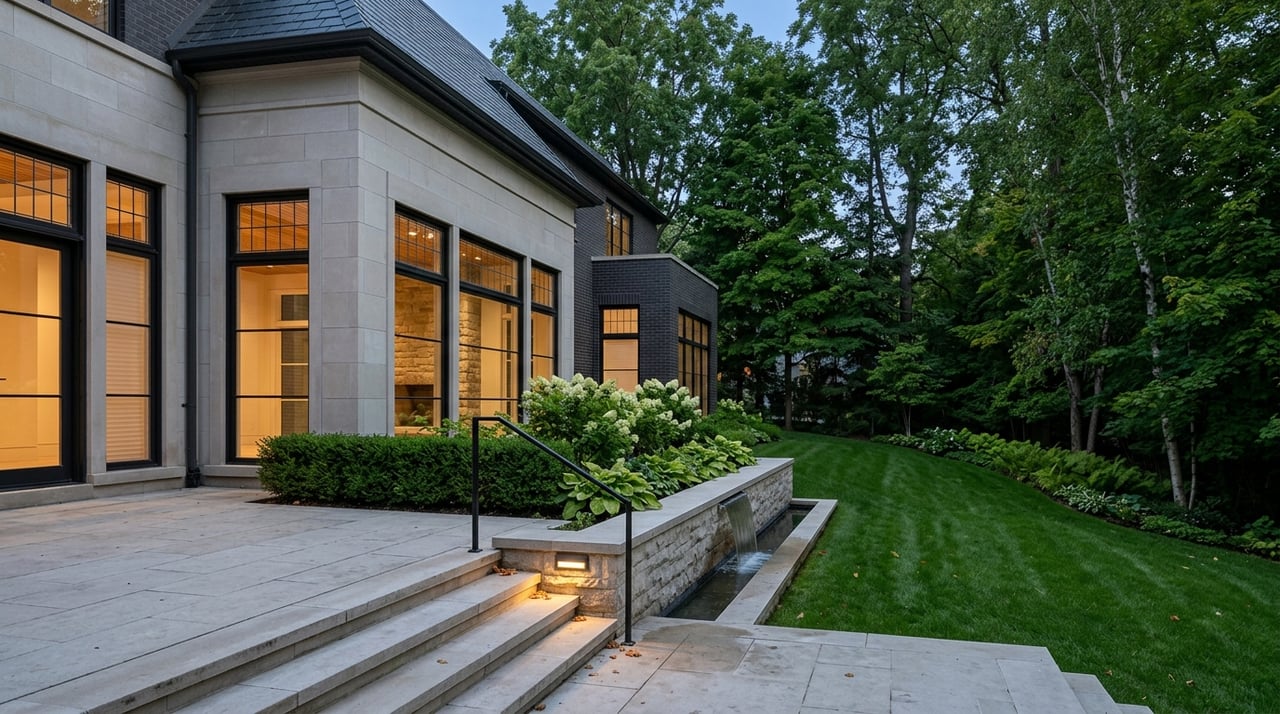
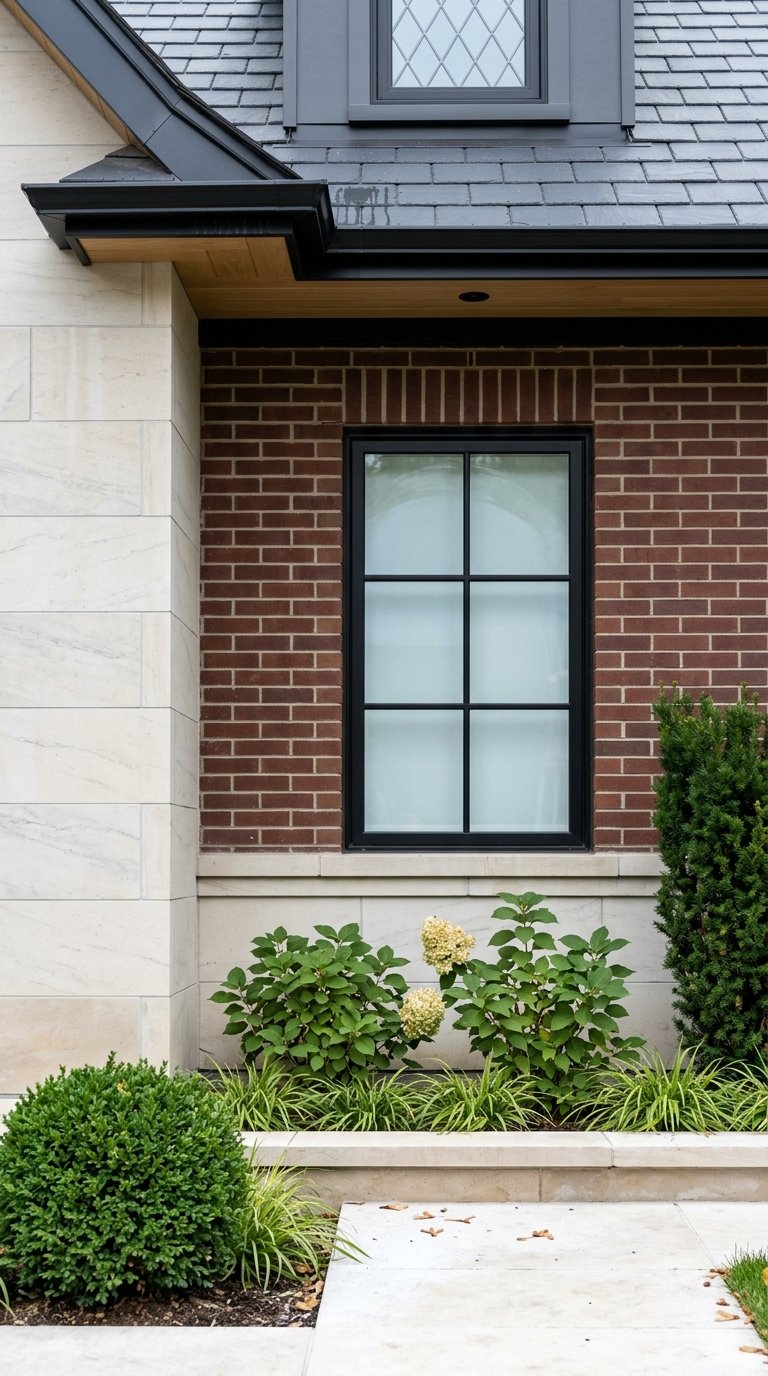
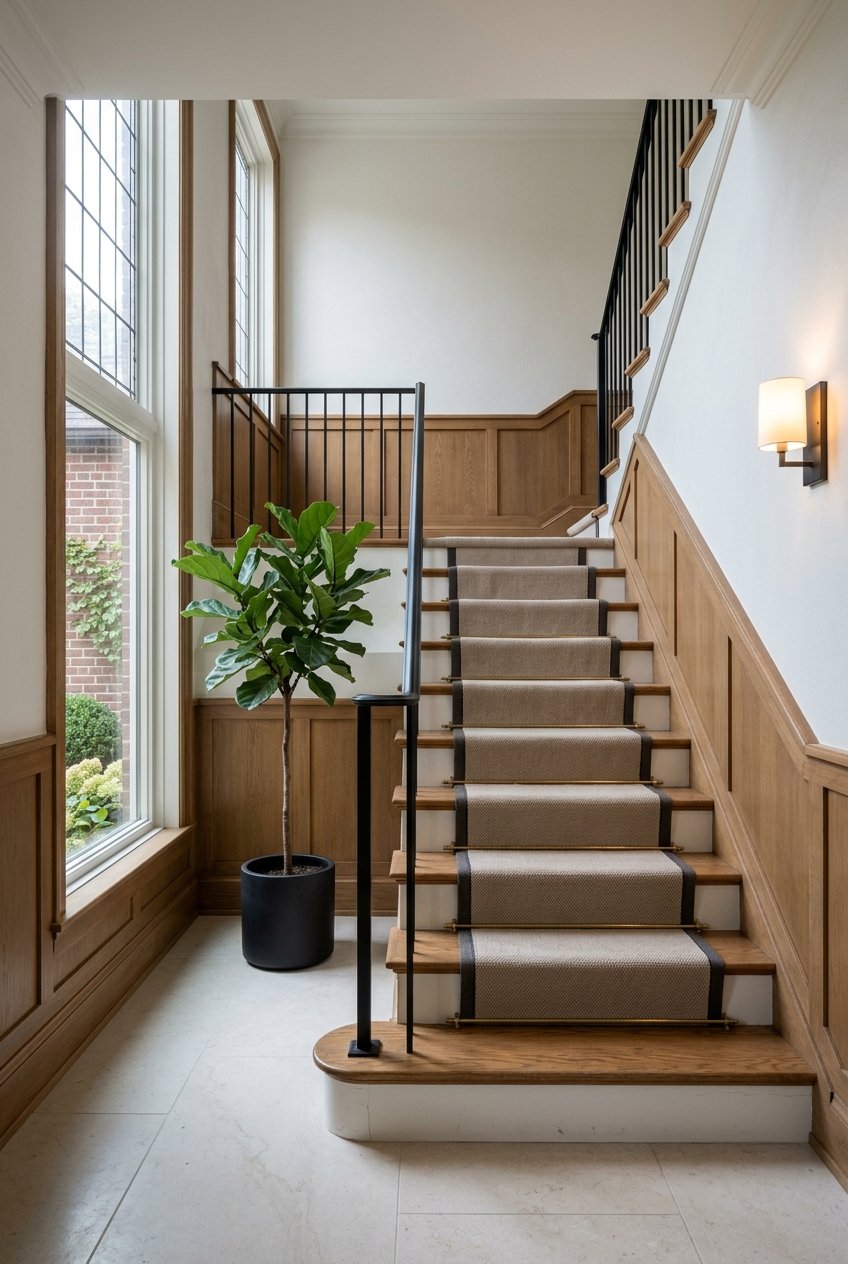
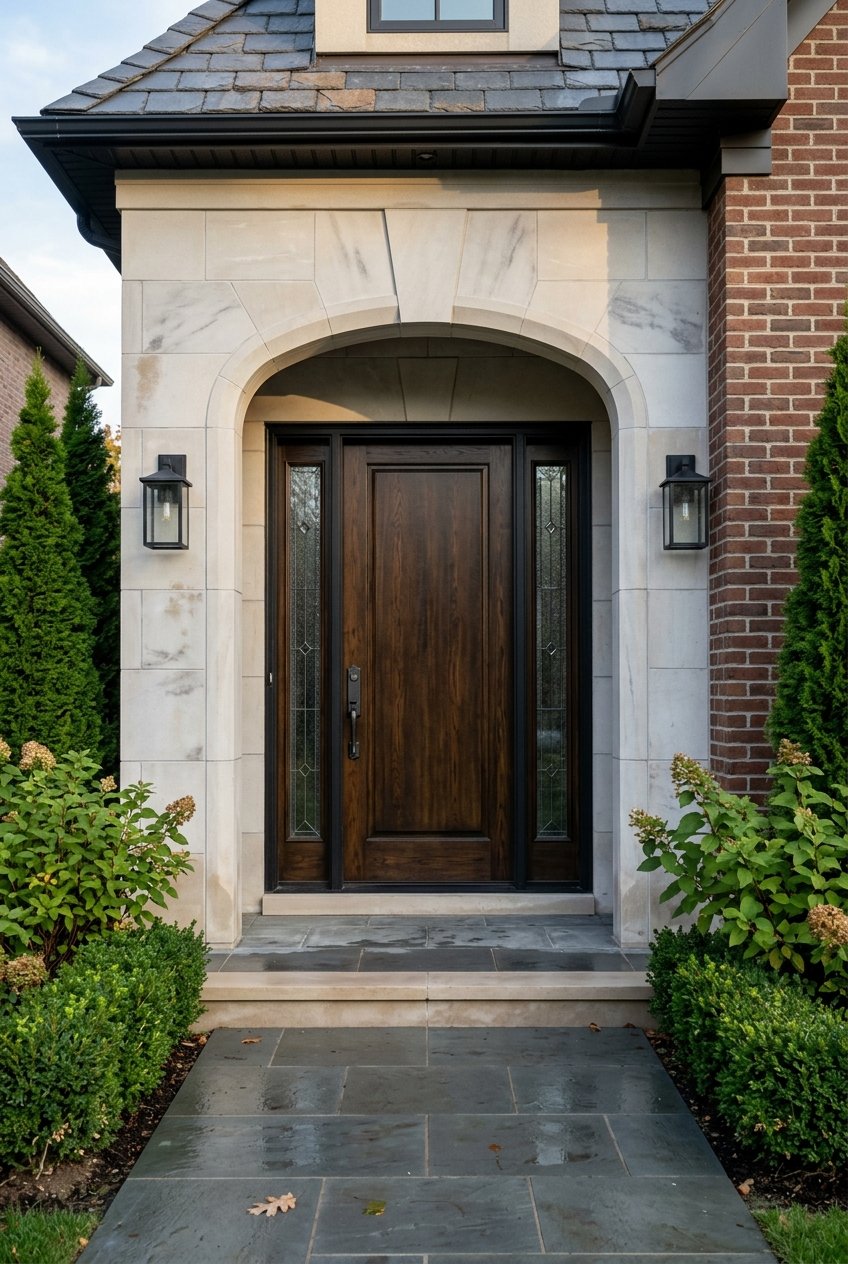
This option can be especially attractive in Lytton Park because many owners value the neighborhood’s period architecture and established streetscape. If you like where you are and your home has enough underlying potential, a renovation can preserve location while improving function.
Renovation questions to answer first
Before you commit to major work, make sure you evaluate:
- Whether your current lot and home can realistically support the changes you want
- Whether the renovation cost compares favorably to the full cost of moving
- Whether school assignment would remain a deciding factor if you moved instead
- Whether heritage status or planning limitations may affect exterior changes or demolition
This last point matters. Some Lytton Park properties are identified as heritage-significant, including 22 Lytton Boulevard and 94 Cortleigh Boulevard, which can require more planning and specialist advice for major exterior work.
School Boundaries Can Change the Decision
For many households, the move decision is tied closely to school planning. In Lytton Park, that requires address-level verification, because catchments can vary by block and sometimes by side of the street.
The TDSB’s Family of Schools information identifies John Ross Robertson Jr PS, Glenview Senior PS, and Lawrence Park CI within Family of School 06. However, detailed boundary material shows that parts of Lytton Boulevard are assigned differently, with some addresses directed to John Ross Robertson Jr PS and others to Allenby Jr PS, while sharing Glenview Sr PS and Lawrence Park CI pathways.
That is why you should verify school assignment by exact civic address before writing an offer or deciding that a move is necessary. The TDSB boundary document makes clear that address-specific review is essential.
There is also a forward-looking consideration. The TDSB notes that the shared Lawrence Park CI and Northern SS attendance area will be directed entirely to Lawrence Park CI effective September 1, 2026. If public secondary-school continuity is part of your planning, that update may influence whether you stay, move, or buy sooner.
Walkability Depends on the Block
One of Lytton Park’s strengths is that it balances a residential feel with access to transit, parks, and main streets. But the lived experience is not identical across the neighborhood.
Homes closer to Yonge Street may offer easier access to shops, services, and subway connections. Properties closer to Avenue Road may have a different daily rhythm, while interior blocks may feel more tucked away. In practical terms, that means your ideal upsize or downsize may not just be about the house itself, but about how you want your week to function.
If you are comparing options, think about:
- Your usual route to transit
- How often you walk for errands or dining
- Access to nearby green space
- School commute patterns
- How much driving you want to do day to day
In Lytton Park, these details are often more useful than generic walkability labels.
A Simple Decision Framework
If you are stuck between choices, use this lens:
| Option | Best Fit When | Main Watchout |
|---|---|---|
| Upsize | You need more space, a better layout, or a stronger long-term family fit | Limited inventory and higher full moving costs |
| Downsize | You want simplicity, less upkeep, or greater liquidity | Fewer low-maintenance options within the core neighborhood |
| Renovate | You value your current location, lot, and daily routine | Planning limits, heritage considerations, and renovation scope |
No matter which path you are considering, Lytton Park decisions are highly specific to the address, product type, and timing. Broad Toronto trends matter, but they should not replace exact school verification, street-level lifestyle analysis, and the most current sold data.
If you are weighing your next move in Lytton Park, a tailored strategy can make the decision clearer and reduce expensive guesswork. Barry Cohen Homes provides discreet, data-driven guidance for buyers and sellers navigating Toronto’s prestige neighborhoods, from valuation and market analysis to a thoughtful plan for what comes next.
FAQs
Should you upsize or renovate in Lytton Park?
- If your location, lot, and routine still work well, renovating may be worth exploring first. If your home cannot realistically deliver the space or layout you need, upsizing may be the better long-term answer.
What should downsizers know about housing options in Lytton Park?
- Lytton Park has a housing stock dominated by older character homes, so true low-maintenance options may be limited within the immediate neighborhood. You may need to expand your search if simplicity is the main goal.
Why do school boundaries matter when moving in Lytton Park?
- School assignments can vary by exact civic address, even on the same street. You should verify the specific address through TDSB sources before making a purchase decision.
How important is current market data for a Lytton Park move?
- It is very important because prestige markets often have low transaction volume. Recent comparable sales, median pricing trends, and days on market are often more useful than broad city averages.
Are heritage rules relevant for Lytton Park renovations?
- They can be. Some properties in the area are heritage-significant, which may affect exterior alterations or demolition plans and require more advance planning.