If you want a premium result in Lawrence Park, preparation needs to do more than make your home look tidy. Buyers in this part of Toronto often respond to the full setting, from the architecture and front garden to the way the house sits on the street. When you prepare thoughtfully, you can protect the home’s character, reduce surprises, and present it with the polish a high-value sale demands. Let’s dive in.
Why Lawrence Park preparation is different
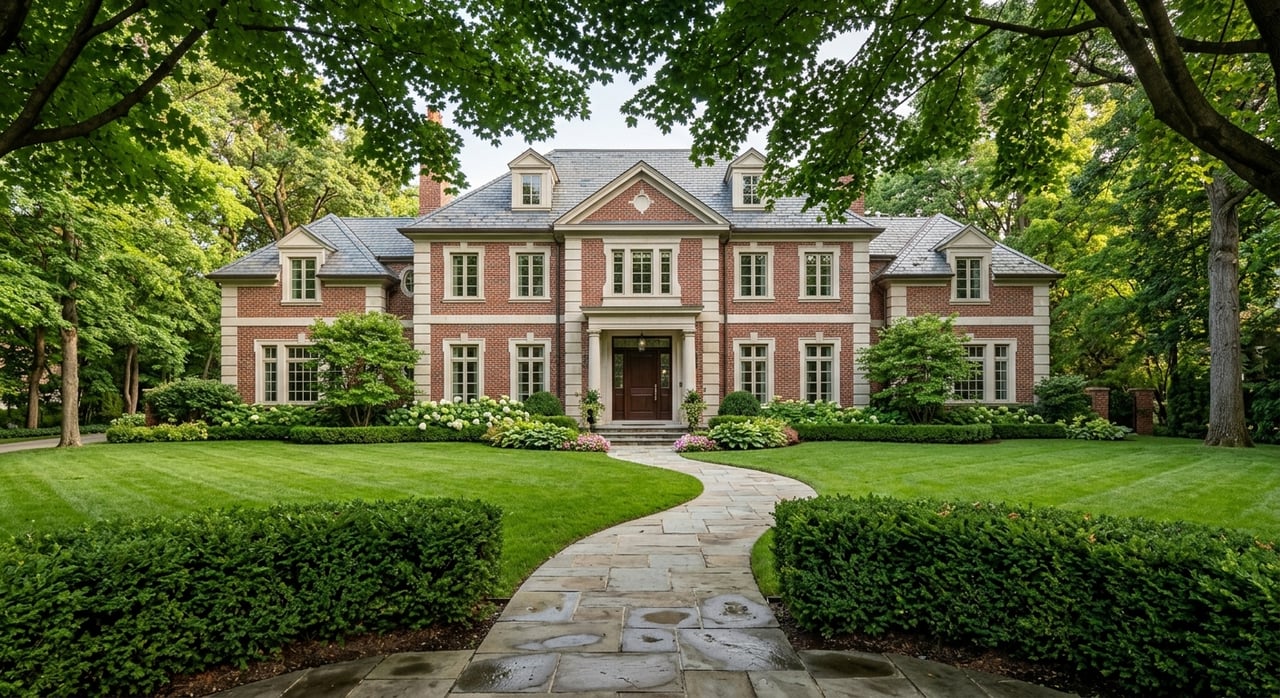
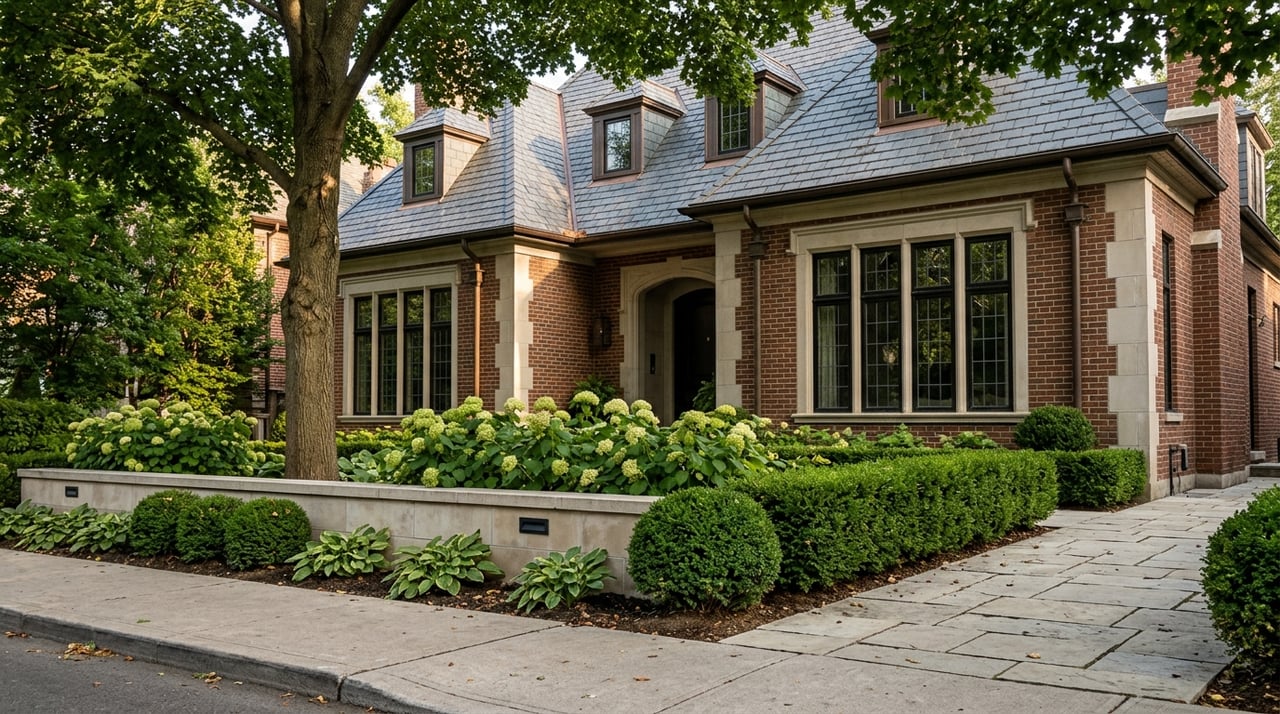
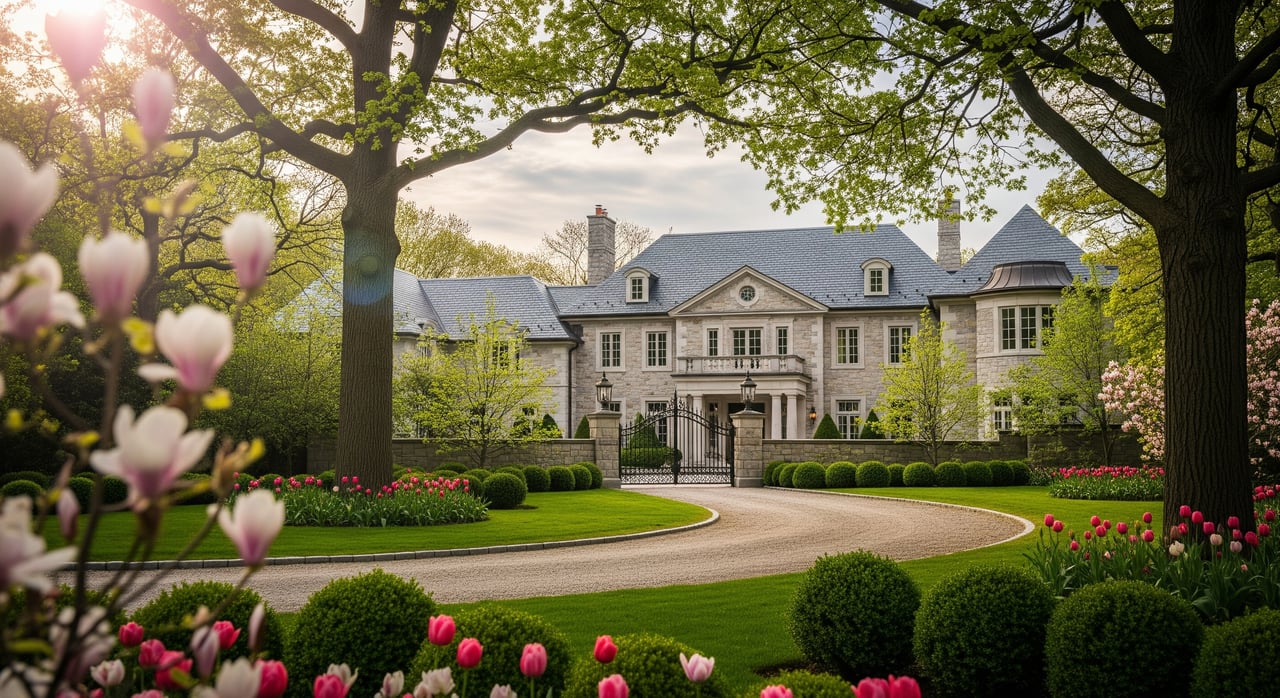
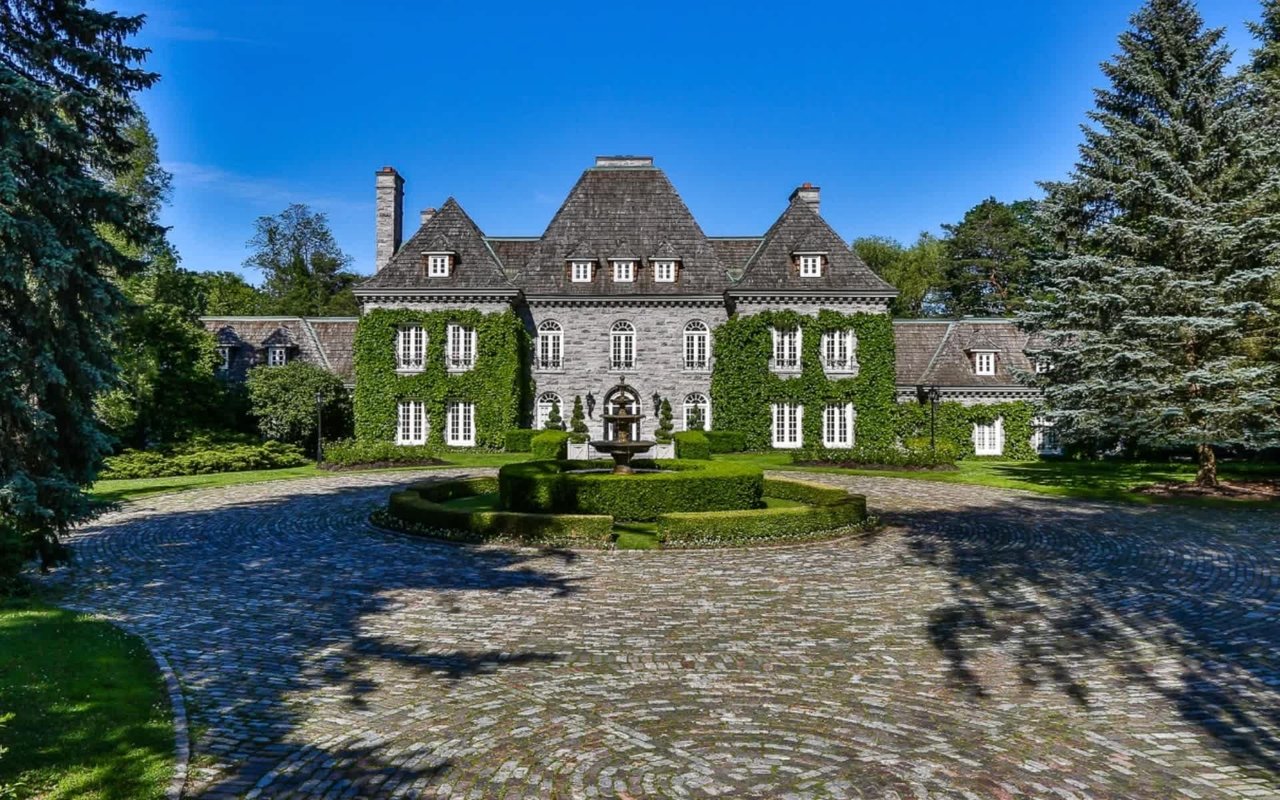
Lawrence Park is not just another Toronto neighbourhood. City of Toronto heritage and planning material describes it as one of the city’s first planned garden suburbs, shaped by curving streets, mature trees, generous lots, and period homes with a strong relationship to the landscape.
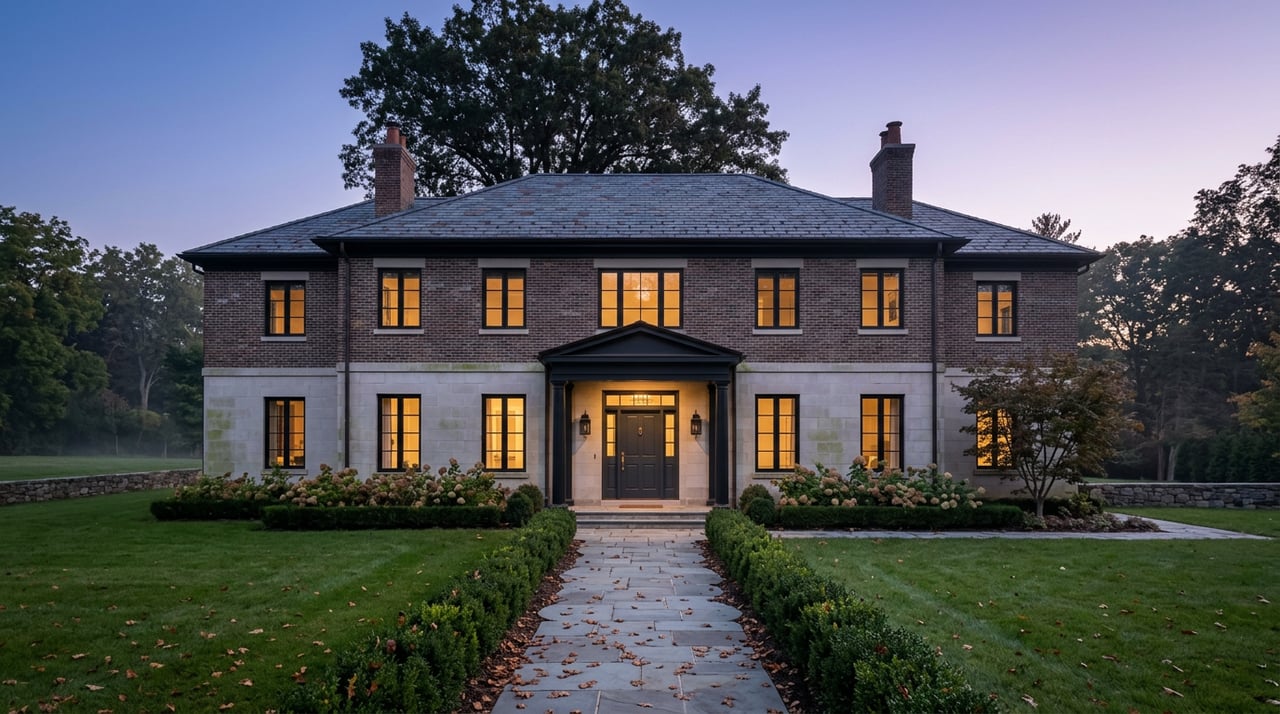
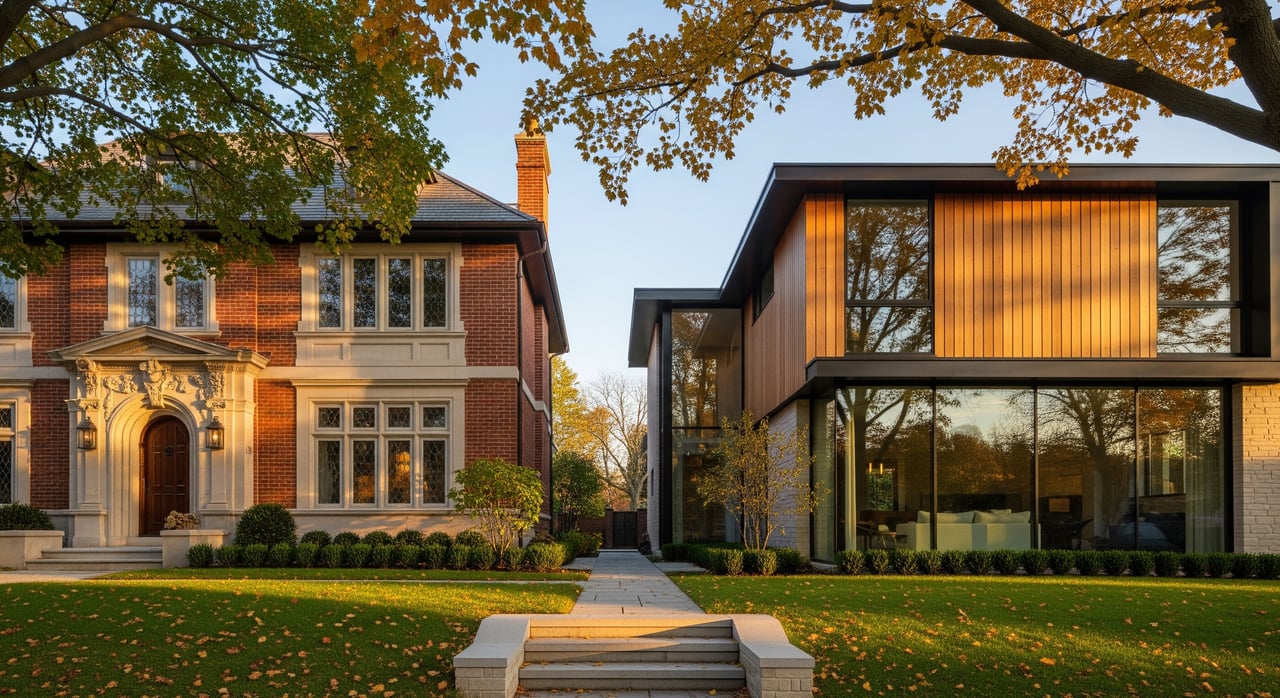
That matters when you sell. In practical terms, buyers are often evaluating the whole composition, not only your kitchen finishes or room sizes. The home’s exterior presence, landscaping, and architectural integrity can all influence how refined and well-kept the property feels.
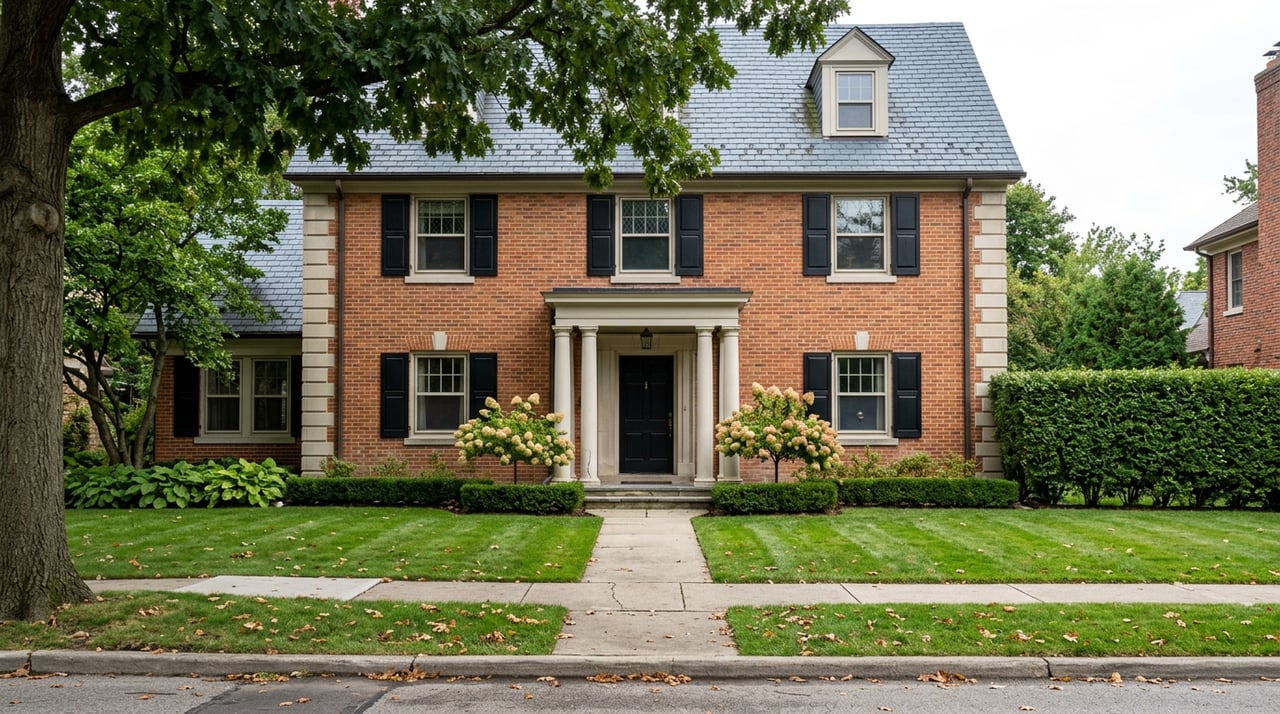
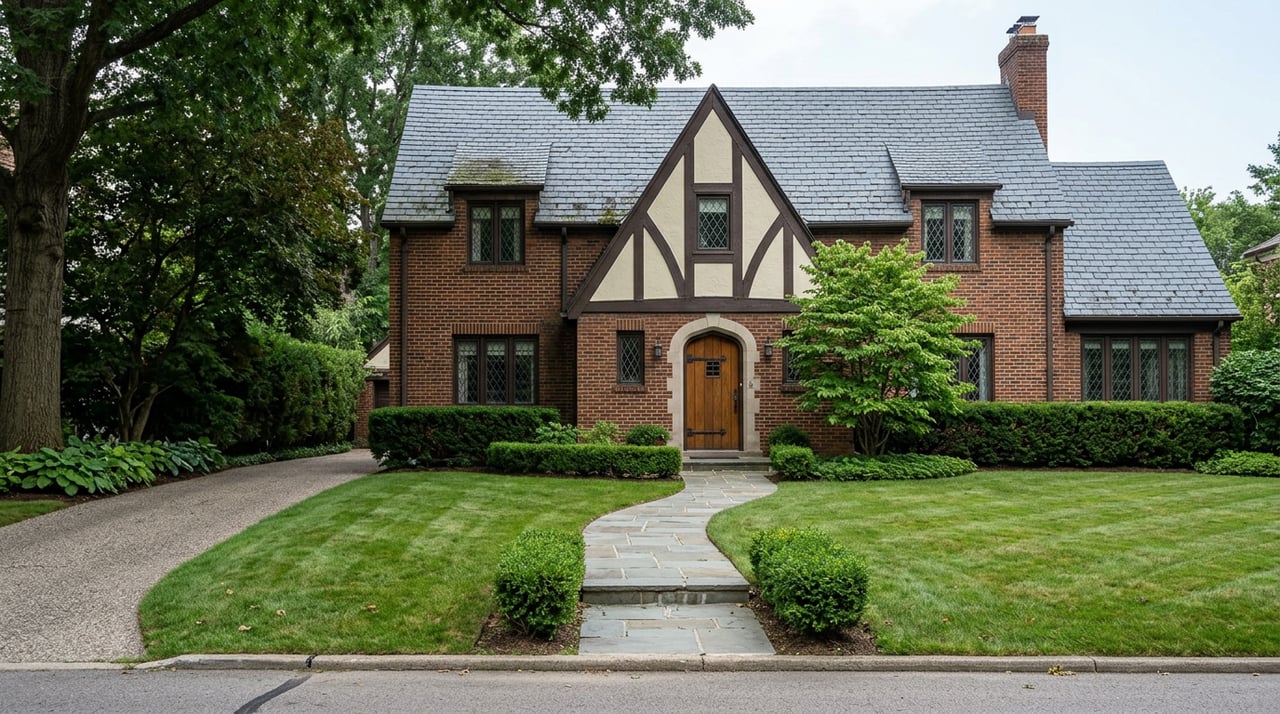
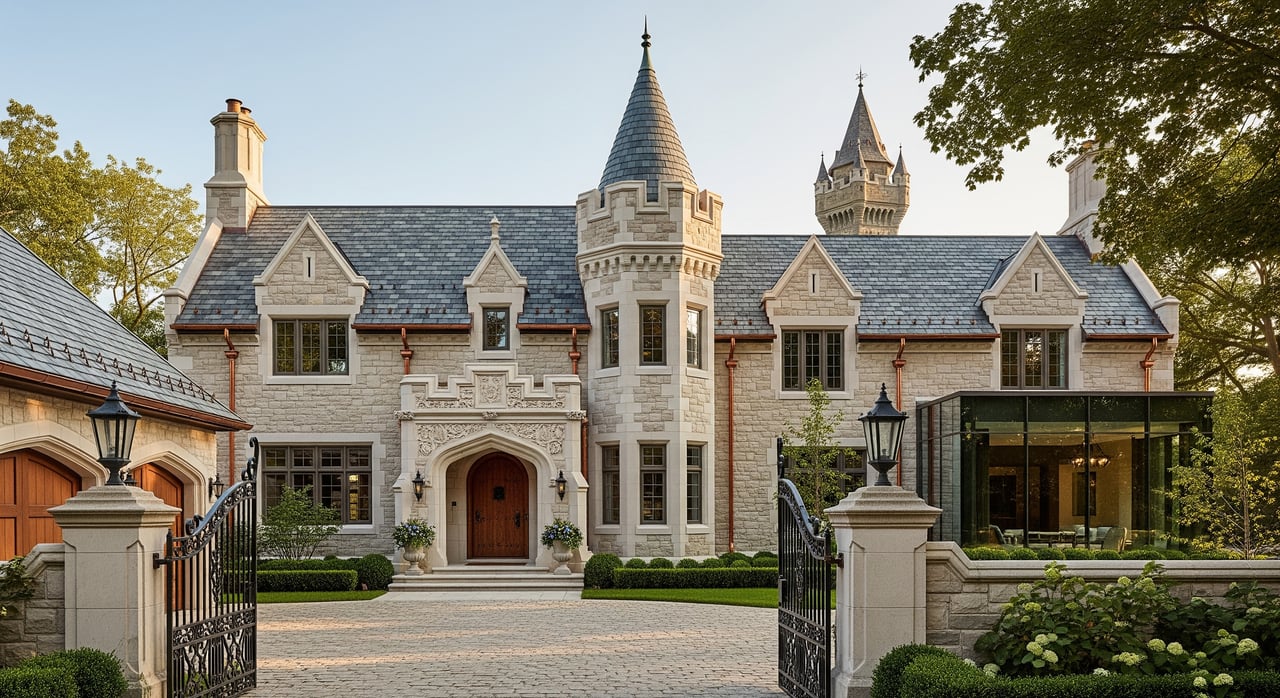
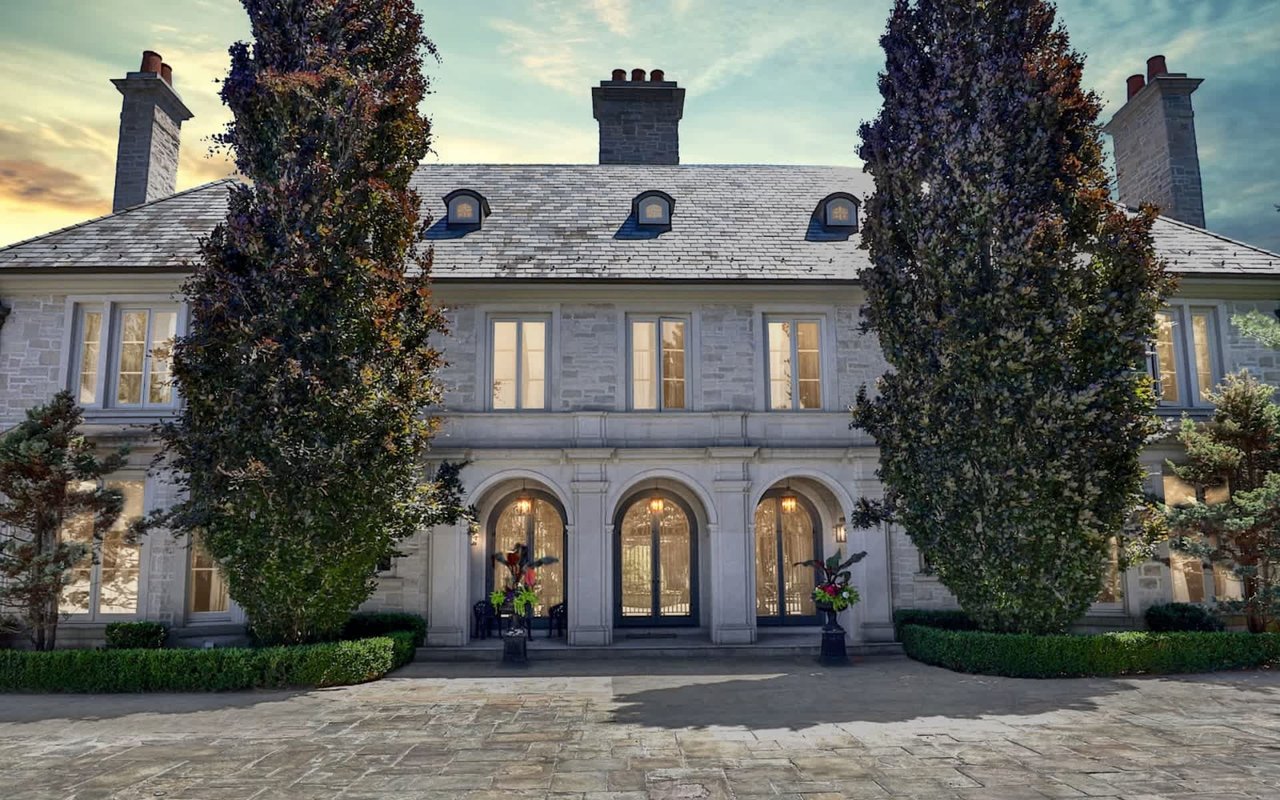
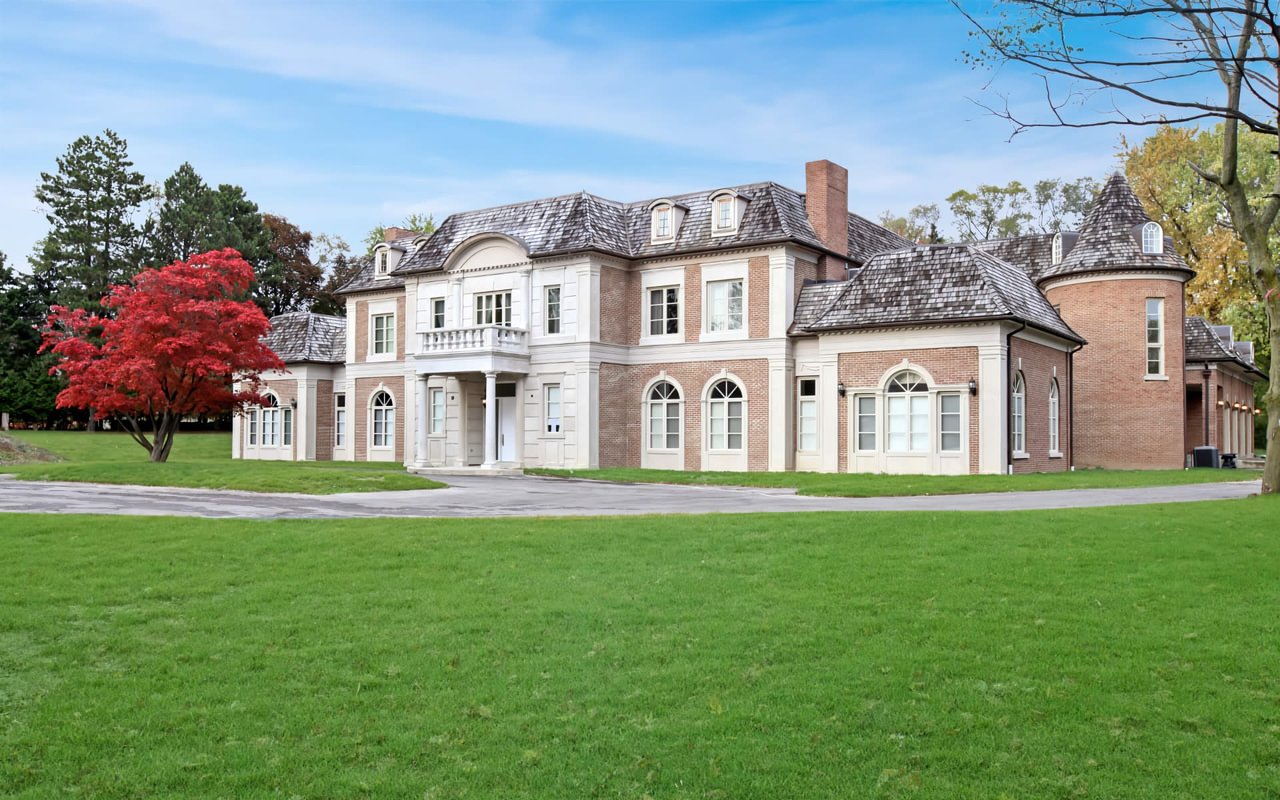
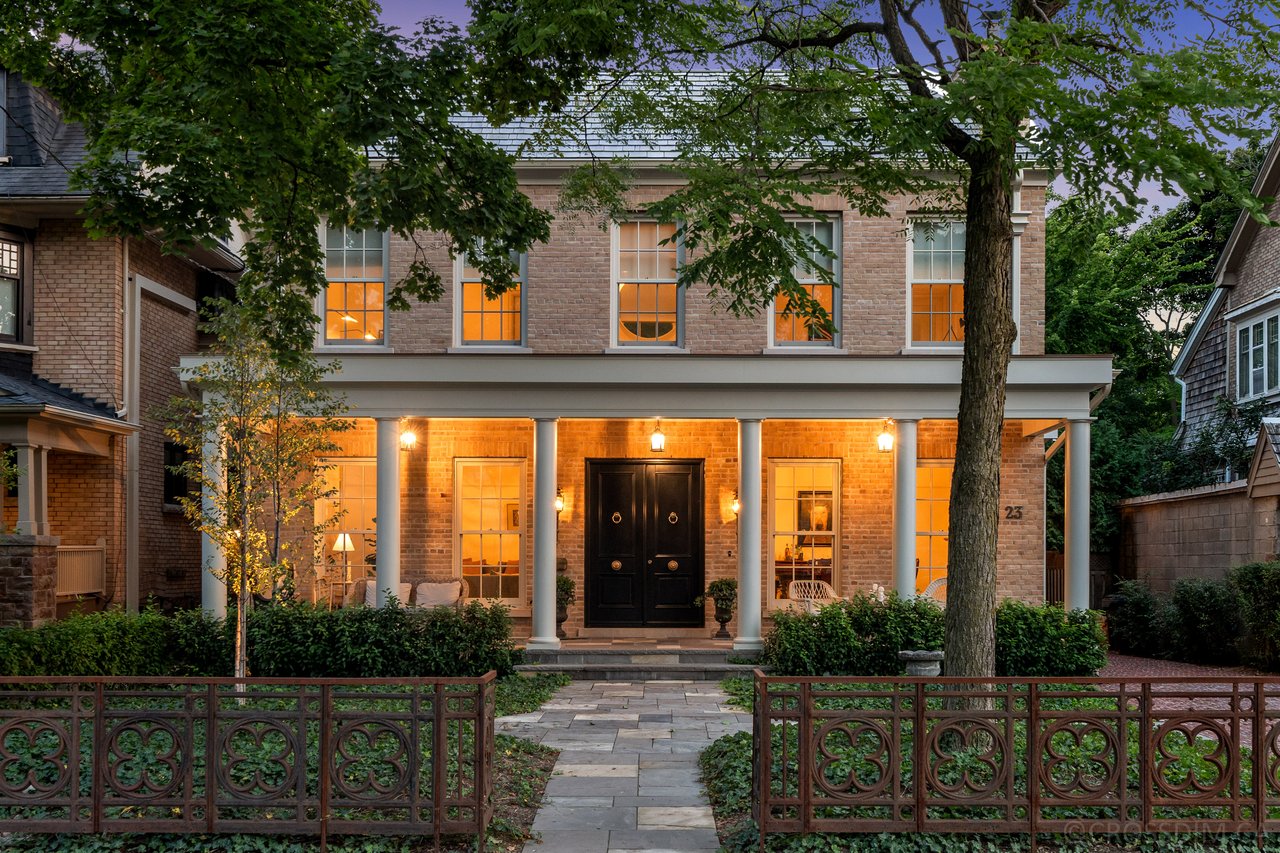
In many pockets of Lawrence Park, especially older sections, updates that feel out of step with the original design can weaken the home’s appeal. If your property has Tudor, Georgian, Colonial, Arts & Crafts, or English Cottage influences, the goal is usually to highlight those details rather than cover them up.
Start with due diligence
Before you book contractors or approve exterior work, confirm your home’s current heritage status with the City of Toronto. A designated property requires a heritage permit for changes, while a listed but not designated property does not require a heritage permit for changes, though listed properties do require 60 days’ written notice before removal or demolition of a building or structure.
This step matters because Lawrence Park West was also authorized for study as a potential Heritage Conservation District. That means you should verify the rules that apply to your specific property instead of assuming one standard applies to the entire neighbourhood.
You should also check whether any planned work needs a building permit. The City of Toronto requires permits for most construction, demolition, additions, and major renovations, so it is wise to separate simple cosmetic work from anything that affects structure, systems, or footprint.
Don’t overlook trees and landscape rules
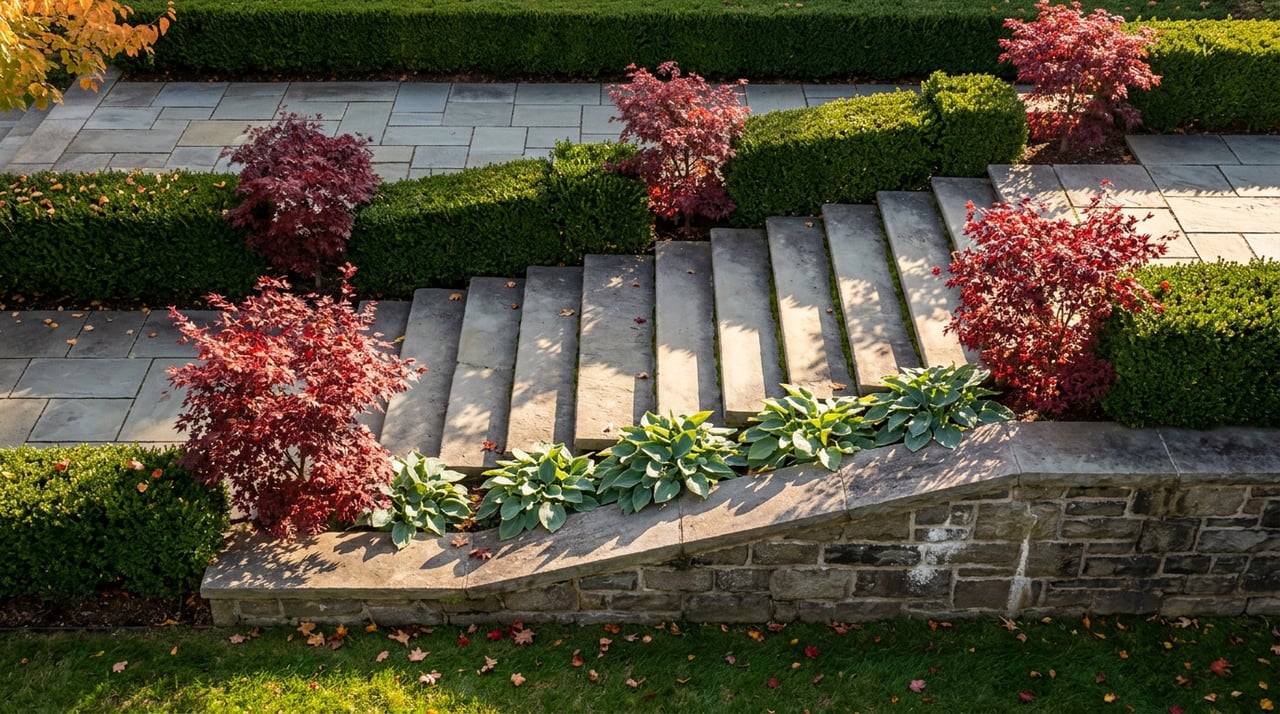
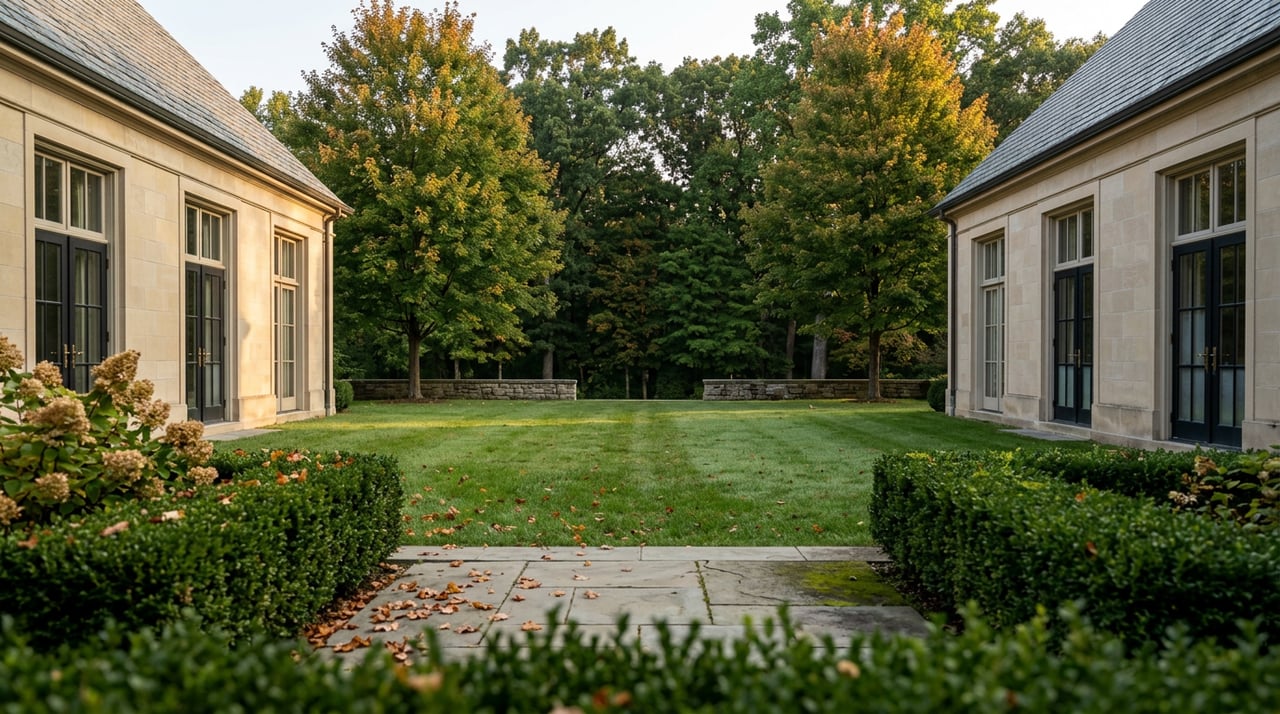
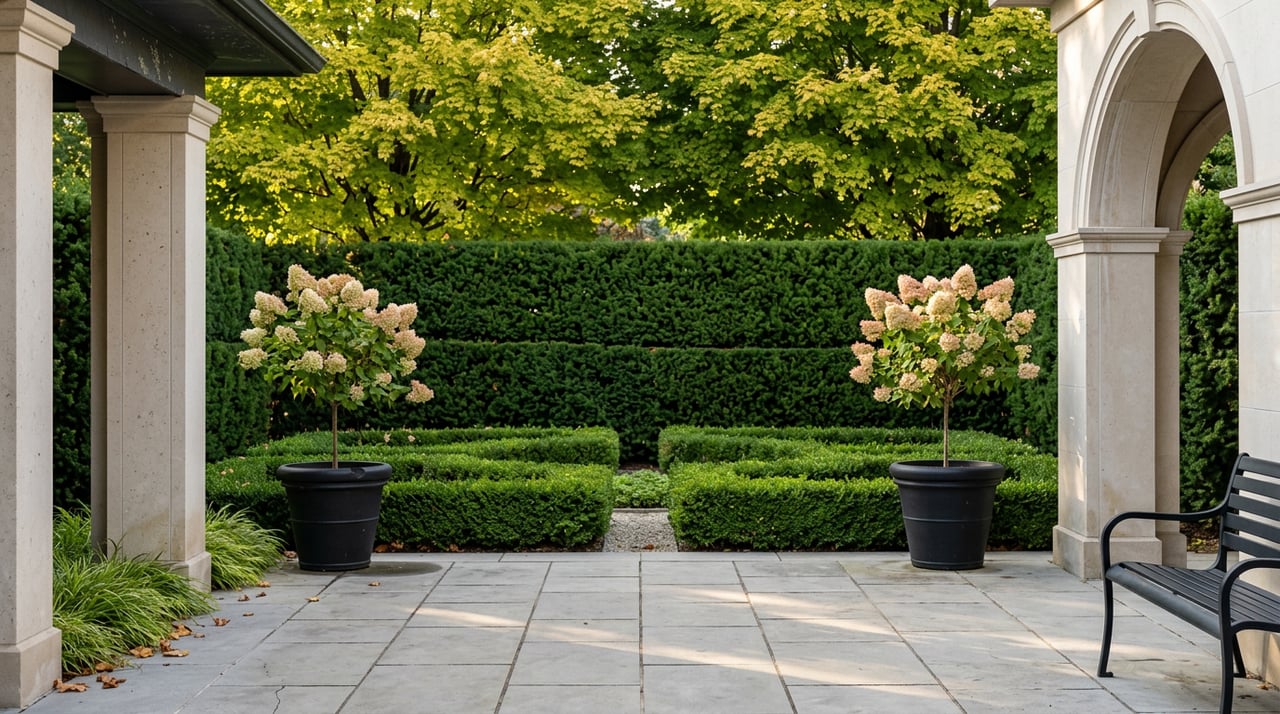
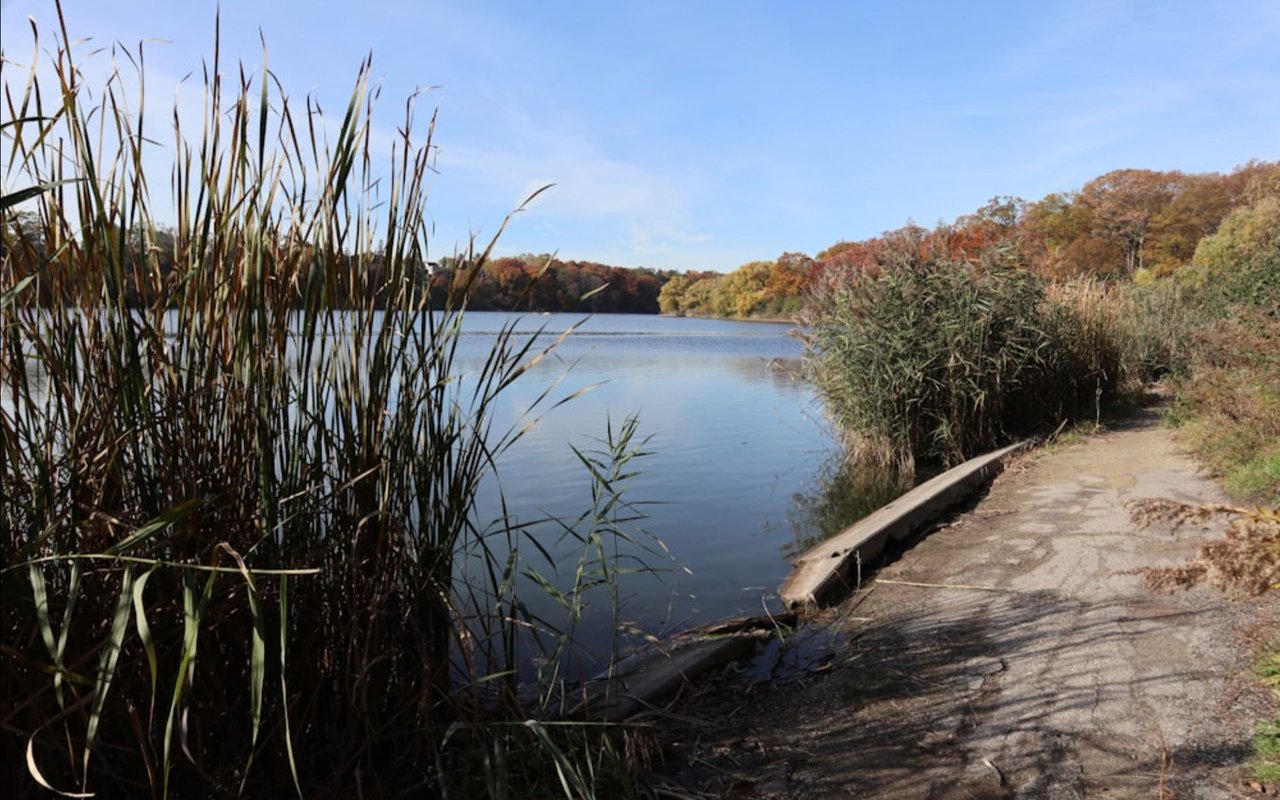
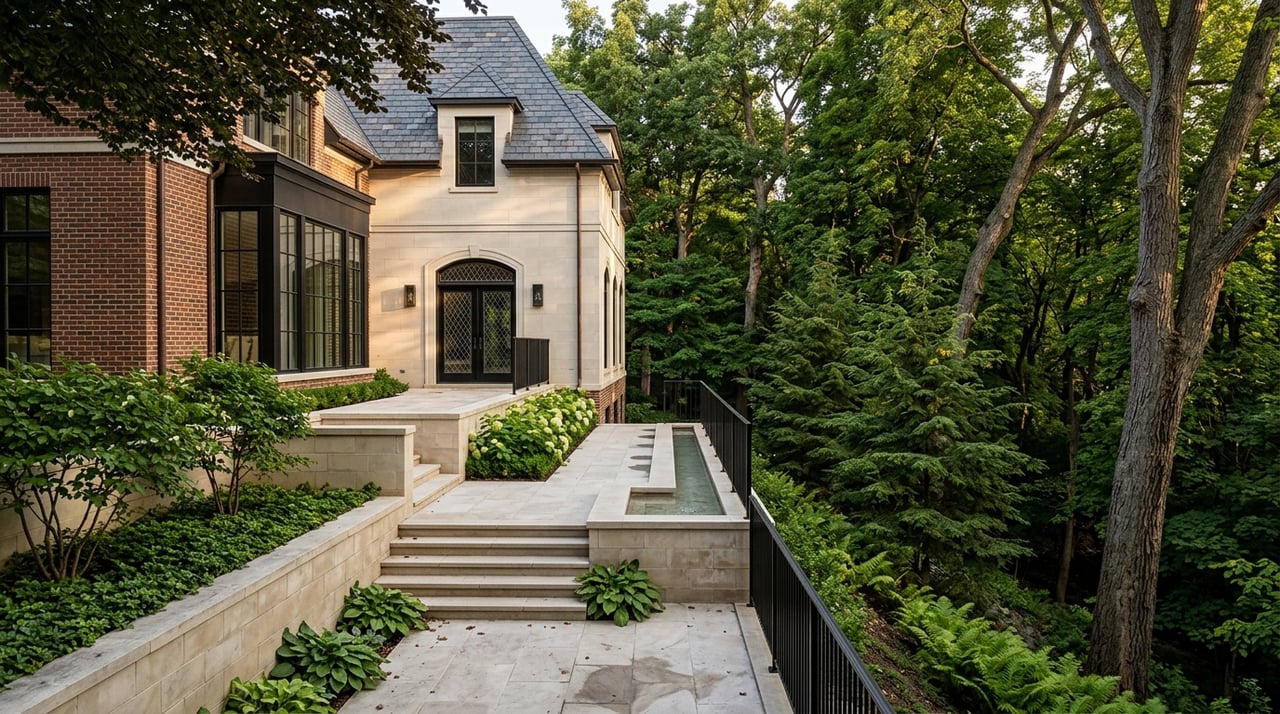
In Lawrence Park, the landscape is part of the sale. Mature trees, composed planting, and the visual relationship between house and garden all contribute to the neighbourhood’s identity.
Toronto also protects many trees. The City requires a permit to injure or remove a bylaw-protected tree, including all street trees and many private trees, and certain ravine or natural feature trees are protected as well.
That does not mean you cannot improve the grounds before listing. It means you should handle pruning, removals, and major landscape changes carefully and confirm whether approvals are needed before work begins.
Repair what buyers can see
For a premium sale, visible quality matters. In Lawrence Park, that often means investing in the exterior materials and architectural details that signal care, permanence, and authenticity.
Toronto’s Heritage Grant Program offers a helpful clue about what the City considers worth conserving. Eligible work can include masonry, windows, doors, wood detailing, and slate roofs, while routine painting and non-heritage roof work are not eligible.
That does not mean every seller should pursue a grant before listing. It does suggest that original materials and details often deserve repair rather than replacement, especially when they contribute to the home’s architectural identity.
Preserve original windows and doors
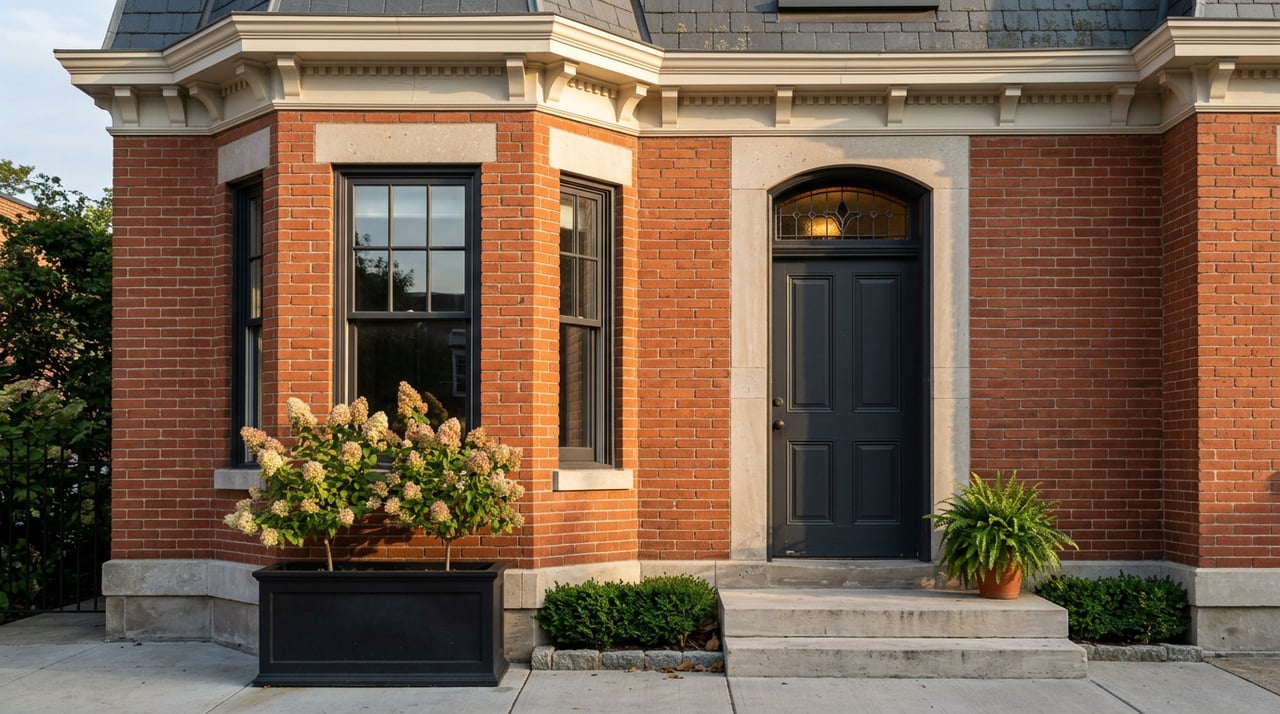
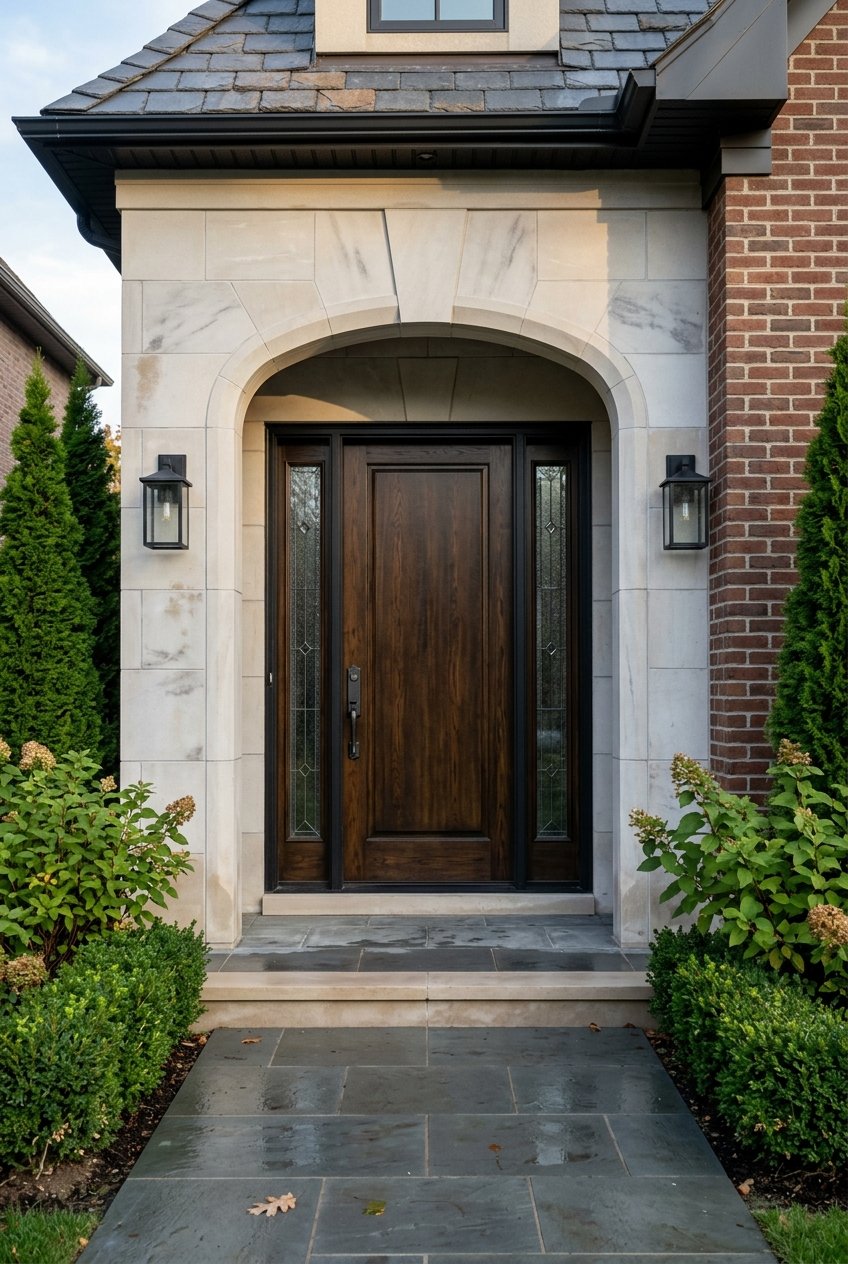
If your home still has original windows or doors, think carefully before replacing them. The City’s grant guidance specifically treats repair of existing original windows and doors as eligible work, while replacement of repairable originals is not.
If replacement is truly necessary, matching the original materials, operation, and detailing is the safer approach. Buyers looking in Lawrence Park often notice when a home’s exterior elements feel authentic and consistent.
Prioritize masonry and roof details
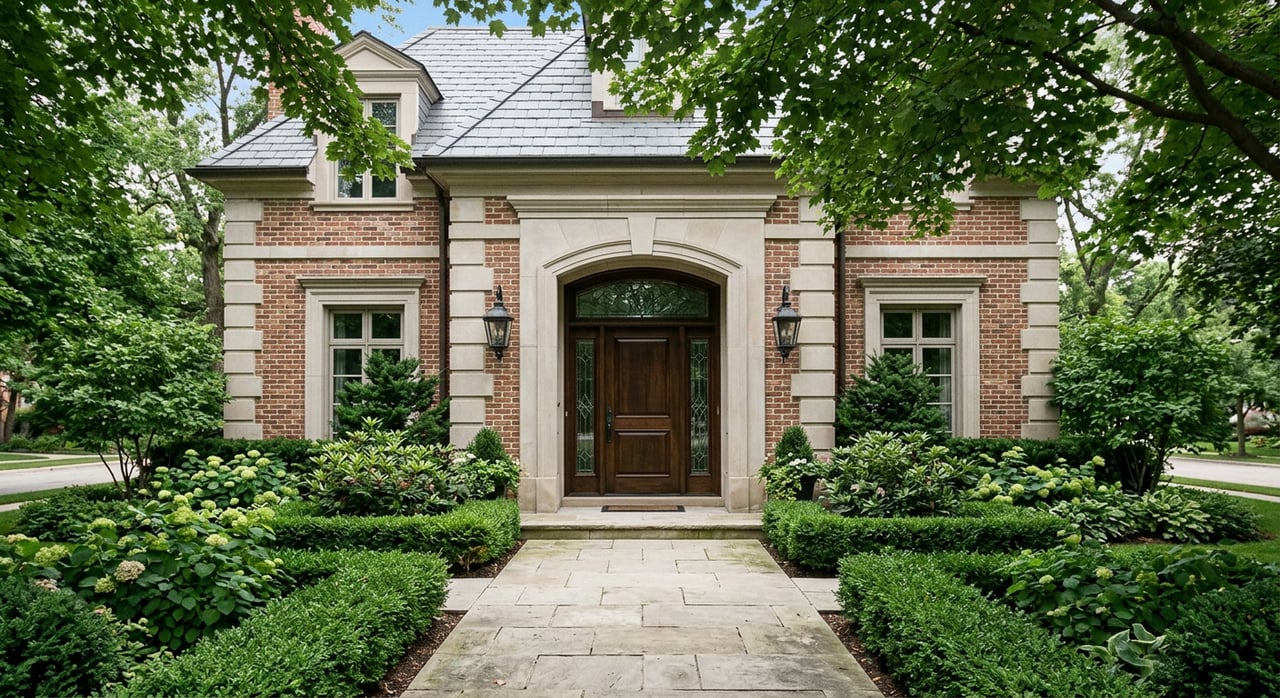
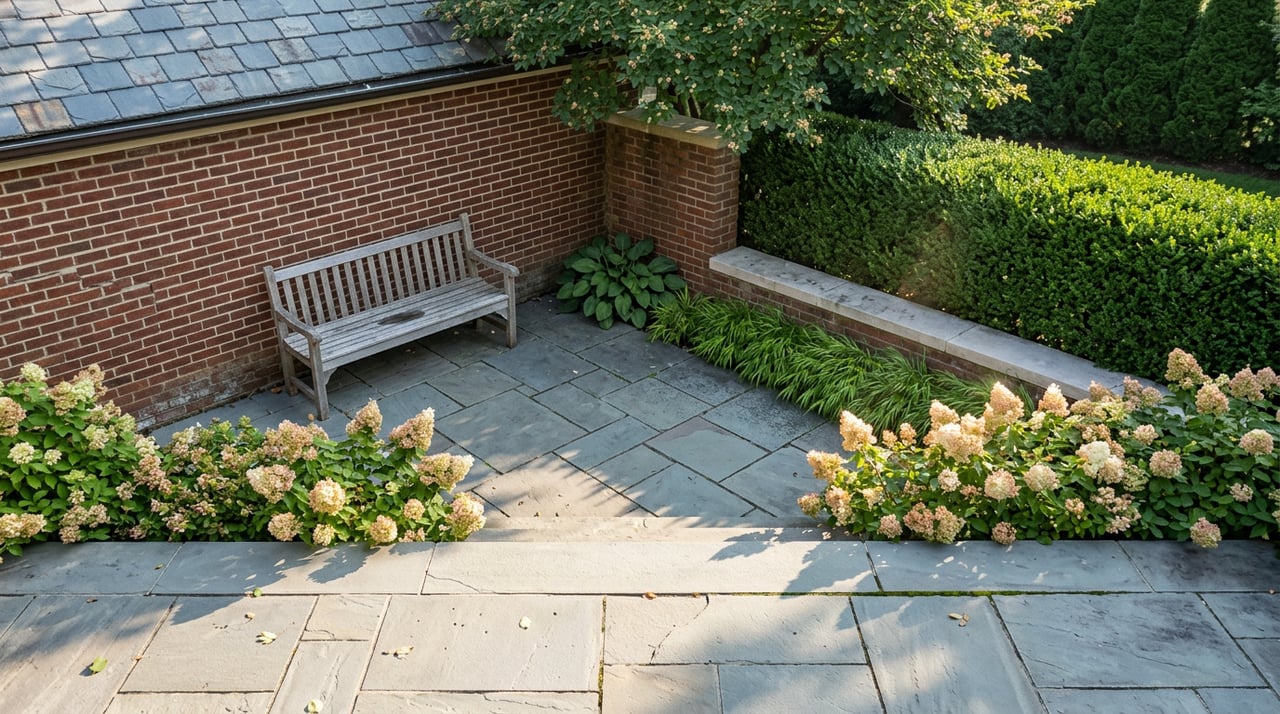
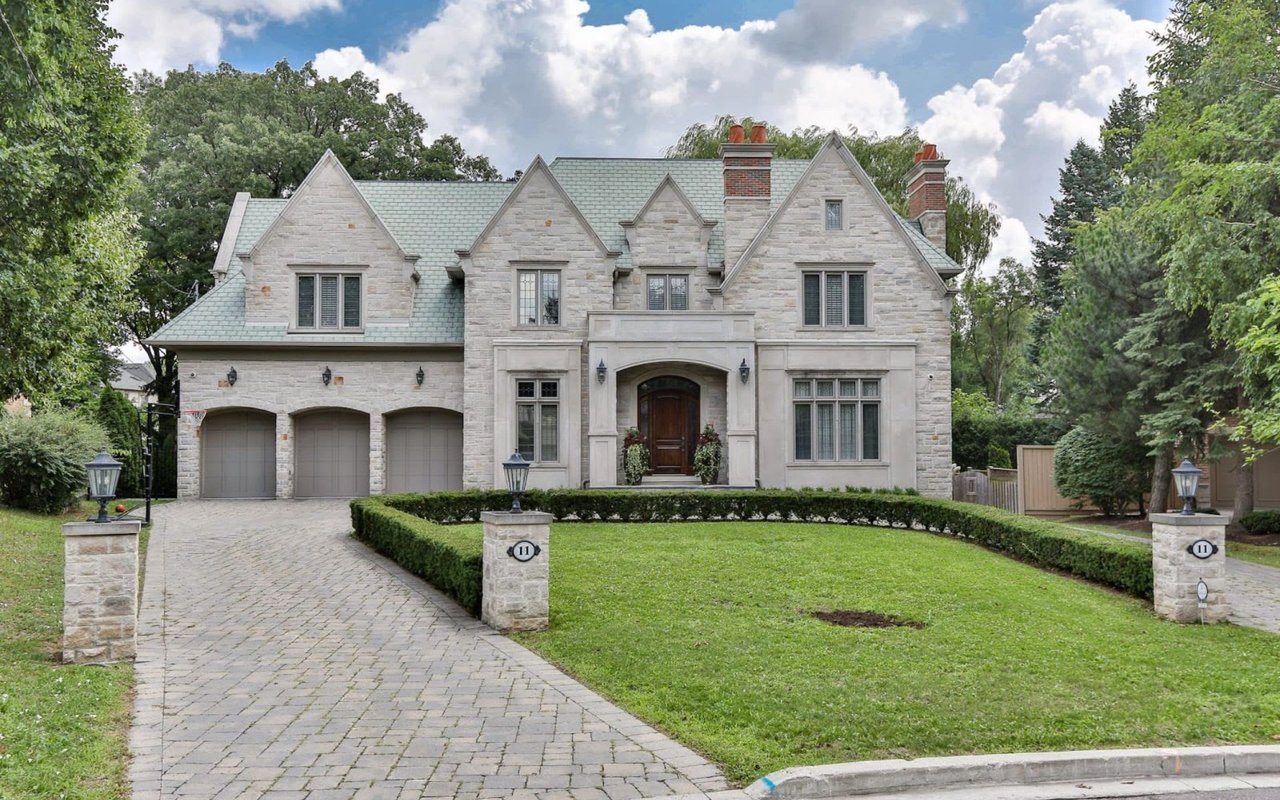
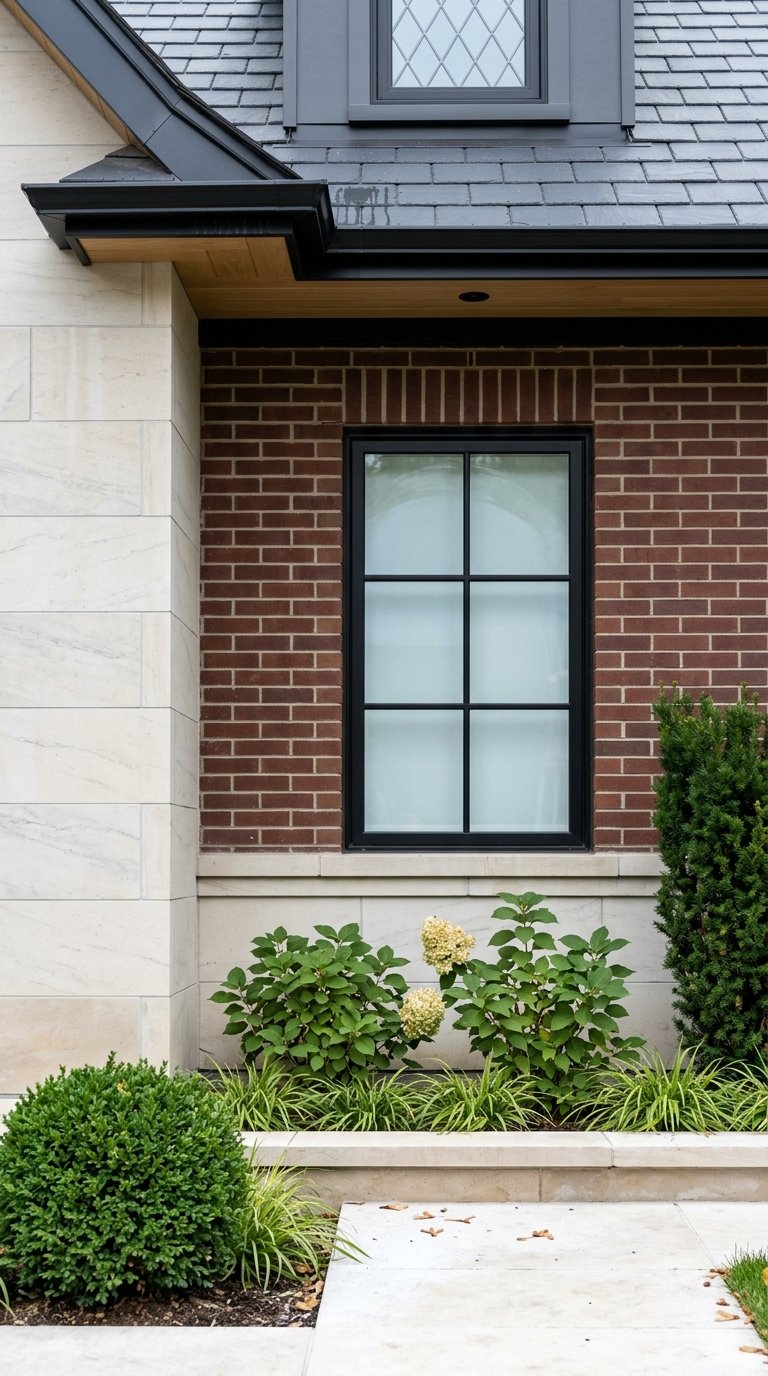
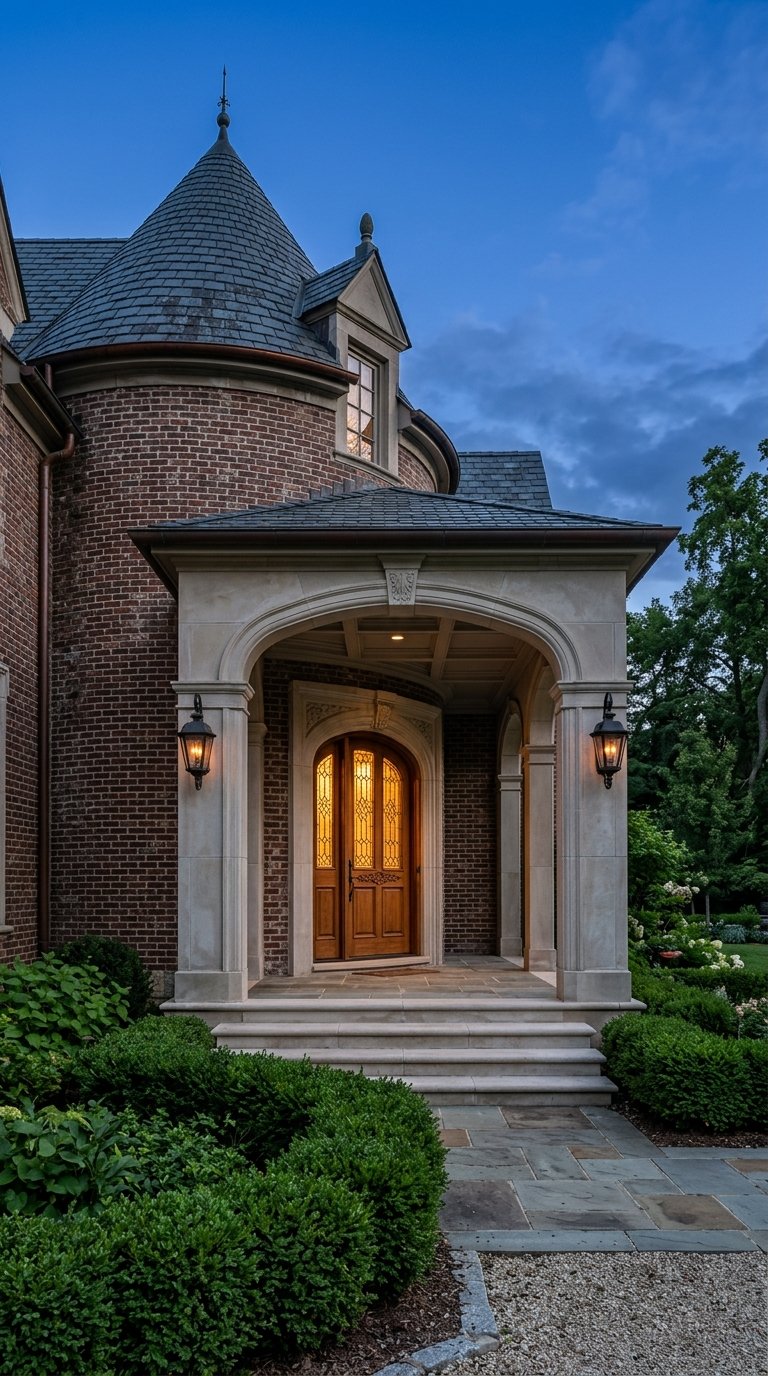
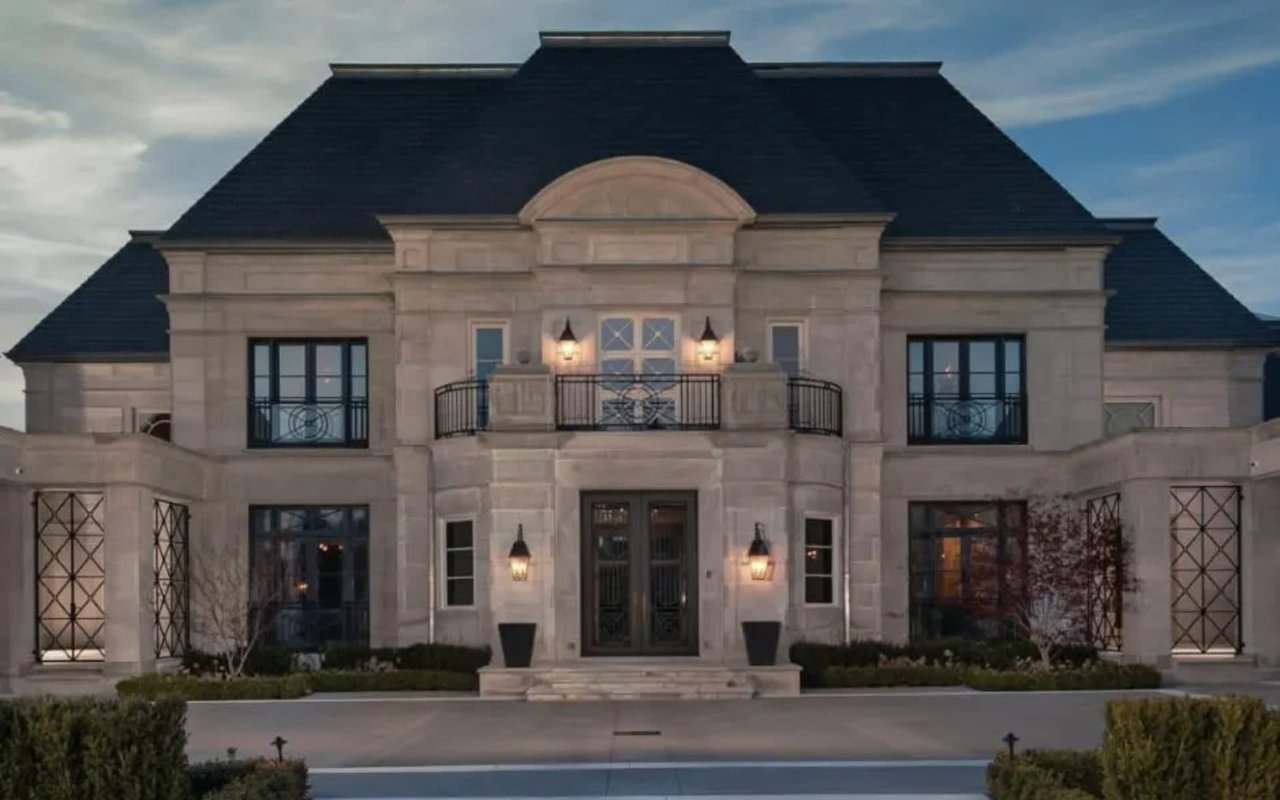
Brickwork, stonework, wood trim, and slate or period-appropriate roofing details can strongly influence first impressions. Deferred maintenance in these areas can make an otherwise exceptional home feel less cared for.
You do not always need a full restoration to improve market readiness. In many cases, targeted repairs and proper maintenance can help the property read as elegant, solid, and well stewarded.
Inspect early to avoid surprises
Older prestige homes often have charm, but they can also have hidden issues. A pre-listing inspection can help surface concerns in major systems that buyers are likely to examine anyway, including electrical, roofing, plumbing, heating and air conditioning, foundation, and septic systems.
This step can give you more control over timing and decision-making. Instead of reacting to issues in the middle of negotiations, you can decide what to repair, what to disclose, and how to position the home with greater confidence.
RECO also warns that sellers must disclose latent defects and that failing to disclose them can lead to litigation. A seller-side inspection can support more accurate disclosure and reduce the risk of last-minute friction.
Stage for character, not clutter
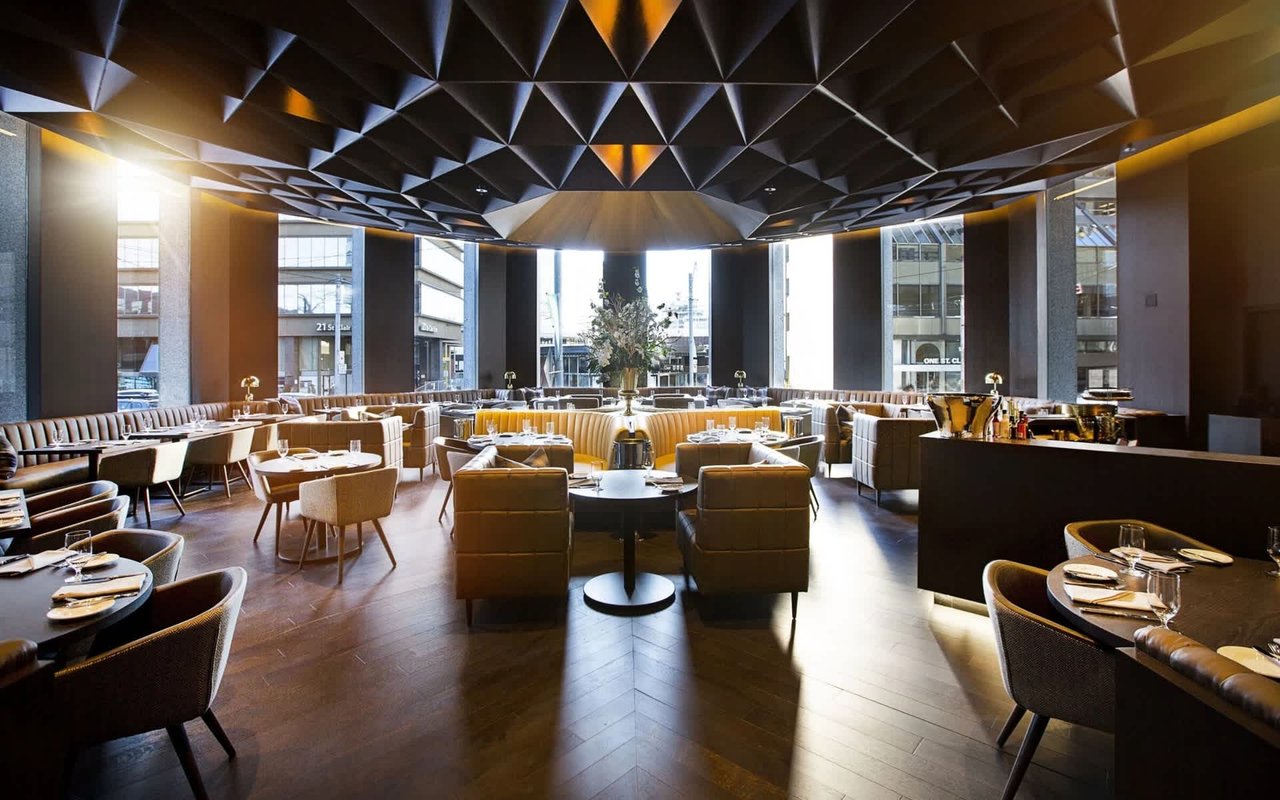
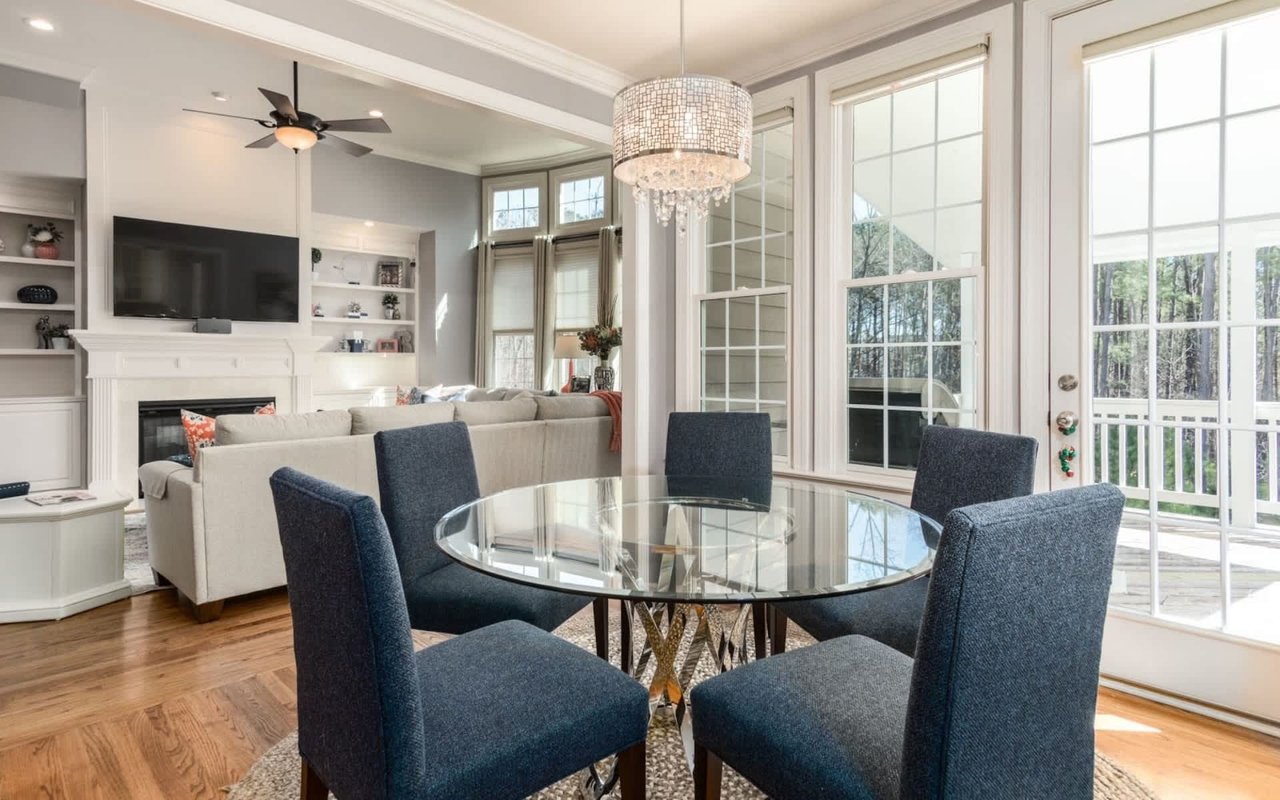
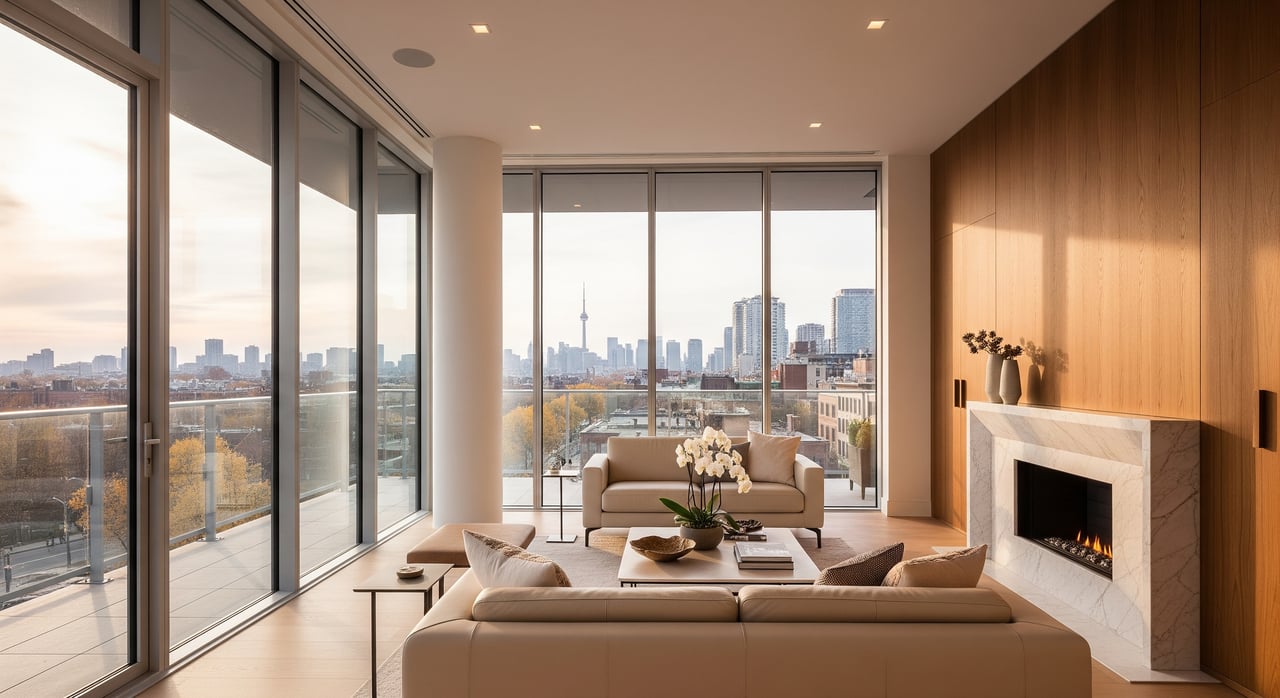
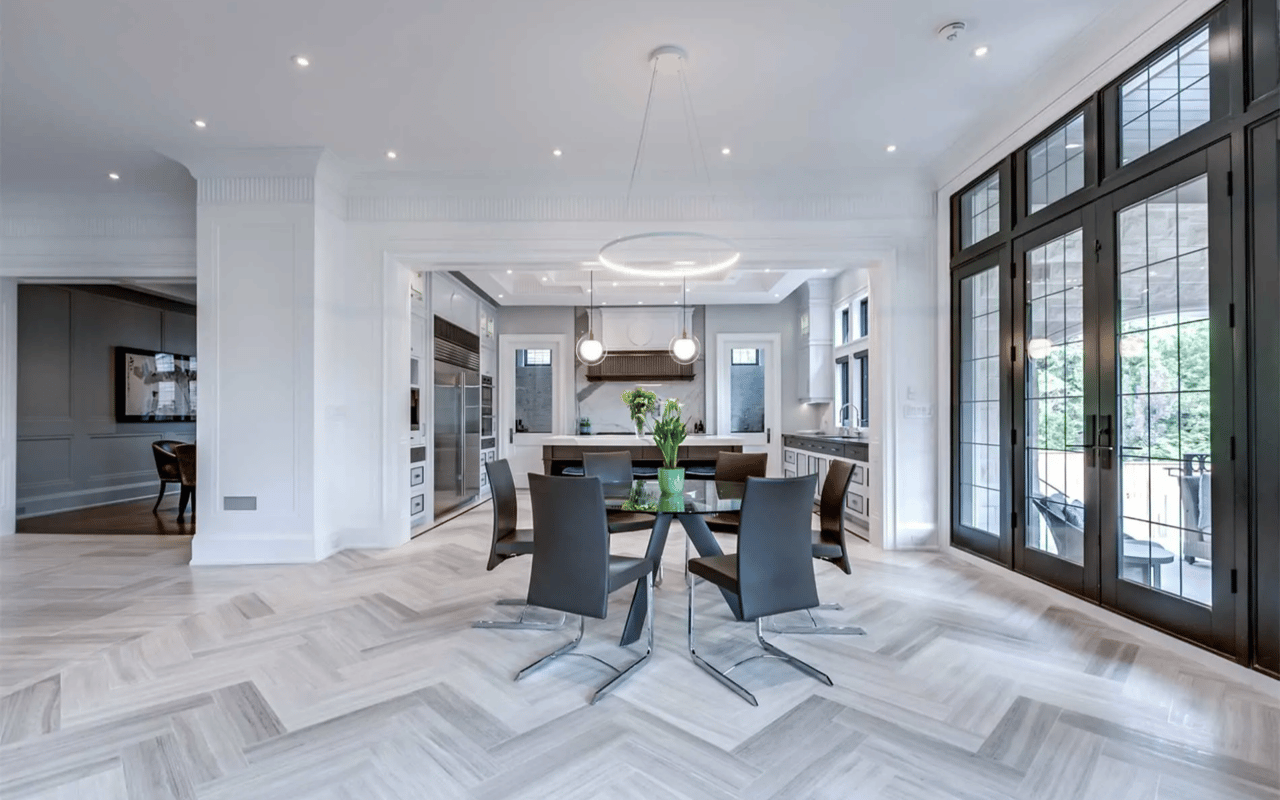
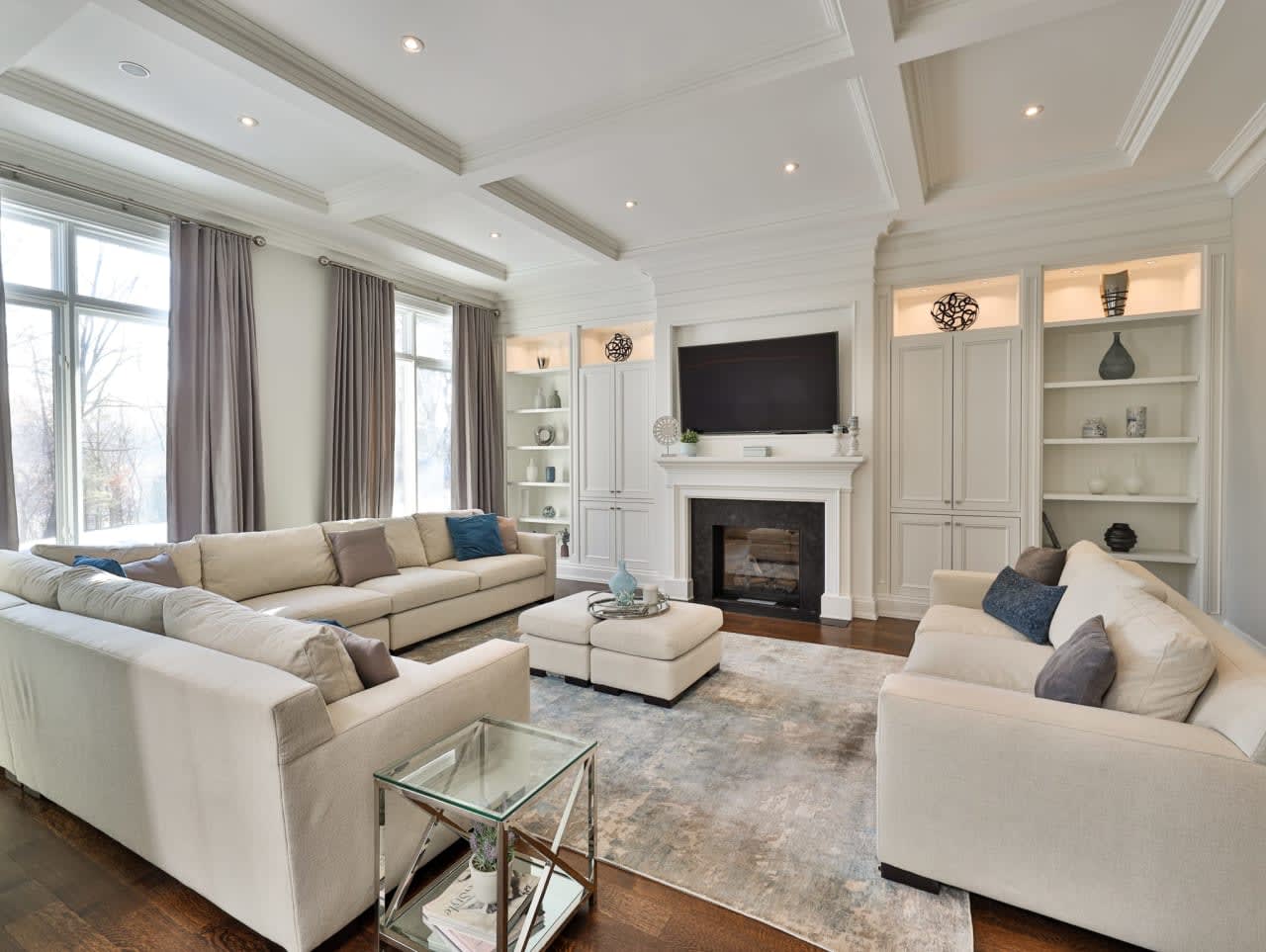
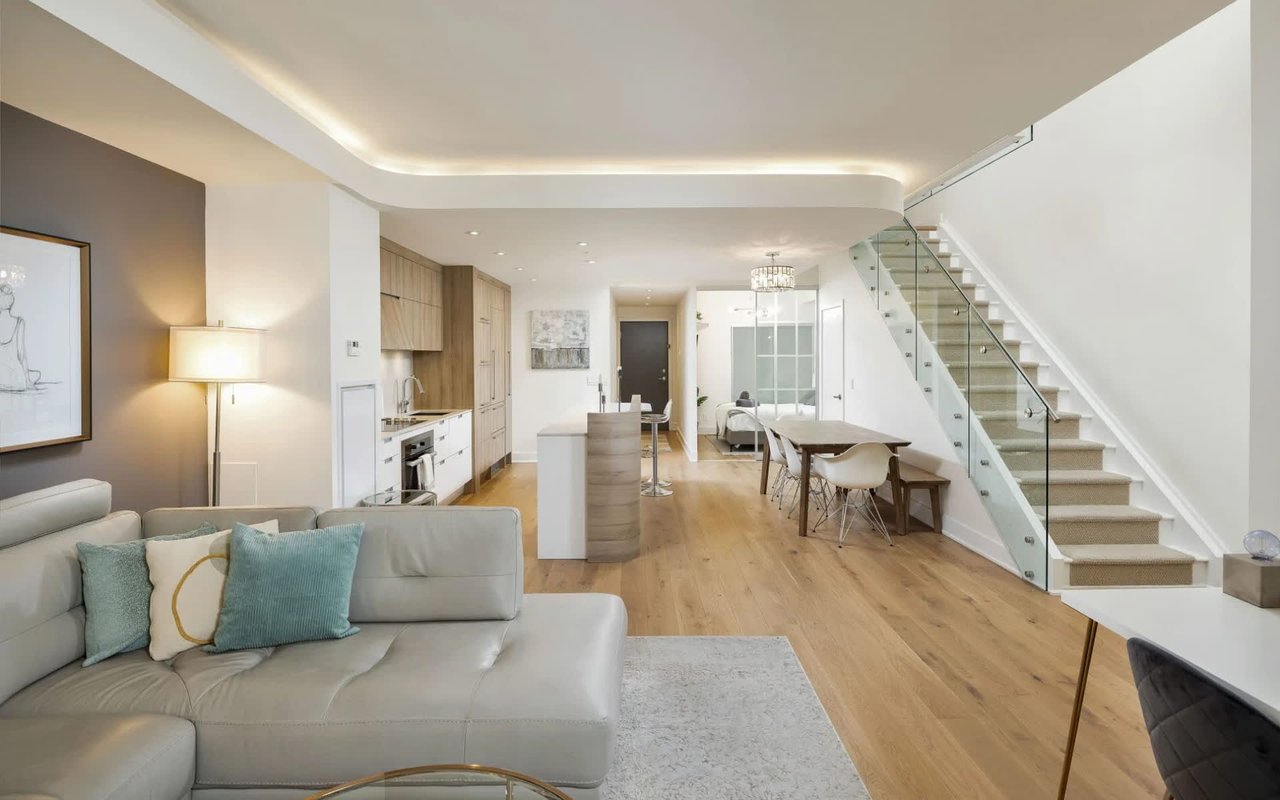
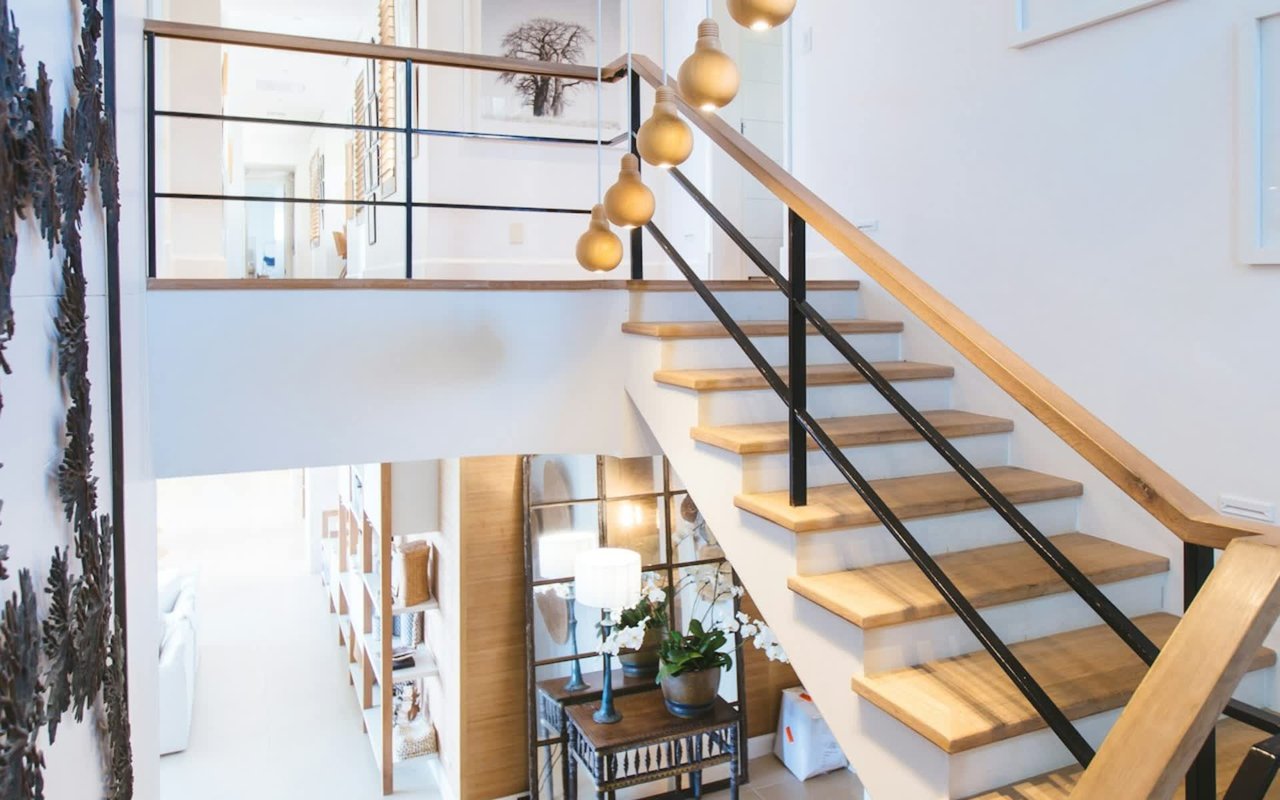
In a neighbourhood like Lawrence Park, staging works best when it supports the architecture. The goal is not to overdecorate. It is to create a calm, polished setting that helps buyers notice scale, light, craftsmanship, and flow.
Industry survey data points to real benefits. In the 2025 Profile of Home Staging, 29 percent of agents said staging produced a 1 percent to 10 percent increase in dollar value offered, 49 percent said it reduced time on market, and 83 percent of buyers’ agents said staging made it easier for buyers to envision the property as their future home.
That is especially relevant in luxury homes, where buyers are often making emotional as well as financial decisions. The presentation should help them picture a refined lifestyle without distracting from original character features.
Focus on the most important rooms
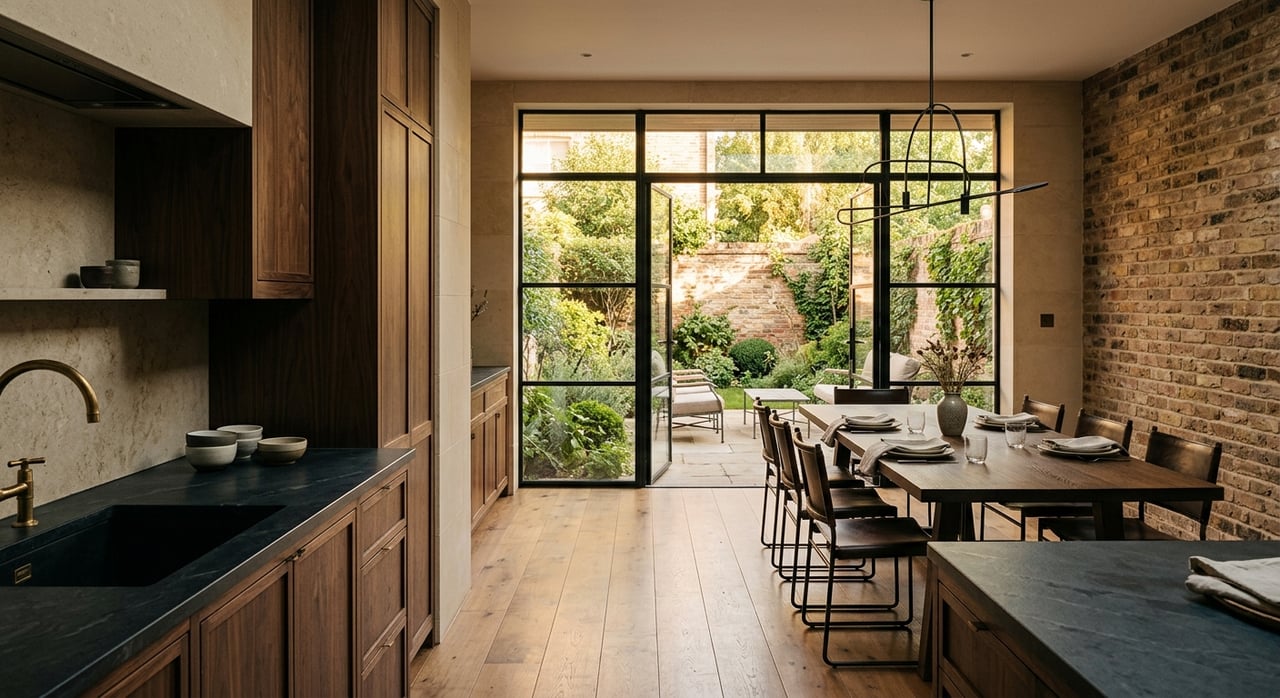
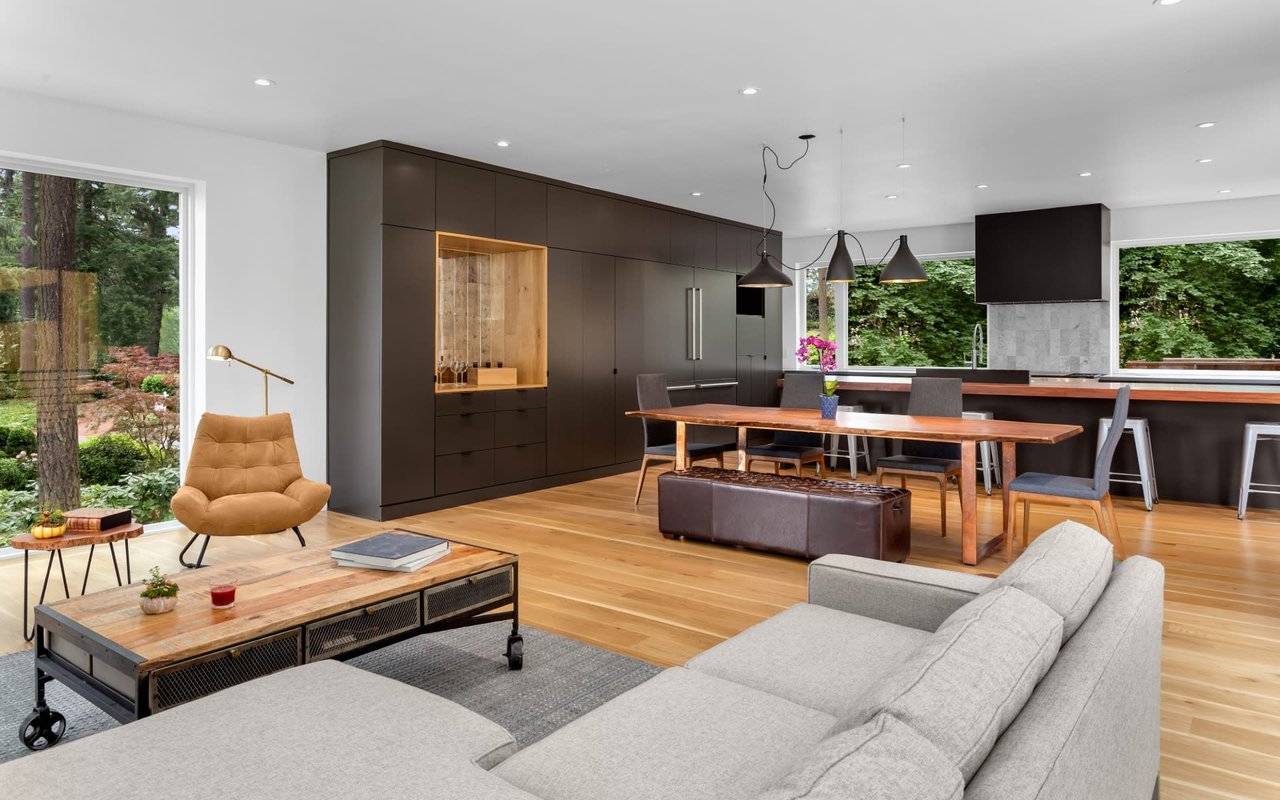
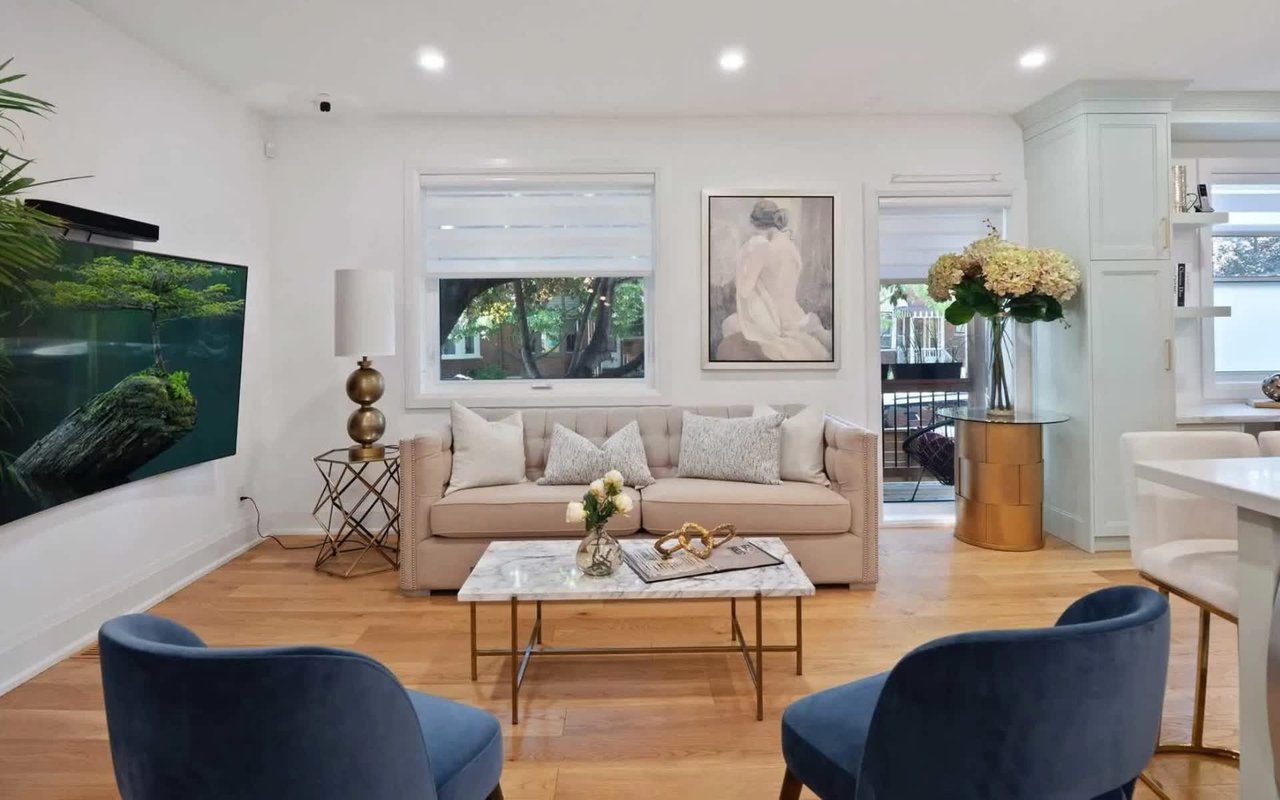
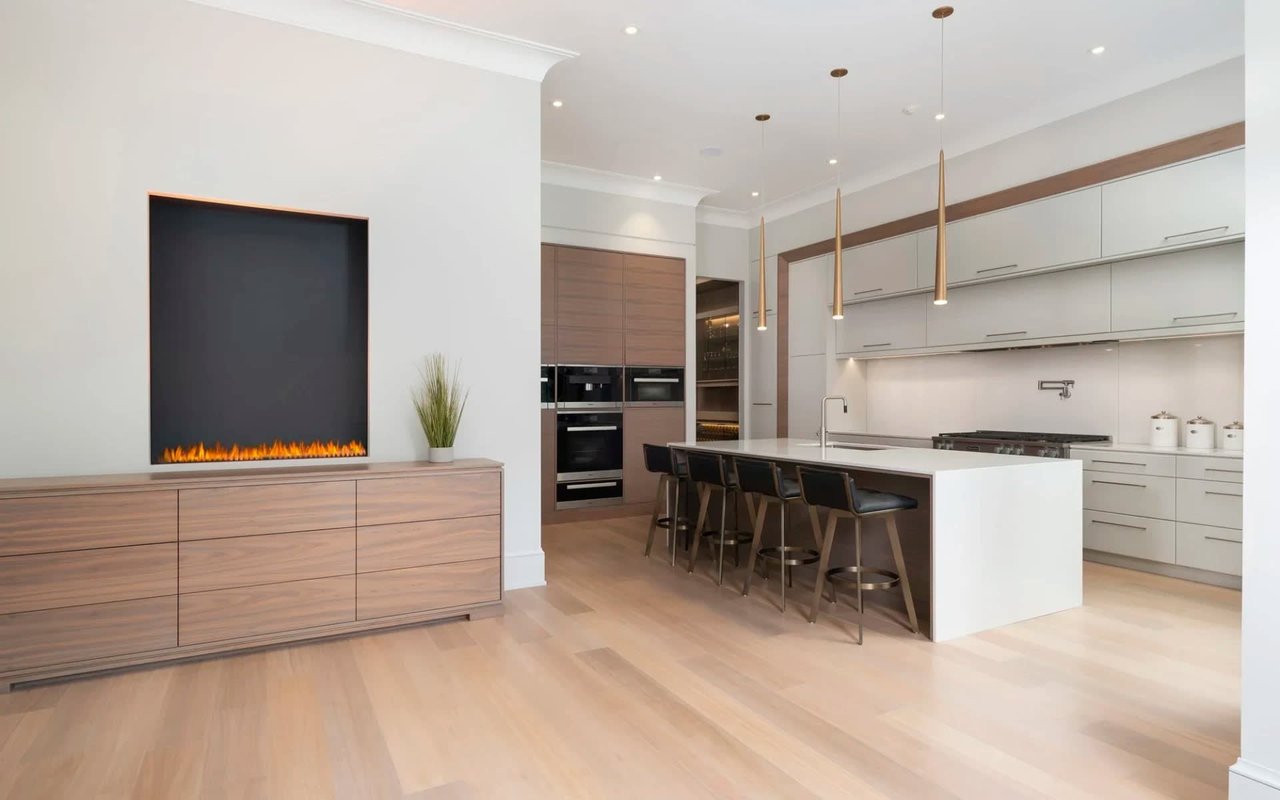
The same staging report found the living room, primary bedroom, and kitchen were the most important rooms to stage. If you are making choices about budget and effort, start there.
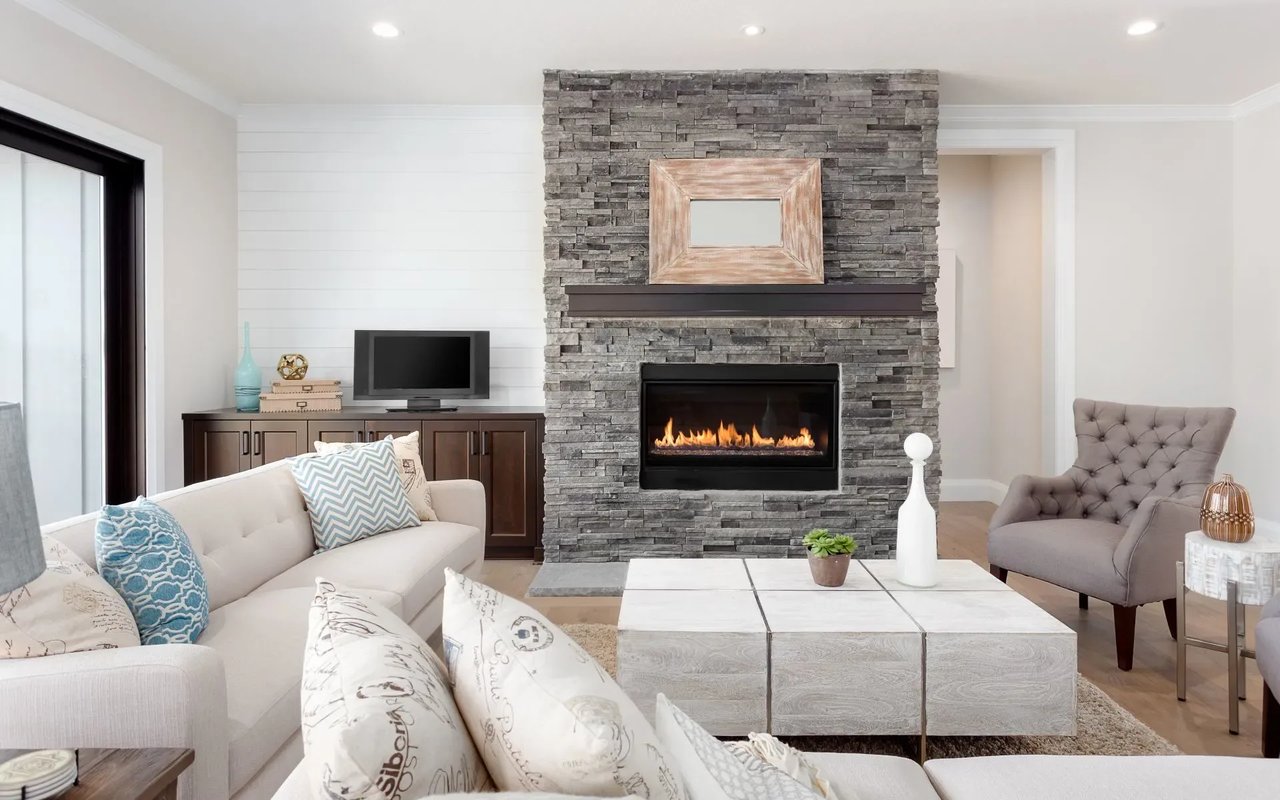
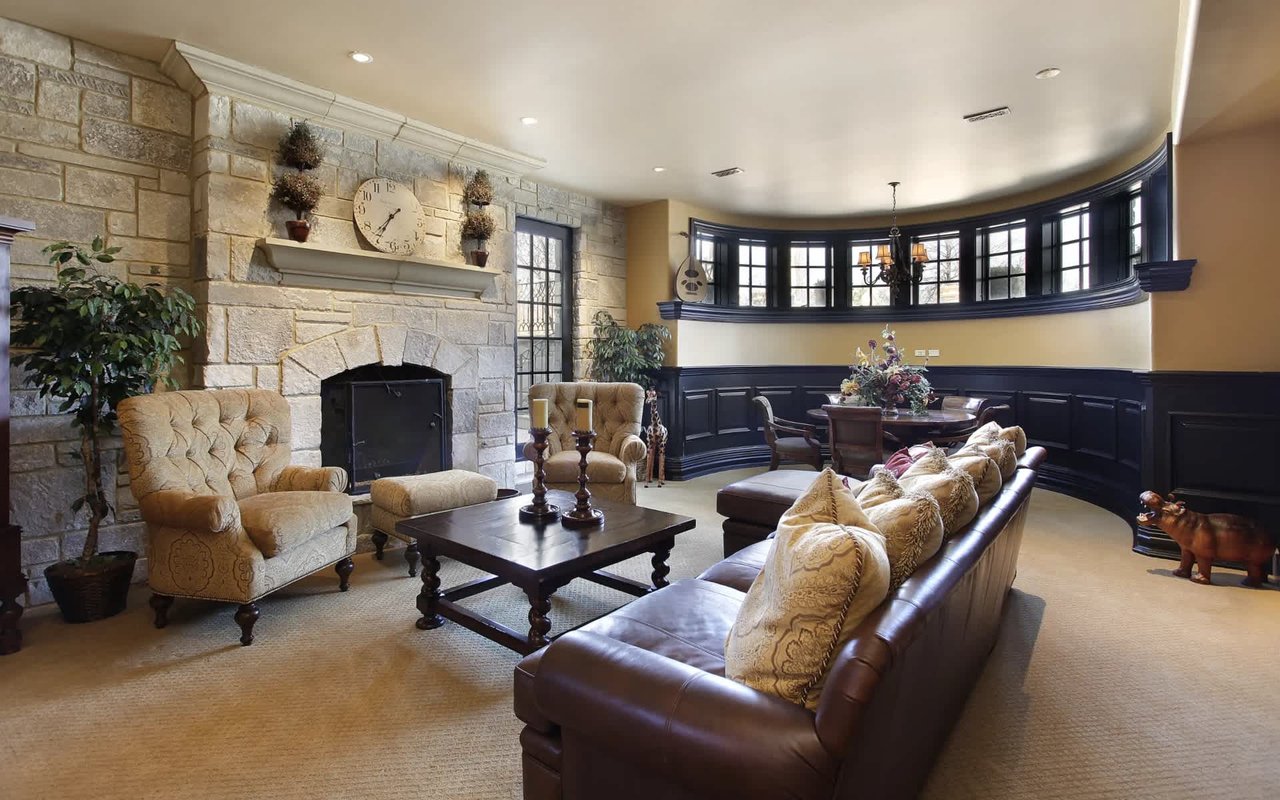
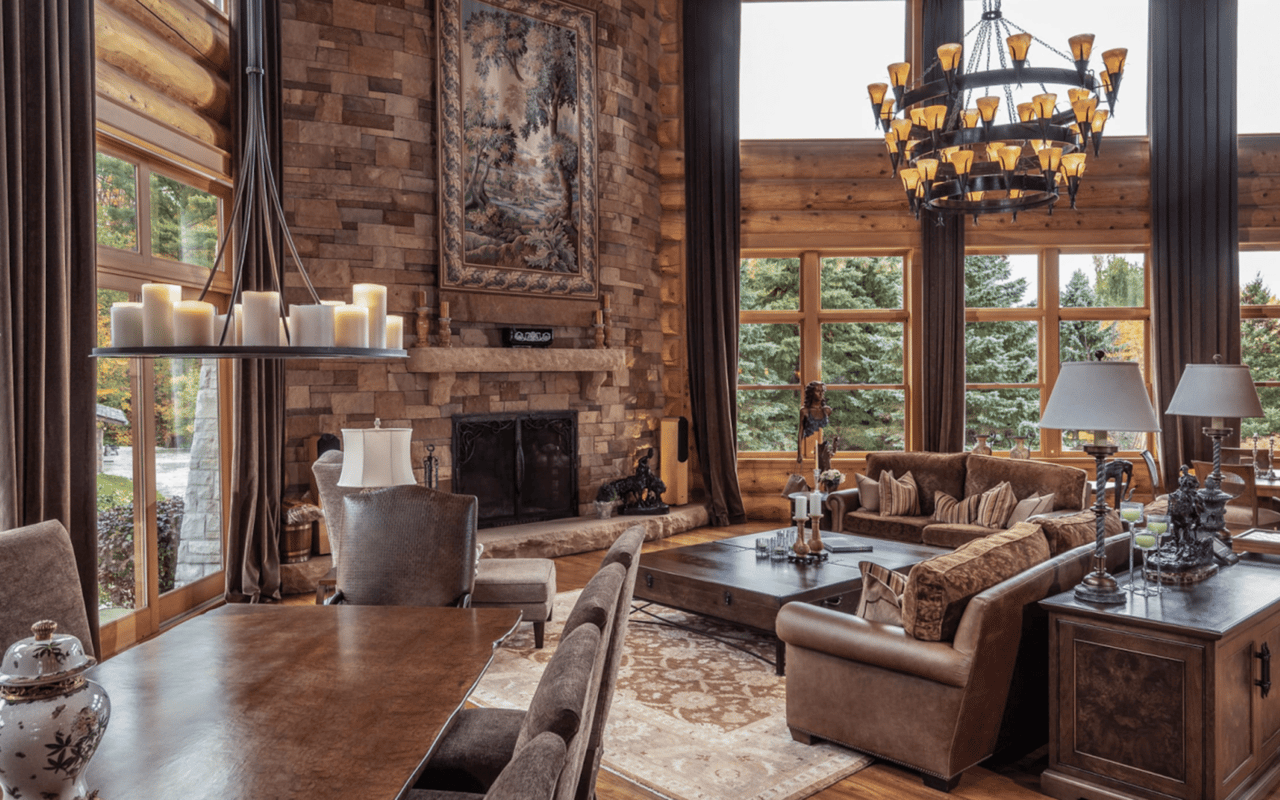
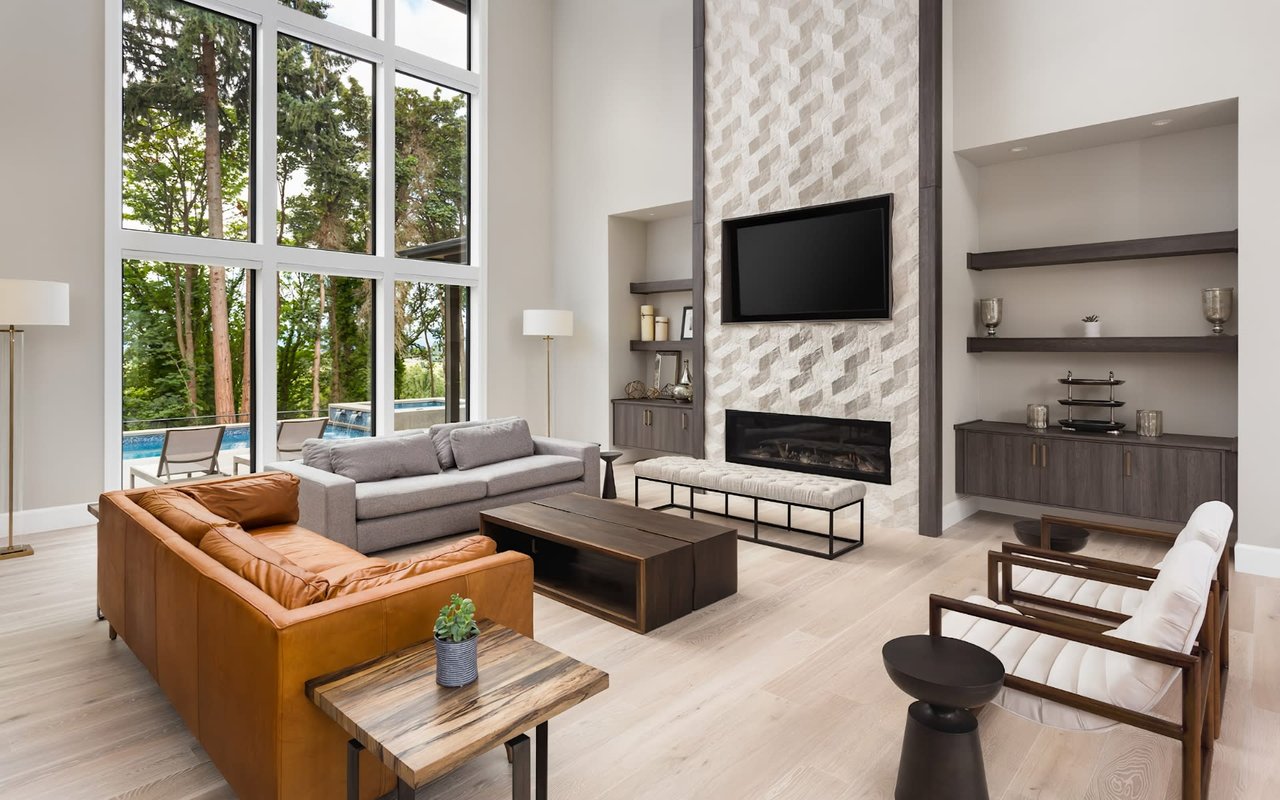
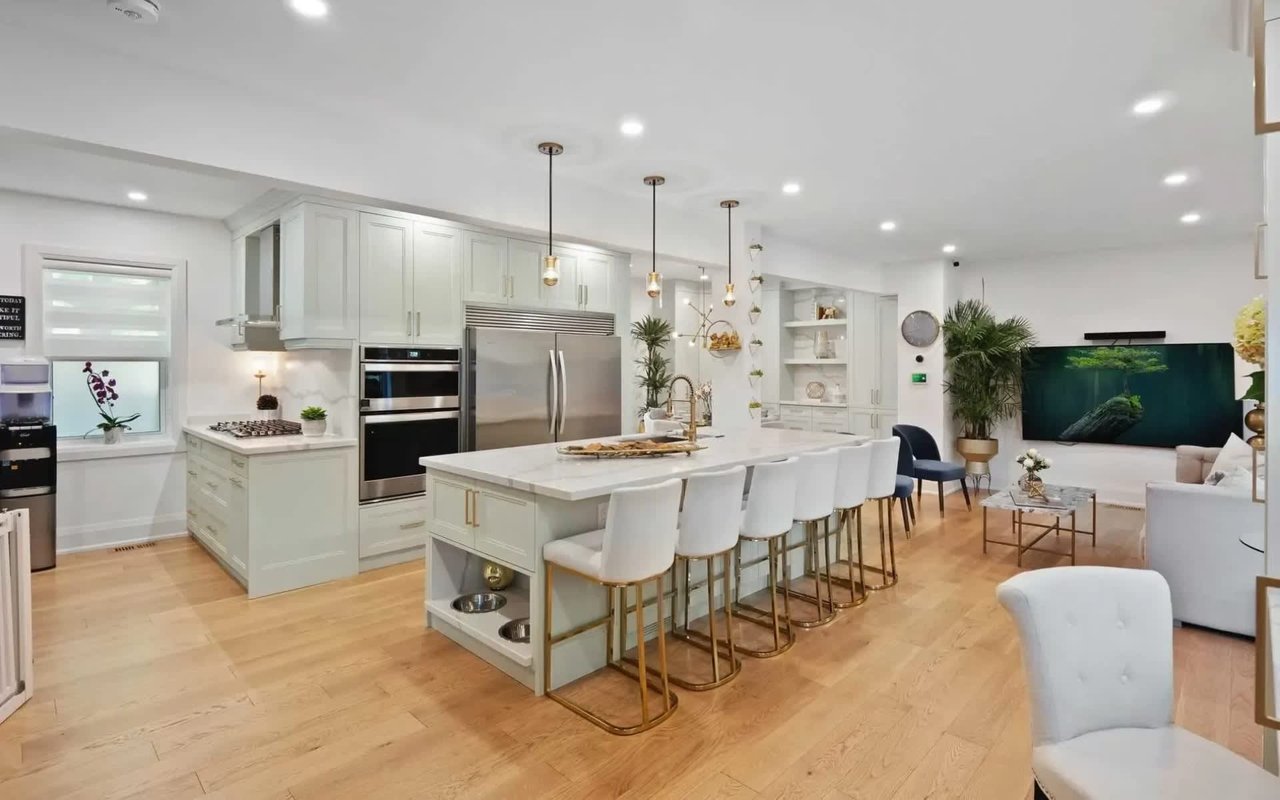
In Lawrence Park, those rooms should feel bright, composed, and spacious. Clean lines, balanced furnishings, and restrained styling usually work better than heavy décor that competes with millwork, fireplaces, windows, or formal room proportions.
Use restraint in heritage-style homes
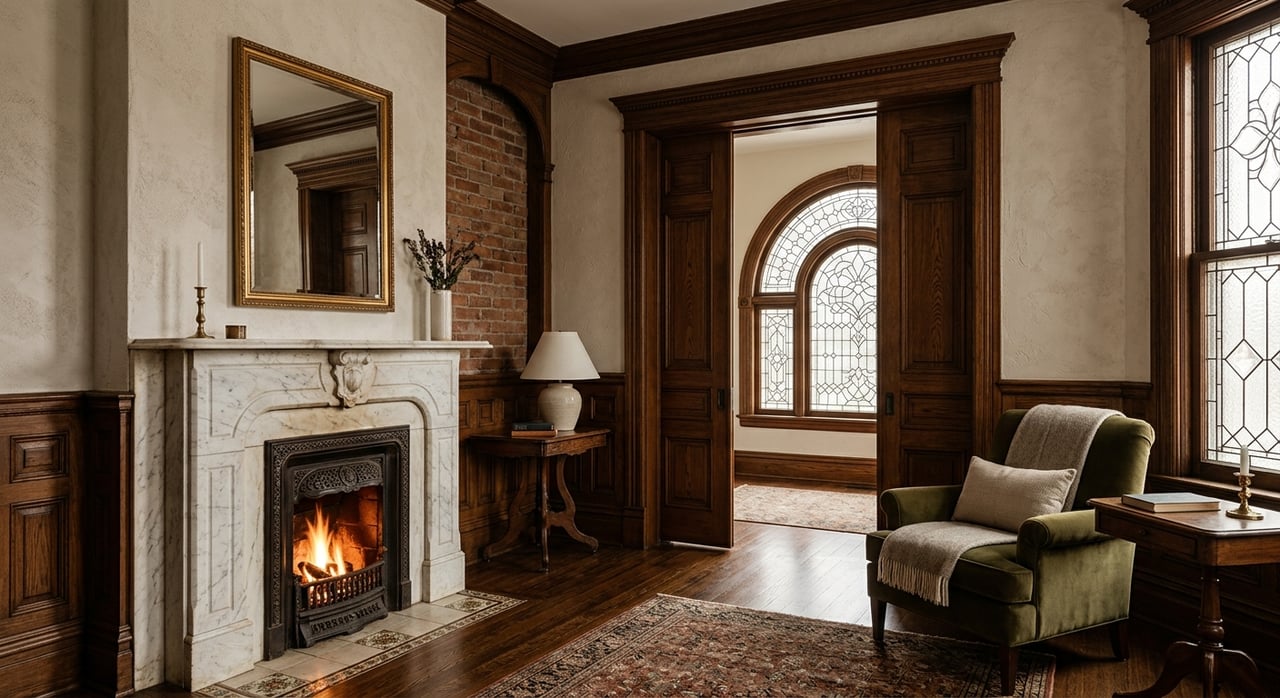
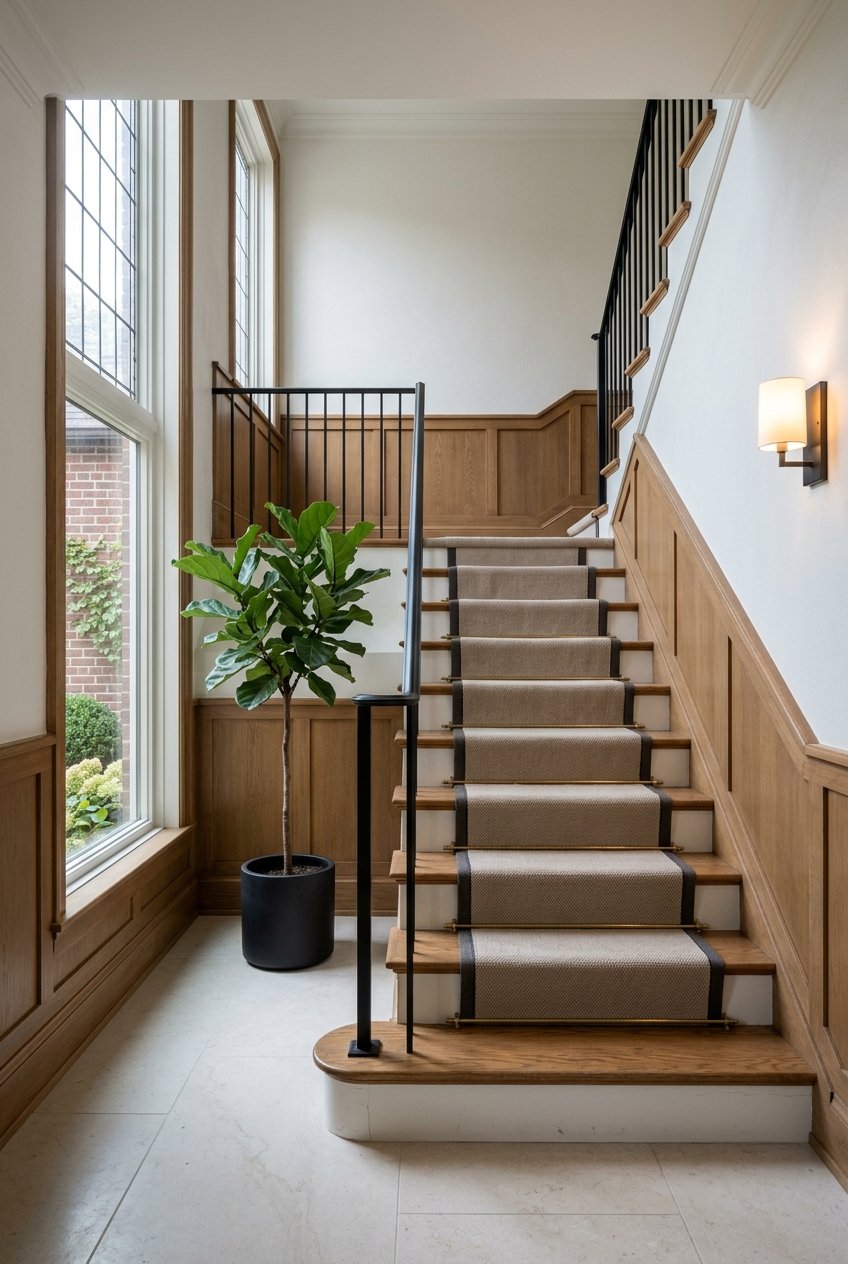
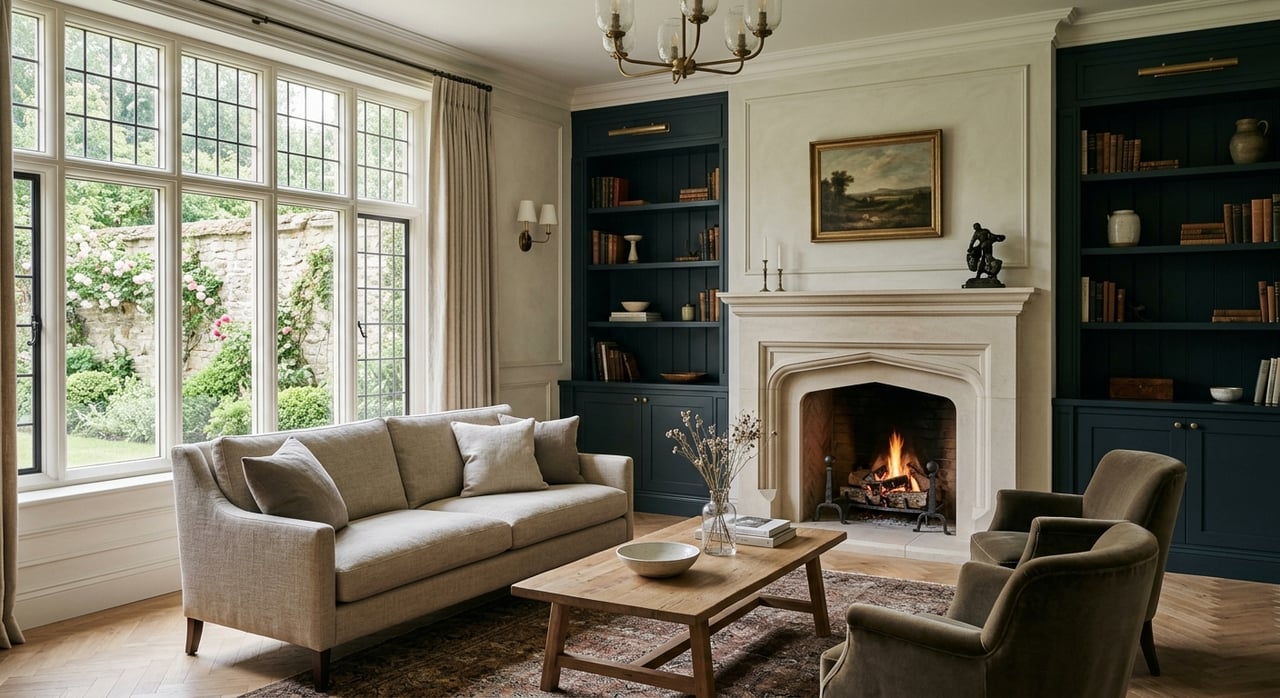
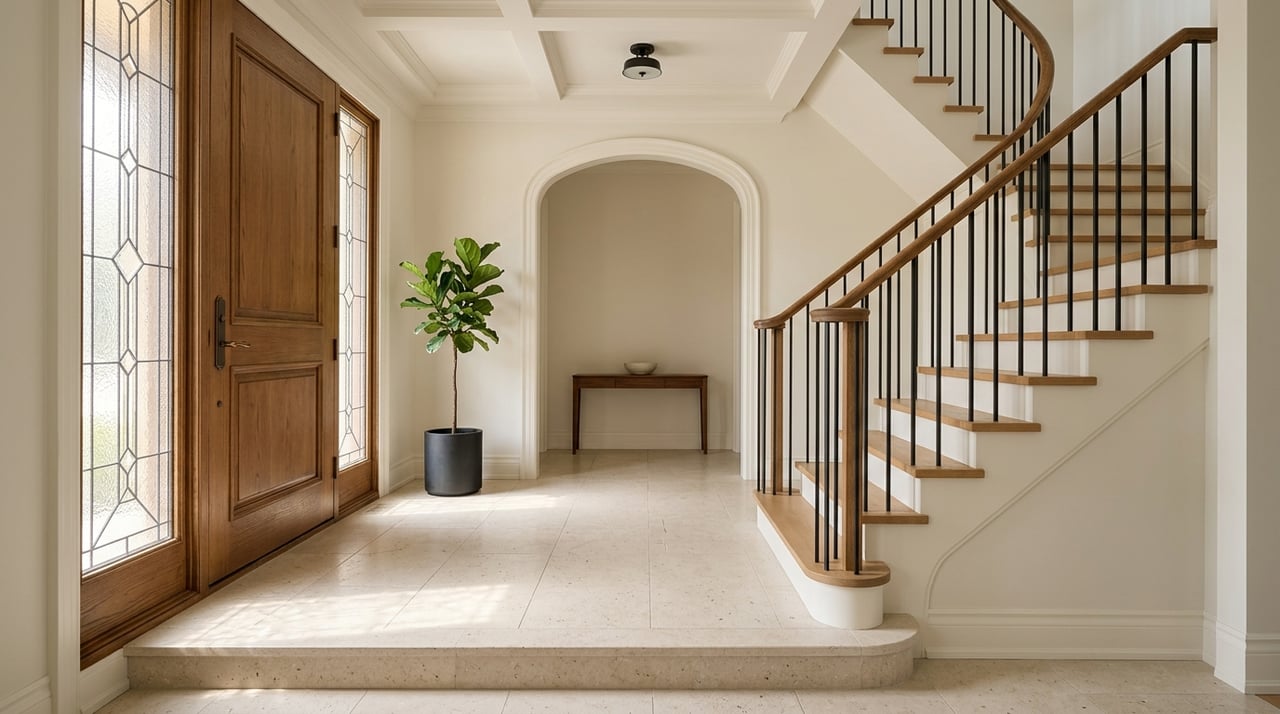
If your home has leaded glass, wood paneling, original trim, or period fireplaces, let those features do the work. Remove visual clutter, edit oversized furniture, and avoid trends that feel disconnected from the architecture.
This kind of restraint often creates a more elevated result. It also helps photography capture the home as timeless rather than overly personalized.
Elevate curb appeal with purpose
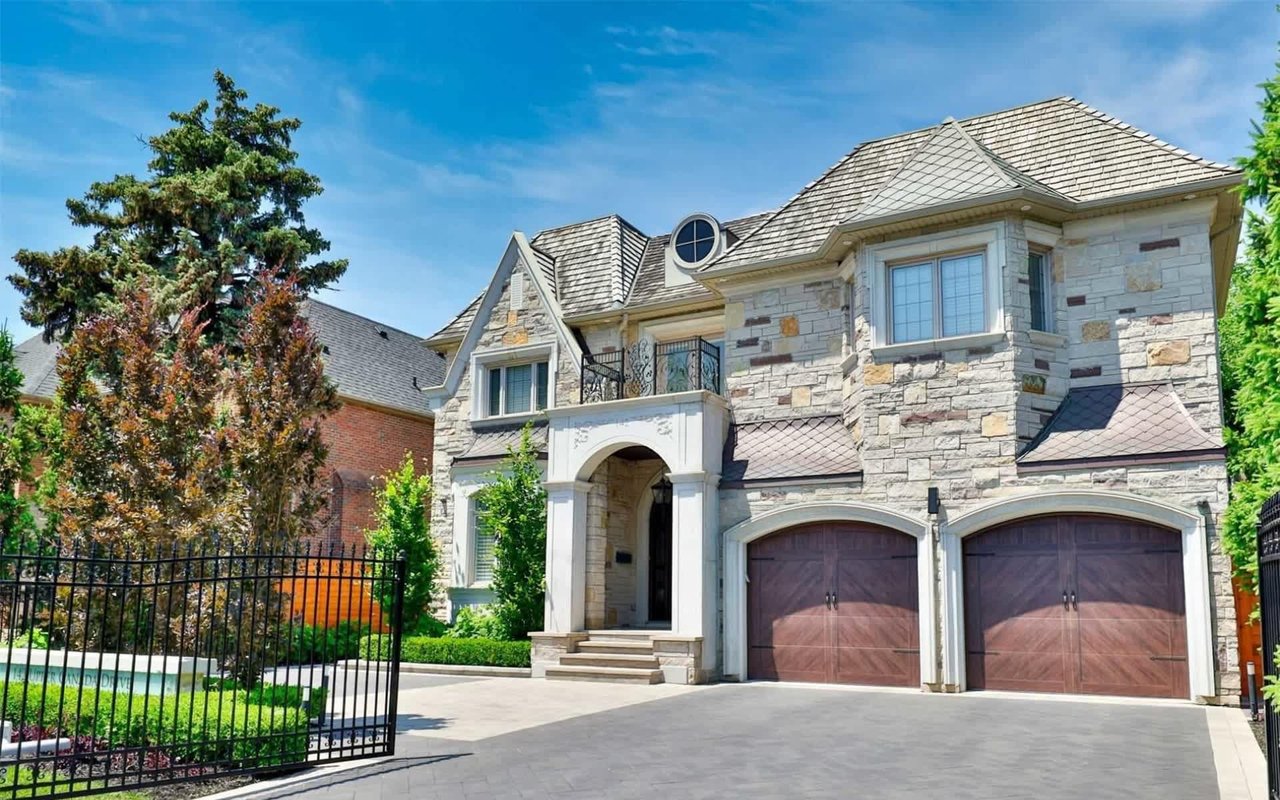
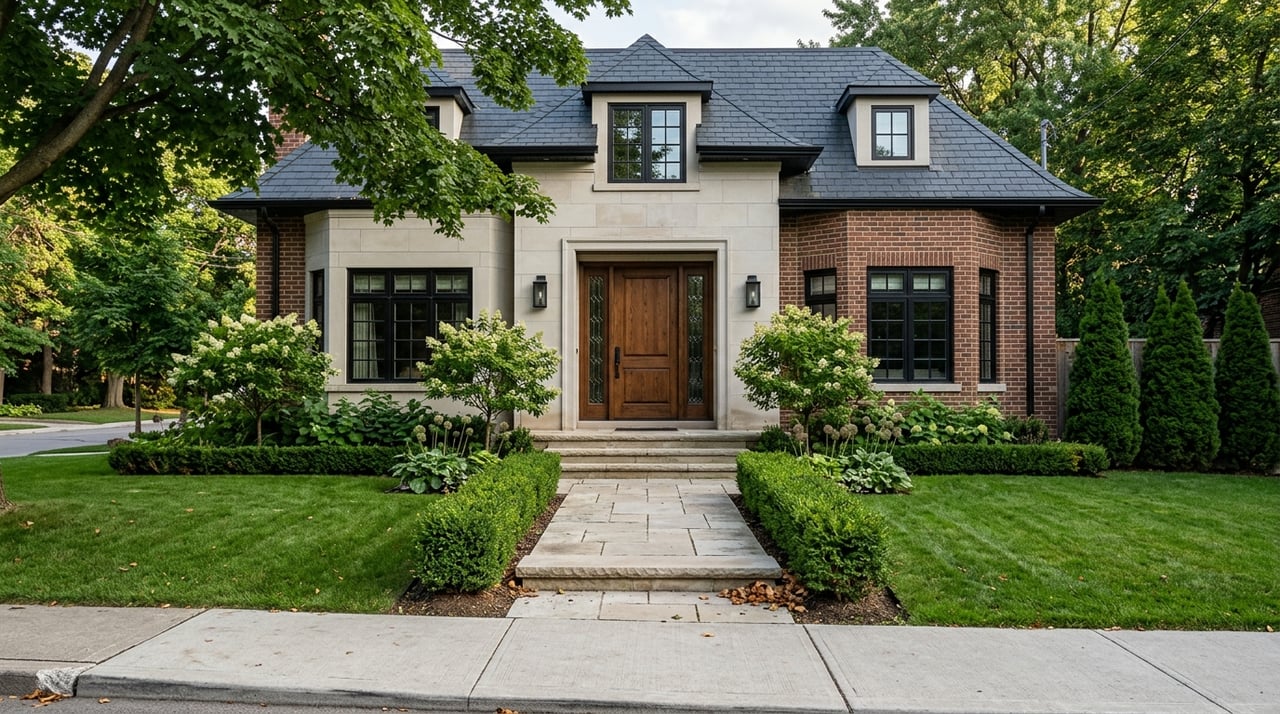
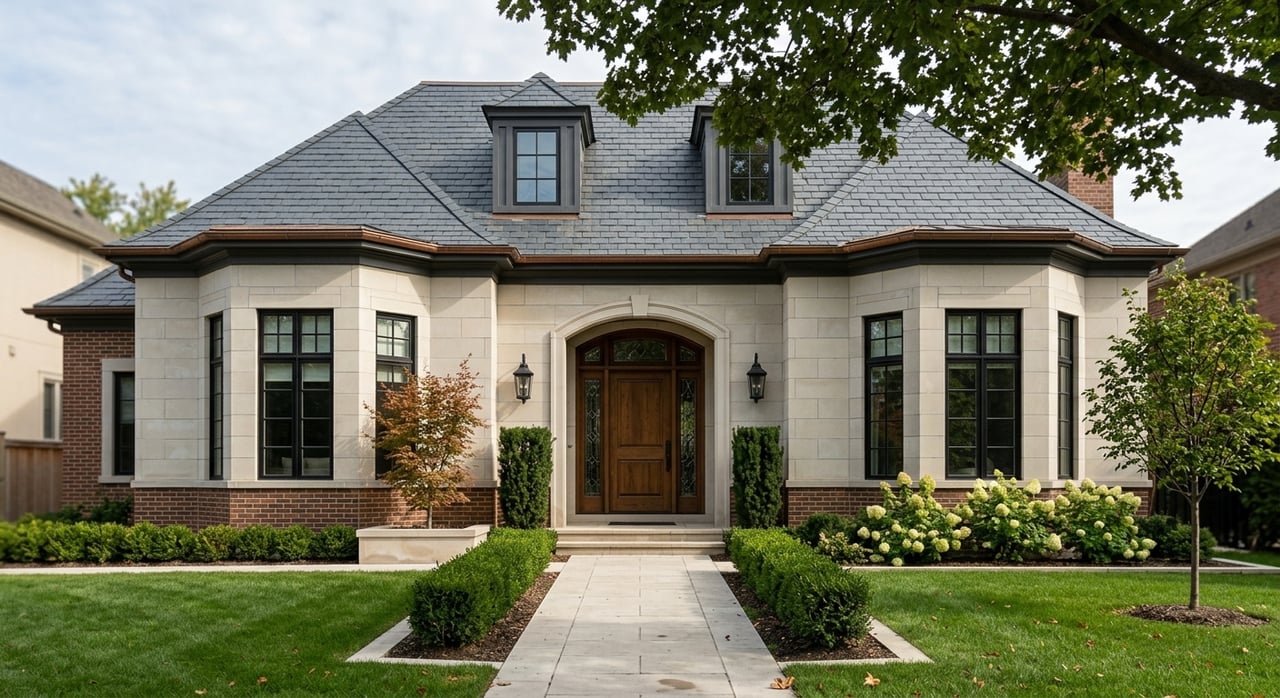
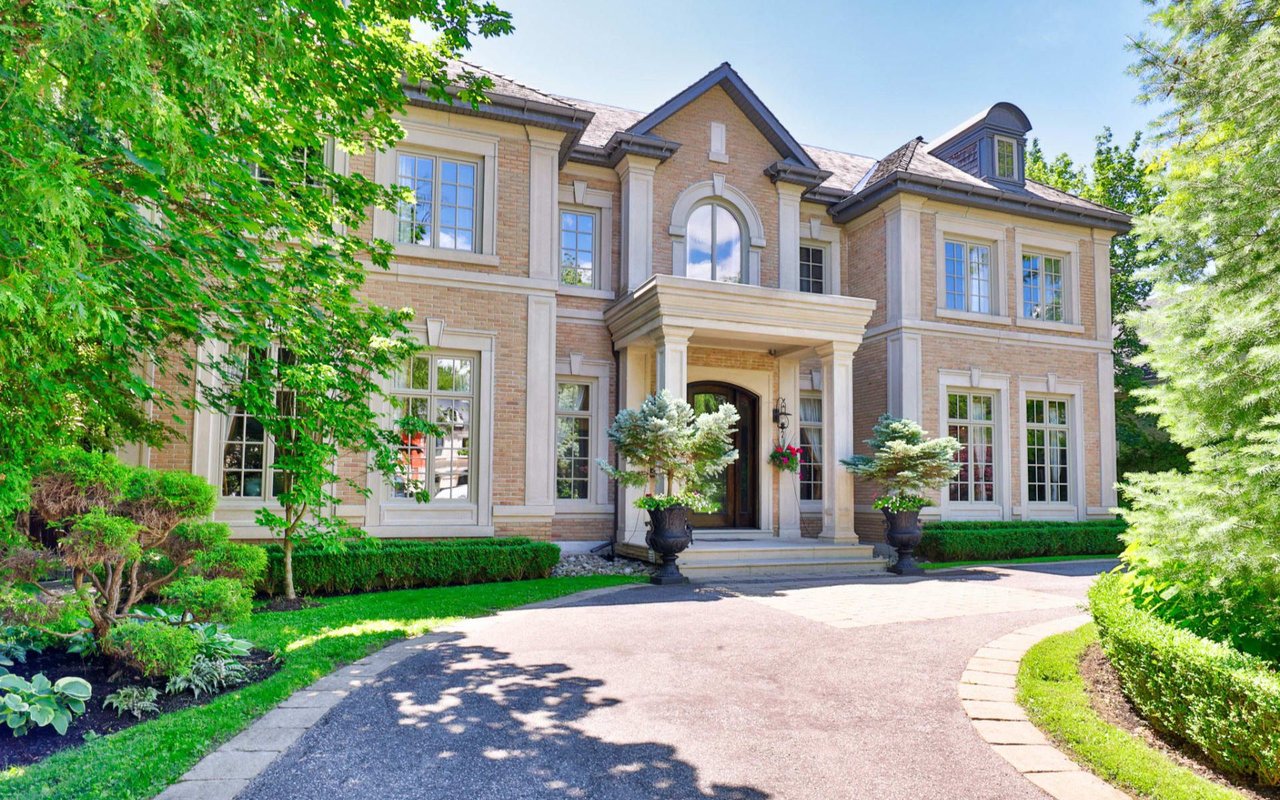
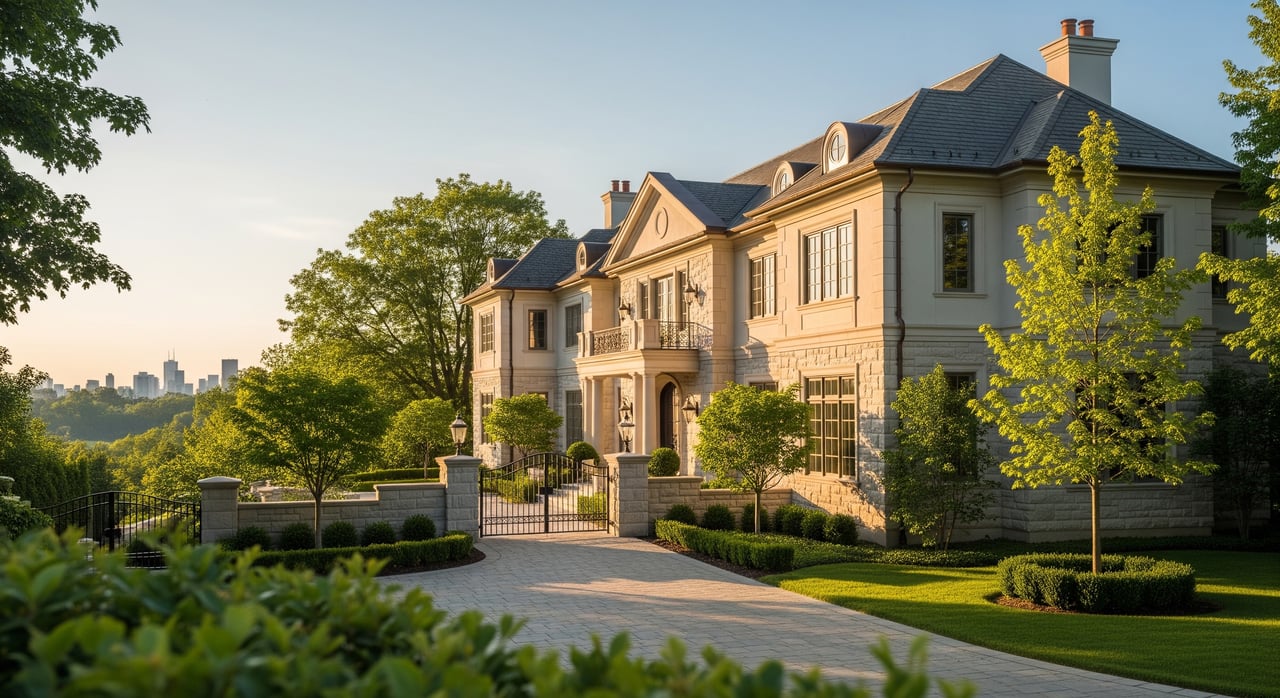
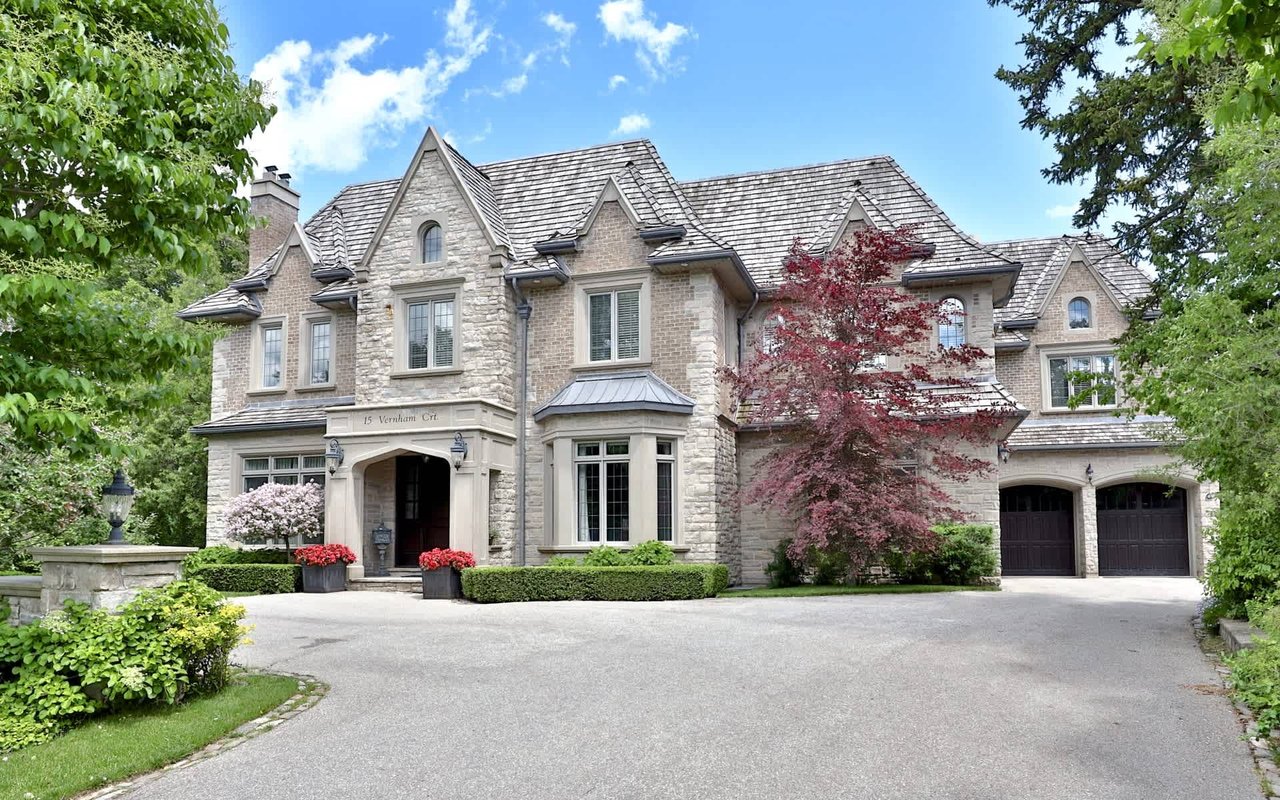
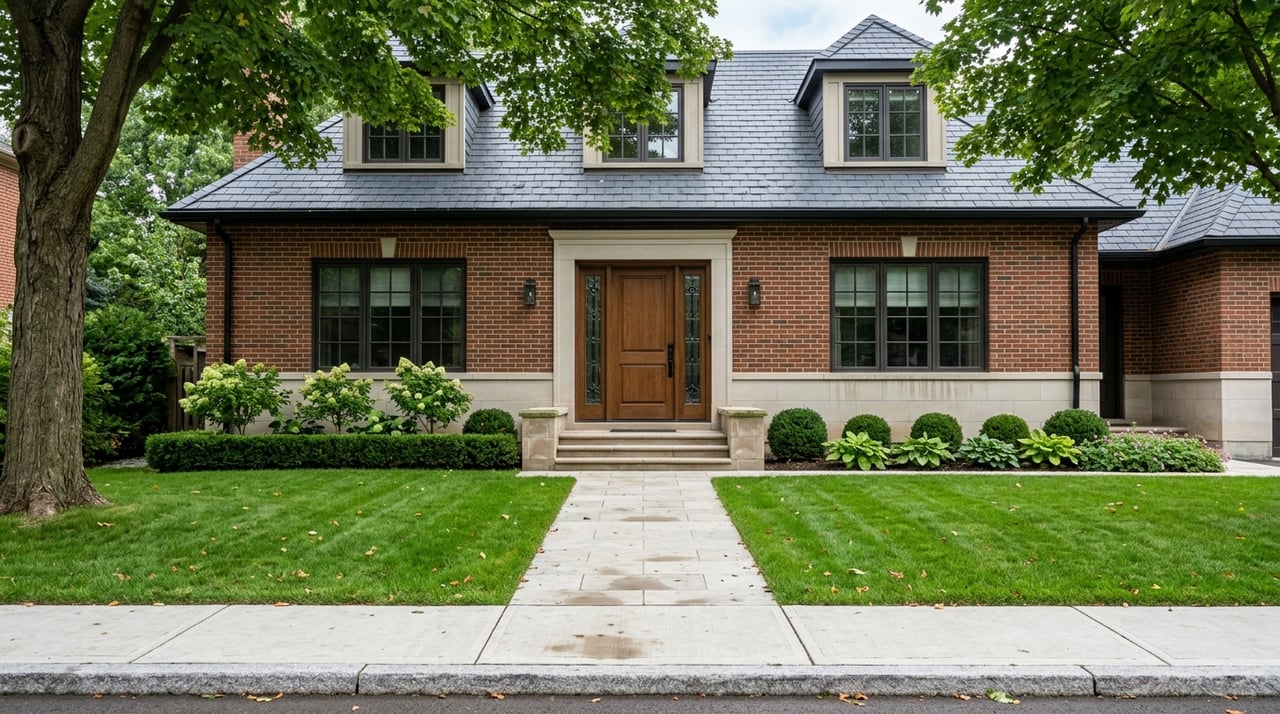
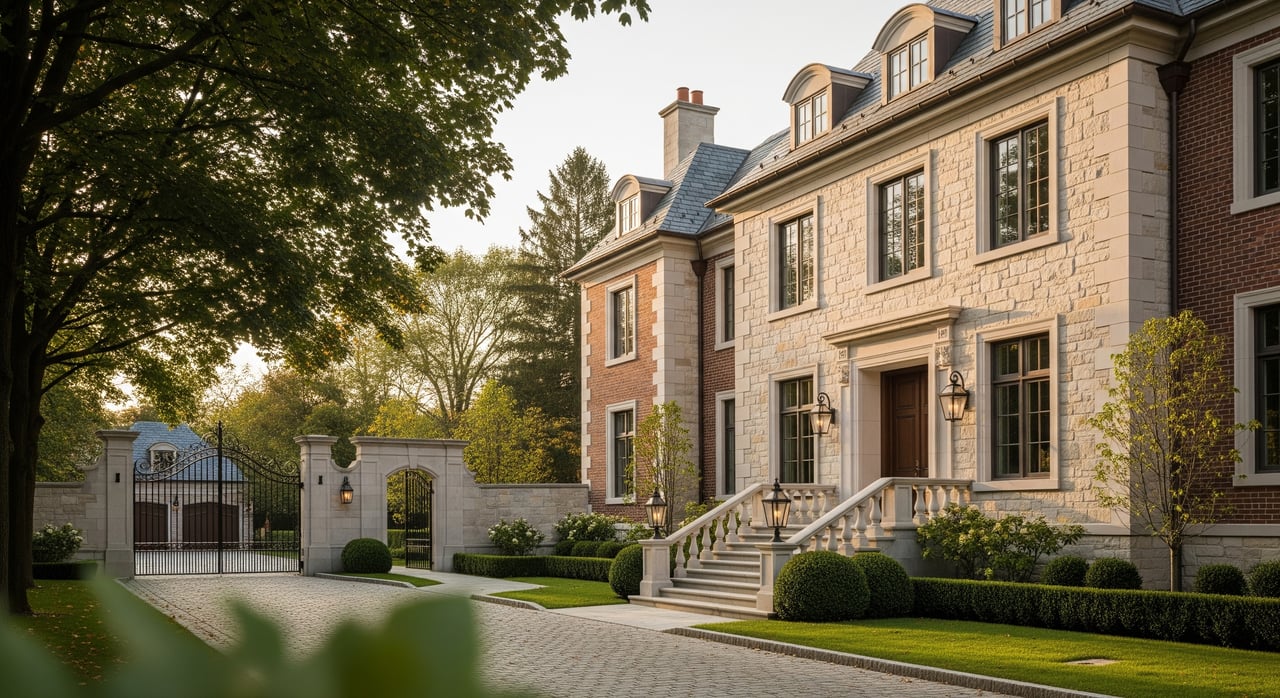
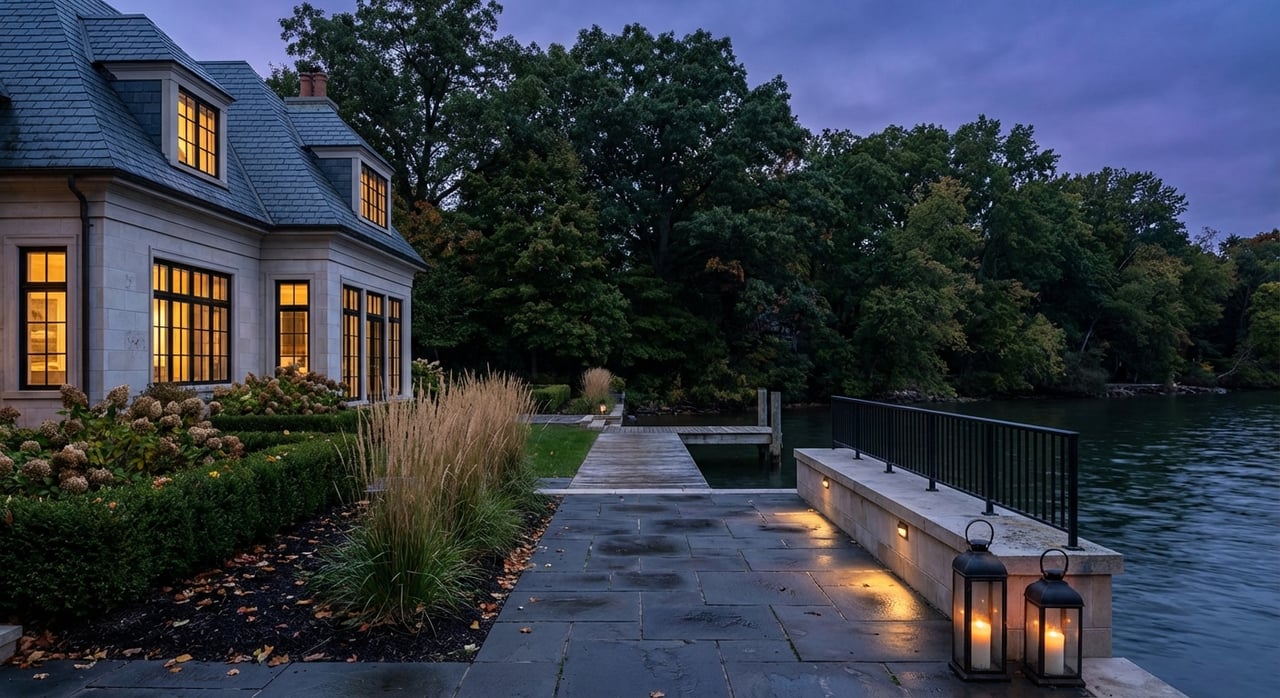
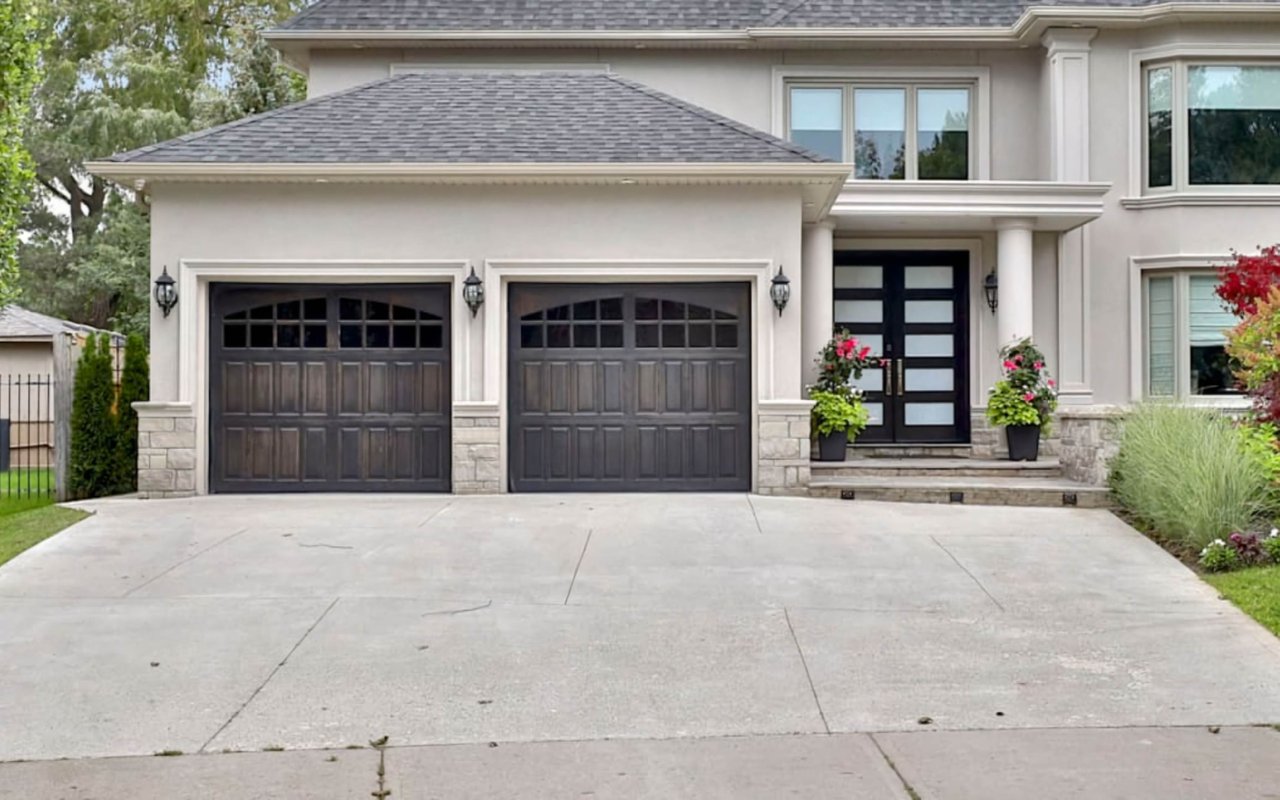
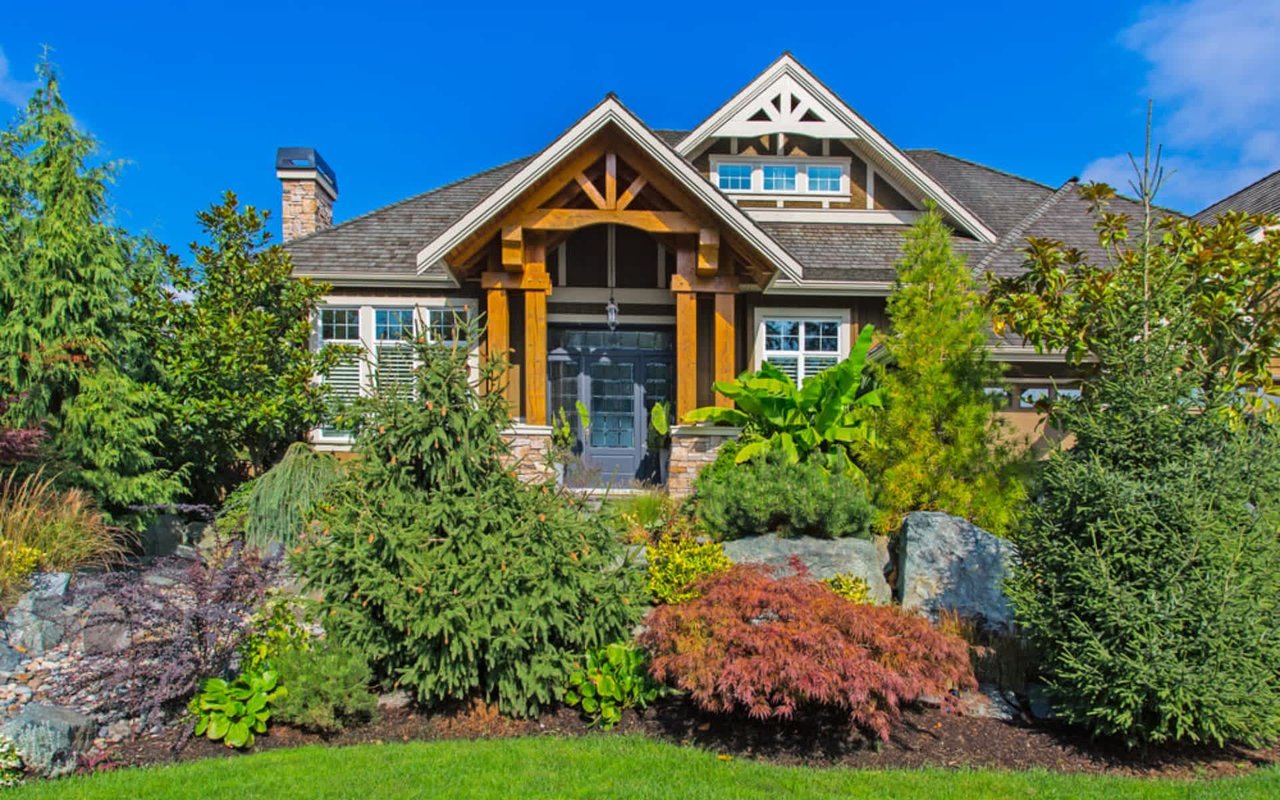
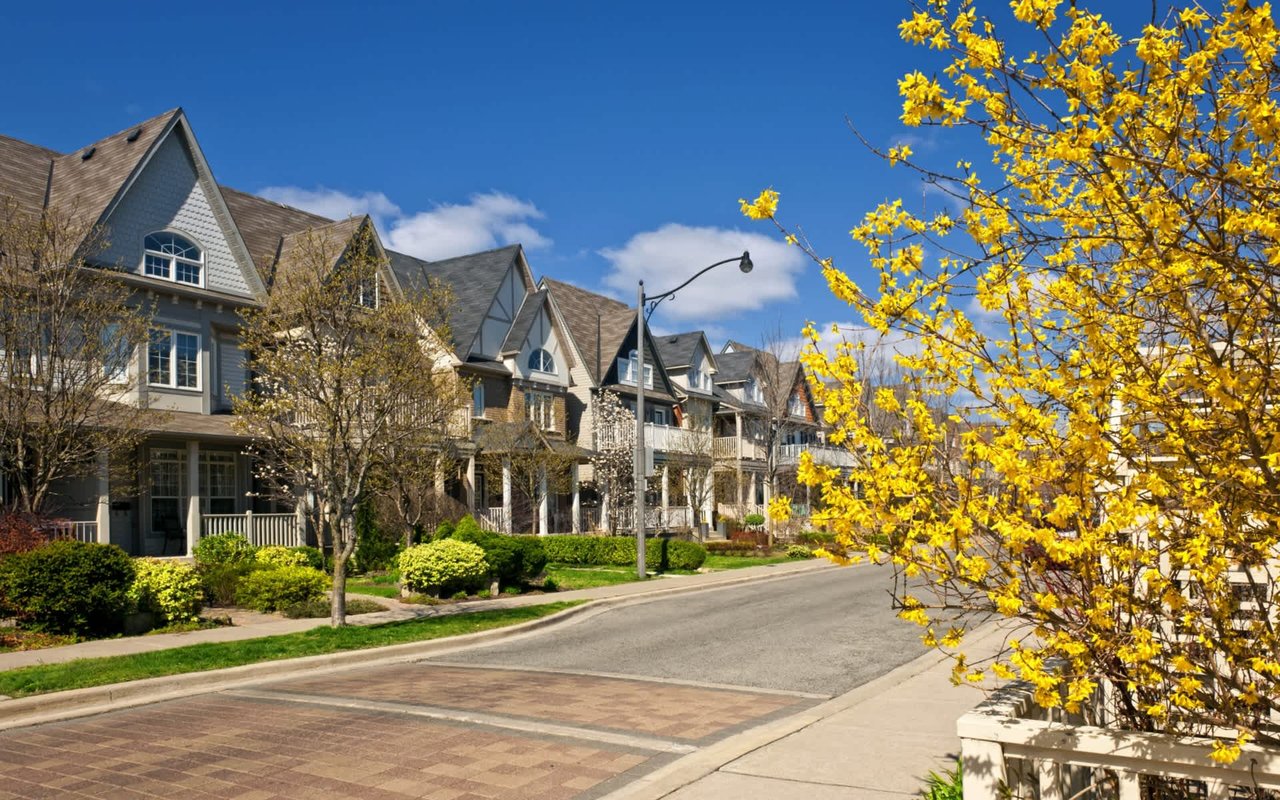
Curb appeal carries unusual weight in Lawrence Park because the streetscape is part of the experience. Buyers often form an opinion before they reach the front door.
The most useful pre-listing improvements are often simple and disciplined:
- Refresh front entry details
- Prune and shape landscaping carefully
- Clean stone, brick, and walkways
- Repair gates, railings, and exterior lighting
- Remove seasonal clutter and excess furniture
- Keep driveways and paths neat and unobstructed
These updates should support the home’s architecture, not overpower it. A composed exterior usually feels more expensive than a busy one.
Invest in photography and digital presentation
Strong preparation deserves strong marketing. The staging research found that photos, physical staging, videos, and virtual tours were all highly valued by buyers’ agents.
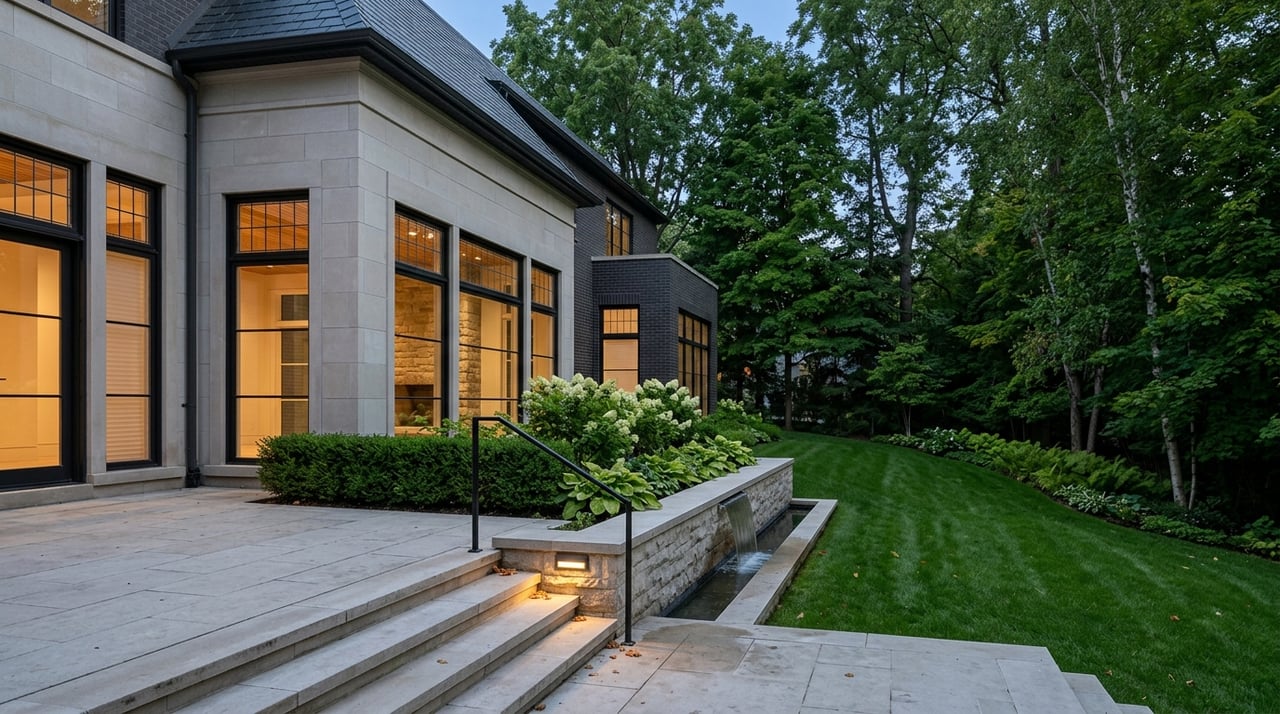
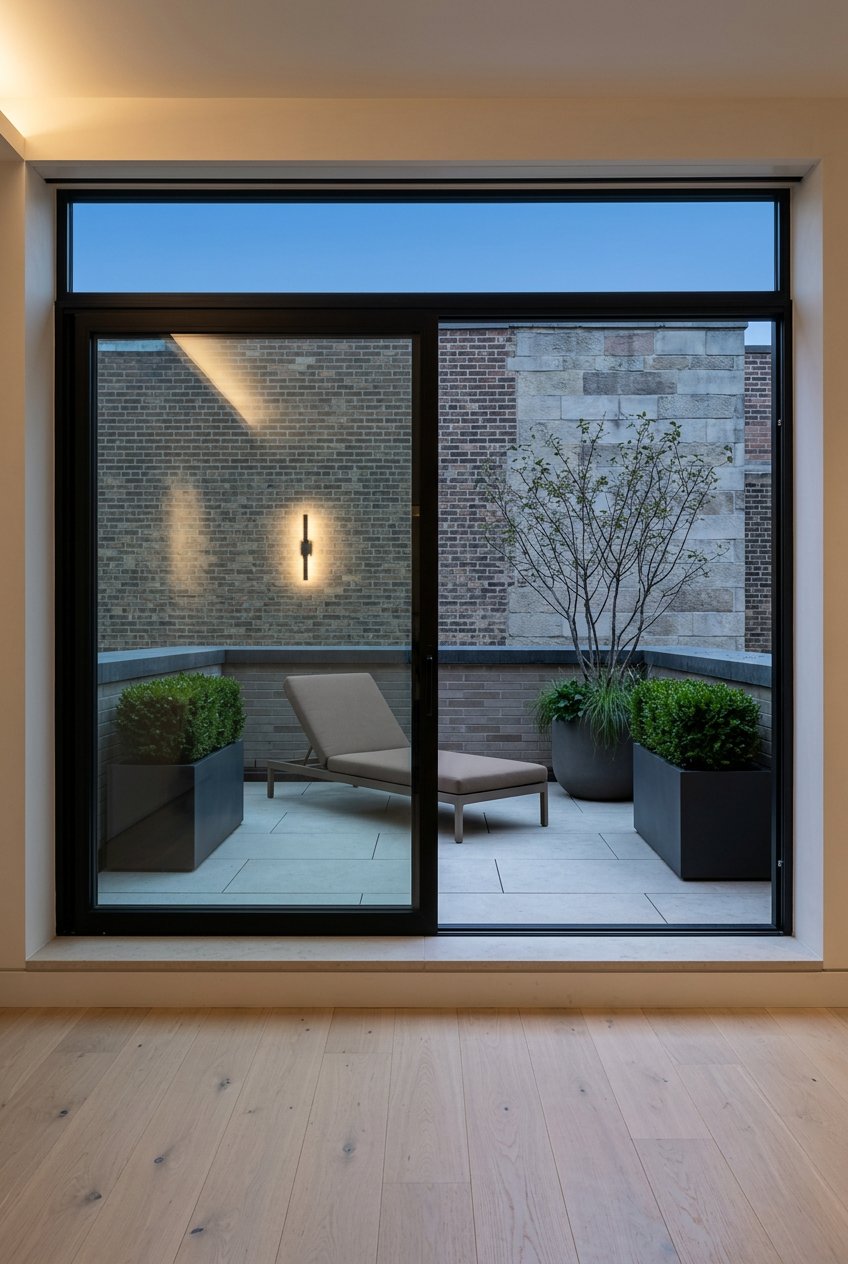
For a Lawrence Park home, imagery should capture both the residence and its setting. Front elevation, garden views, principal rooms, architectural details, and the relationship between indoor and outdoor spaces all help tell a fuller story.
This is where premium listings separate themselves. When the home is launched with editorial-quality visuals, buyers can better appreciate not just the square footage, but the atmosphere and design integrity that support premium pricing.
Price and timing still matter
Even in a desirable market, presentation alone is not enough. TRREB reported that GTA home sales rose 7 percent year over year in April 2026 while listings trended lower, and Toronto Central detached homes averaged $2,461,095 in its April 2026 market watch.
That backdrop can support confidence, but it should not lead to complacency. In Lawrence Park, a prepared and accurately priced property still needs to compete on condition, story, and overall presentation.
A premium sale usually comes from several elements working together: thoughtful preparation, disciplined pricing, strong marketing, and a strategy that fits the property. When those pieces align, buyers are more likely to recognize value quickly.
A smart pre-sale checklist
If you want a practical way to organize the process, start here:
- Confirm heritage status with the City of Toronto
- Check whether planned work needs permits
- Verify tree rules before major landscape changes
- Book a pre-listing home inspection
- Repair visible architectural details first
- Declutter and deep clean the entire home
- Stage key rooms with restraint
- Prepare the exterior for strong first impressions
- Launch with high-quality photography and video
- Price with current market conditions in mind
Preparing a Lawrence Park home for a premium sale is really about stewardship. When you respect the architecture, address issues early, and present the property with care, you put yourself in a stronger position to attract serious buyers and protect value.
If you are considering a sale in Lawrence Park and want a strategy built around presentation, pricing, and qualified exposure, Barry Cohen Homes can help you plan the next step with discretion and precision.
FAQs
What makes preparing a Lawrence Park home different from preparing other Toronto homes?
- Lawrence Park buyers often evaluate the house as part of a larger streetscape, so architecture, landscaping, and exterior presentation can carry more weight than in a more typical listing.
Should you check heritage status before updating a Lawrence Park home for sale?
- Yes. In Toronto, designated heritage properties require a heritage permit for changes, and listed properties have different rules, so you should confirm your property’s current status before starting exterior work.
Do tree rules affect pre-sale landscaping in Lawrence Park?
- Yes. Toronto requires permits to injure or remove bylaw-protected trees, including all street trees and many private trees, so major tree work should be checked before it begins.
What repairs matter most before listing a Lawrence Park home?
- Visible quality tends to matter most, especially masonry, windows, doors, wood detailing, roofing details, and other architectural elements that shape first impressions.
Is a pre-listing inspection worth it for an older Lawrence Park property?
- Yes. A pre-listing inspection can identify issues in major systems early and help you make repair and disclosure decisions before buyers raise concerns.
Which rooms should you stage before selling a Lawrence Park home?
- The strongest starting points are the living room, primary bedroom, and kitchen, since staging data shows those rooms have the greatest impact on buyer perception.