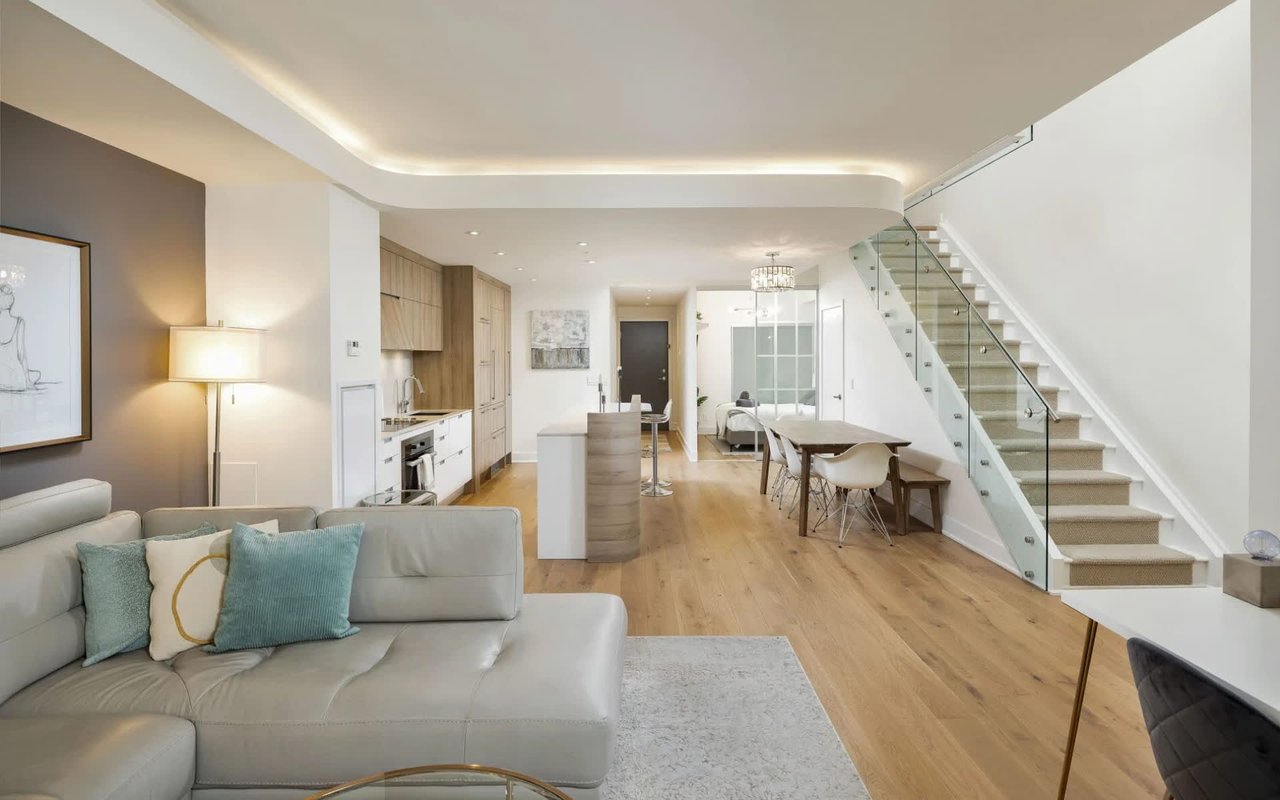
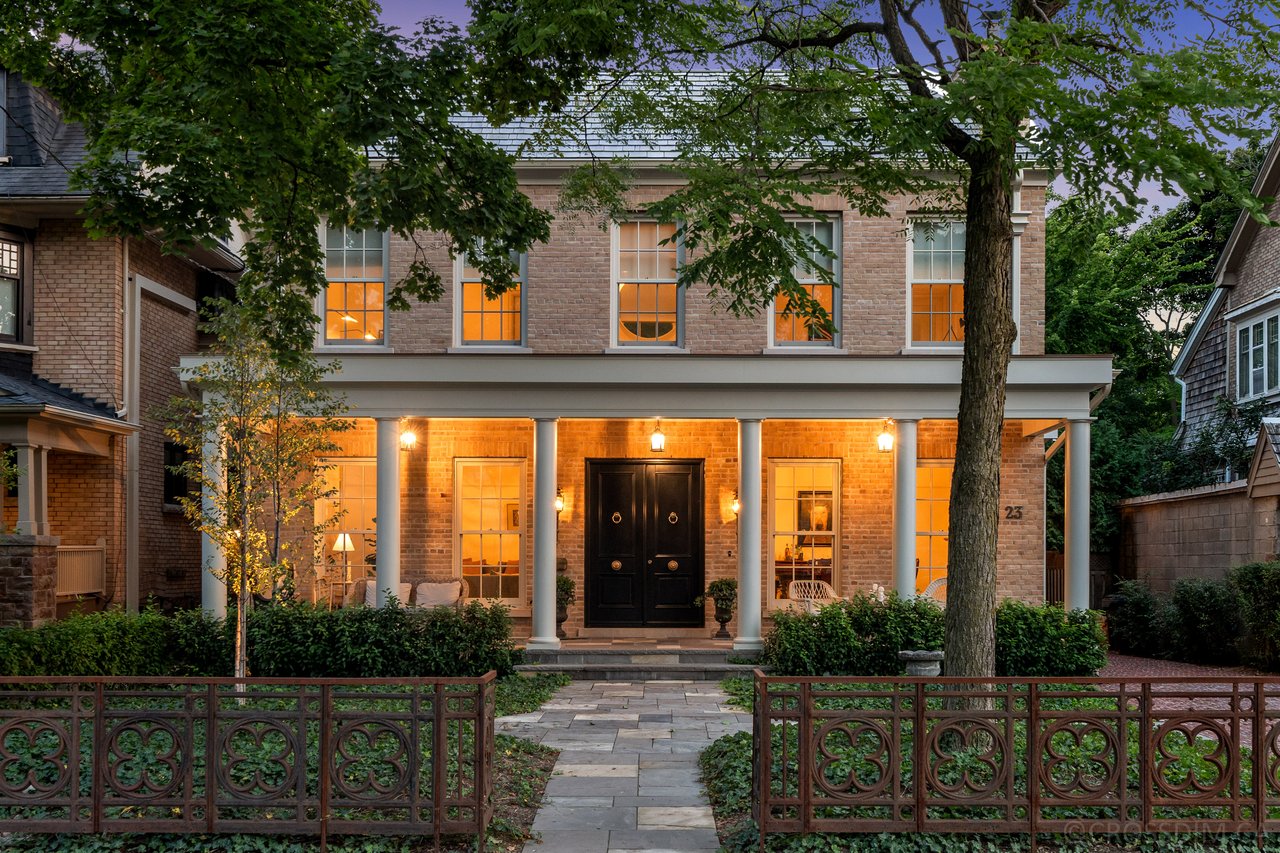
If you own a Bridle Path estate, you may not want your sale announced to the entire market on day one. In a neighbourhood known for large lots, mansion-scale homes, and a deeply private estate setting, many sellers want more control over who sees their property and when. A discreet listing can offer that control, but it also comes with tradeoffs that matter in Toronto’s current market. Let’s dive in.
Why discreet listings matter in Bridle Path
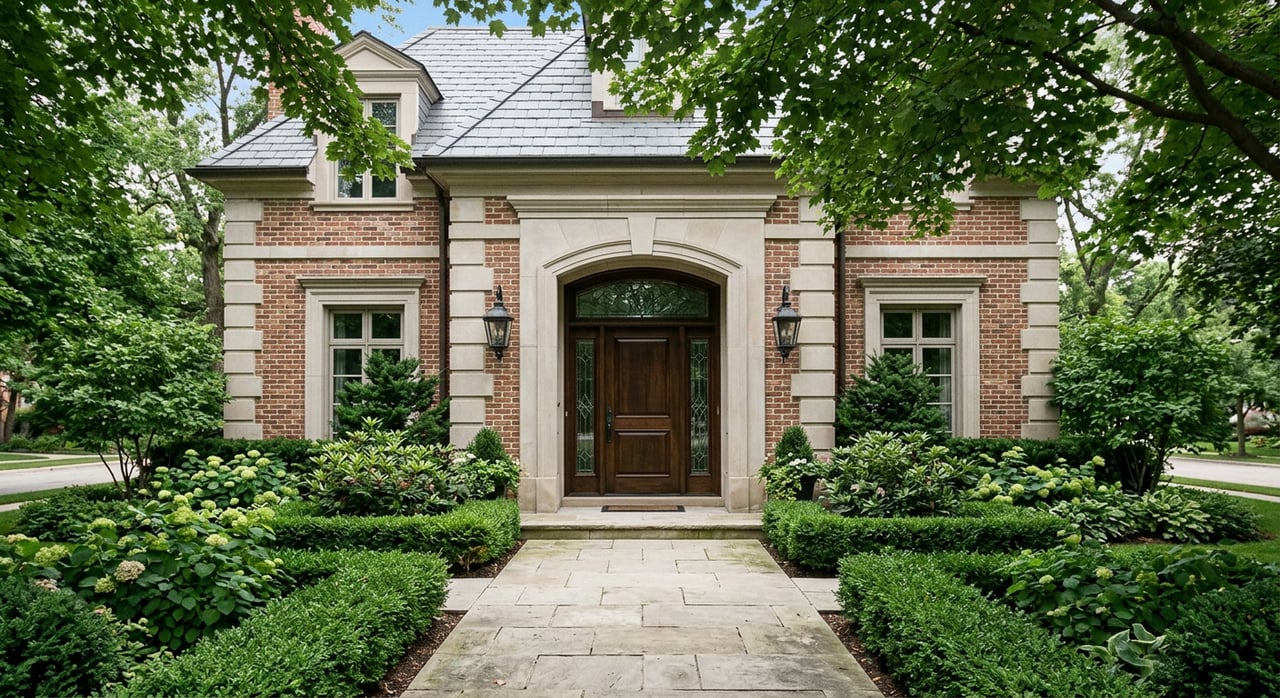
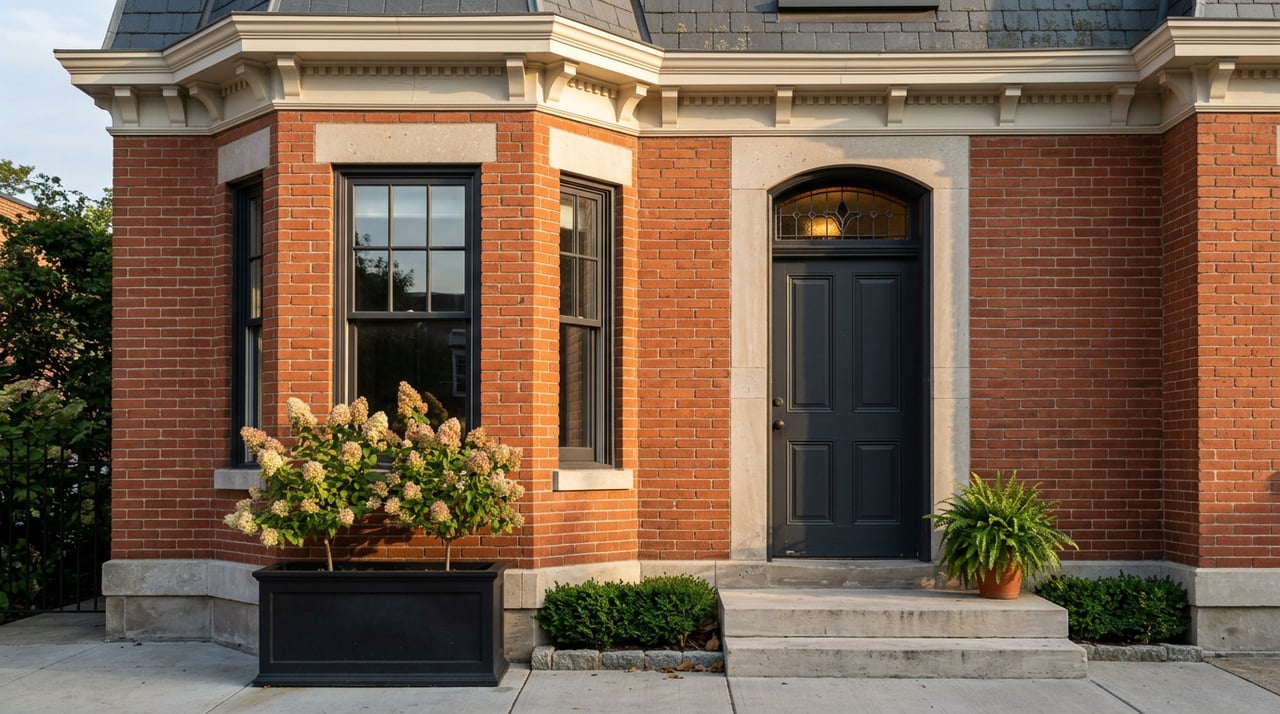
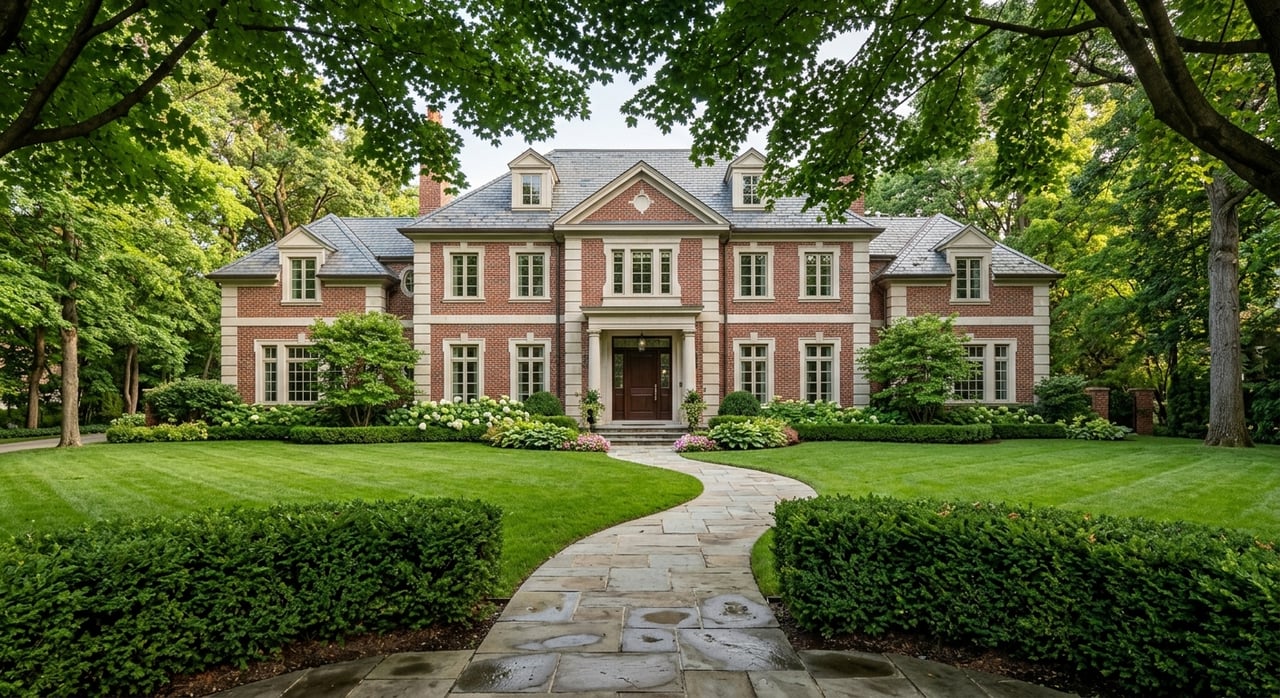
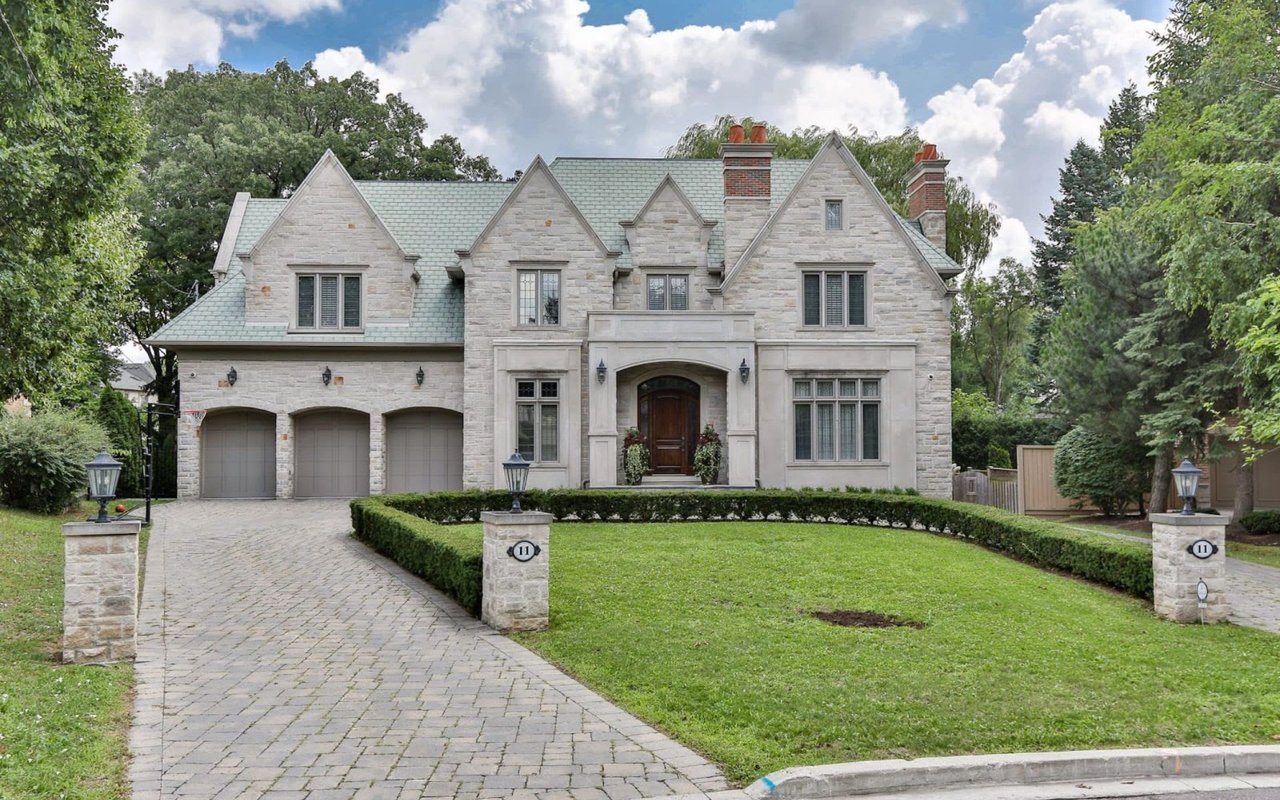
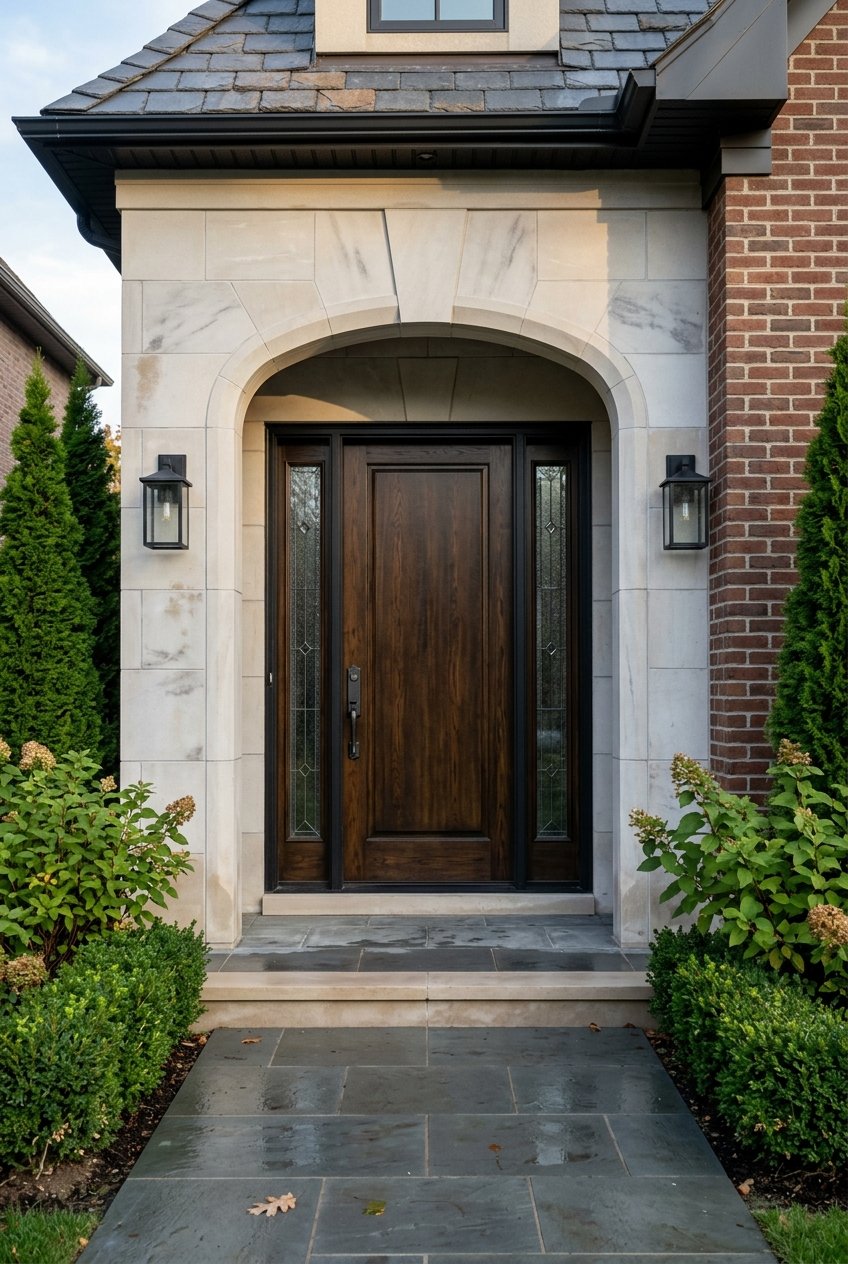
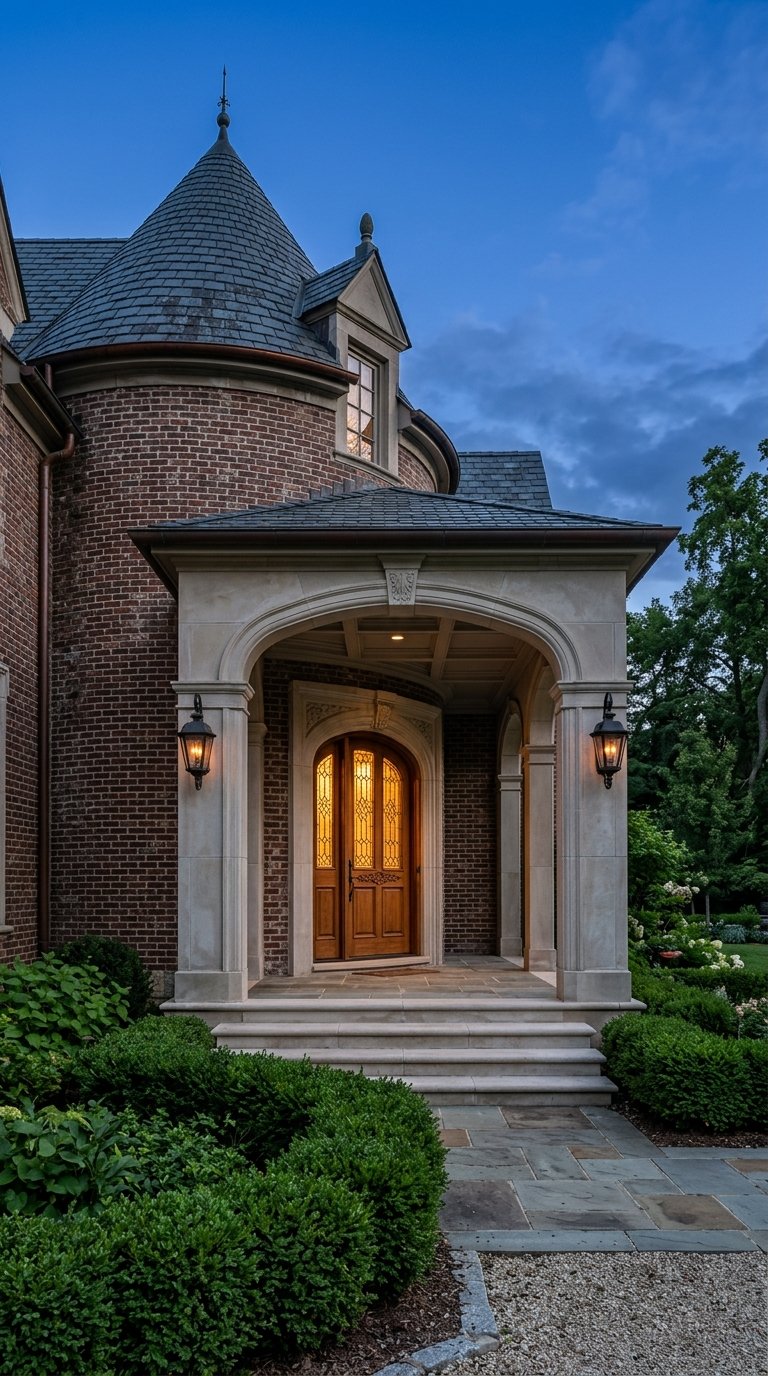
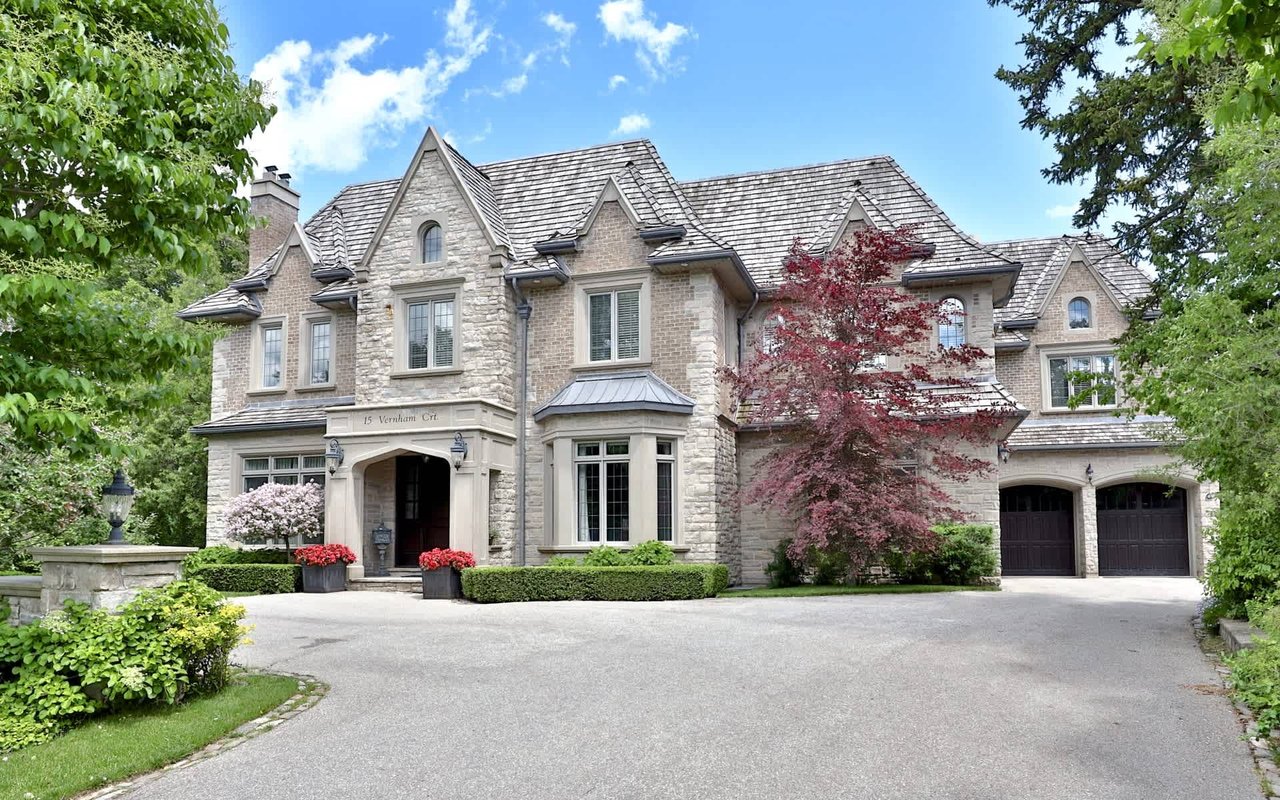
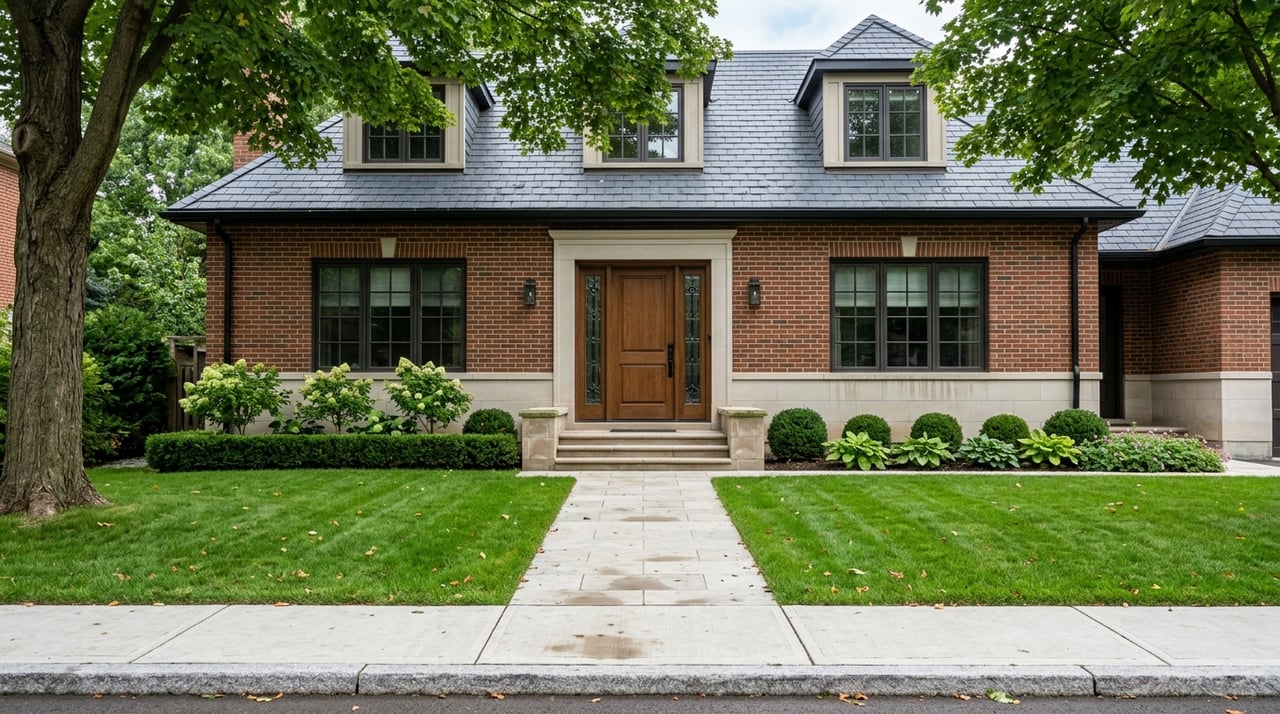
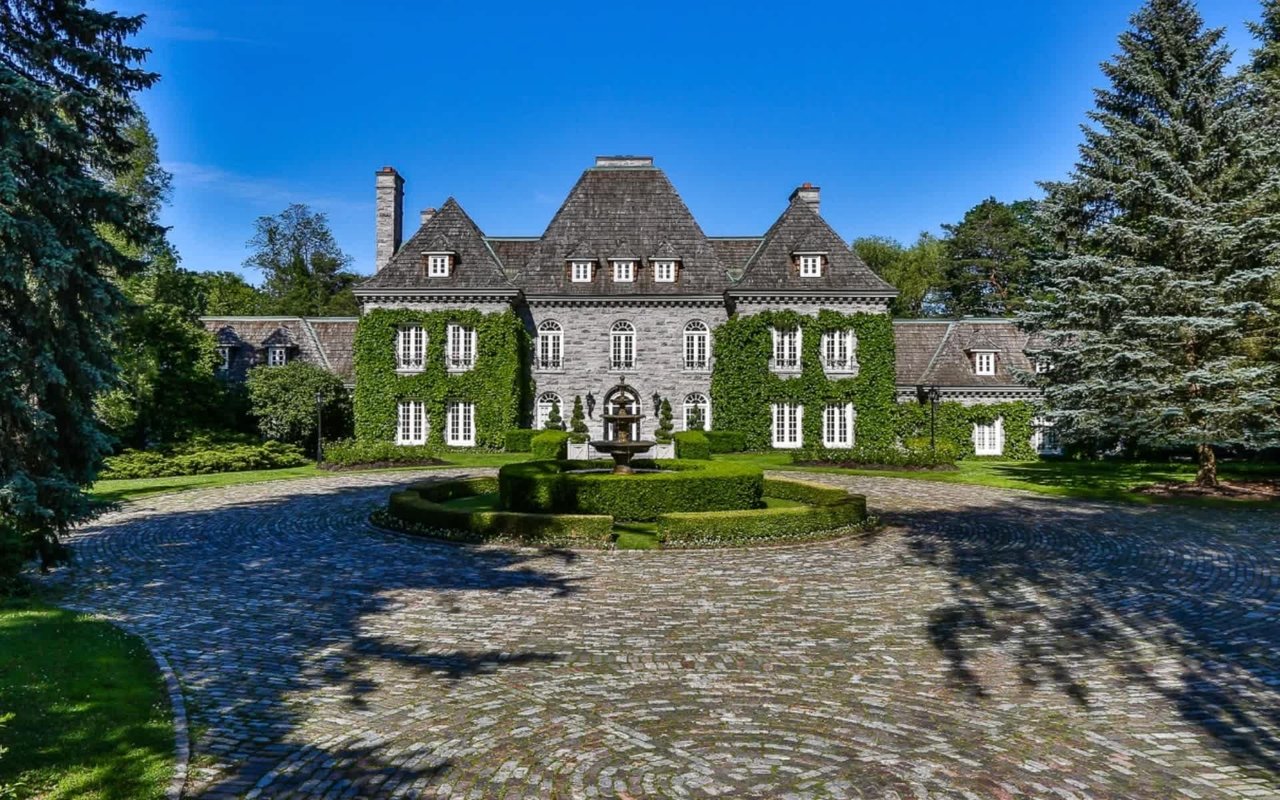
Bridle Path is not a typical neighbourhood, and that shapes how many sellers think about exposure. City of Toronto heritage material describes the area within Bridle Path-Sunnybrook-York Mills as a ravine landscape with large estate lots and mansion-scale homes, with former estate properties adaptively reused around Bayview Avenue.
That setting often makes privacy a practical concern, not just a preference. When your home sits on a substantial lot and has a recognizable profile, broad public promotion can feel very different than it would in a more typical residential setting.
For some sellers, a quiet process helps protect daily routines, household staffing, security planning, and personal privacy. For others, it creates space to test buyer interest before deciding whether a full public launch is the better path.
What a discreet listing means in Ontario
A discreet listing does not mean a sale happens outside the rules. In Ontario, it usually means your property is marketed in a controlled way without broad public promotion at the outset.
Under CREA’s REALTOR Cooperation Policy, public marketing triggers MLS timing requirements. Public marketing is defined broadly and includes one-to-many promotion such as flyers, signage, online campaigns, and newsletters.
One-to-one communication is different. CREA states that direct communication with individual buyers or REALTORS does not trigger the same public marketing rule, which is why exclusive listings remain an option for sellers who want to avoid broad public exposure.
TRREB’s March 2024 policy note adds an important local detail. If an exclusive listing is publicly marketed, it must be placed on an MLS system within three days unless an exemption applies.
The takeaway is simple: discreet does not mean informal. It means the strategy, timing, and method of exposure need to be planned carefully from the start.
How a quiet sale usually works
In practice, a discreet listing is less about secrecy and more about controlled access. The process is designed to limit unnecessary visibility while still giving qualified buyers a legitimate opportunity to evaluate the property.
A typical process may include:
- private conversations with vetted buyers
- direct broker-to-broker outreach
- invitation-only previews
- tightly scheduled showings
- a later MLS launch if broader exposure becomes the better strategic choice
This kind of rollout is often useful in Bridle Path, where a seller may want to start with a small, qualified audience before deciding whether to expand reach. It is not a formal requirement, but it is a practical sequence that fits both the rules and the realities of luxury estate marketing.
What sellers can control during showings
One of the biggest benefits of a discreet listing is the ability to set clear rules around access. RECO says every appointment, whether for an agent preview, consumer showing, home inspection, or access by another service provider, must be arranged through the seller’s brokerage before entry.
Your consent is tied to a specific purpose, the identified people attending, a set time window, and a limited duration. RECO also states that the seller’s agent is normally expected to attend unless you have expressly allowed otherwise.
That structure gives you meaningful control over how your property is shown. It also helps reduce surprises and supports a more secure, orderly process.
Access rules that protect privacy
RECO is clear that unaccompanied access is prohibited without express written consent. Lockbox codes cannot be shared without the seller’s written consent.
Photos or video are also not permitted unless you have expressly authorized them. If privacy is a top priority, those rules matter because they help limit how far information about your property can spread during a private marketing phase.
Ground rules before anyone enters
RECO’s seller checklist encourages sellers to set ground rules before any showing or open house. It also recommends removing valuables and documents that contain personal information.
For Bridle Path homeowners, this step is especially important. A carefully managed showing plan should protect not just the home itself, but also your routines, records, and peace of mind.
The biggest advantage of selling quietly
The main advantage is control. You can limit public visibility, reduce the number of unvetted visitors, and manage access in a way that better fits a high-value property.
That can be especially useful if your home is occupied, if your family values privacy, or if the property includes features you would prefer not to market widely at first. In a neighbourhood where homes often carry both financial and personal significance, that control can be valuable.
A discreet listing may also create a calmer selling experience. Instead of preparing for broad public traffic immediately, you can focus first on serious, qualified interest.
The biggest tradeoff of staying off MLS
The tradeoff is reach. CREA says buyers and sellers are almost always better served by the broader exposure of an MLS system, and TRREB notes that MLS helps sellers get the most buyer attention while also surfacing sold, active, and expired comparables for pricing.
That matters because wider exposure can improve price discovery. In a market where the right buyer may be local, out-of-province, or international, limiting visibility can reduce the number of competitive opportunities.
TRREB’s April 2026 market watch adds useful context. GTA sales were up 7 percent year over year, new listings were down 9.3 percent, and the average selling price was down 4.9 percent.
In a tighter but still price-sensitive market, your launch strategy can meaningfully affect competition and negotiation leverage. For some Bridle Path sellers, privacy is the top priority. For others, broader exposure may be worth the visibility tradeoff if maximum price realization is the goal.
When a full MLS launch makes sense
A full MLS launch is usually the stronger choice when you want the widest buyer pool and the clearest read on market value. It can also be more effective if your pricing strategy depends on strong comparable data and the possibility of multiple interested parties.
This does not mean a discreet phase was the wrong move. In many cases, a short private rollout is simply the first step, followed by a public launch if the seller decides broader competition is worth it.
Because public marketing starts the MLS clock, timing matters. The order of each step should be discussed in advance so the process stays both strategic and compliant.
How international reach can still fit a private strategy
A private listing does not have to mean a purely local audience. CREA states that exclusive listings can still be marketed through direct one-to-one communication with other REALTORS outside the brokerage.
For ultra-high-net-worth properties, that can include invitation-only networks and carefully targeted broker outreach. For a Bridle Path estate, that may be important because the right buyer is not always the most visible buyer.
Barry Cohen Homes also brings the advantage of exclusive affiliation with Forbes Global Properties, which describes its network as spanning more than 13,000 property experts in 400 locations. For sellers who want discretion without giving up access to qualified international interest, that kind of curated reach can be highly valuable.
Choosing the right path for your property
The best strategy depends on your goals, your timeline, and your comfort level with visibility. If you value privacy, controlled access, and a measured process, a discreet listing may be the right starting point.
If your main priority is maximum exposure, fuller price discovery, and the strongest chance of attracting broad competition, a public MLS launch may be the better fit. In many Bridle Path sales, the smartest answer is not purely private or purely public, but a deliberate sequence built around the property and the seller.
That is where experienced planning matters. In a neighbourhood defined by estate-scale homes and privacy-sensitive ownership, the details of rollout, access, and timing can shape both your experience and your result.
If you are weighing a private sale, a public launch, or a staged approach, Barry Cohen Homes can help you assess the right strategy for your Bridle Path property with discretion, market intelligence, and a confidential consultation.
FAQs
What is a discreet listing in Bridle Path real estate?
- A discreet listing is a controlled marketing approach where your property is not broadly promoted to the public at the start, and exposure is limited to direct, one-to-one outreach and carefully managed showings.
Does a discreet Bridle Path listing mean the home never goes on MLS?
- No. It usually means the home is not publicly marketed at first. Once public marketing begins, MLS timing rules apply under CREA and TRREB policy.
Can buyers take photos during a private showing in Ontario?
- Only if you, as the seller, have expressly authorized photos or video.
Are offer details on a private Toronto home sale public?
- No. RECO says offer details remain confidential between the seller and the agent unless the seller directs otherwise.
When is a full MLS launch better for a Bridle Path home sale?
- A full MLS launch is usually better when you want broader exposure, stronger price discovery, and the best chance of reaching the widest pool of qualified buyers.