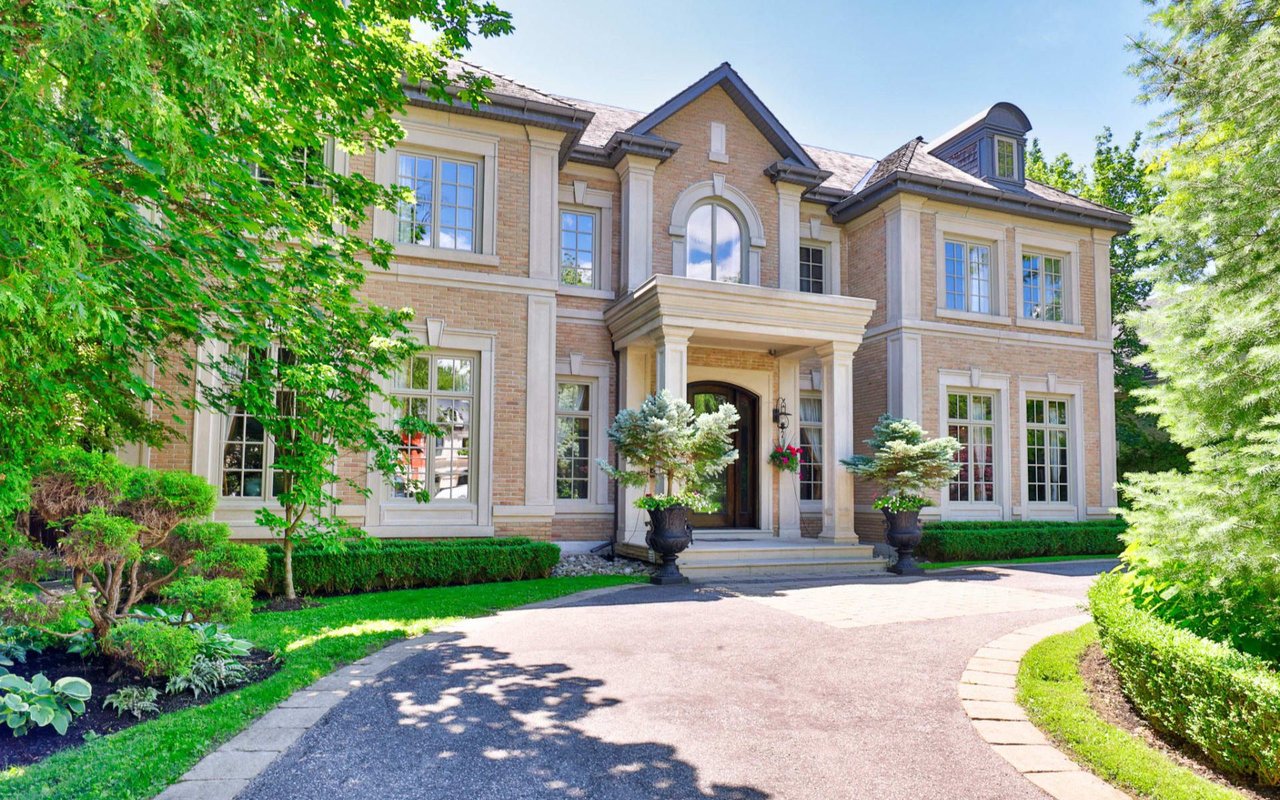
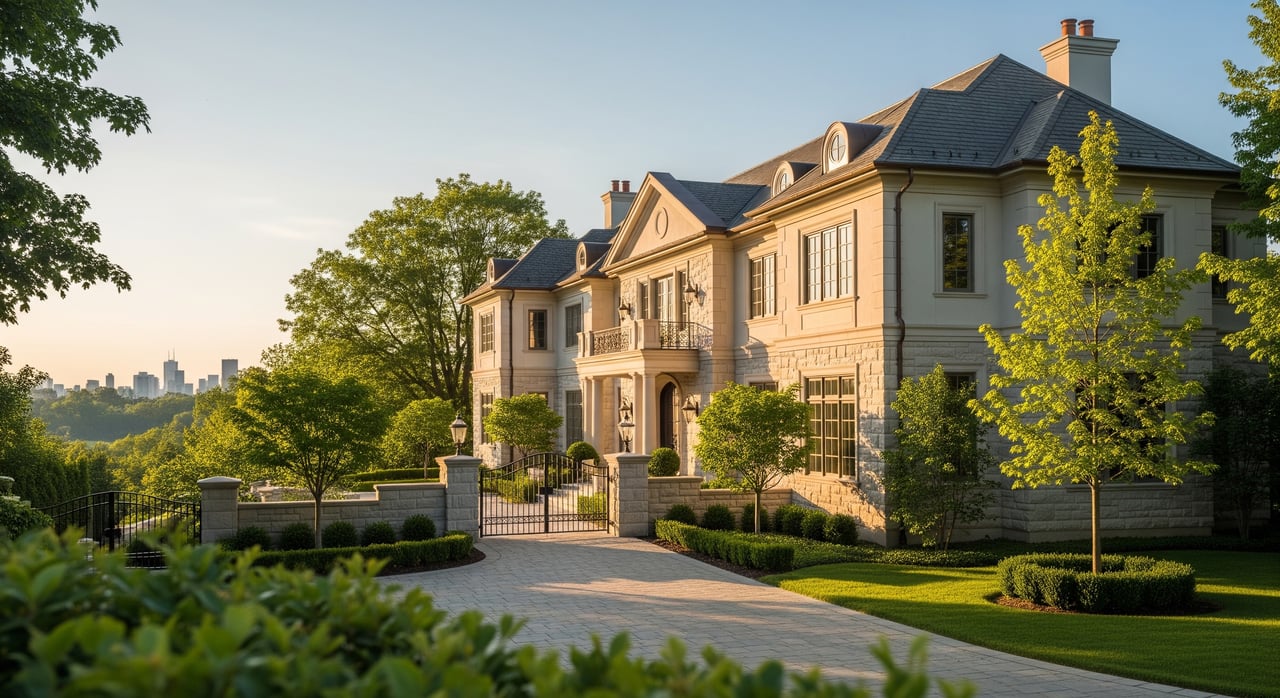
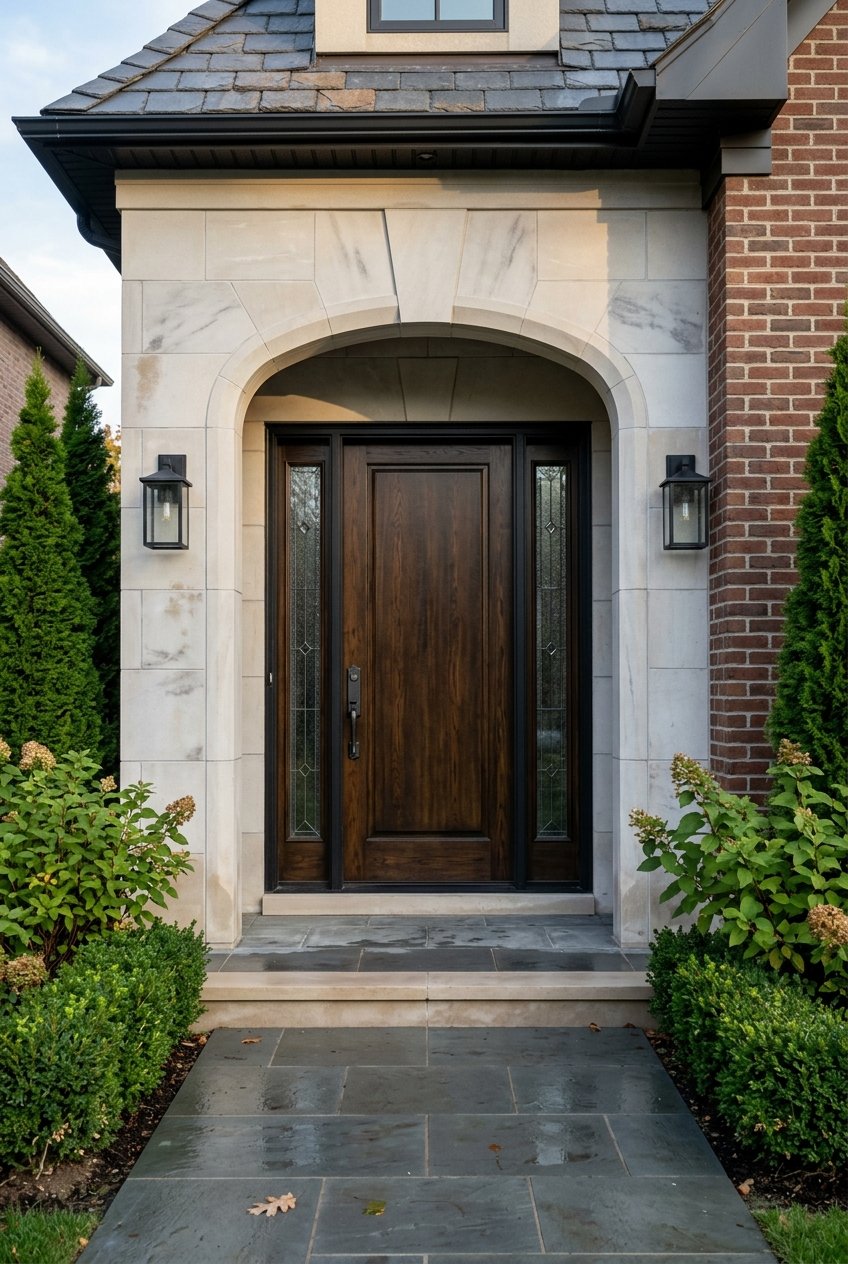
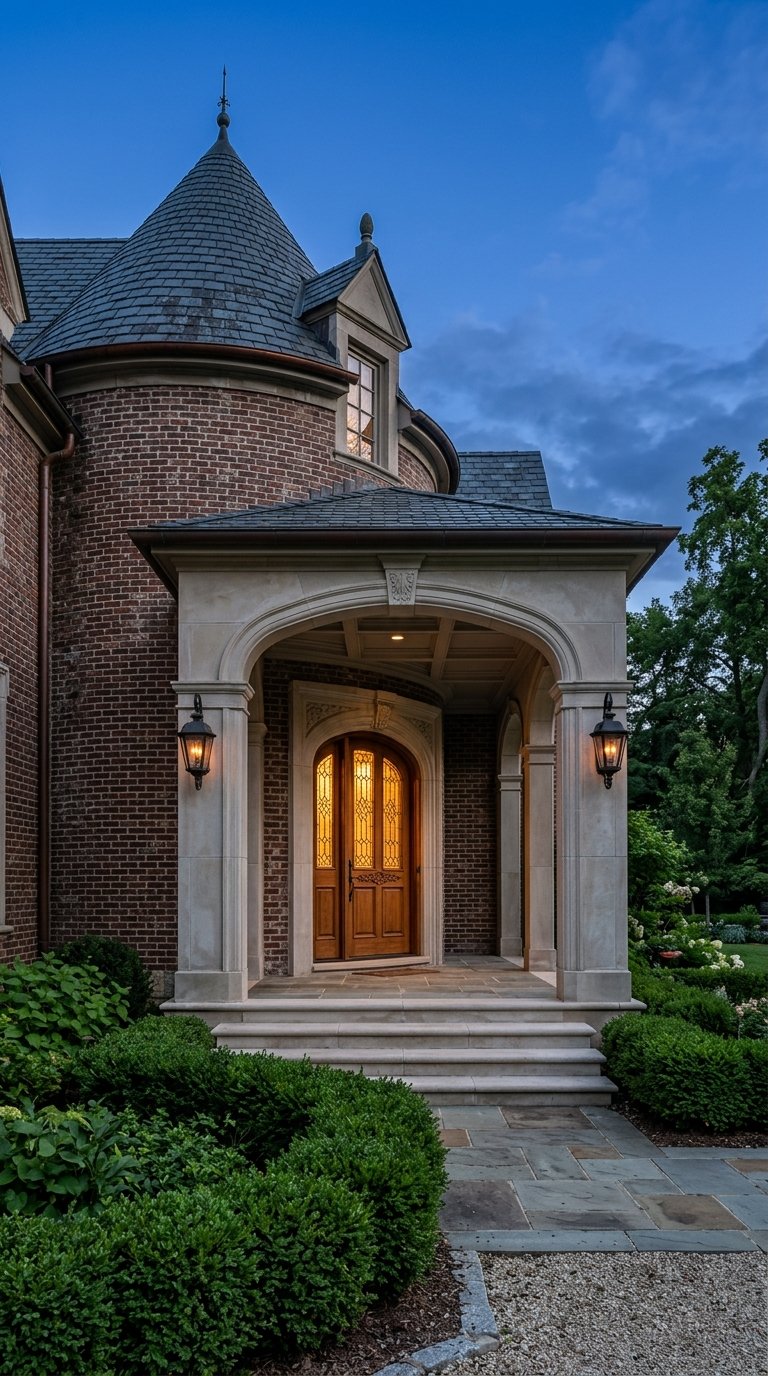
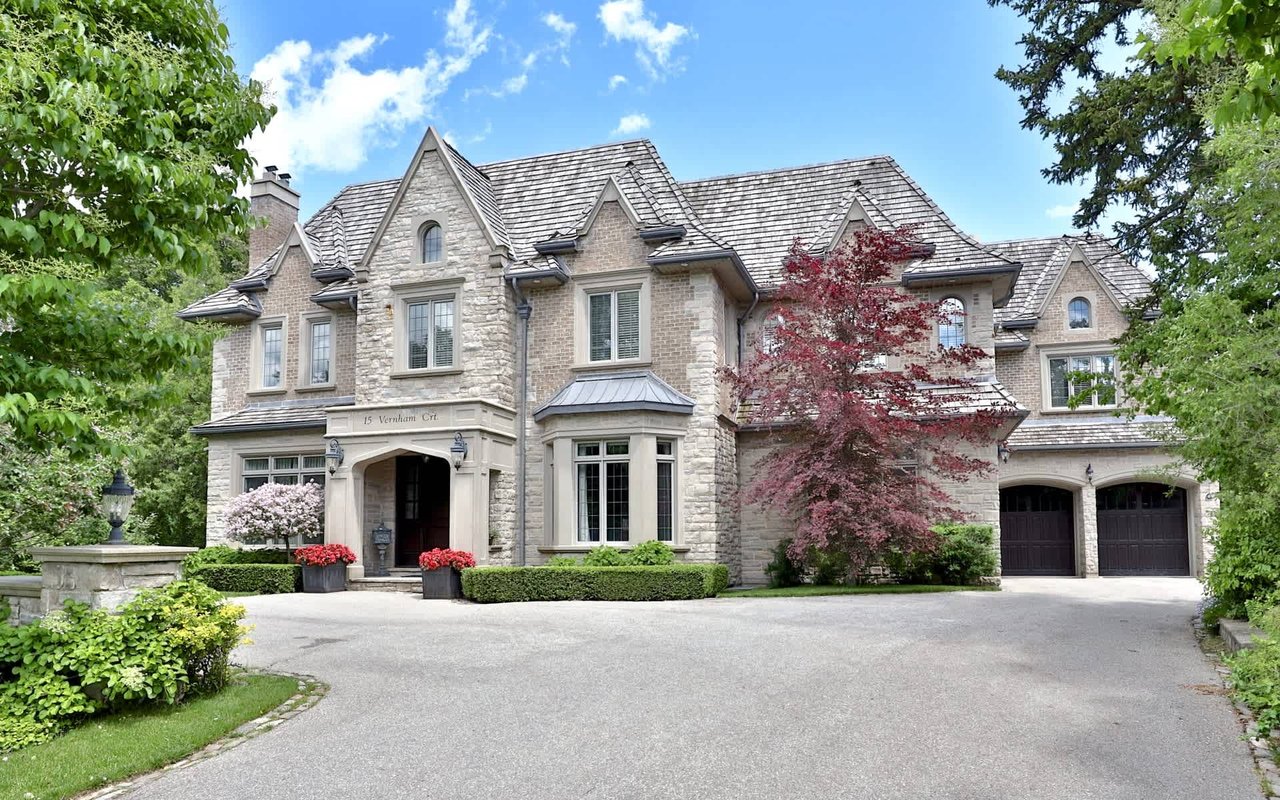
What are you really buying when you buy a ravine property in York Mills: a beautiful house, a rare piece of land, or a complicated mix of both? If you are comparing homes in this part of Toronto, that question matters more than many buyers and sellers first expect. Ravine living can create real visual and lifestyle appeal, but it can also change what a lot is worth, what can be built, and how a property should be negotiated. Let’s dive in.
Why ravine living matters in York Mills
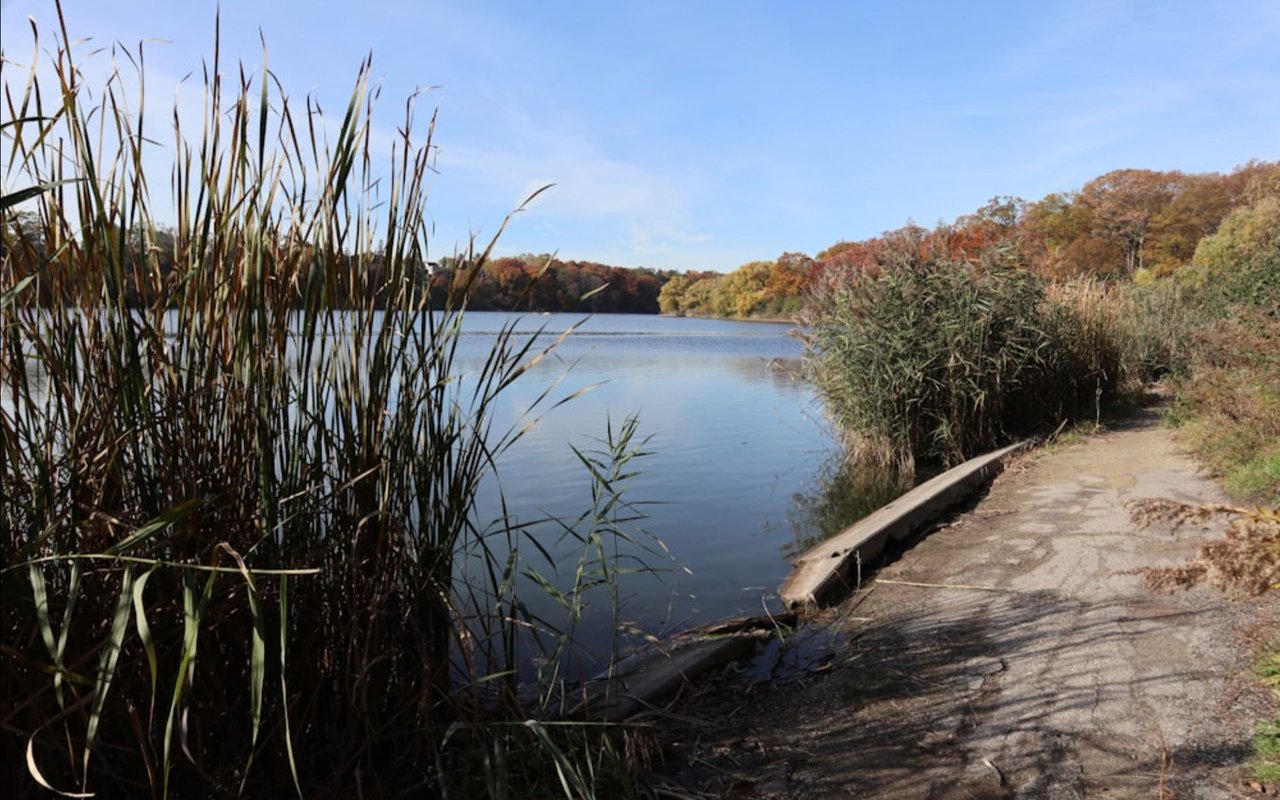
York Mills is shaped by Toronto’s ravine system in a very real way. The City of Toronto describes ravines as major green infrastructure that support stormwater filtering, biodiversity, and urban cooling, and says the ravine system helps define neighbourhood identity and boundaries.
In York Mills, that is not just planning language. The City’s Bridle Path-Sunnybrook-York Mills neighbourhood profile maps Wilket Creek and a branch of the West Don River through the area, which helps explain why one street can feel very different from the next.
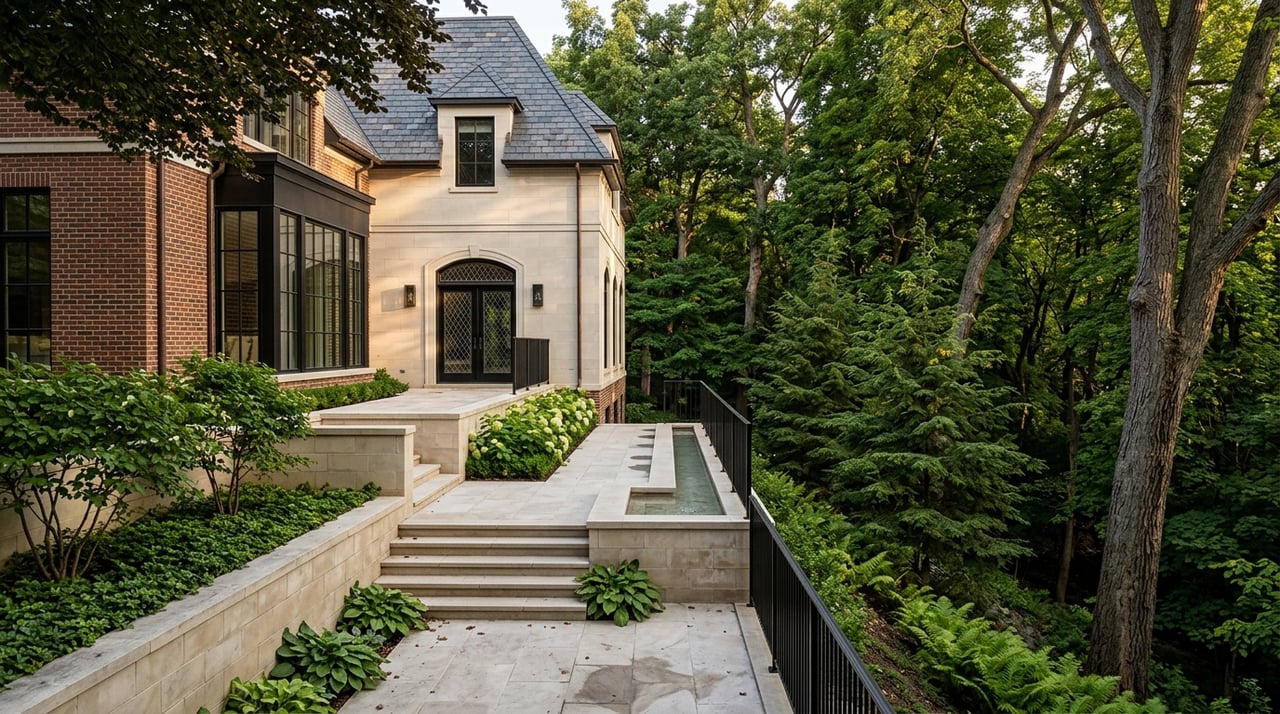
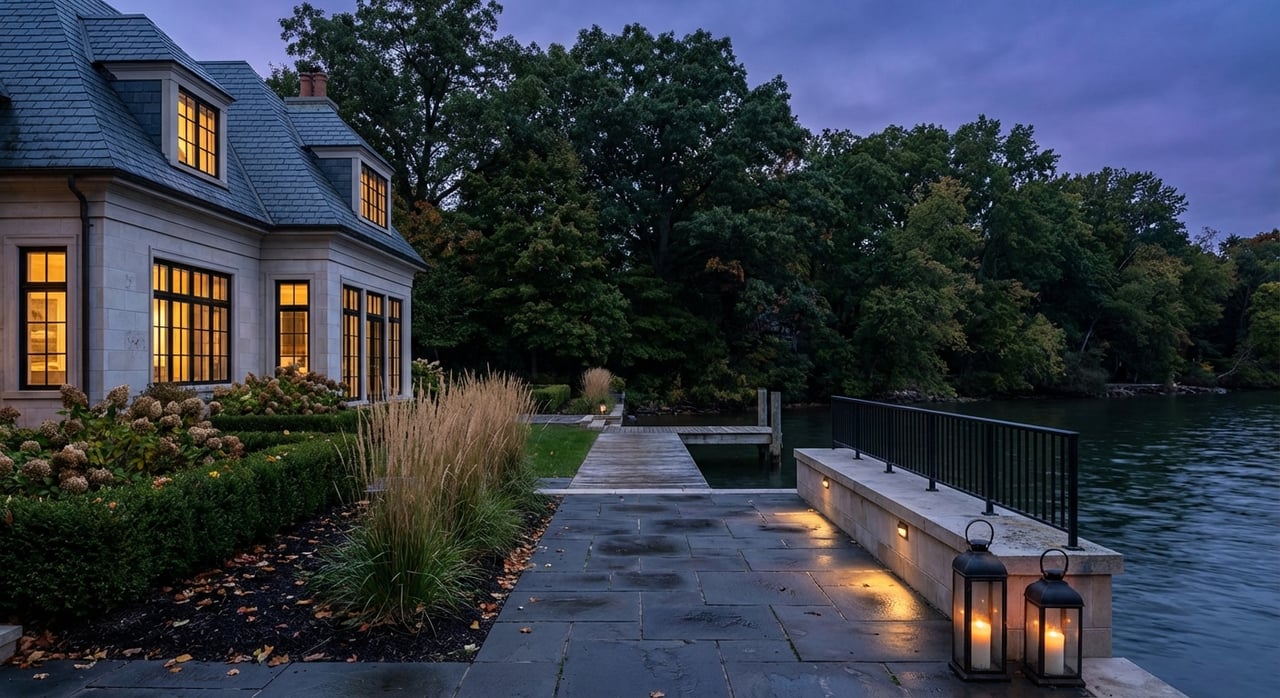
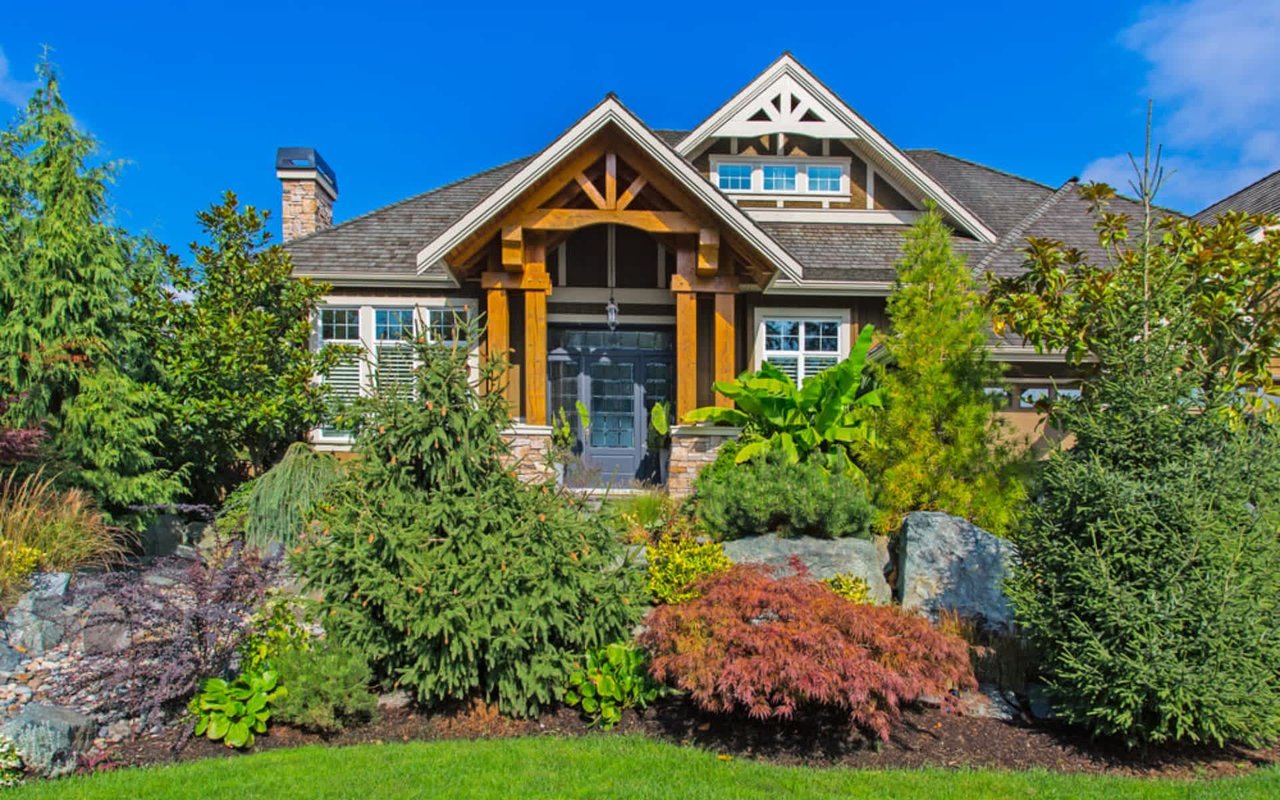
For buyers and sellers, this means ravine exposure is often part of a property’s value story. A home may offer privacy, mature trees, and a strong natural backdrop, but those same landscape features can also come with slope, drainage, and permit constraints.
Lot value and house value are not the same
In York Mills, a large lot does not always equal a more valuable building site. On paper, two properties may appear similar in size, but their real value can differ sharply once topography, ravine protection rules, and usable yard area are considered.
House value is tied more closely to the dwelling itself, including design, condition, layout, and finishes. Lot value is tied to the land’s utility, setting, and future potential. On ravine properties, those two values can pull in different directions.
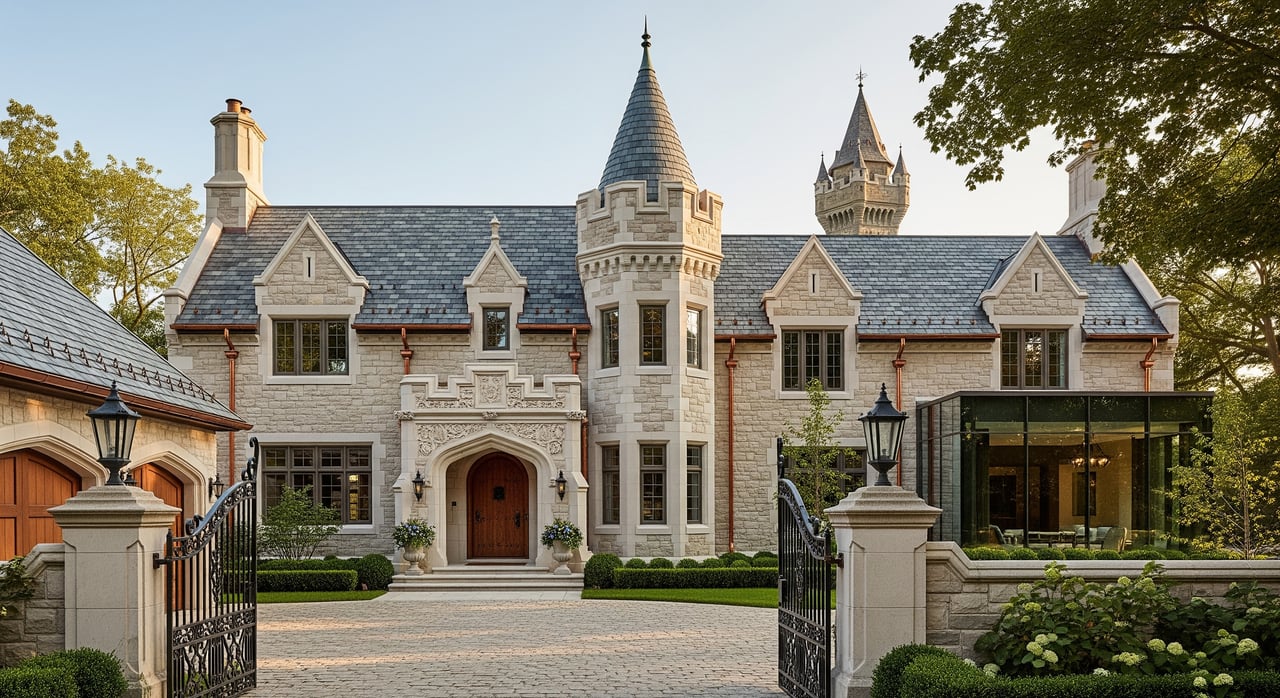
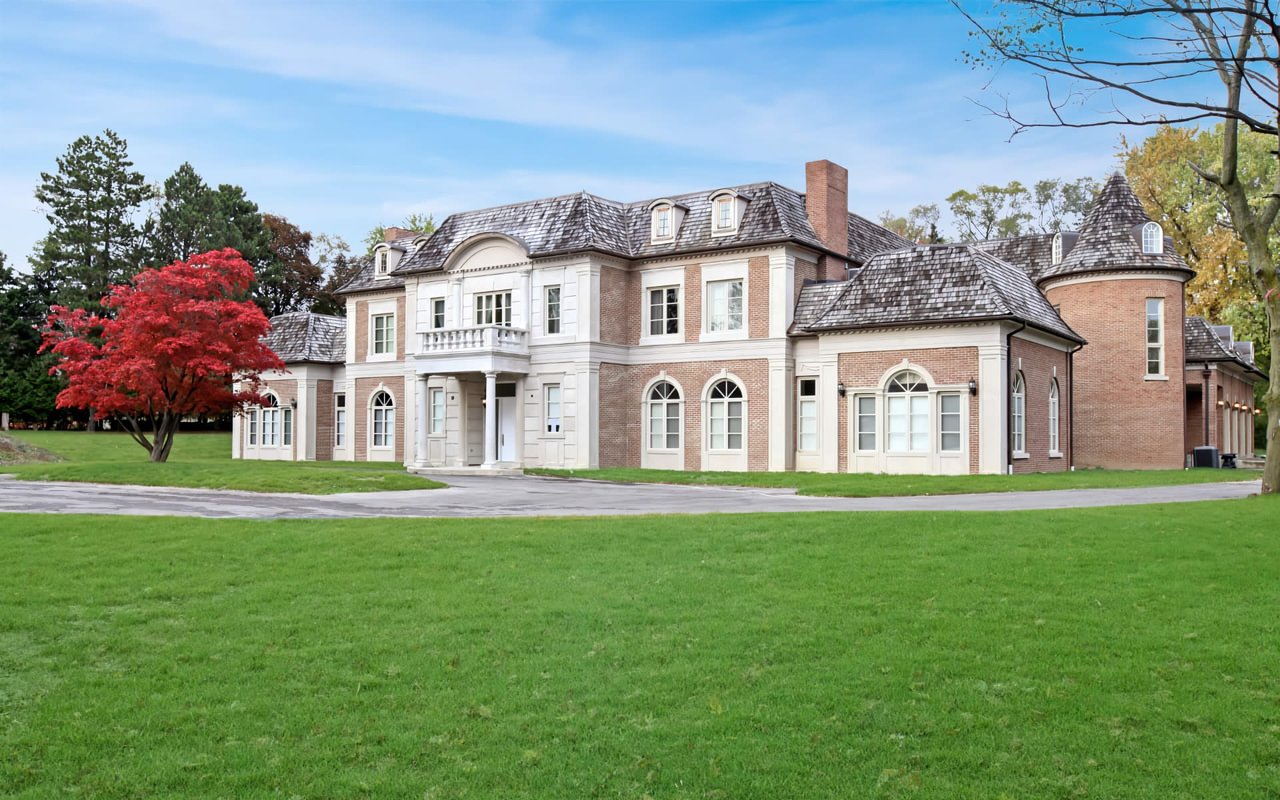
A beautiful existing house may command strong interest because it already captures the ravine setting well. By contrast, a teardown or redevelopment candidate may be less straightforward if the land looks expansive but has a limited buildable envelope.
Why some ravine lots trade at a premium
There is a reason buyers are drawn to ravine properties in York Mills. Research on parks, open space, and water views generally shows that natural amenities can be reflected in housing prices, although the premium is not uniform.
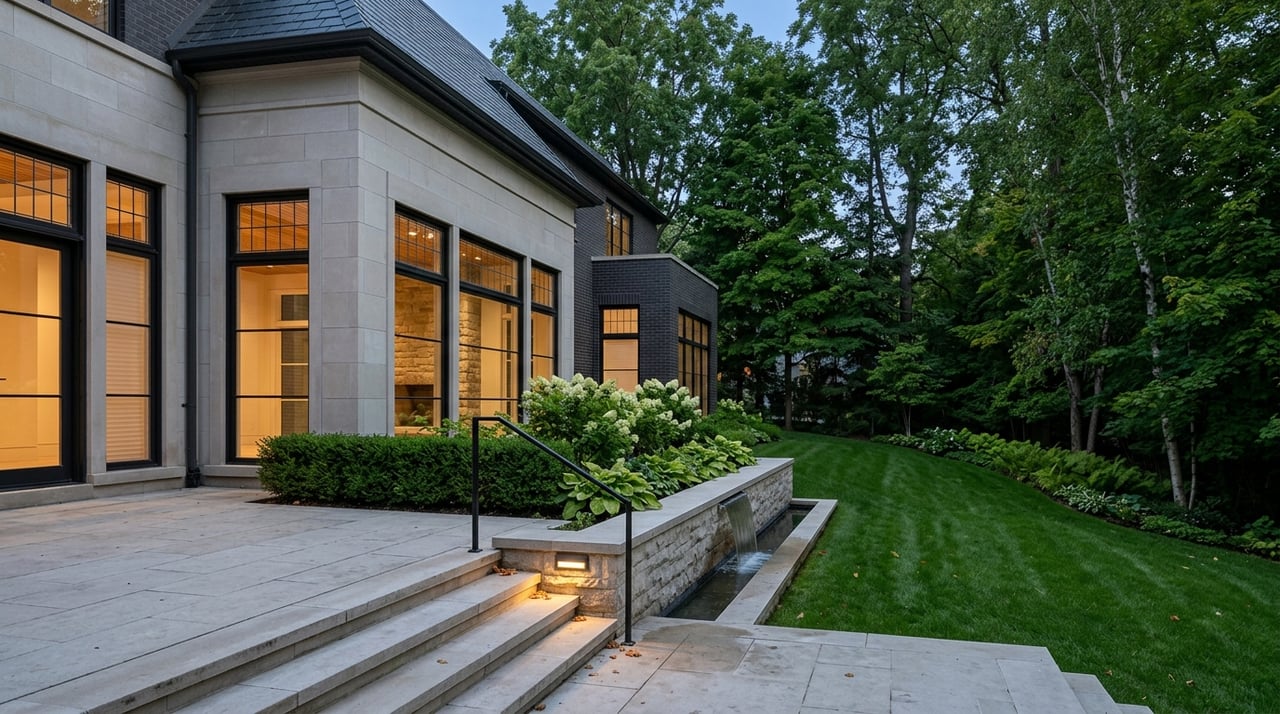
In simple terms, buyers often pay for what they can see and feel. Mature tree cover, a quiet rear outlook, and visual separation from neighbouring homes can make a property feel more private and more distinctive.
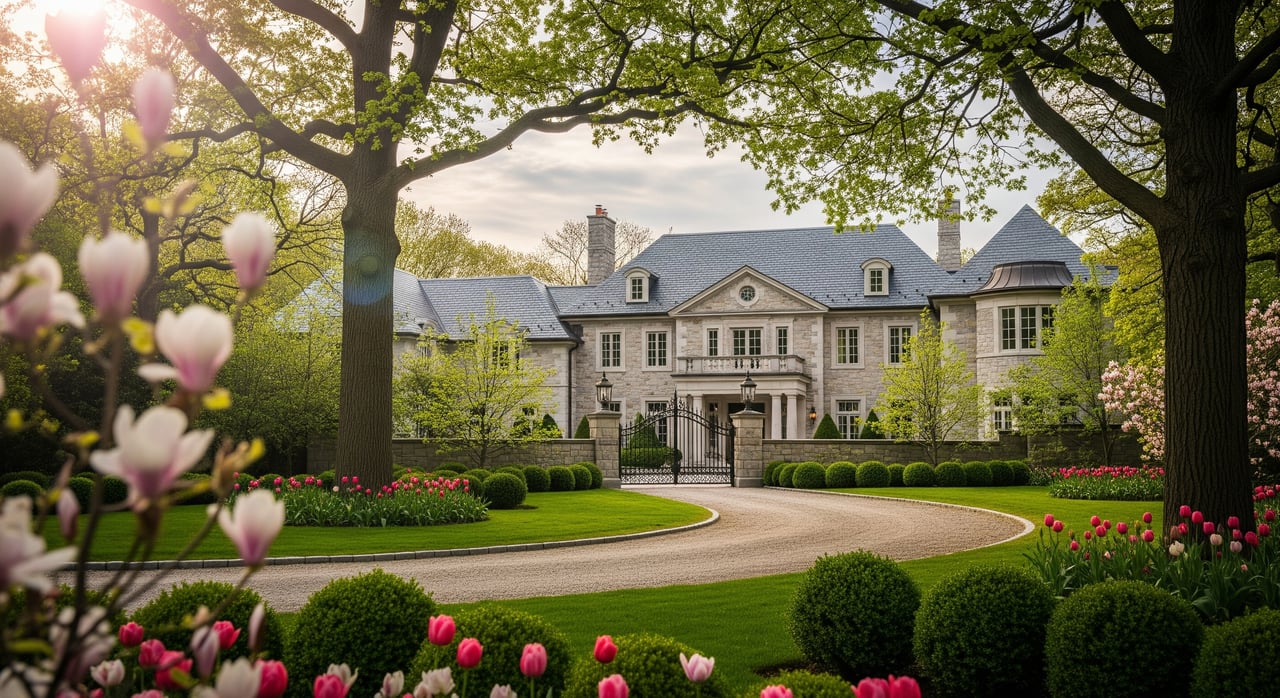
That effect can be especially strong in prestige areas where setting matters almost as much as square footage. In York Mills, a ravine backdrop can make a property feel rarer than another home with a similar interior size on a flatter, more conventional lot.
Why some ravine lots trade at a discount
The premium is only one side of the story. Risk and restrictions can also reduce what buyers are willing to pay.
Flood-risk research shows that flood exposure can be priced as a discount when buyers understand it. The same logic applies to slope stability, drainage concerns, tree protection limitations, and uncertainty around future alterations.
This is why a ravine lot can be visually impressive but financially less flexible. If you cannot easily expand the house, change grades, add retaining walls, or alter the landscape without significant review and cost, the land may be worth less than its size suggests.
York Mills streets can differ materially
One of the biggest mistakes in York Mills is treating all ravine-adjacent homes as if they share the same risk and value profile. They do not.
Hoggs Hollow and valley exposure
Hoggs Hollow is a strong example of how topography affects value. A City of Toronto staff report describes the area as a low-lying part of the Yonge Street and York Mills Road valley within the West Don River valley and notes that it is prone to surface and basement flooding.
TRCA also says the G. Ross Lord Dam was designed to protect residents along the West Don River, specifically the Hoggs Hollow community, and lists the Yonge-York Mills flood control channel as part of its flood-control infrastructure. For buyers, that means flood history, drainage design, and insurability deserve close review.
Banbury, Wilket Creek, and slope conditions
Banbury and the Wilket Creek area show a different version of ravine living. TRCA’s Wilket Creek guide says heavy rainfall runs off the downhill slopes of Banbury Park into the ravine, and it describes flooding damage to walkways, bridges, and the creek bed, along with steep climbs and continual slope change in the valley.
That does not make every nearby property problematic. It does mean that grade, runoff patterns, and topographic position can materially affect how one lot should be valued compared with another only a short distance away.
When a lot becomes a site, not just a parcel
Toronto does not treat ravine lots like ordinary backyards. The City’s permit guidance says ravines and natural features are protected, and harming trees, changing natural topography, placing fill, or constructing new or replacement structures or retaining walls is prohibited unless authorized by permit.
The Official Plan’s ravine setback policy sets a 10-metre setback from the top of bank, with larger setbacks possible where slopes are unstable. Development within or adjacent to ravine-protected areas can also require surveys, topographic drawings, geotechnical and stormwater studies, arborist reports, Natural Heritage Impact Studies, and TRCA-related correspondence.
This is the point where a nominally large lot stops being just a parcel and starts becoming a regulated site. If a meaningful portion of the rear yard falls within setbacks, protected slopes, or tree protection areas, the usable land can be much smaller than the total lot area suggests.
Does ravine exposure add more value than a bigger interior lot?
Sometimes yes, but not automatically. A ravine setting can outperform a larger interior lot when the buyer values privacy, outlook, and natural character more than raw backyard depth.
That said, a bigger interior lot can be more valuable if it offers cleaner redevelopment potential or fewer constraints. In York Mills, the extra square footage on title only matters if it is truly usable or buildable.
Toronto’s multiplex change also adds an important layer. The City now permits up to four units citywide in Neighbourhoods, but ravine protection rules and setbacks can still be the binding constraint on what a site can support.
What buyers should review before paying a premium
If you are buying a ravine property in York Mills, site due diligence matters as much as the house inspection. The right questions can protect you from overpaying for land that looks better than it performs.
Start with the basics:
- Where is the top-of-bank line?
- What portion of the lot is protected?
- Is there a current survey or topographic plan?
- Were any additions, retaining walls, or landscape changes permitted?
- Is there documentation for drainage, waterproofing, or other mitigation work?
These questions help you separate visual appeal from functional land value. They also help you understand whether the current house is the property’s best use, or whether future changes may be limited.
What sellers can do to support pricing
For sellers, the strongest story is usually documentation, not vague claims about lot size. Buyers tend to respond better when the property file clearly explains what is usable, what has been approved, and what work has already been done.
Helpful materials may include:
- A recent land survey
- Topographic drawings
- Permit records
- Arborist reports
- Drainage or waterproofing records
- Clear notes on retaining walls, grading, or previous improvements
In a premium market segment, clarity supports confidence. A well-documented ravine property often stands apart from a competing listing that relies only on atmosphere and photography.
How negotiation changes on ravine properties
Ravine homes often require a more detailed negotiation because buyers are weighing both lifestyle upside and site-related risk. That is especially true when market conditions give buyers more room to ask harder questions.
TRREB reported that GTA sales in April 2026 were up 7 per cent year over year while the average selling price fell 4.9 per cent to $1,051,969. Detached homes averaged $1.37 million across the GTA, with 416 detached homes averaging $1.67 million.
In a softer market, buyers tend to press more aggressively on condition, drainage, permit history, and rebuild risk. For a York Mills ravine property, that can mean the premium for setting is negotiated more carefully than it might be in a fast-rising market.
The practical way to think about value
If you are buying, think of a ravine property as two assets at once: a home you can enjoy now and a site with constraints that need to be understood clearly. A great ravine house may still be a great buy, but only if the premium reflects the property’s real utility and risk profile.
If you are selling, remember that sophisticated buyers rarely pay only for romance. They pay for setting, yes, but they also pay for certainty, documentation, and a clear understanding of what makes your specific York Mills property materially different from the next one.
In York Mills, ravine living can create exceptional appeal. The key is knowing when the extra value belongs to the house, when it belongs to the land, and when the land only looks more valuable than it really is.
If you are weighing the value of a York Mills ravine property, whether as a buyer or a seller, Barry Cohen Homes offers discreet, data-driven guidance tailored to Toronto’s luxury market.
FAQs
Does a ravine lot in York Mills always increase property value?
- No. Ravine exposure can add value through privacy, views, and natural setting, but flood risk, slope issues, setbacks, and permit constraints can reduce that premium.
What should buyers check on a York Mills ravine property before making an offer?
- Buyers should review the top-of-bank location, protected areas, current survey or topographic plan, permit history for additions or landscape work, and any drainage or waterproofing documentation.
How do Toronto ravine rules affect lot value in York Mills?
- Ravine rules can reduce the usable and buildable portion of a lot through setbacks, tree protection, topography controls, and added study and permit requirements.
Why can one York Mills ravine street be valued differently from another?
- Local topography, creek exposure, runoff patterns, flood history, slope conditions, and site-specific constraints can vary significantly from one pocket to the next.
Is a larger ravine lot better than a smaller interior lot in York Mills?
- Not always. A larger ravine lot may look more impressive, but a smaller interior lot can be more valuable if it offers more usable land and fewer development constraints.