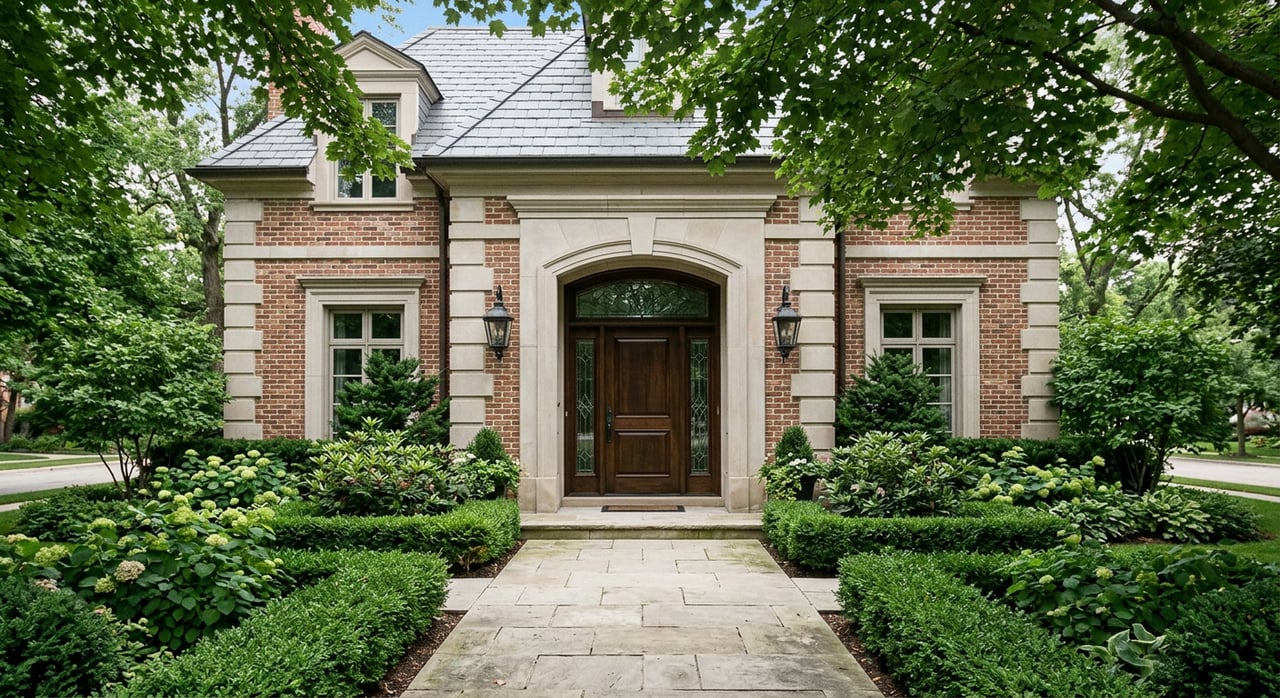
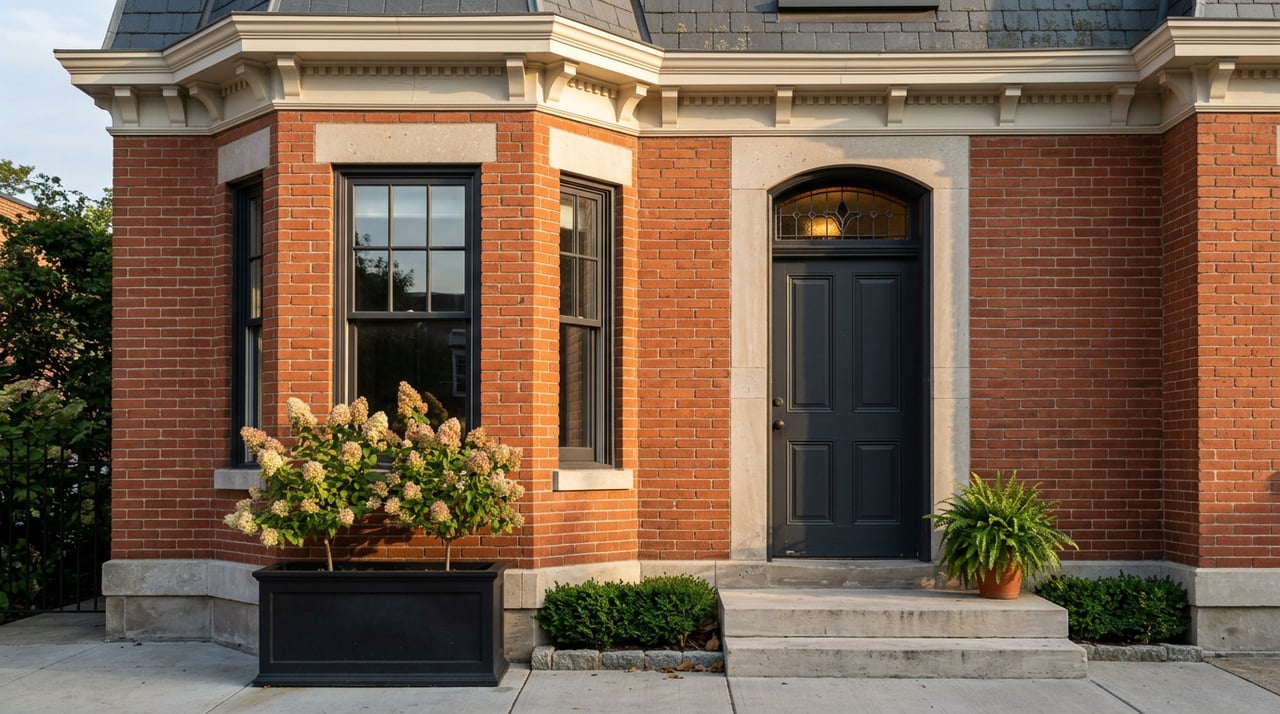
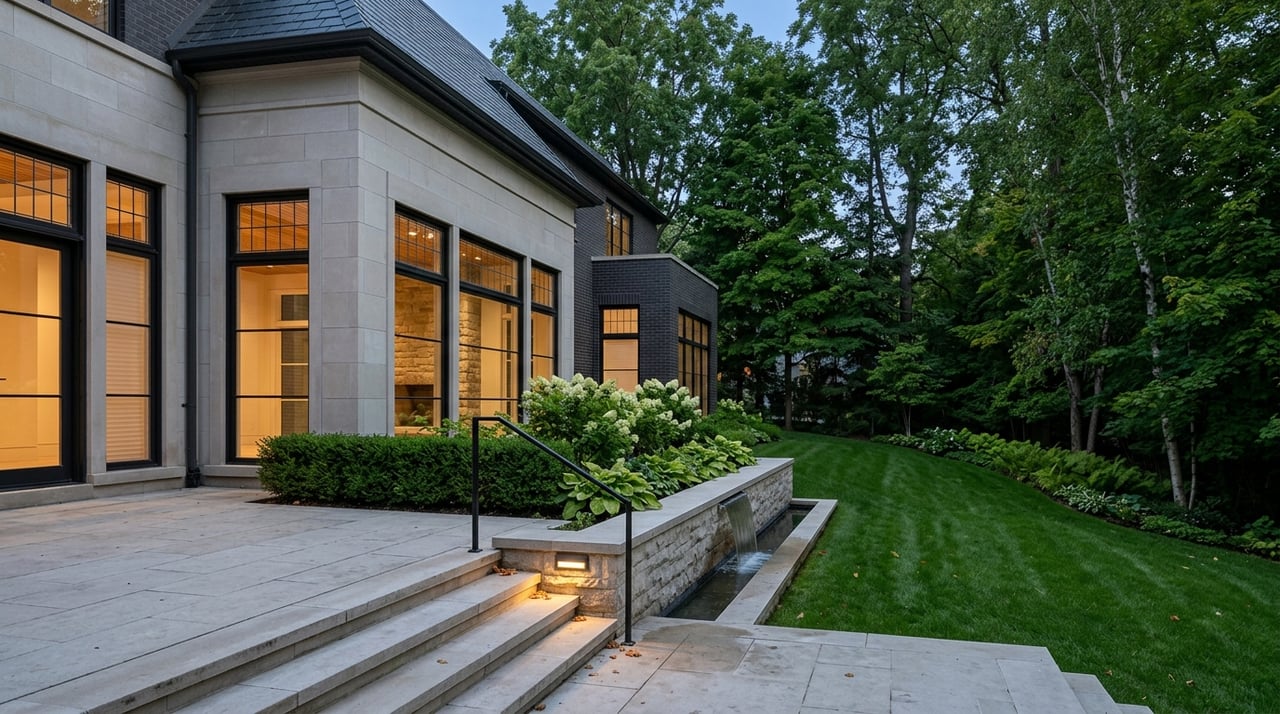
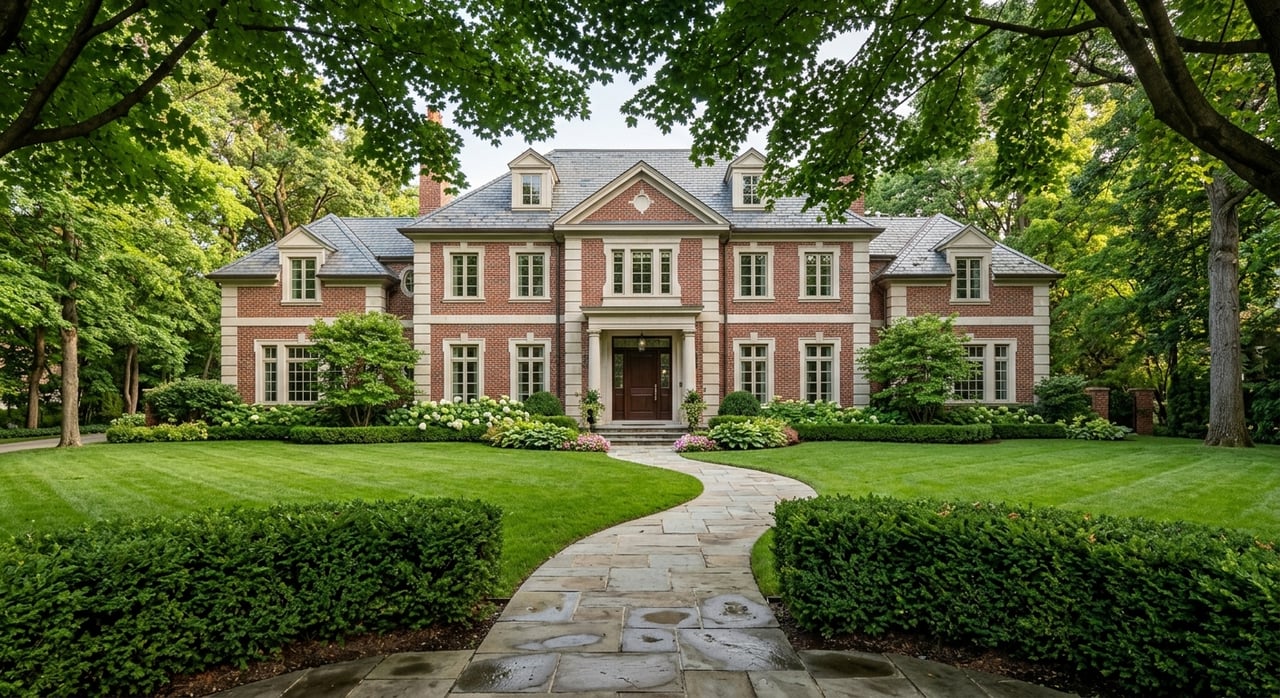
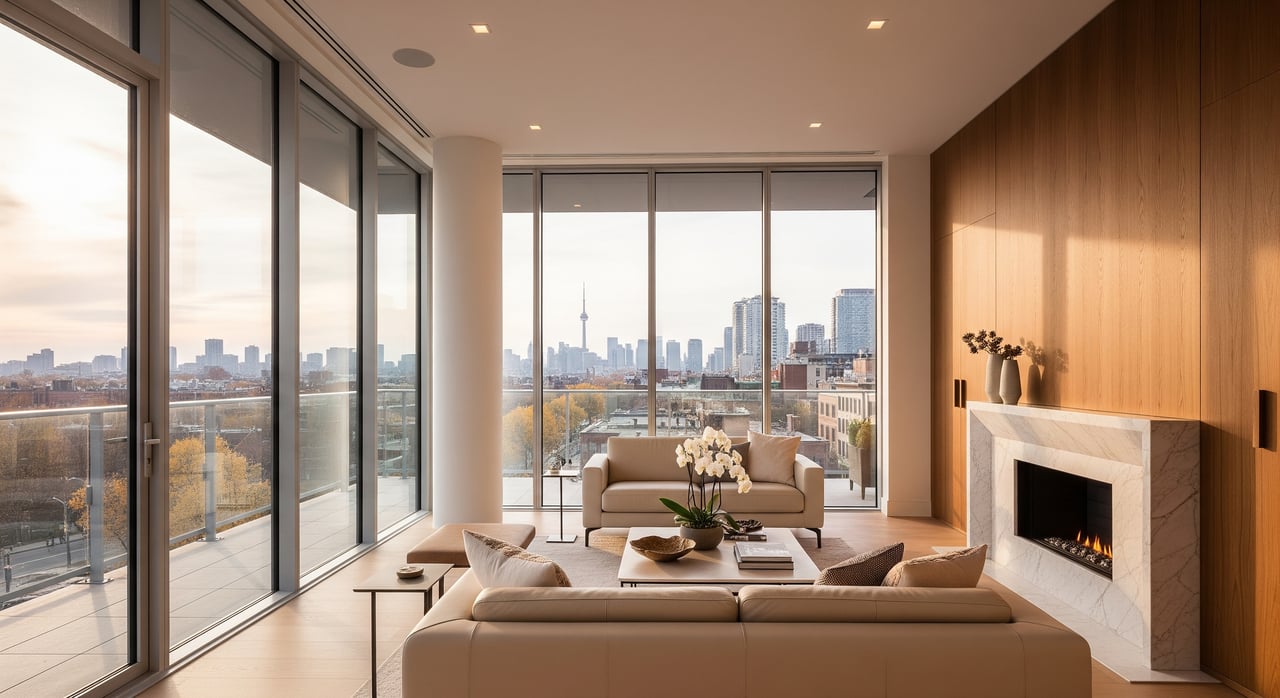
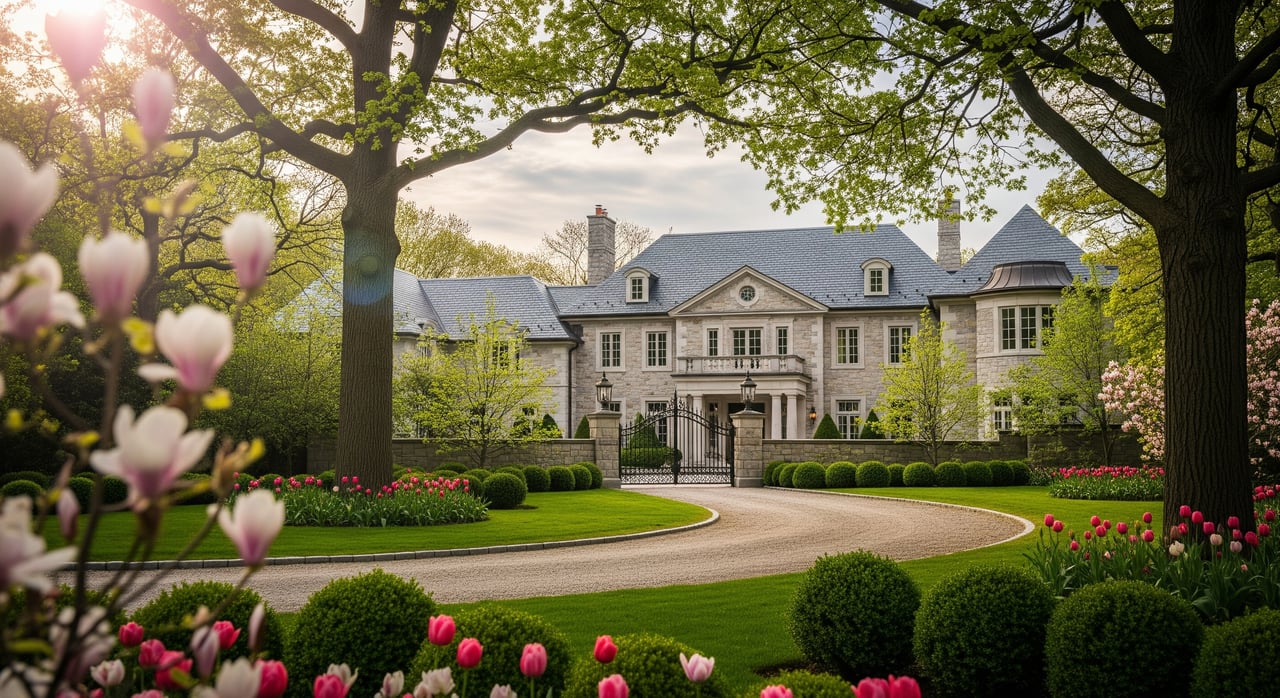
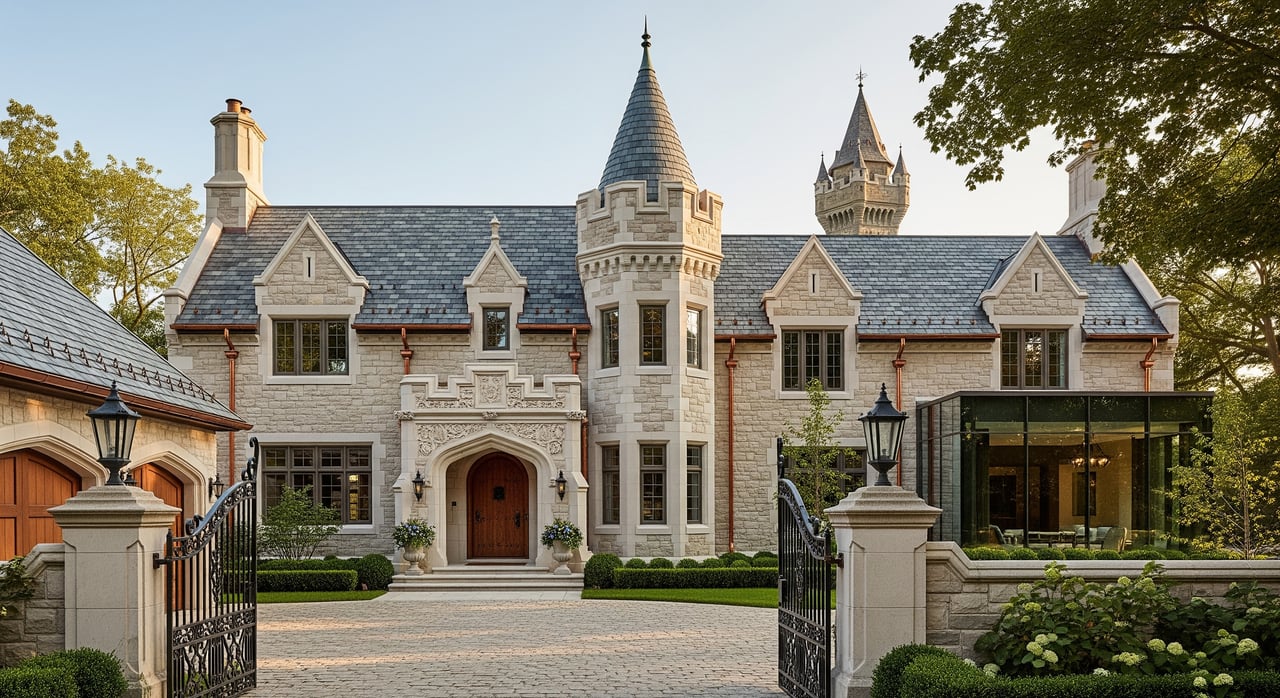
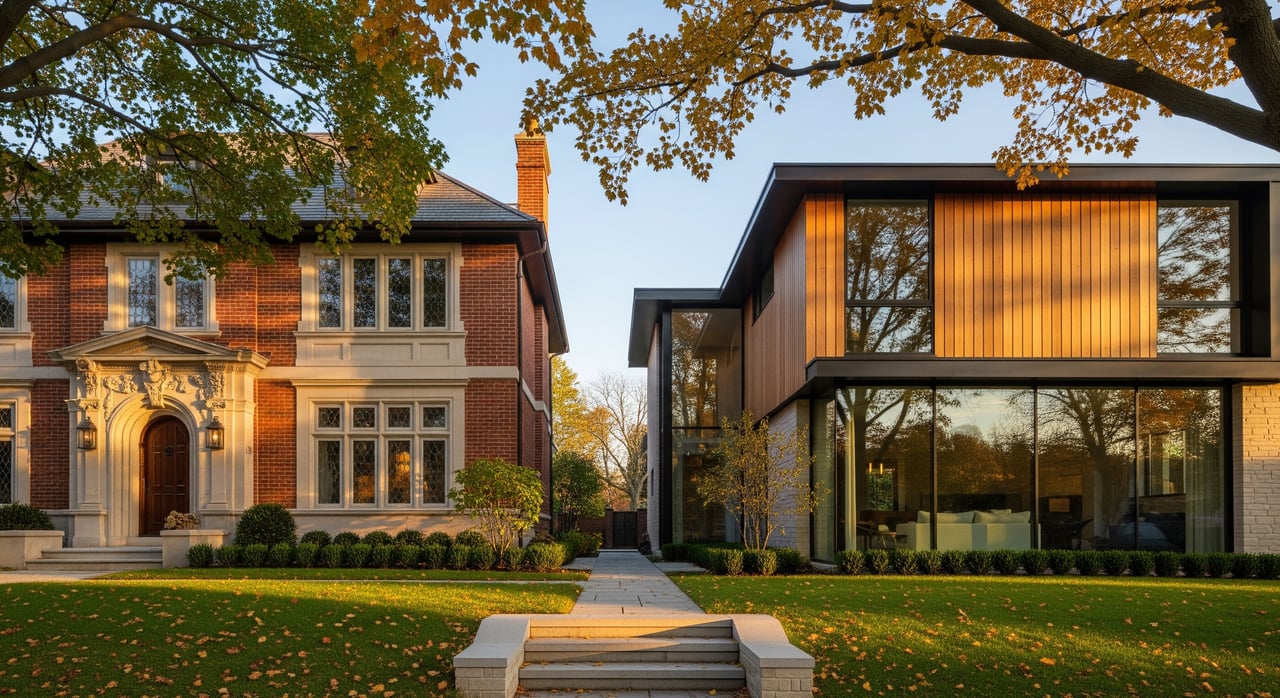
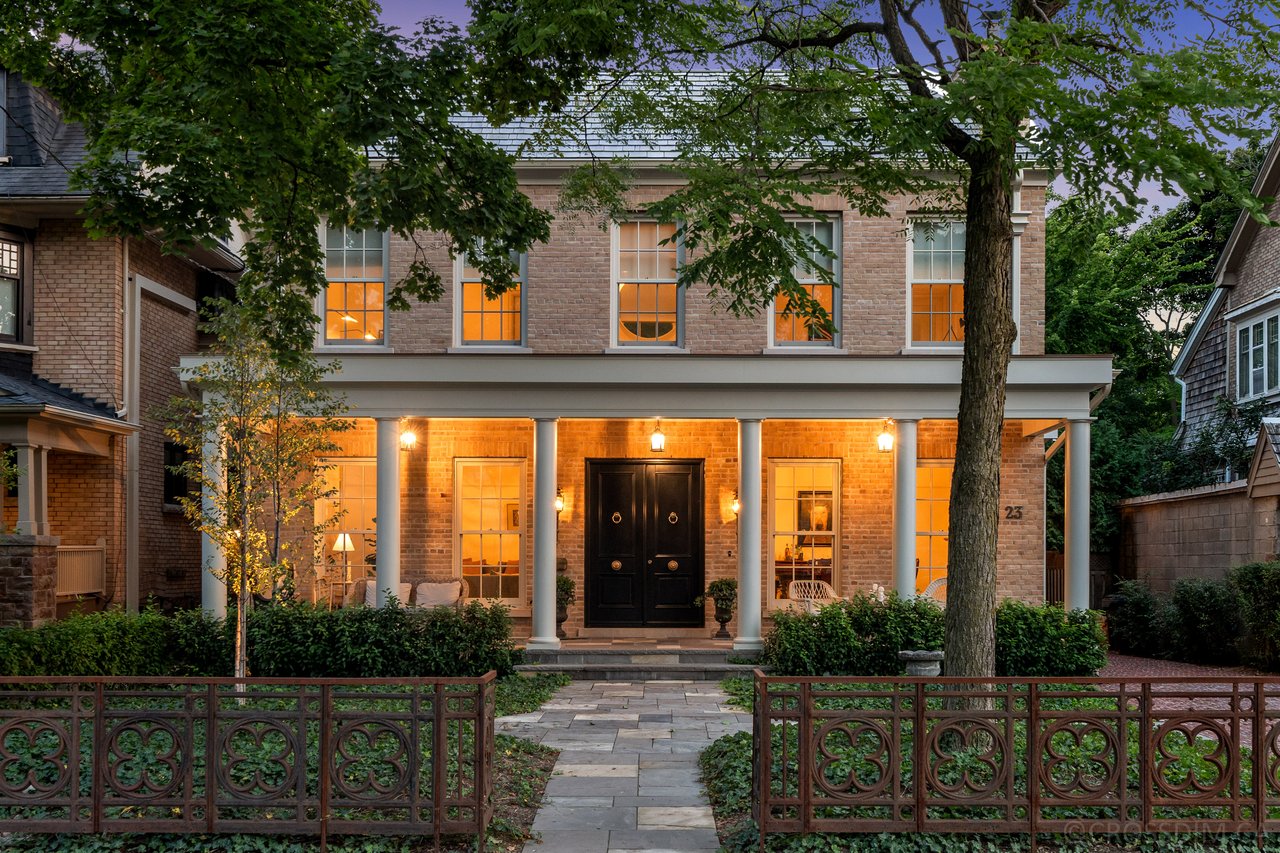
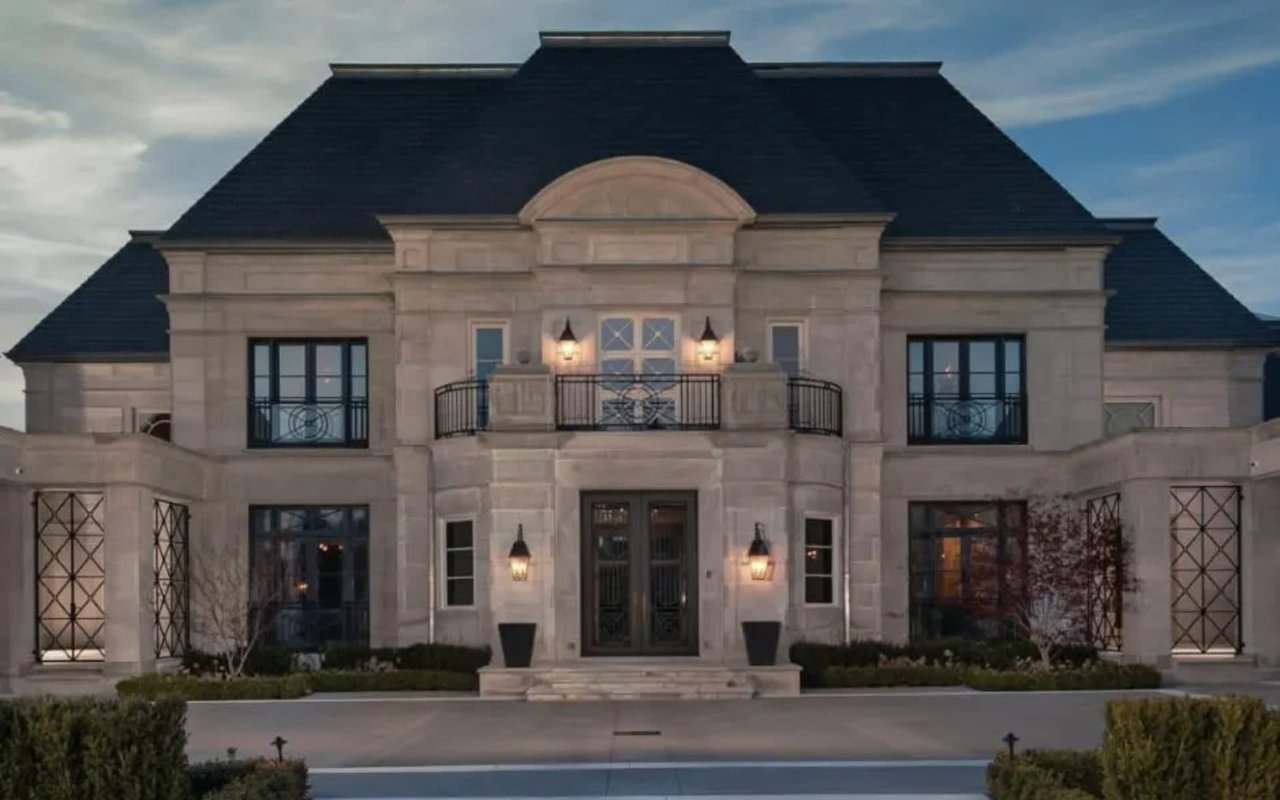
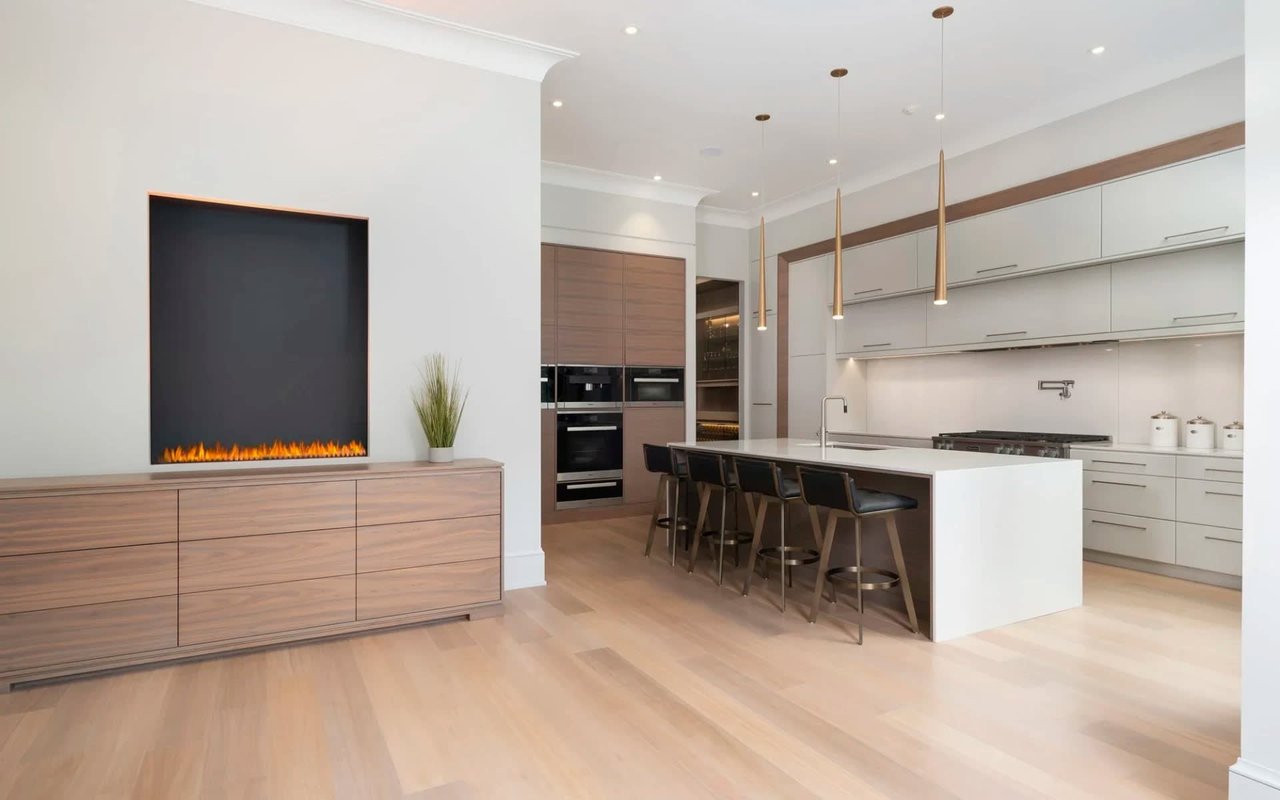
Thinking about replacing a Bedford Park bungalow with a custom home? It can be an exciting move, but it is rarely as simple as buying the lot, hiring a designer, and building what you want. In this part of Toronto, the process is shaped by zoning, permits, timing, and resale strategy. If you want to make a smart decision before committing time and capital, this guide will show you what to expect. Let’s dive in.
Bedford Park rebuilds start with context
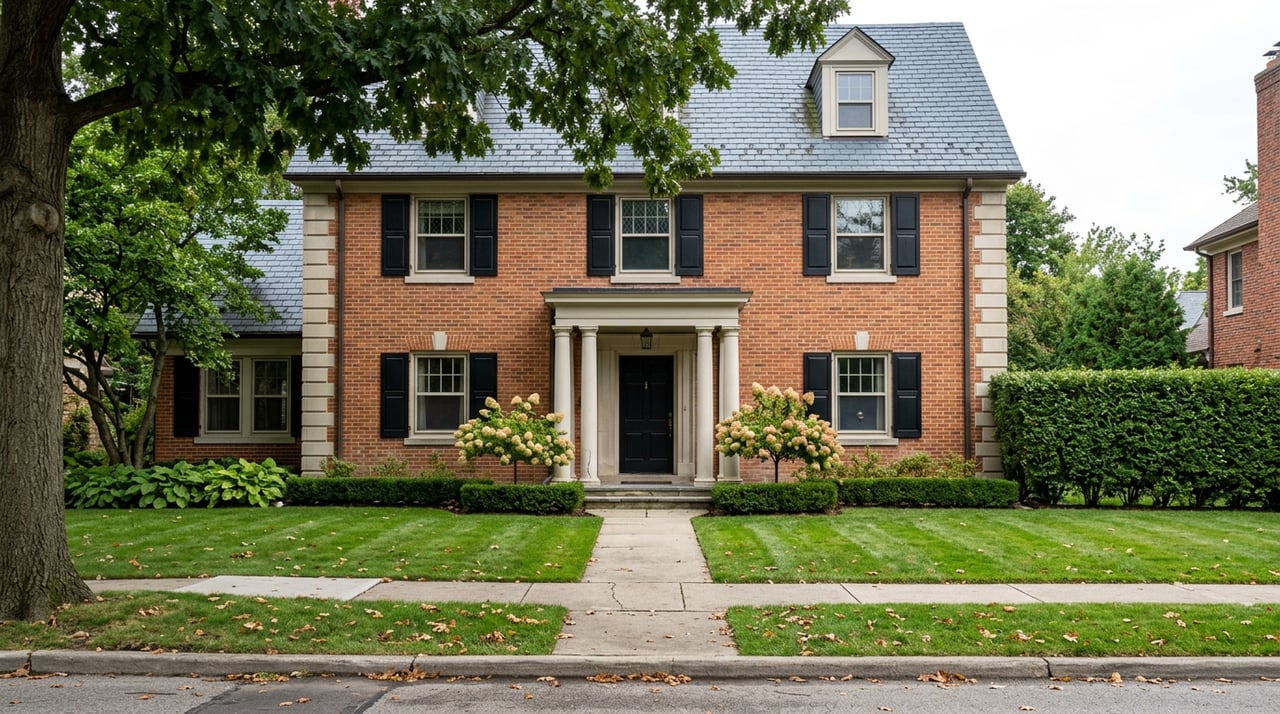
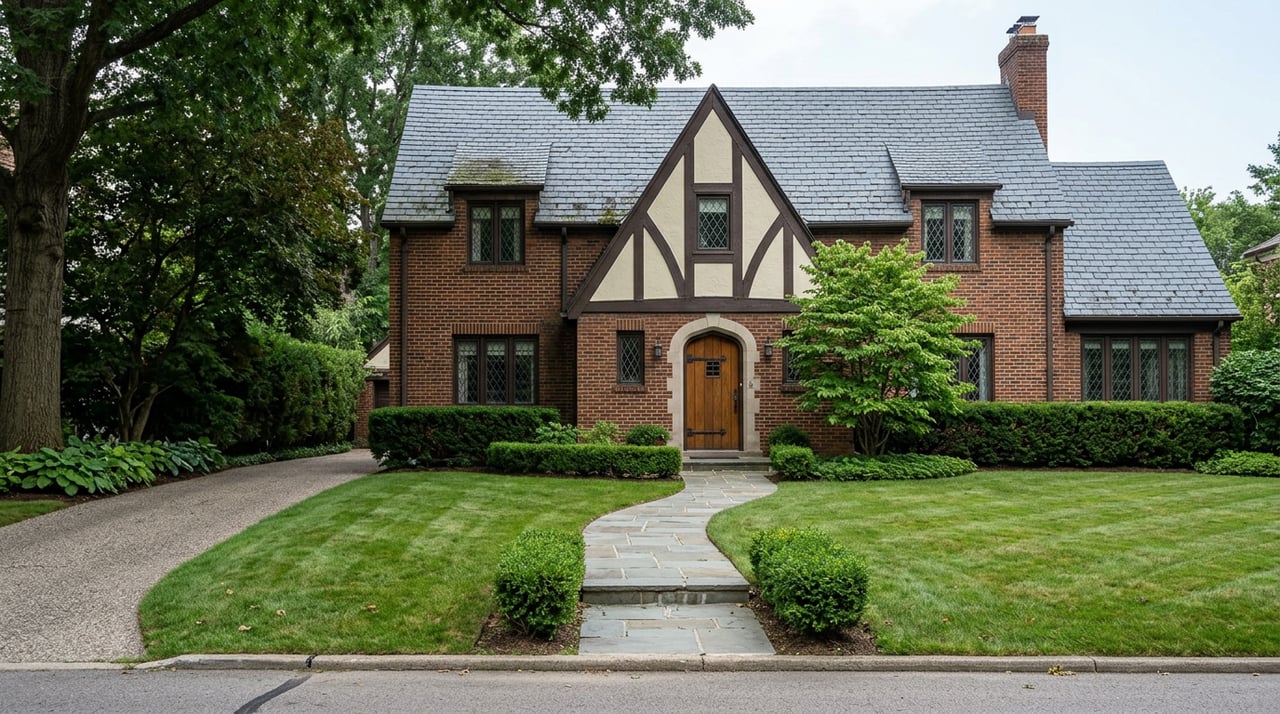
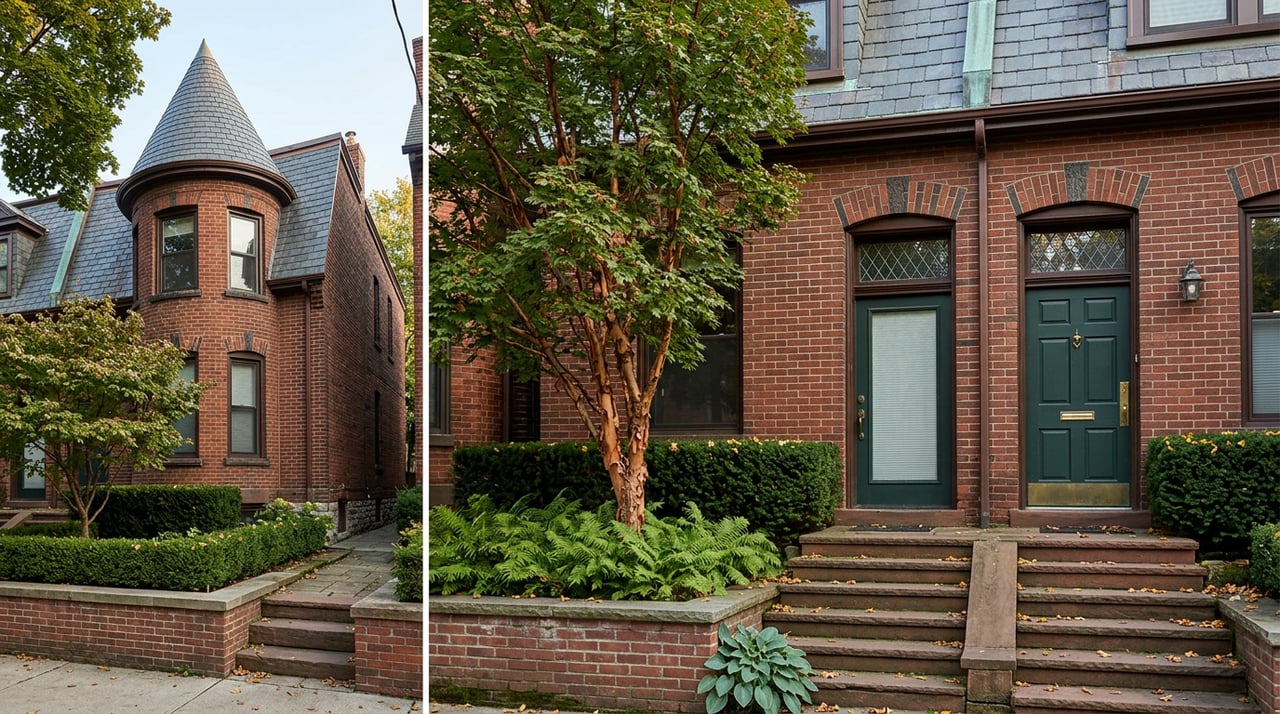
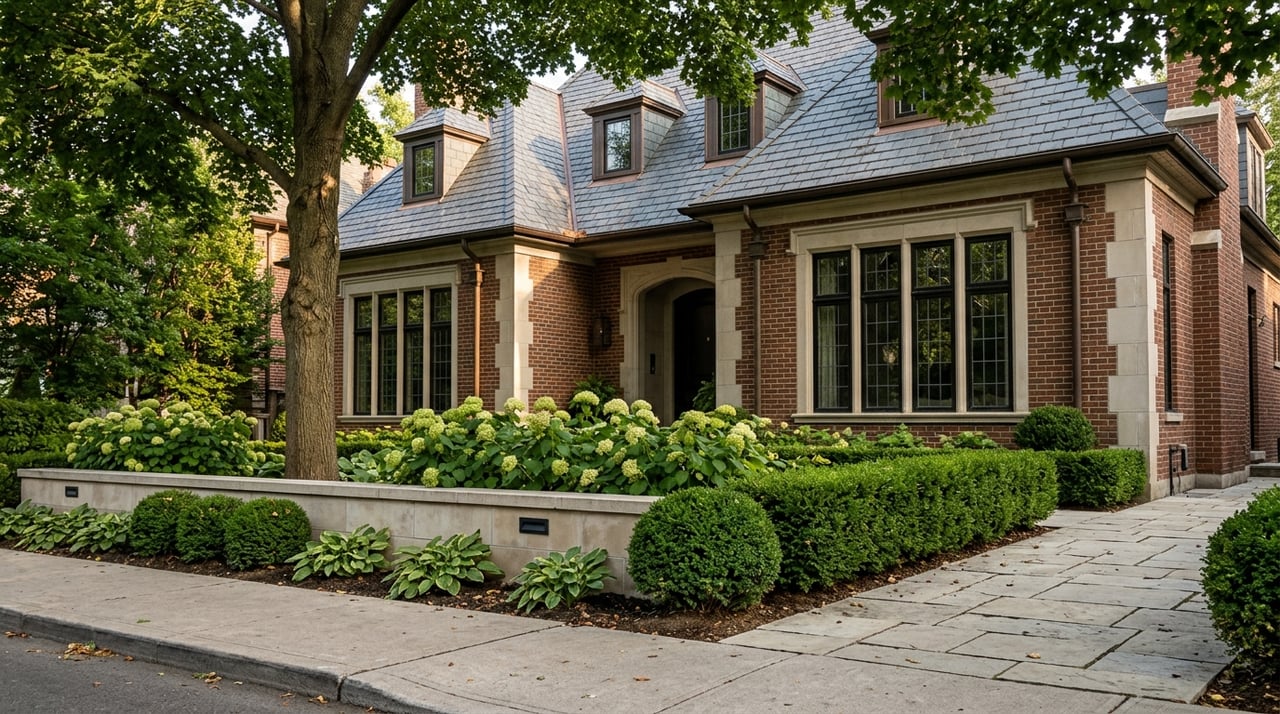
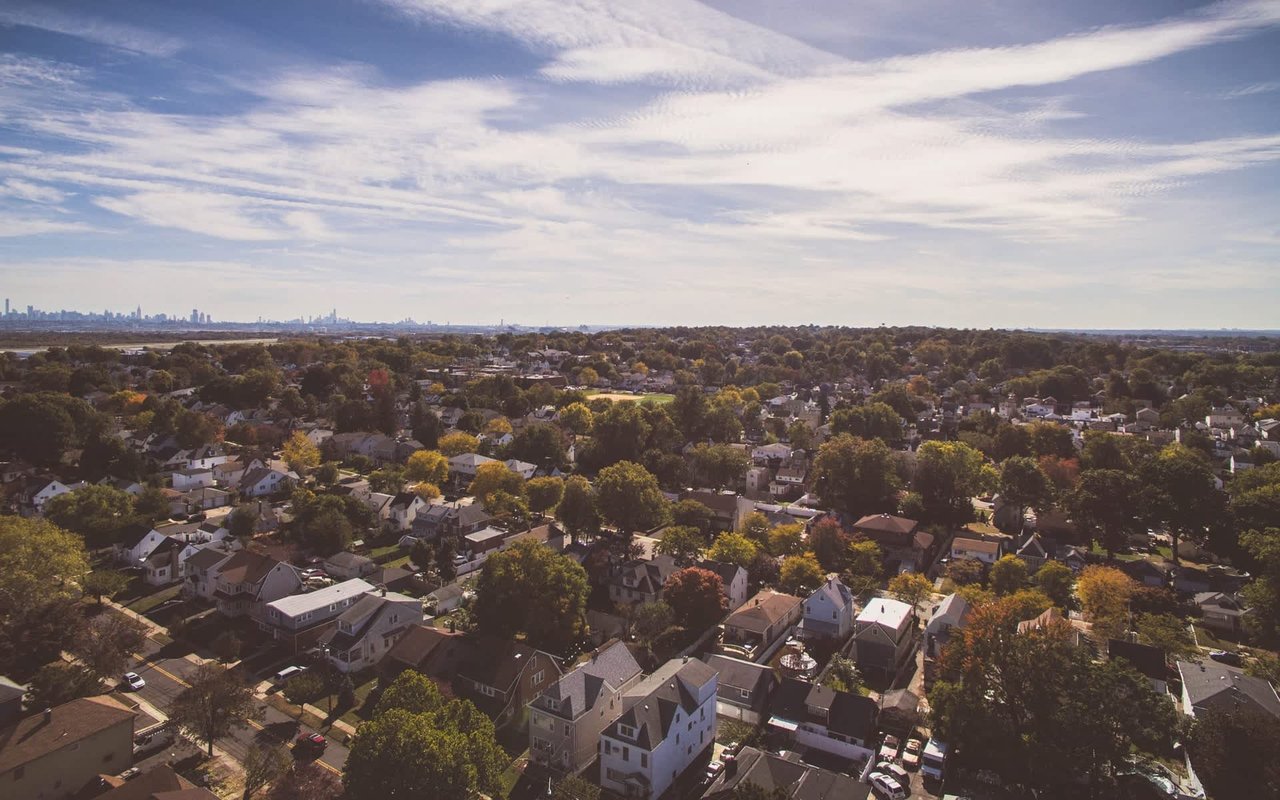
In Bedford Park, a bungalow-to-custom-home project should be approached as low-rise infill, not a blank-slate redevelopment. Toronto’s Official Plan treats Neighbourhoods as physically stable low-rise residential areas, and new development is expected to respect and reinforce the existing physical character of the area. That includes patterns like lot size, height, massing, setbacks, and landscaping.
For you, that means the street matters. Even if nearby homes look larger or newer, you should not assume your lot can support the same form or scale. The City’s framework focuses on whether a new home fits the established physical character of its setting.
Zoning comes before design
The first practical step is an address-specific zoning review. Toronto notes that most properties are governed by the city-wide zoning by-law, but some sites are still affected by former municipal zoning by-laws, including legacy North York rules. The zoning text and map are also updated regularly, so allowances should be confirmed before drawings are finalized.
This is why experienced buyers and owners do not start with a dream floor plan. They start by verifying exactly what the lot allows today, including any exceptions or overlays that may affect the site.
Key zoning items to verify
For a Bedford Park rebuild, the main variables to confirm include:
- Lot frontage
- Front, rear, and side setbacks
- Lot coverage
- Building height
- Building length and depth
- Parking requirements
- Lane access, if applicable
- Site-specific exceptions or overlays
Detached-house standards can vary materially by zone. A home that appears possible from the street may still require changes once the exact zoning rules are reviewed.
Permits involve more than the new house
Once zoning is understood, the next question is whether the proposal can be built as-of-right or whether it will need additional approvals. Before design is locked, Toronto’s permit guidance points homeowners toward four early checks: survey or grading, tree constraints, heritage status, and whether the proposal complies with zoning.
A new-house permit application is only treated as complete when the required materials are in place. Toronto’s House Stream requires the application form, owner signature, plans and specifications, an issued Zoning Applicable Law Certificate, confirmation that applicable law has been satisfied, and all fees.
What a complete permit application means
This matters because timing depends heavily on completeness. Toronto says complete detached-house applications in the House Stream are reviewed within 10 business days. Incomplete applications do not have the same review deadline, which can create avoidable delays.
For homeowners planning a teardown and rebuild, organization at the front end often saves the most time. Missing documents, unresolved zoning questions, or unaddressed site issues can slow the process before construction even begins.
Demolition is a separate approval
If you are replacing an existing bungalow, you will typically need a demolition permit as its own step. Toronto requires a permit to demolish an existing house so a new house can be built on the site. This is not just an administrative detail. It comes with its own submission requirements.
Toronto’s Residential Demolition Permit with Replacement Building guide calls for items such as a survey or grading plan, an infill public notice declaration, a municipal road damage deposit form, and a tree declaration where tree impacts are possible. If construction activity will use any part of the public right-of-way, a street occupation permit may also be needed.
Minor variances can add months
Not every custom-home proposal fits zoning exactly. If the design needs relief from a zoning standard, you may need a minor variance through the Committee of Adjustment. That introduces public notice, hearing dates, and the possibility of revised drawings.
Toronto states that notice is mailed to owners within 60 metres at least 10 days before the hearing, and the public notice sign must be posted for 10 days before the hearing. Decisions are usually made at the hearing and sent in writing within 10 days.
When a variance tends to come up
A variance may become part of the process if your plans push on issues such as:
- Height
- Depth or length
- Setbacks
- Lot coverage
- Parking configuration
- Other dimensional standards tied to the exact zone
Even a modest change on paper can affect your overall timeline. Once a hearing is involved, it is best to think in months rather than days.
Trees and heritage can reshape the plan
Two issues can have an outsized impact on both cost and timing: trees and heritage. Toronto requires a permit if a private tree 30 cm or more in diameter may be injured or removed, and replacement planting may be required. On infill lots, that can affect siting, excavation, access, and landscaping plans.
Heritage status can also change the path forward. Owners of designated heritage properties need a heritage permit before altering or demolishing the property, while properties inside a Heritage Conservation District are reviewed through the building-permit process. If either condition applies, you should expect more coordination before final approvals are in hand.
Timeline expectations for Bedford Park
One of the biggest misconceptions in a teardown project is speed. Even a clean as-of-right rebuild is not fast. Toronto Building says complete detached-house applications in the House Stream are reviewed within 10 business days, but that review window is only one piece of the overall calendar.
Research cited in the report notes that in major urban centres, the time between permit issuance and housing start for houses can still be roughly 2 to 10 months. Industry estimates from GTA custom-home builders suggest about 10 to 16 months for active construction after breaking ground, while some quote roughly 12 to 24 months total from first consultation to move-in. Luxury-focused firms sometimes estimate 18 to 30 months.
A realistic way to think about timing
For most homeowners, the key takeaway is simple: plan in seasons, not weeks. A straightforward single-lot rebuild is usually simpler than a project involving severance or lot assembly. But if you add a variance, redesign, tree permit, or heritage review, the timeline can stretch meaningfully.
Resale strategy matters before you build
In Bedford Park, design decisions should be made with long-term marketability in mind. CREA cautions that renovations done solely to increase resale value can produce a negative return, and highly personalized or unusual features can deter some buyers. In other words, expensive does not always mean profitable.
That message matters even more in a softer market. The research report notes that Toronto’s GTA resale market softened in May 2026, with average price down 4.6 per cent year over year. In that kind of environment, a rebuild that overshoots the likely buyer pool can be harder to absorb.
The strongest custom homes balance luxury and fit
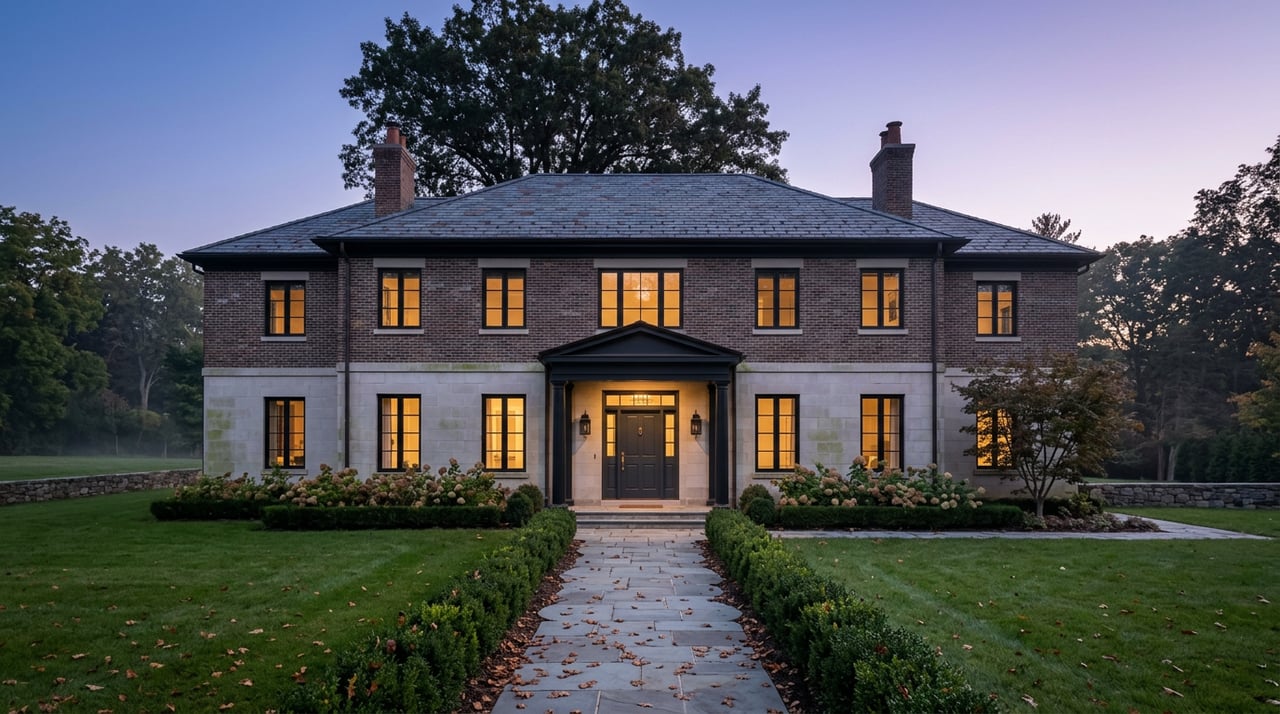
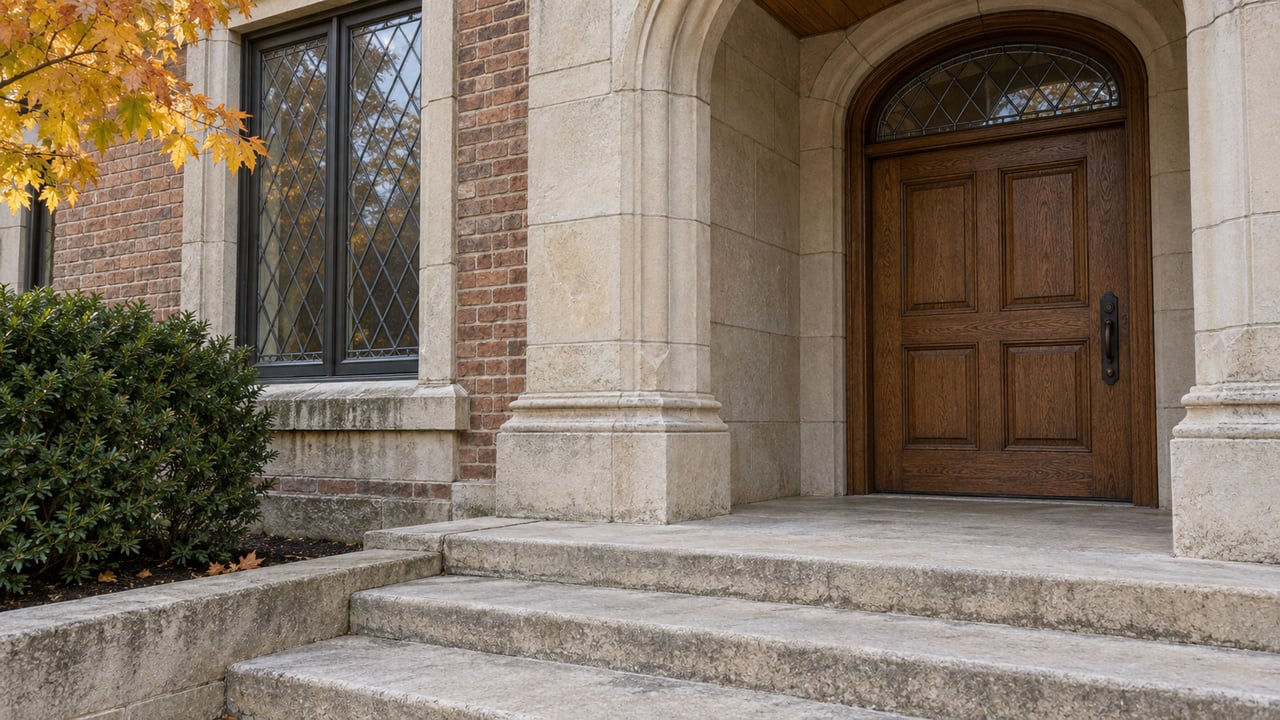
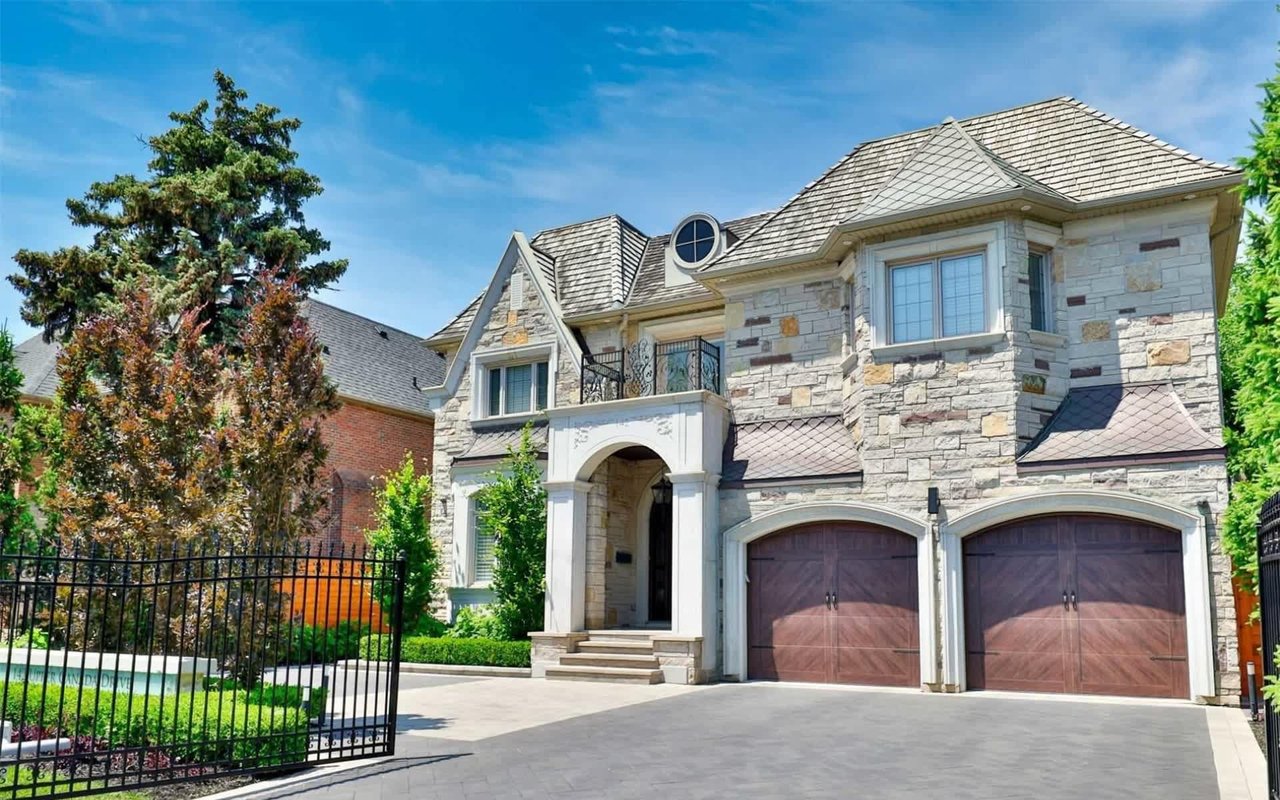
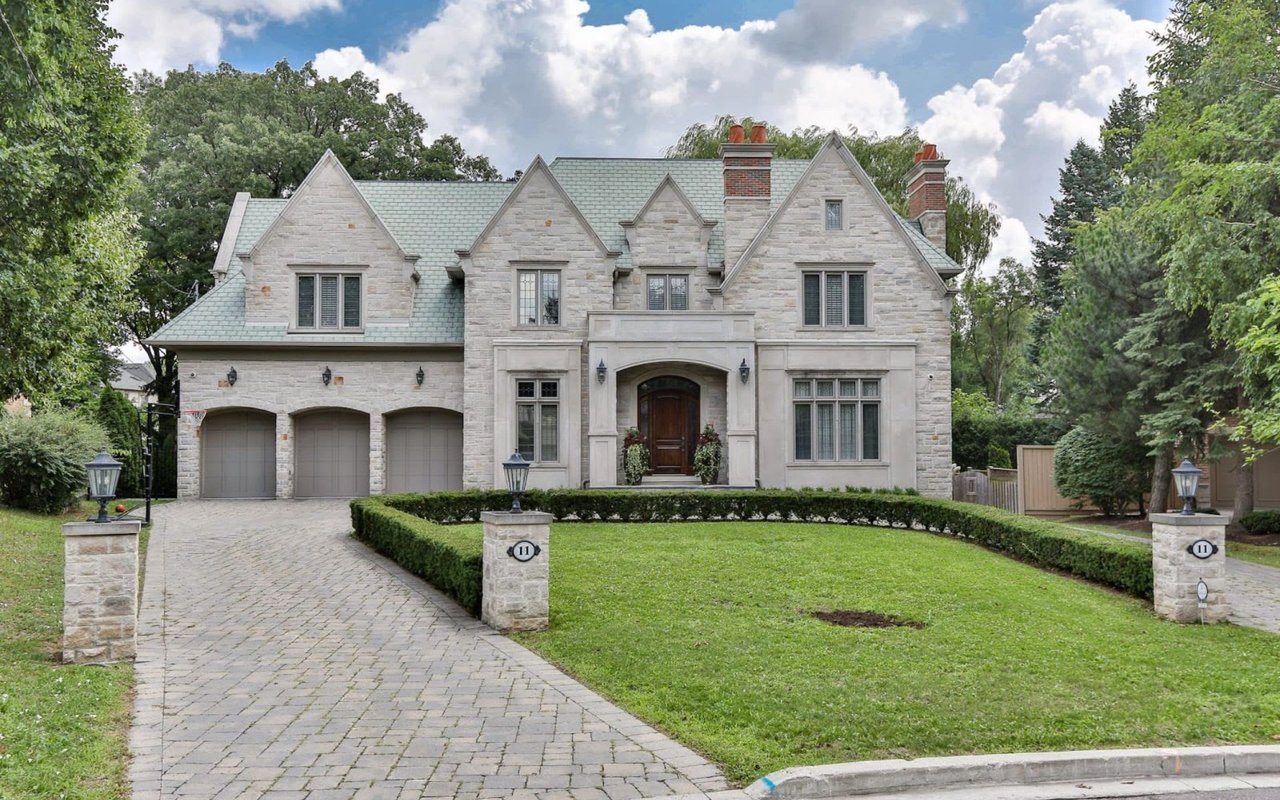
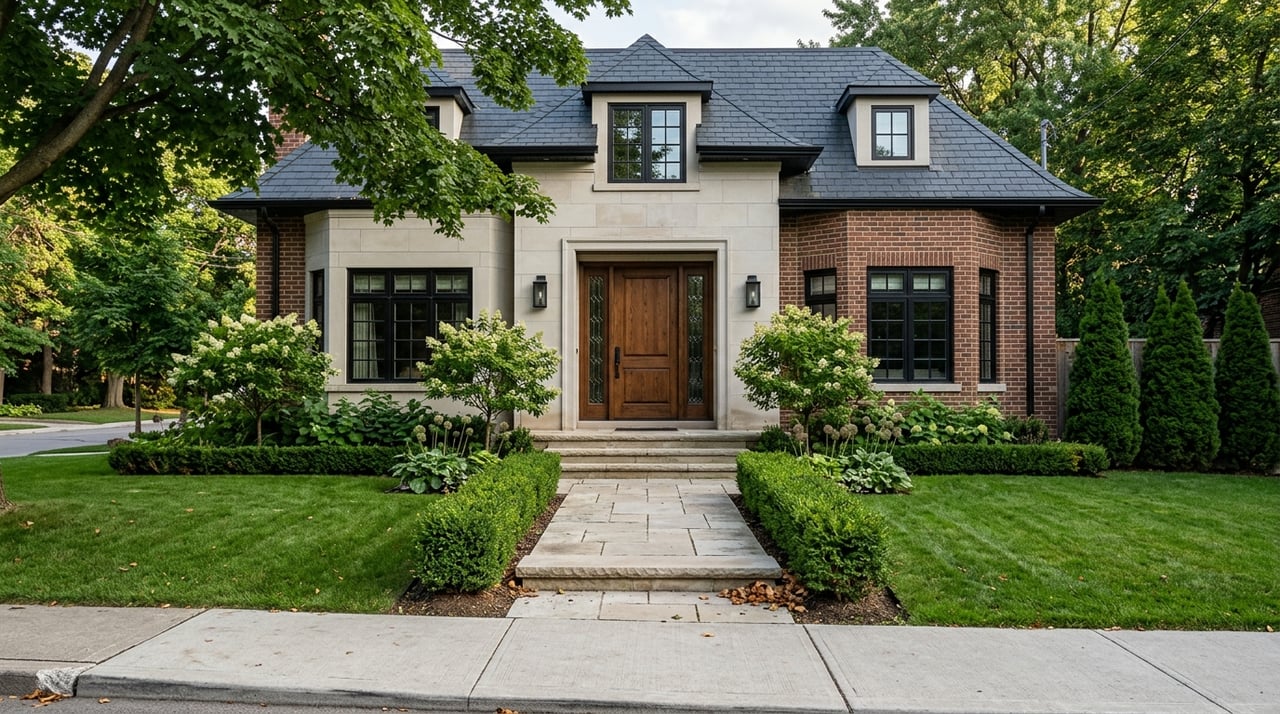
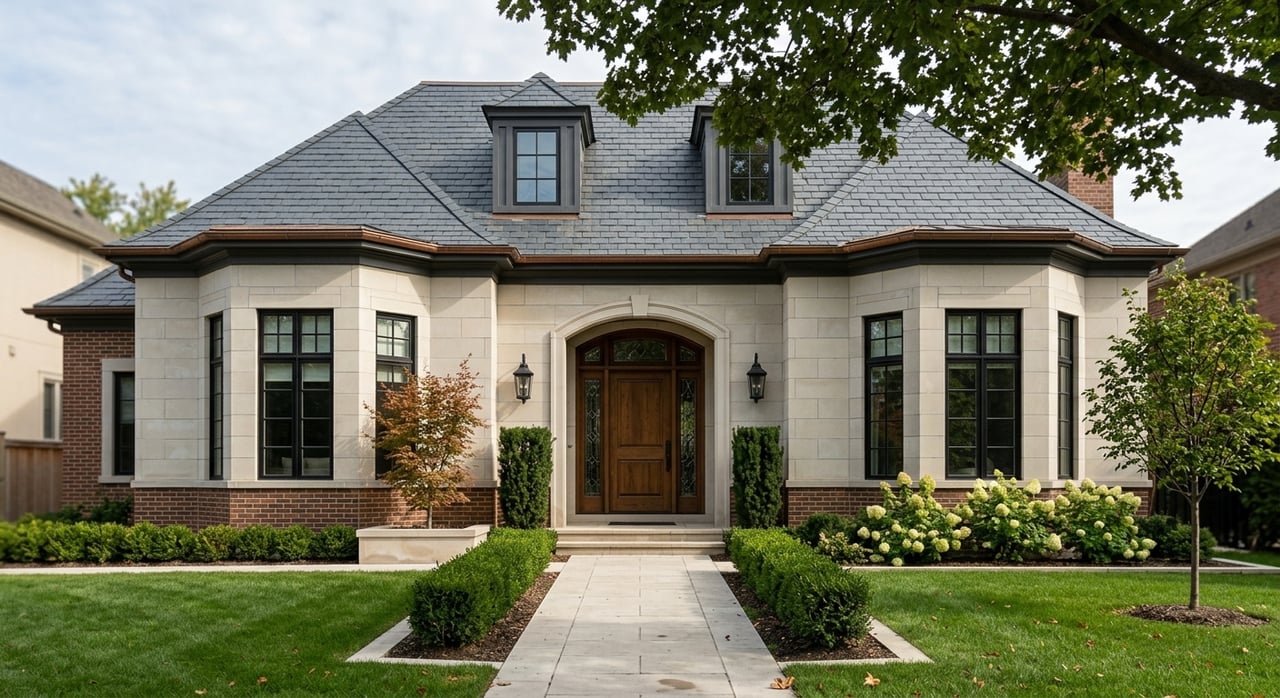
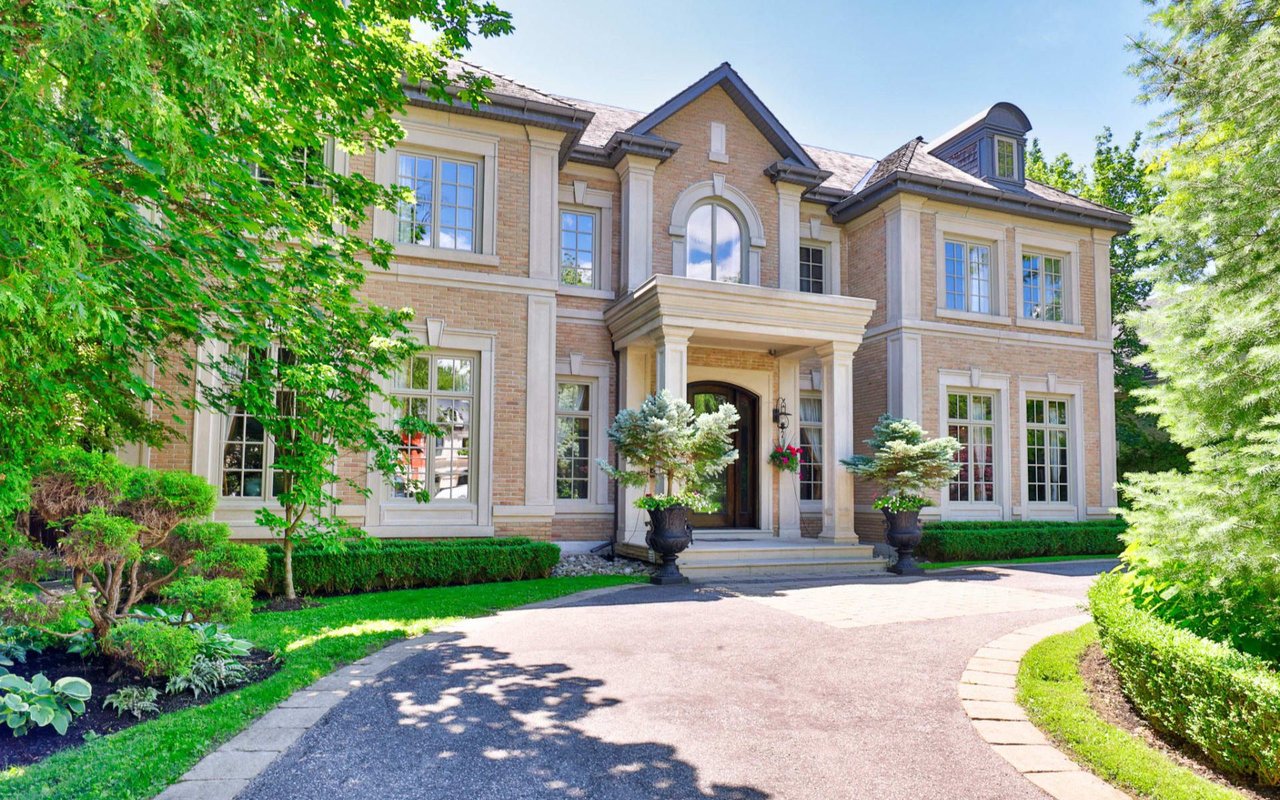
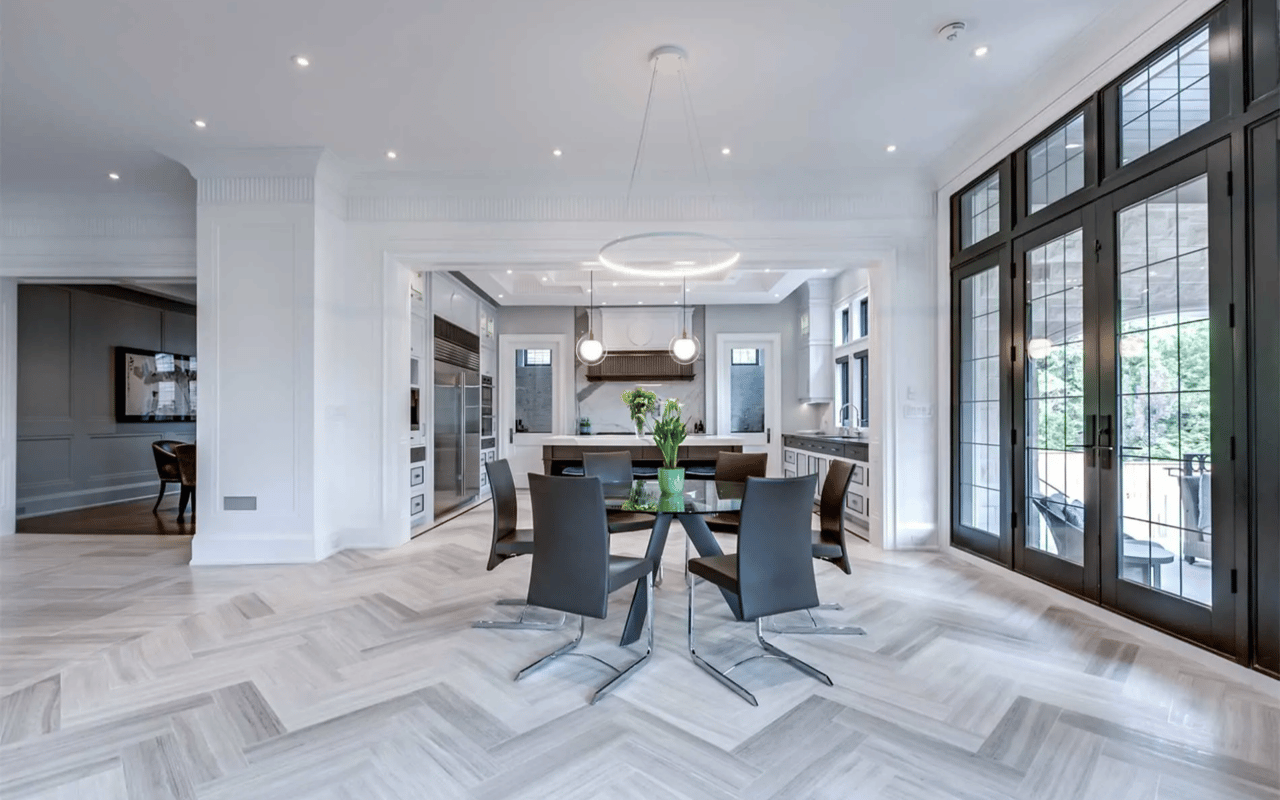
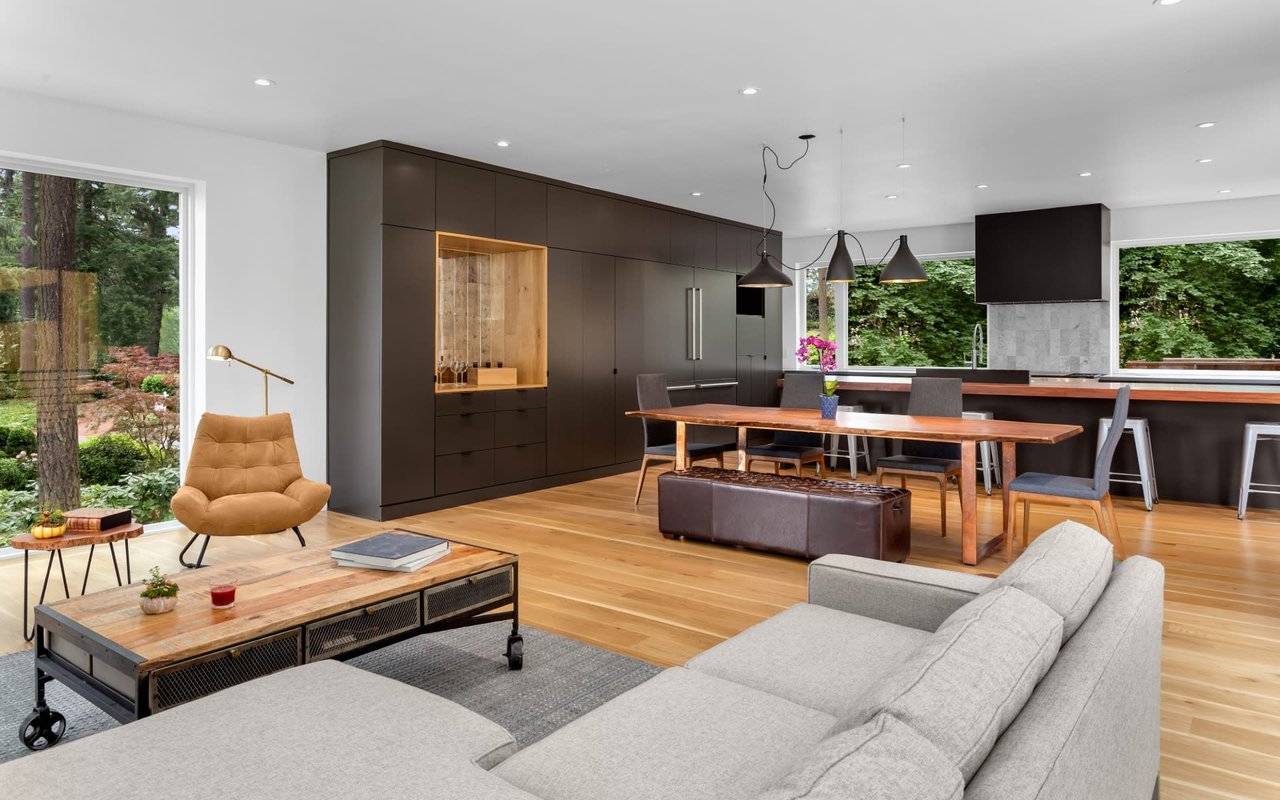
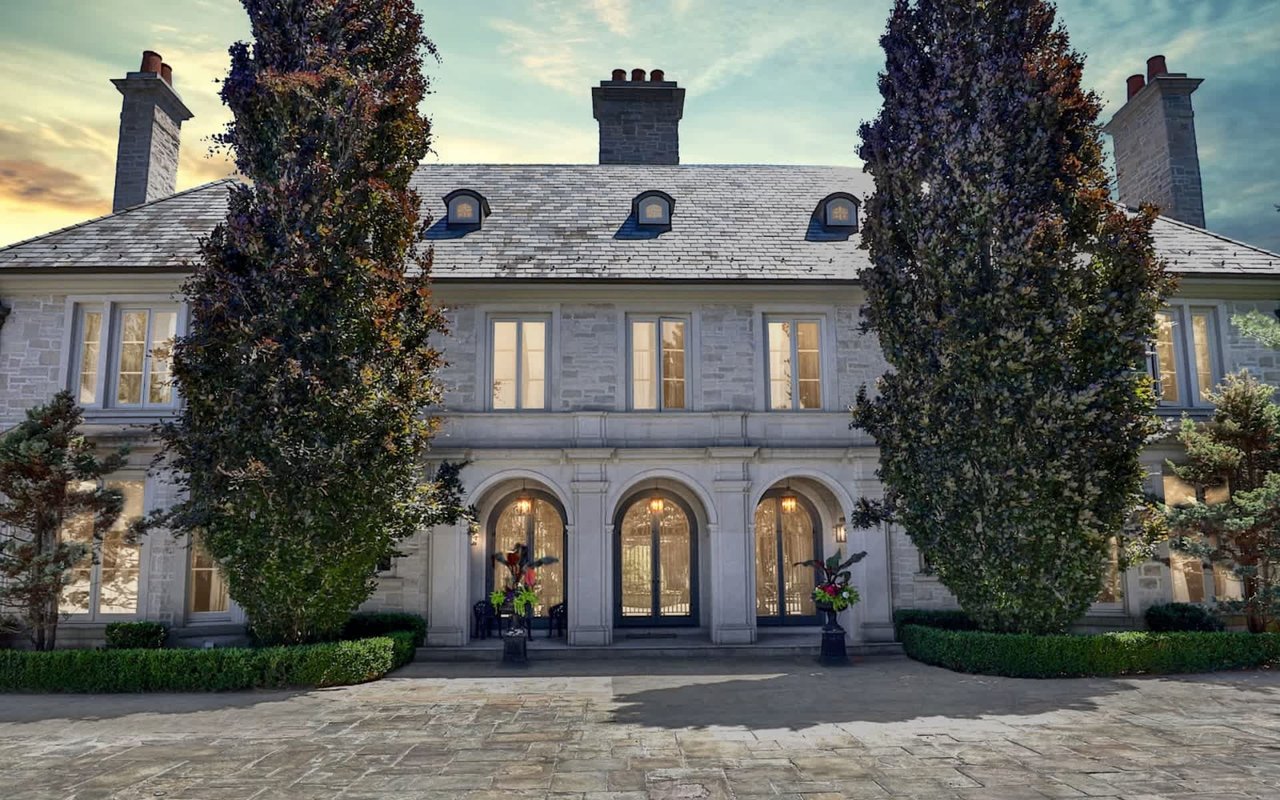
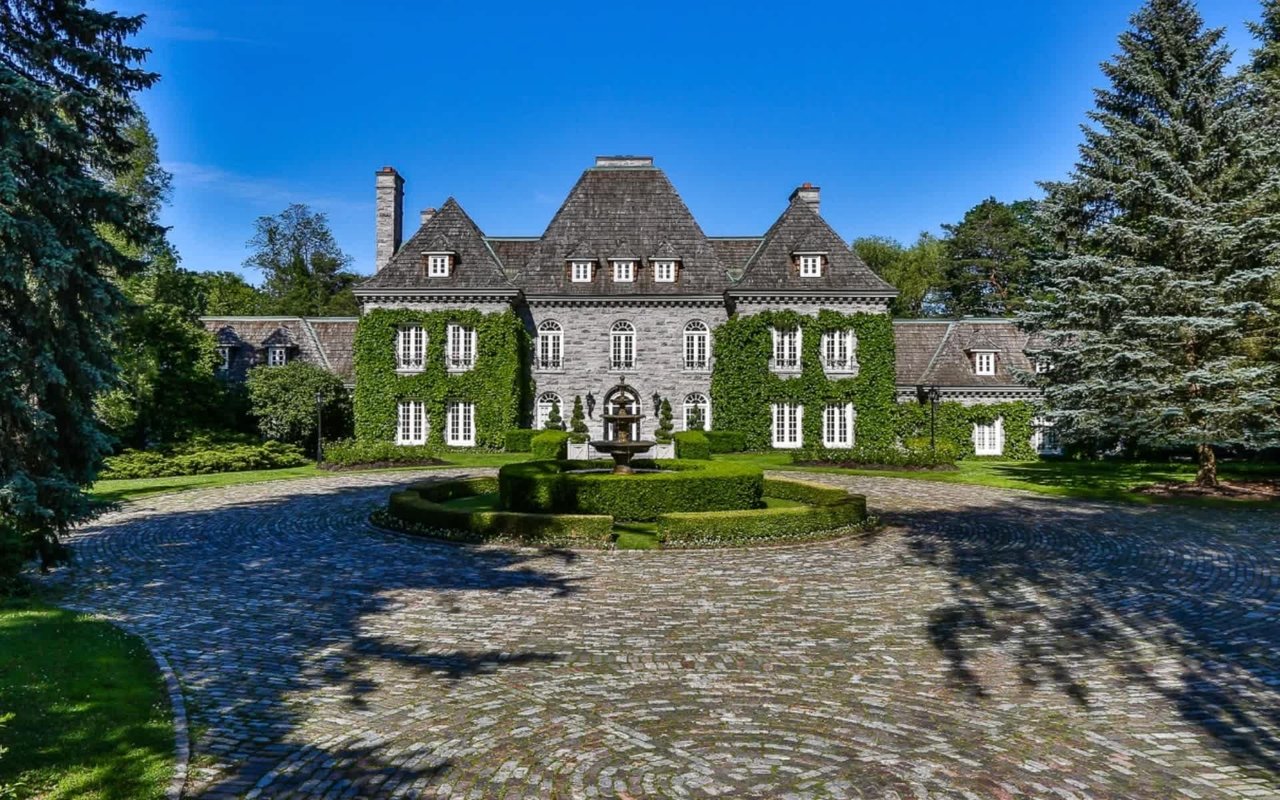
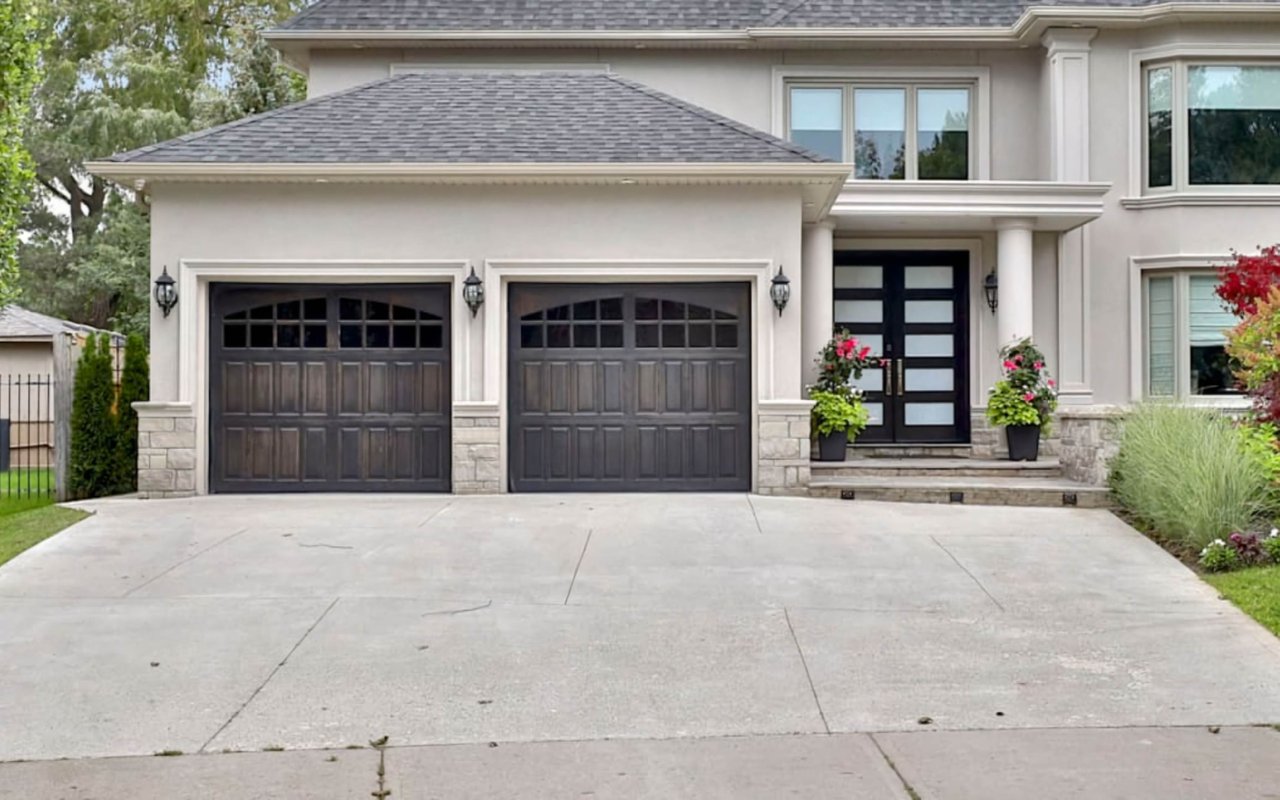
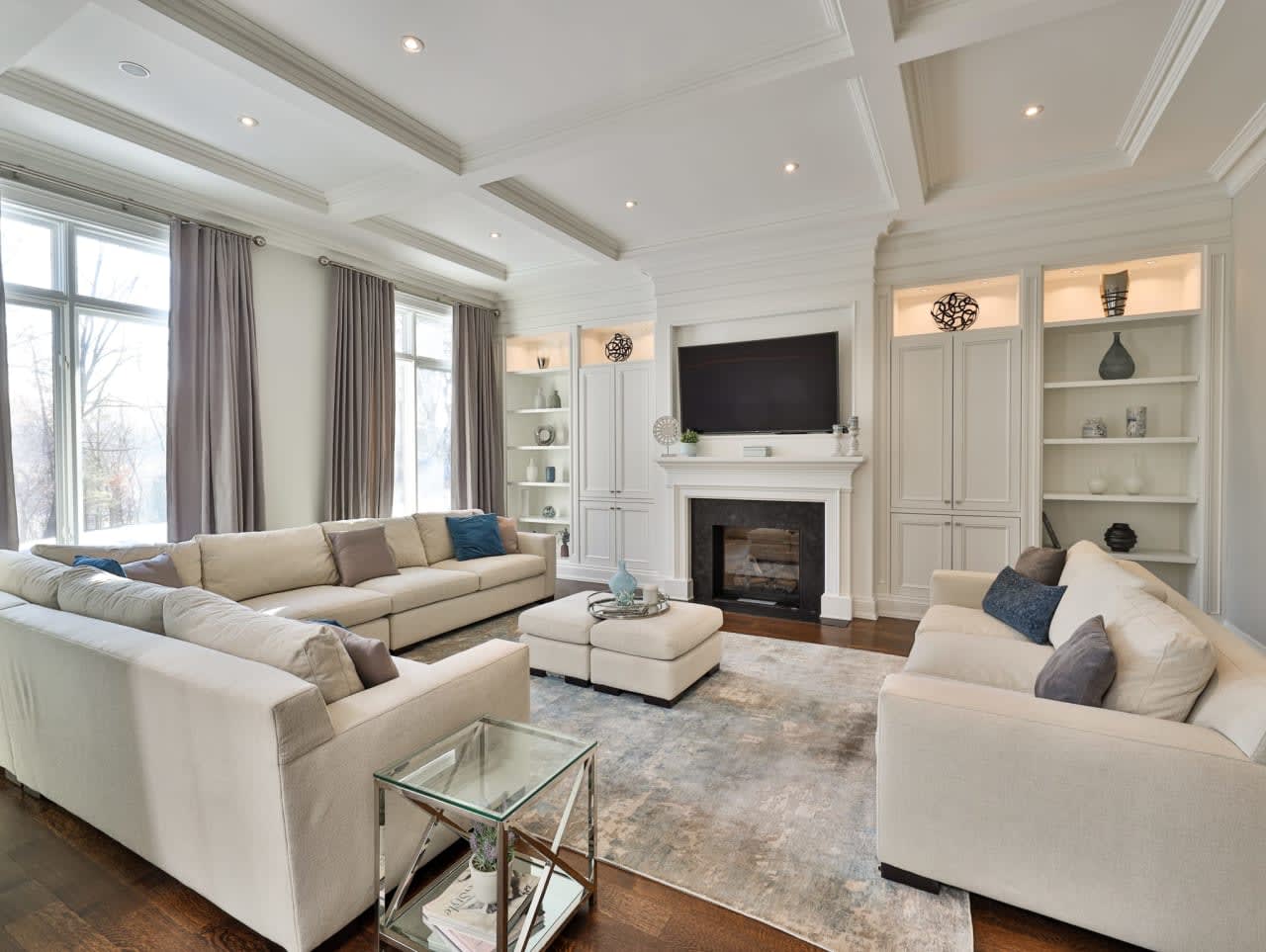
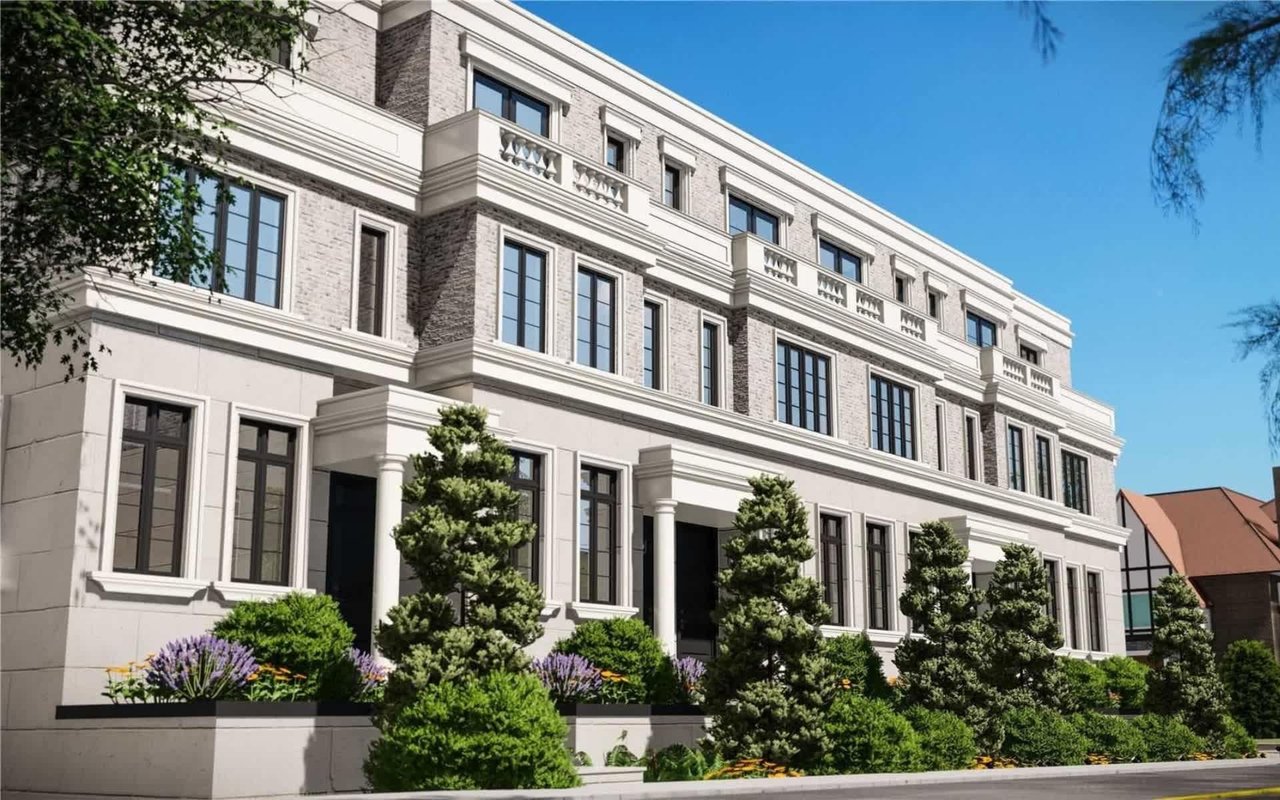
The best-positioned custom homes tend to feel premium without losing sight of context. In Bedford Park, that usually means aligning the home with the street’s scale and established physical character while still delivering the finish, layout, and design quality luxury buyers expect.
If your goal is future resale, discipline matters. A broad-appeal custom home is often a safer strategy than one built around highly specific tastes that may not translate to the next buyer.
Should you rebuild, sell, or buy differently?
For some owners, the lot’s redevelopment potential may be the biggest source of value. In that case, selling to a builder can be attractive if you want to avoid approval risk, tree issues, heritage complexity, demolition logistics, and the long construction timeline. That path can make sense when convenience and risk reduction matter more than creating a finished home yourself.
Rebuilding for personal use tends to make more sense when you expect to live in the home long enough to justify the time, design effort, and uncertainty. If the goal is to list after construction, the project is strongest when the finished product has broad luxury appeal and remains consistent with the surrounding streetscape.
Why Bedford Park decisions benefit from local strategy
A bungalow-to-custom-home project is part planning exercise, part design brief, and part real estate decision. The right move depends on what the lot actually allows, how much time you want to invest, what risks you are comfortable carrying, and whether the end goal is personal enjoyment or financial return.
In a neighbourhood like Bedford Park, the details matter. When you understand zoning, approvals, timing, and resale positioning before you commit, you are far more likely to make a decision that serves both your lifestyle and your long-term property strategy.
If you are weighing whether to rebuild, sell as land value, or position a property for the luxury market, Barry Cohen Homes offers discreet, strategic guidance grounded in Toronto’s high-value single-family market.
FAQs
What should you check first before rebuilding a bungalow in Bedford Park?
- Start with an address-specific zoning review, then confirm survey or grading requirements, tree constraints, heritage status, and whether the proposal can be built as-of-right.
How long does a custom home project in Bedford Park usually take?
- A complete detached-house permit application may be reviewed within 10 business days in Toronto’s House Stream, but the full process from planning to move-in often takes much longer, with industry estimates ranging from about 12 to 24 months and sometimes more for higher-complexity homes.
Do you need a separate demolition permit for a Bedford Park teardown?
- Yes. Toronto requires a permit to demolish an existing house so a new home can be built, and the application may require items such as a survey or grading plan, public notice materials, and tree-related declarations.
Can trees affect a custom home build in Bedford Park?
- Yes. If a private tree 30 cm or more in diameter may be injured or removed, Toronto requires a permit, and replacement planting may be required.
What happens if your Bedford Park design does not meet zoning?
- You may need a minor variance through the Committee of Adjustment, which can add notice requirements, a hearing, and additional time to the approval process.
Is rebuilding always the best resale strategy in Bedford Park?
- Not always. A rebuild can make sense, but highly personalized design choices or a home that overshoots the likely buyer pool may be harder to sell, so resale strategy should be considered before construction begins.