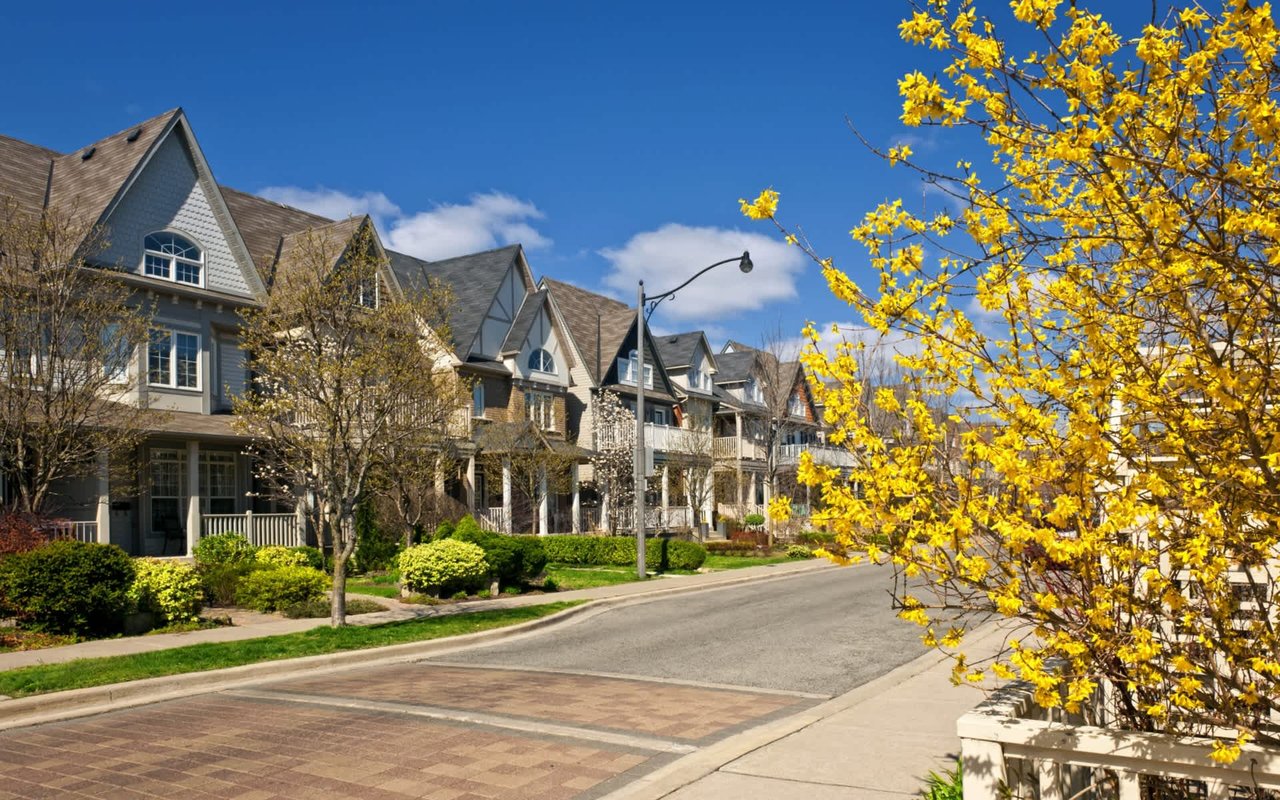
If you have ever wondered what it is really like to live near one of Toronto’s most recognizable landmarks, Casa Loma offers a surprisingly grounded answer. This is not just a tourist backdrop. It is a residential neighbourhood where heritage homes, mature trees, ravine access, and daily convenience come together in a way that feels both elevated and livable. If you are exploring Toronto neighbourhoods with architectural character and a strong sense of place, Casa Loma deserves a closer look. Let’s dive in.
Casa Loma feels residential first
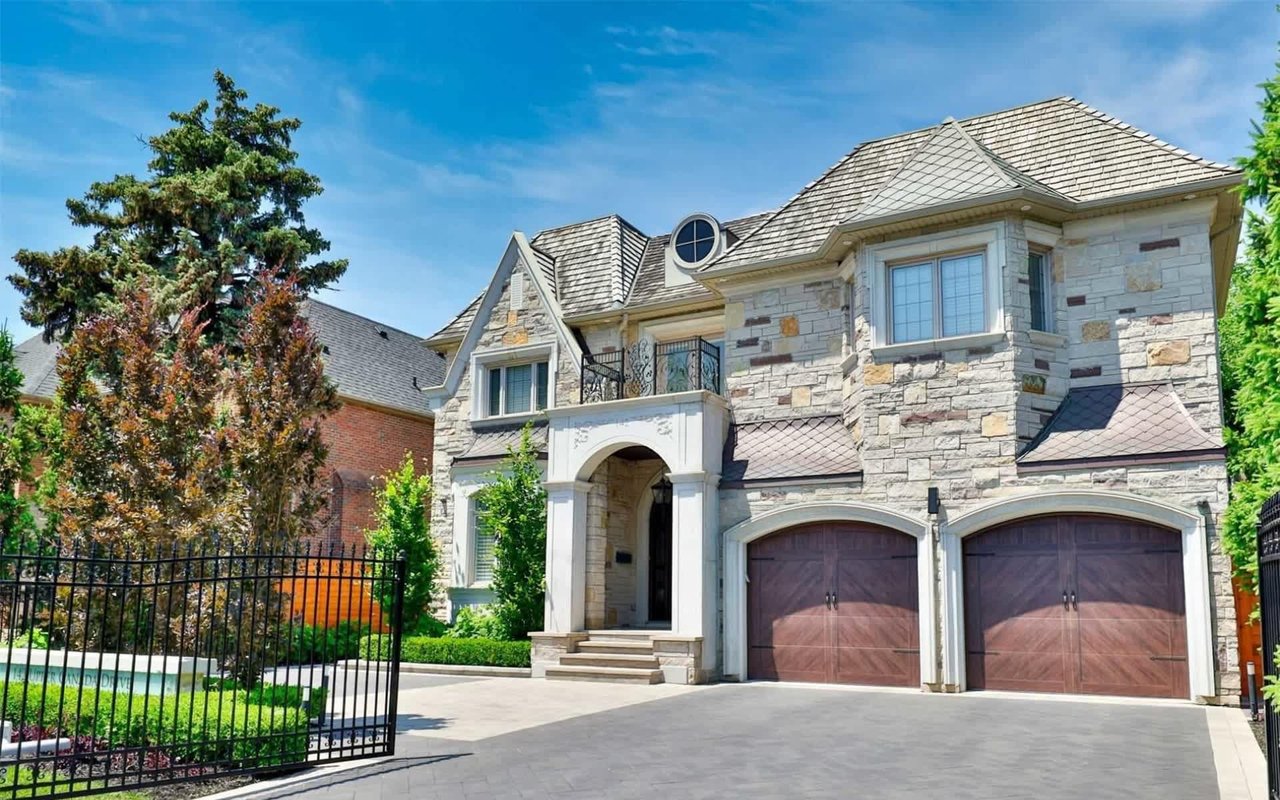
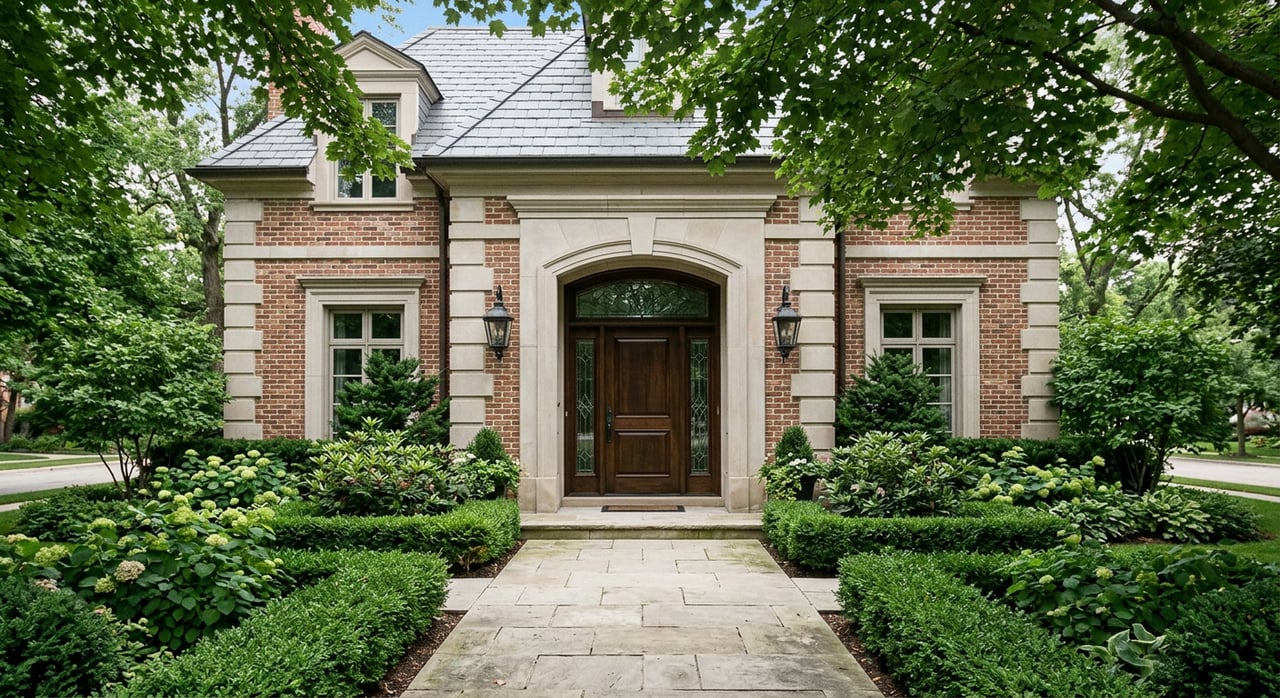
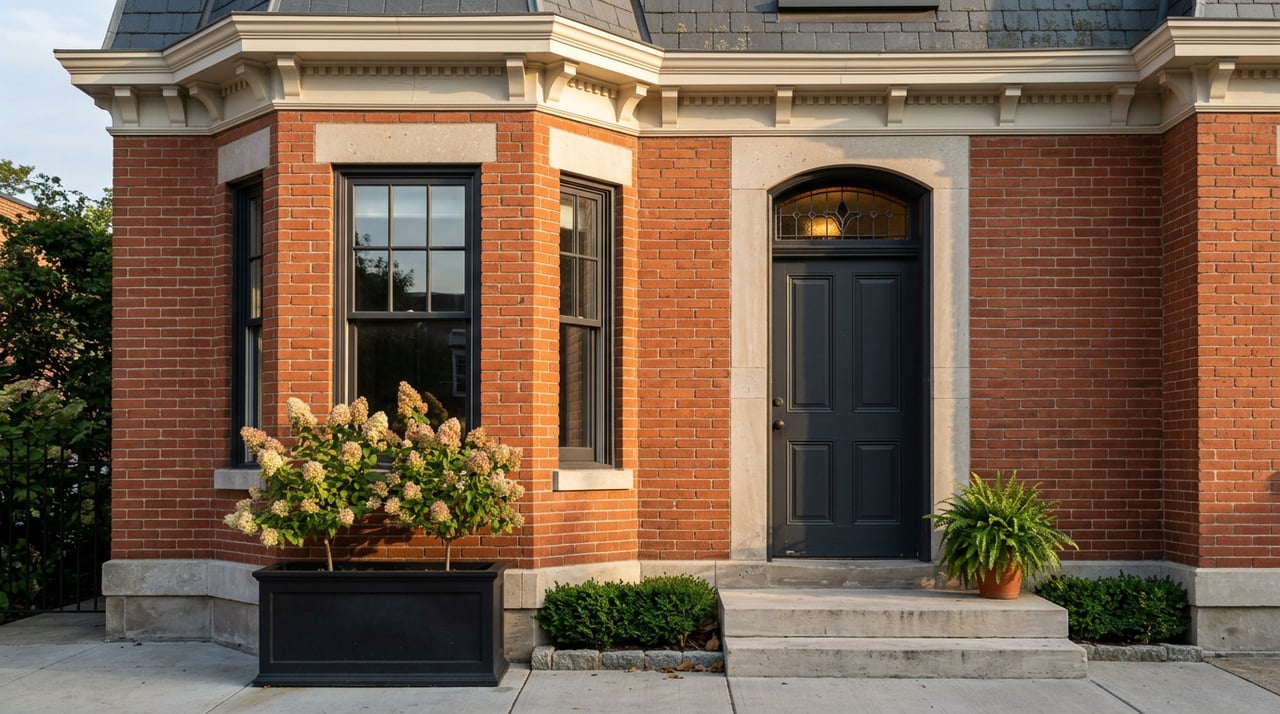
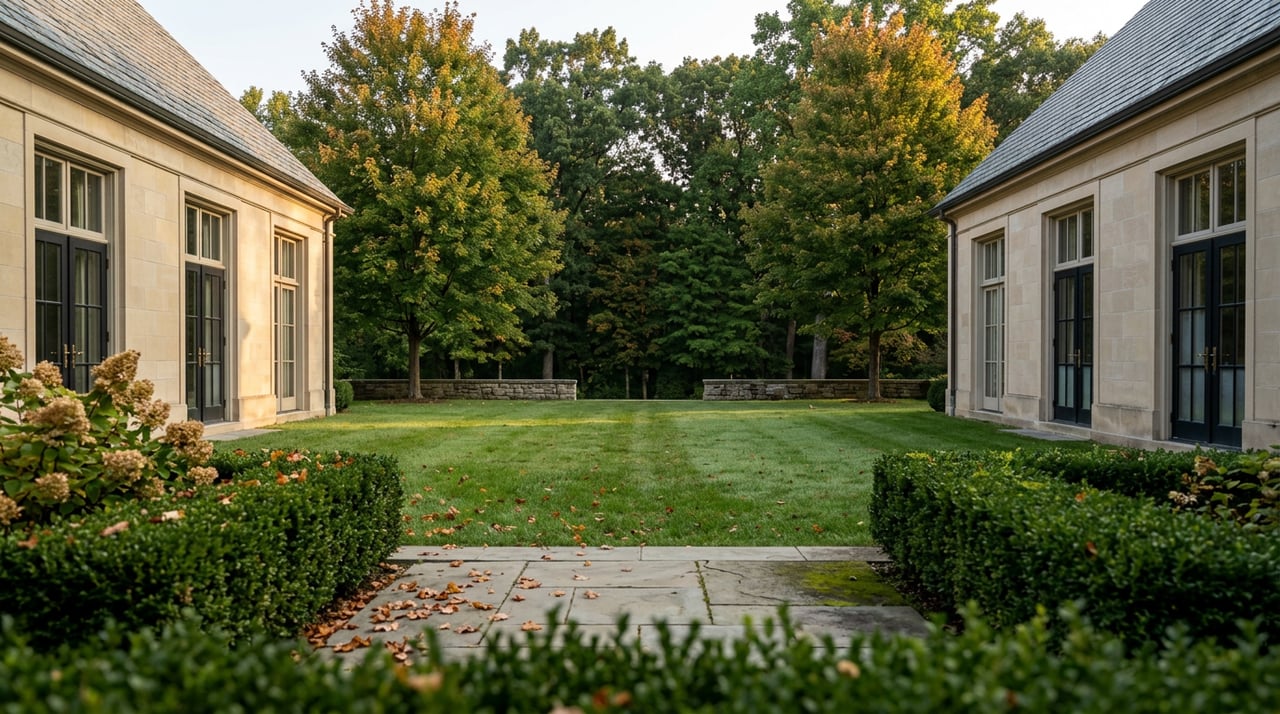
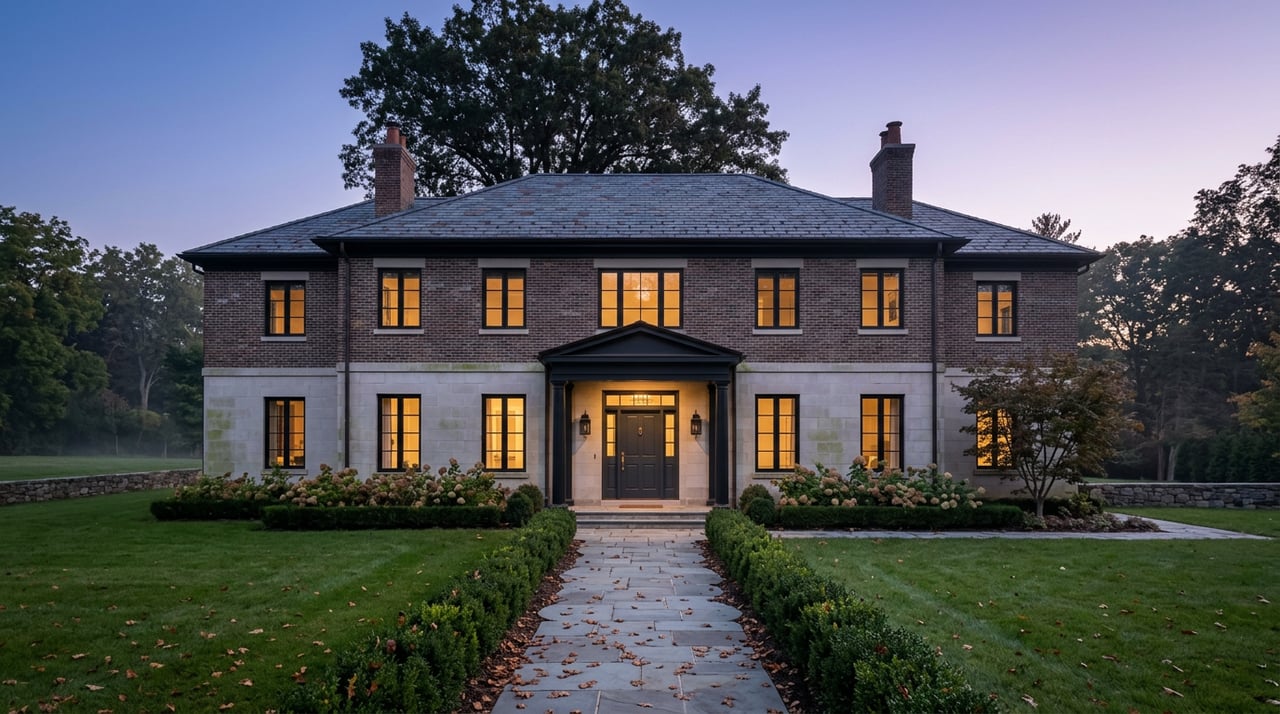
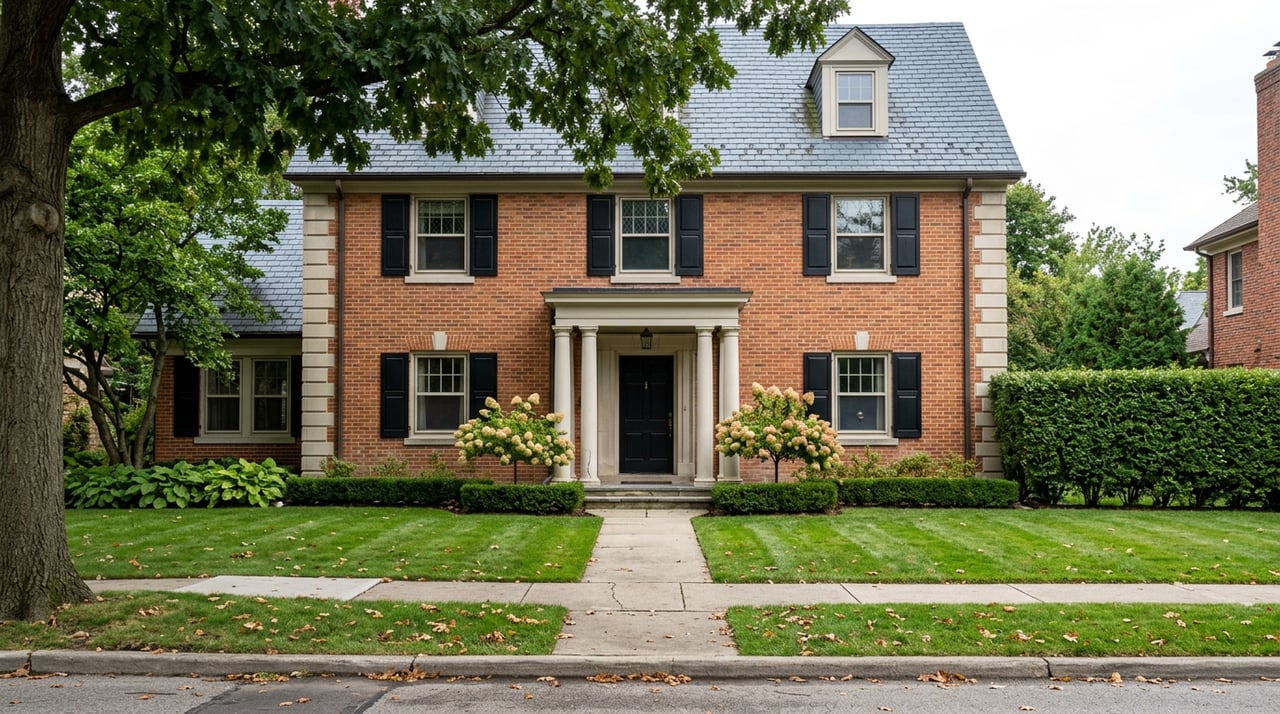
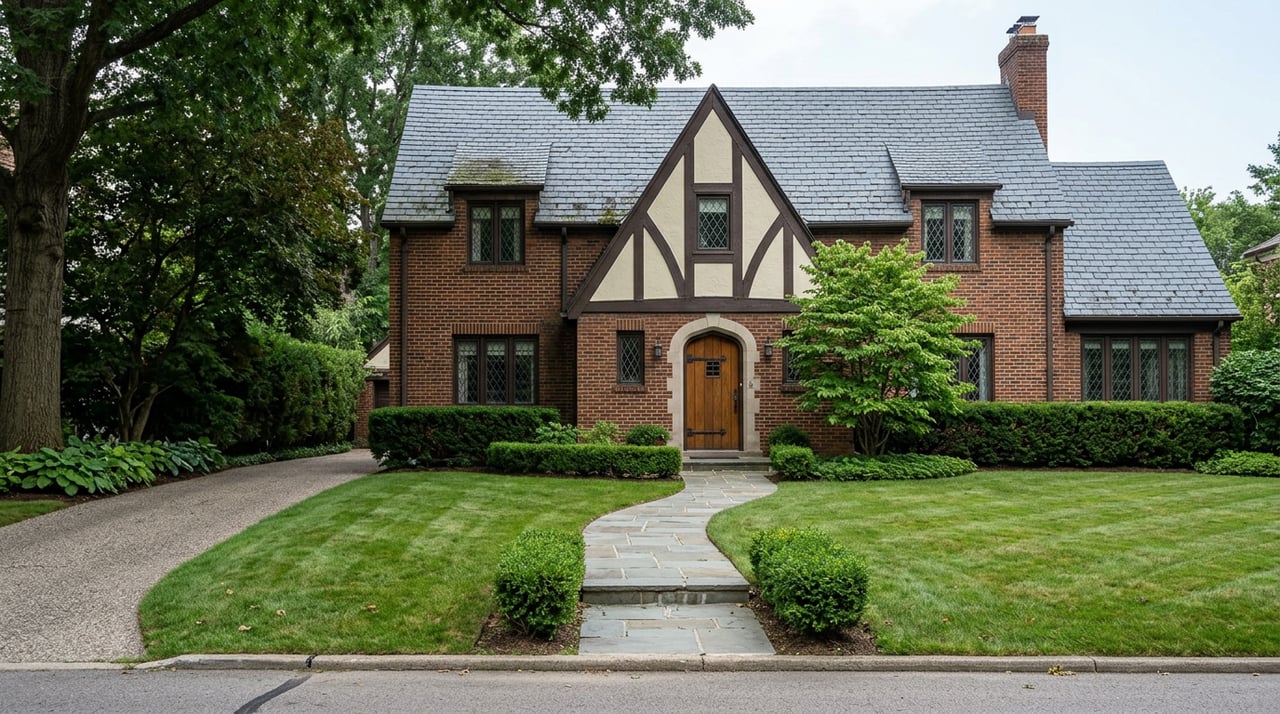
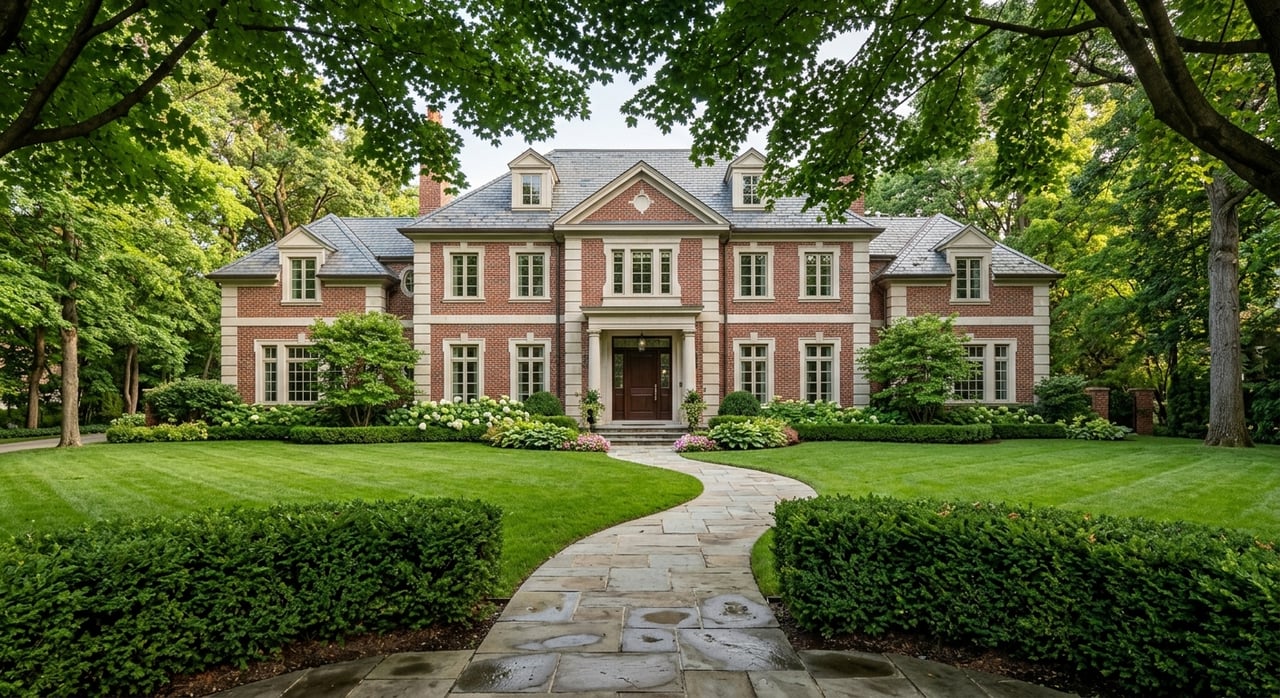
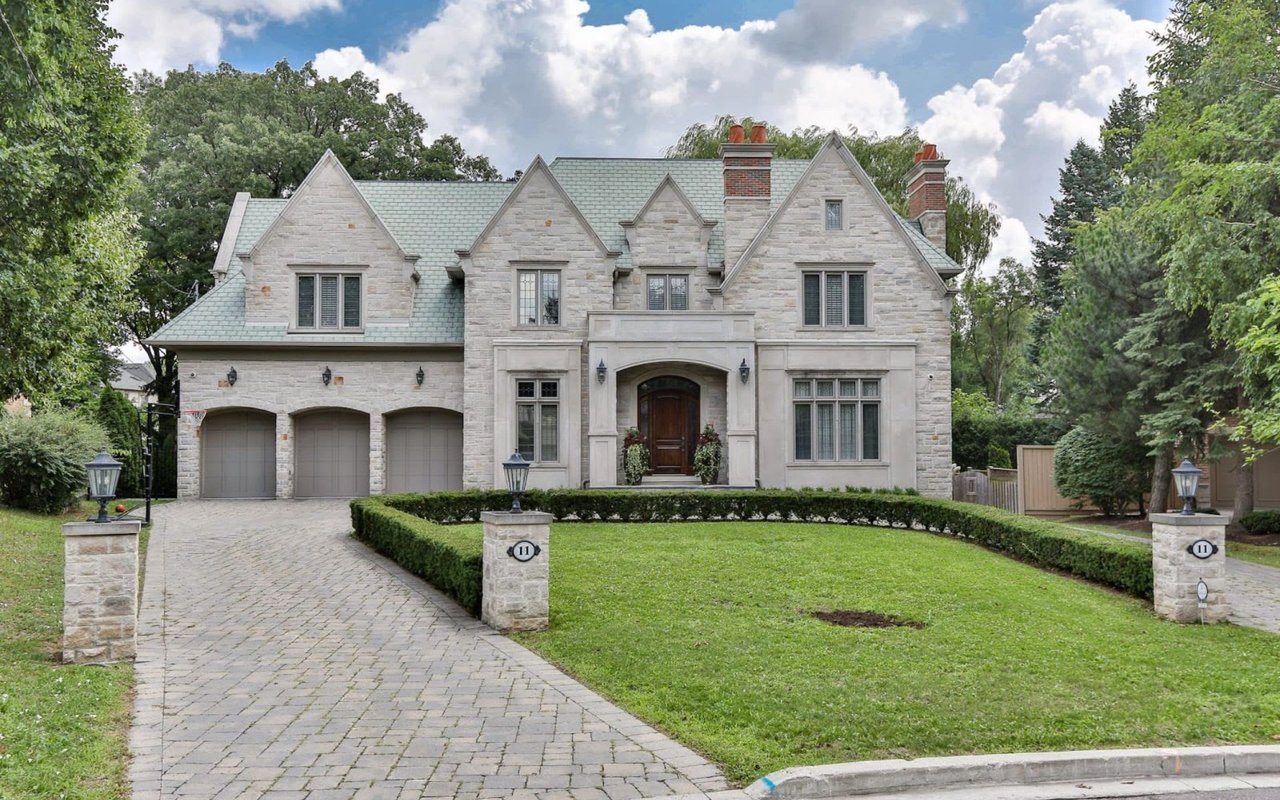
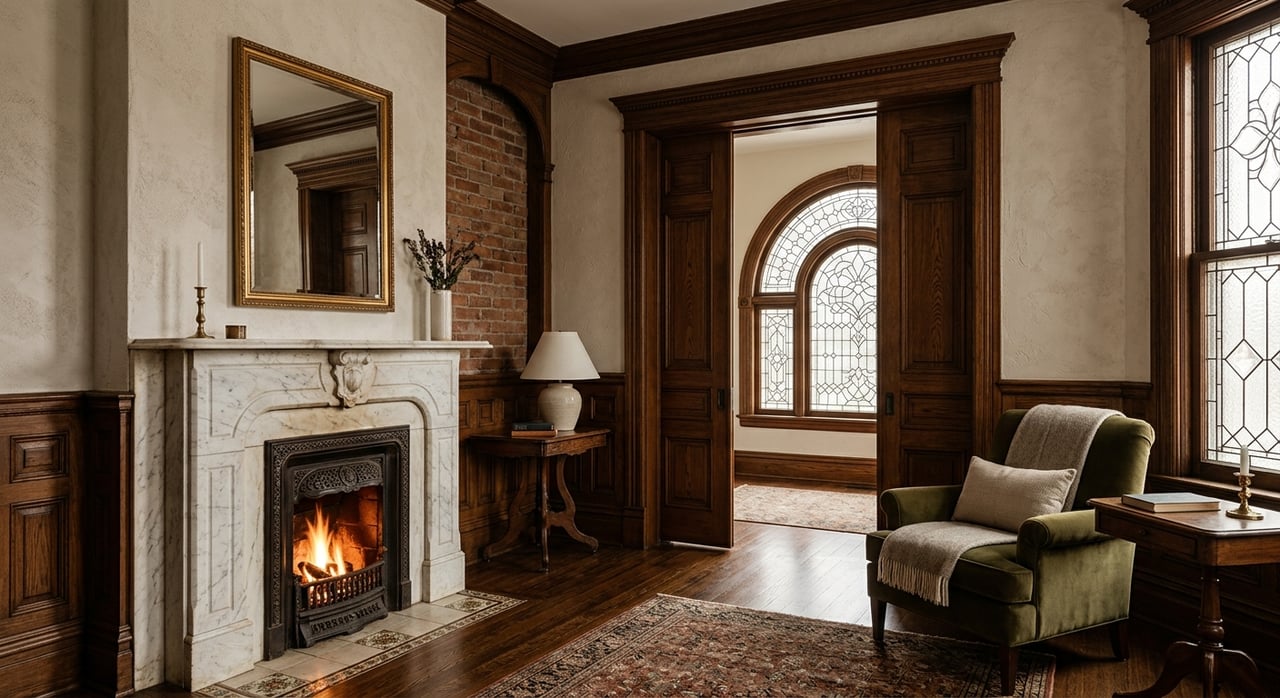
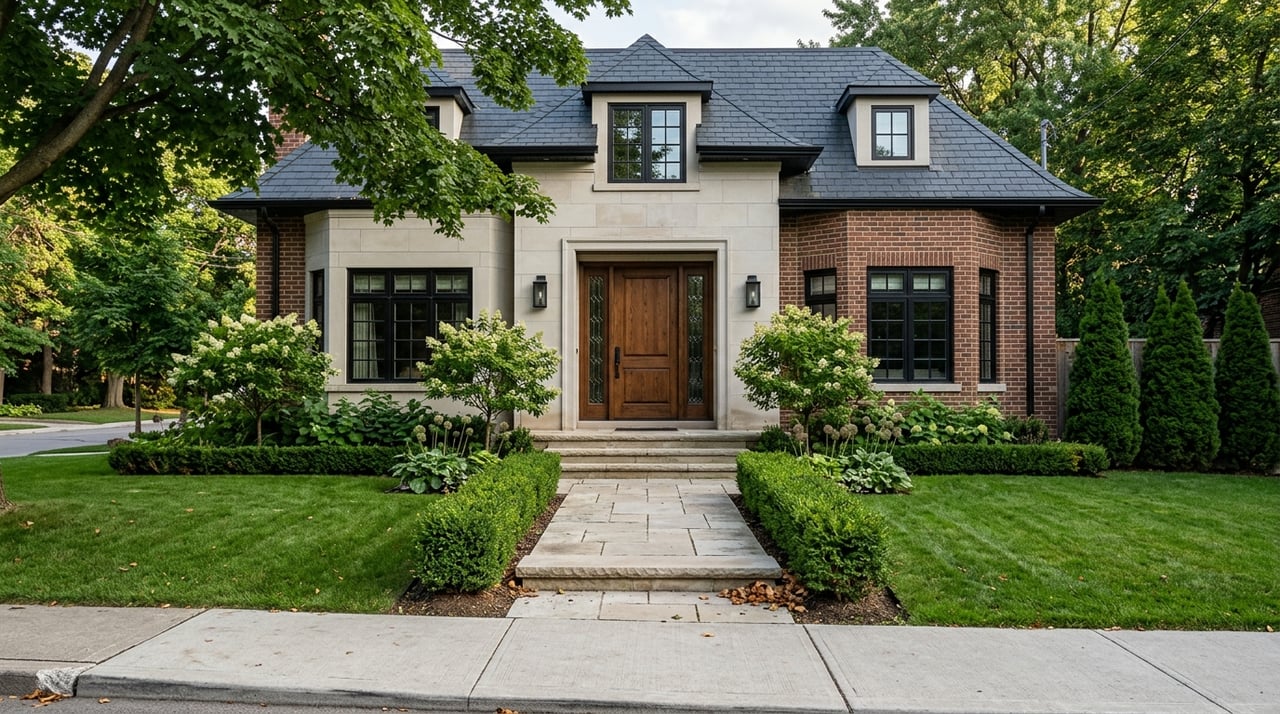
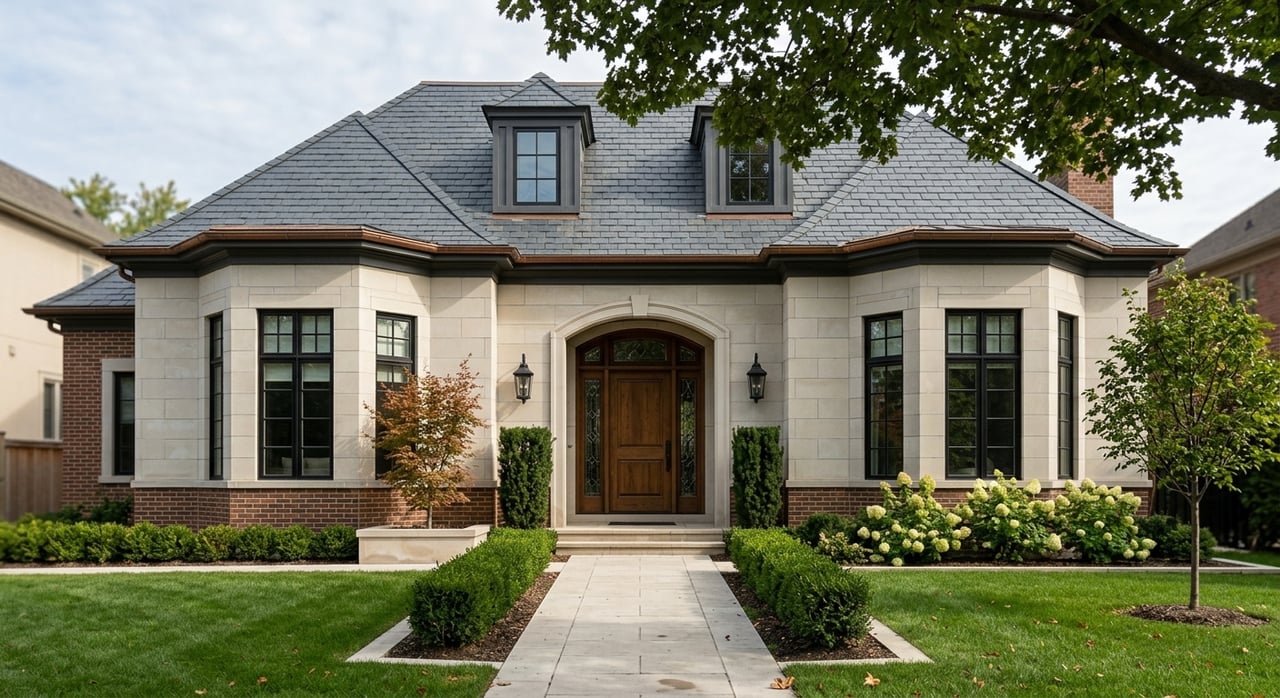
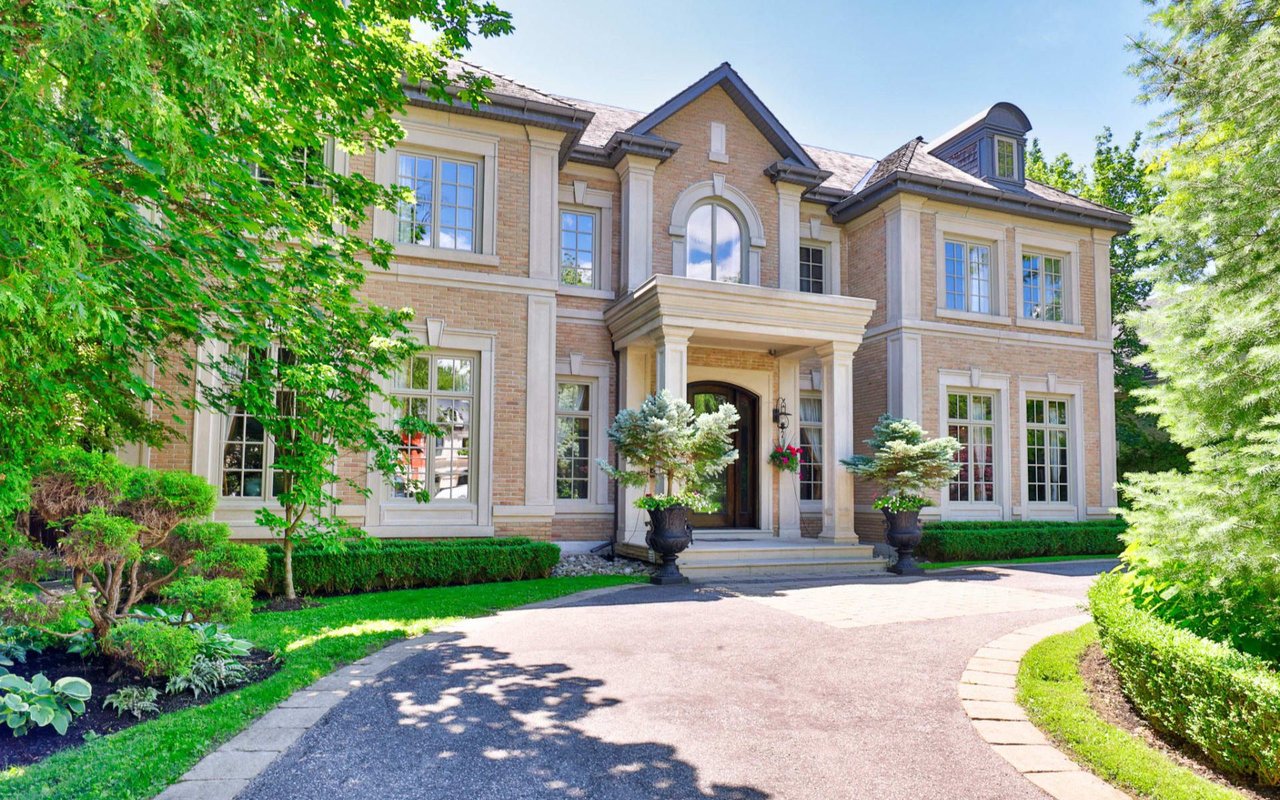
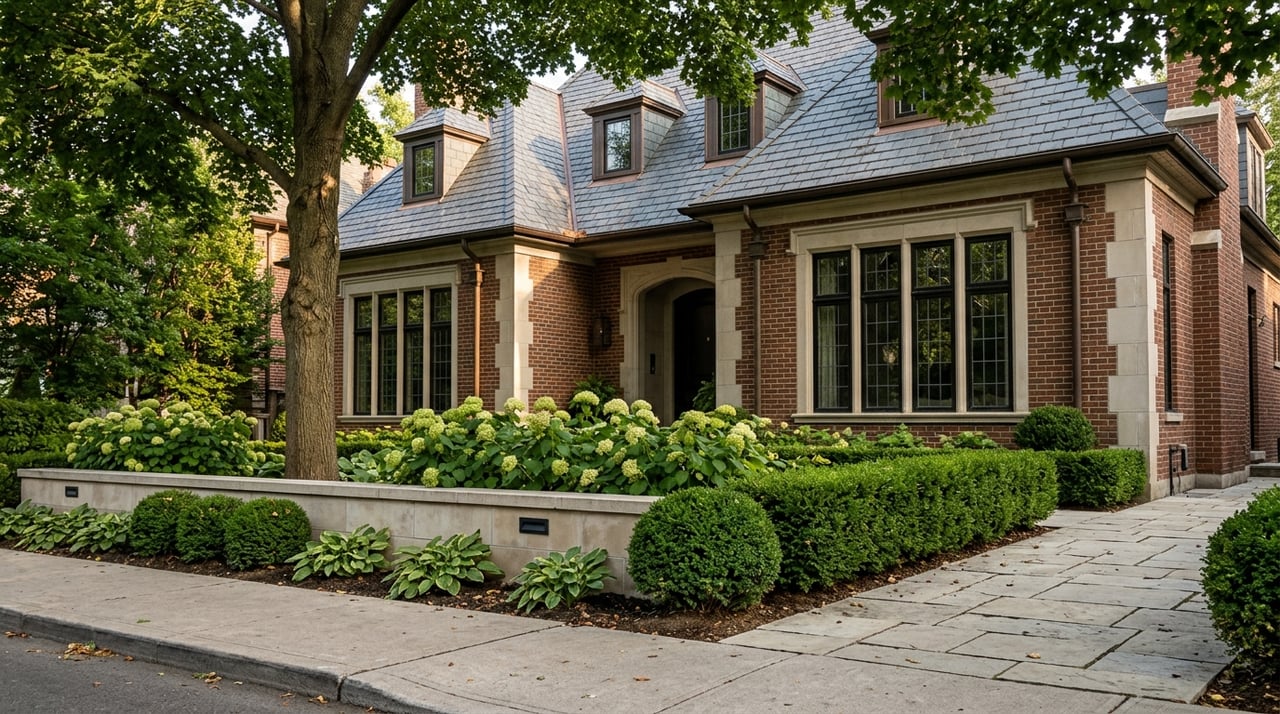
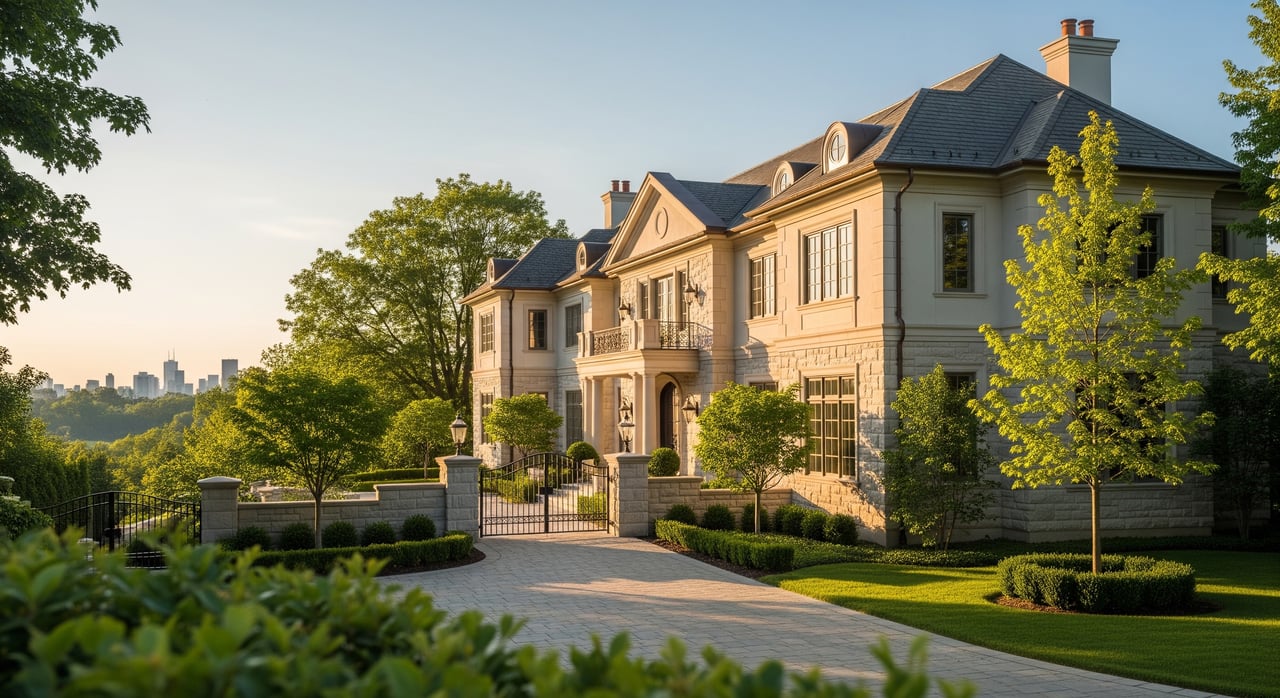
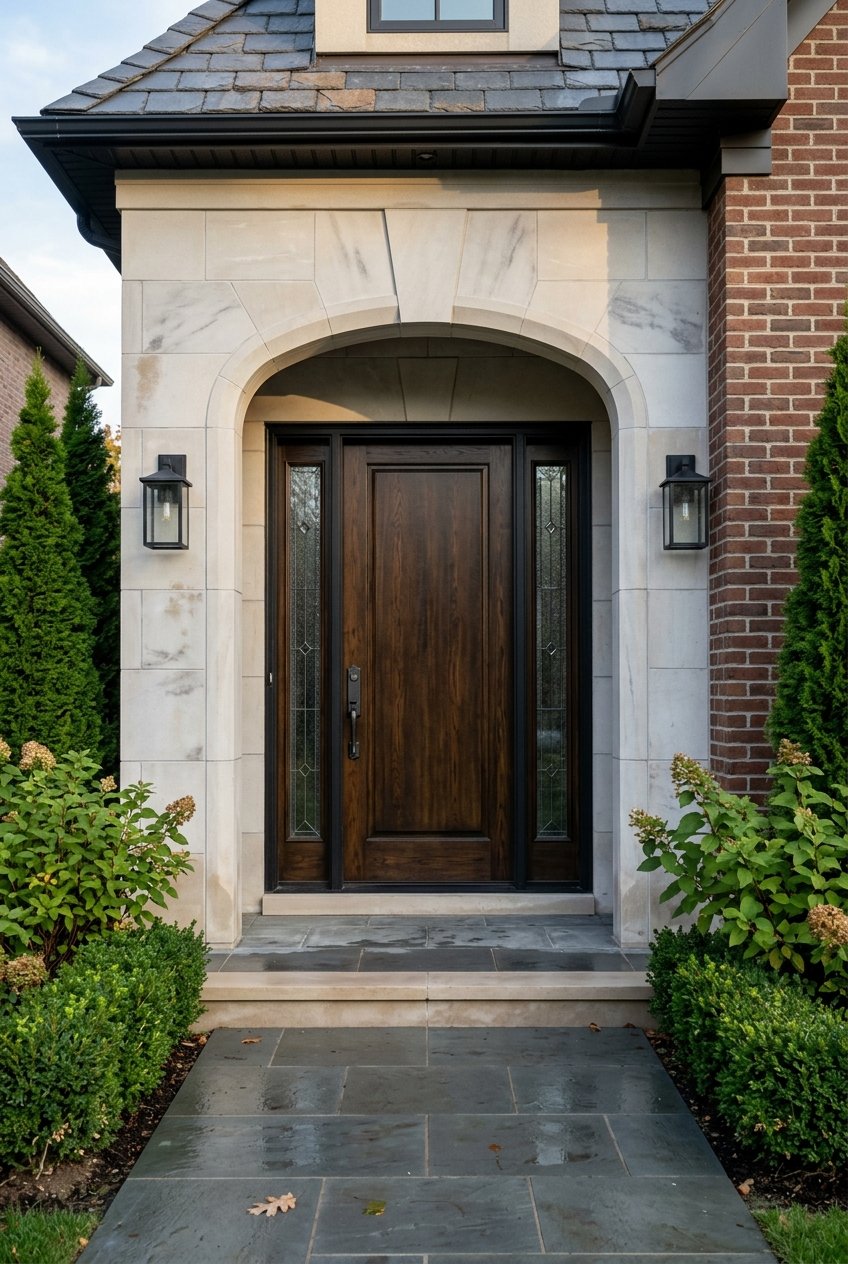
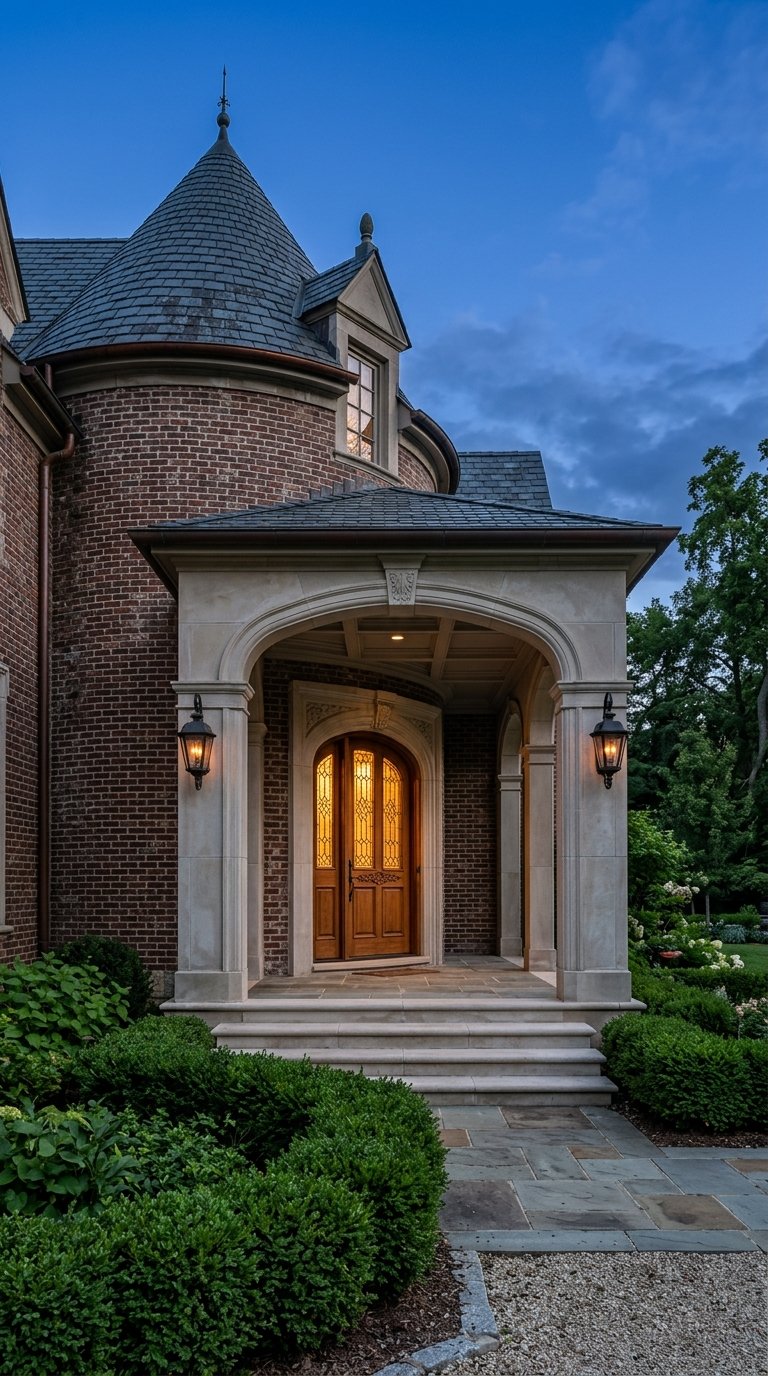
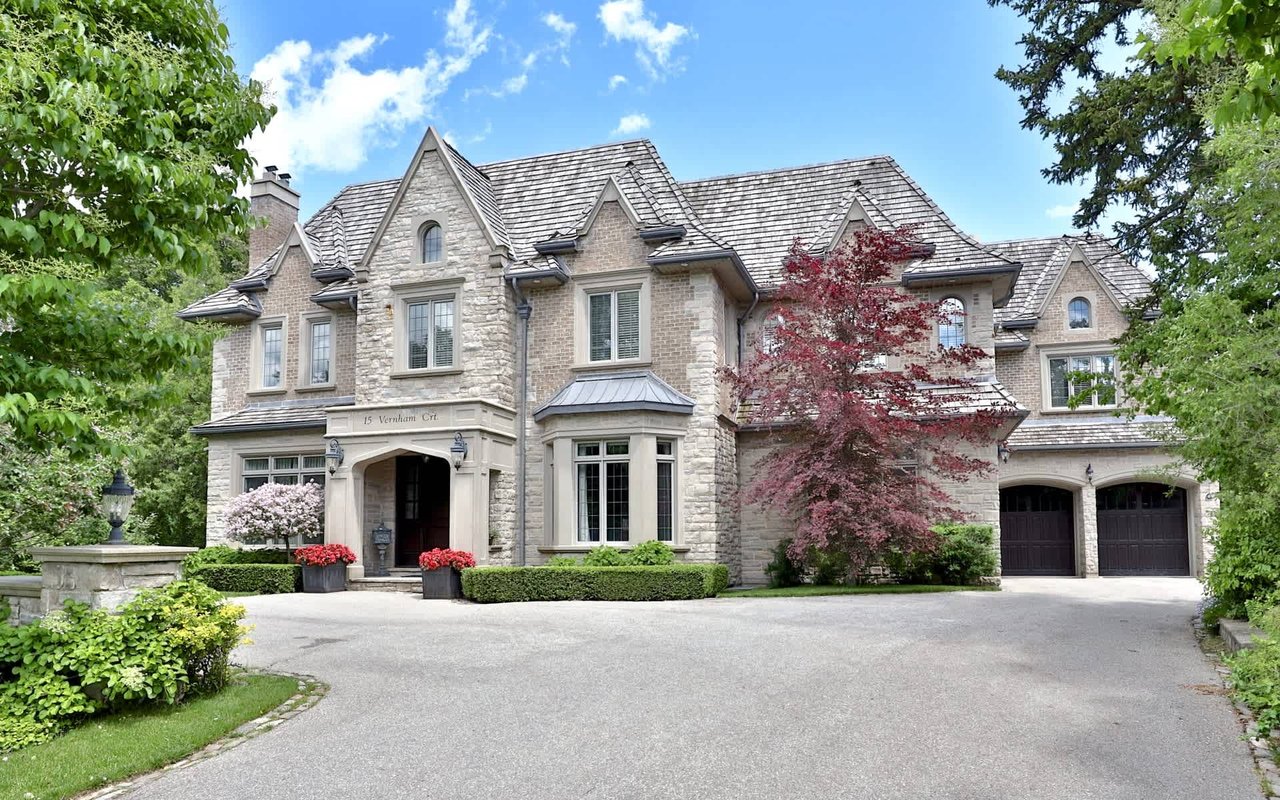
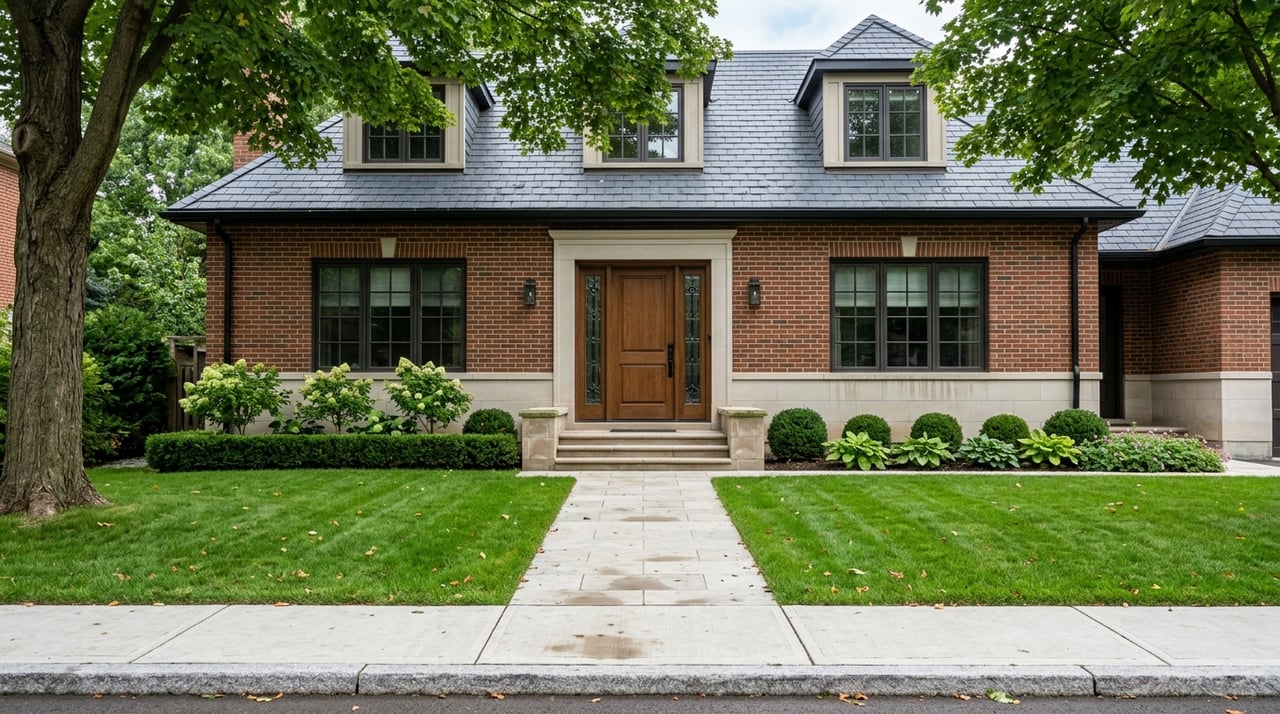
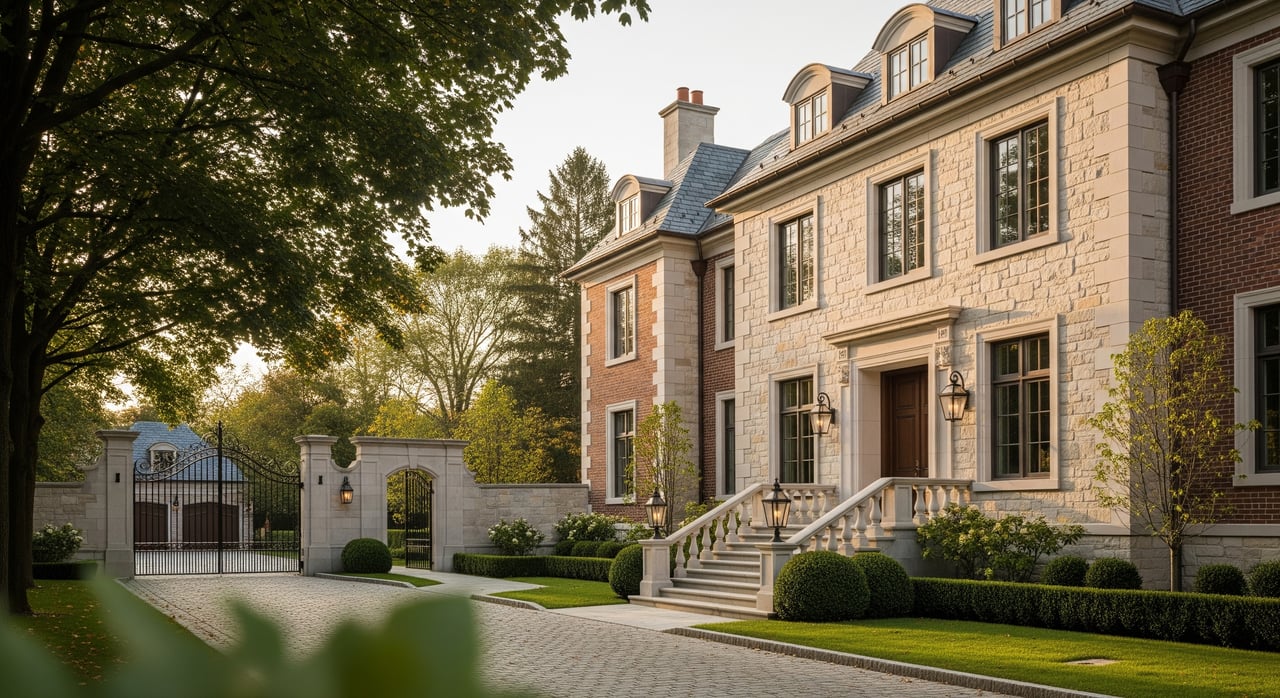
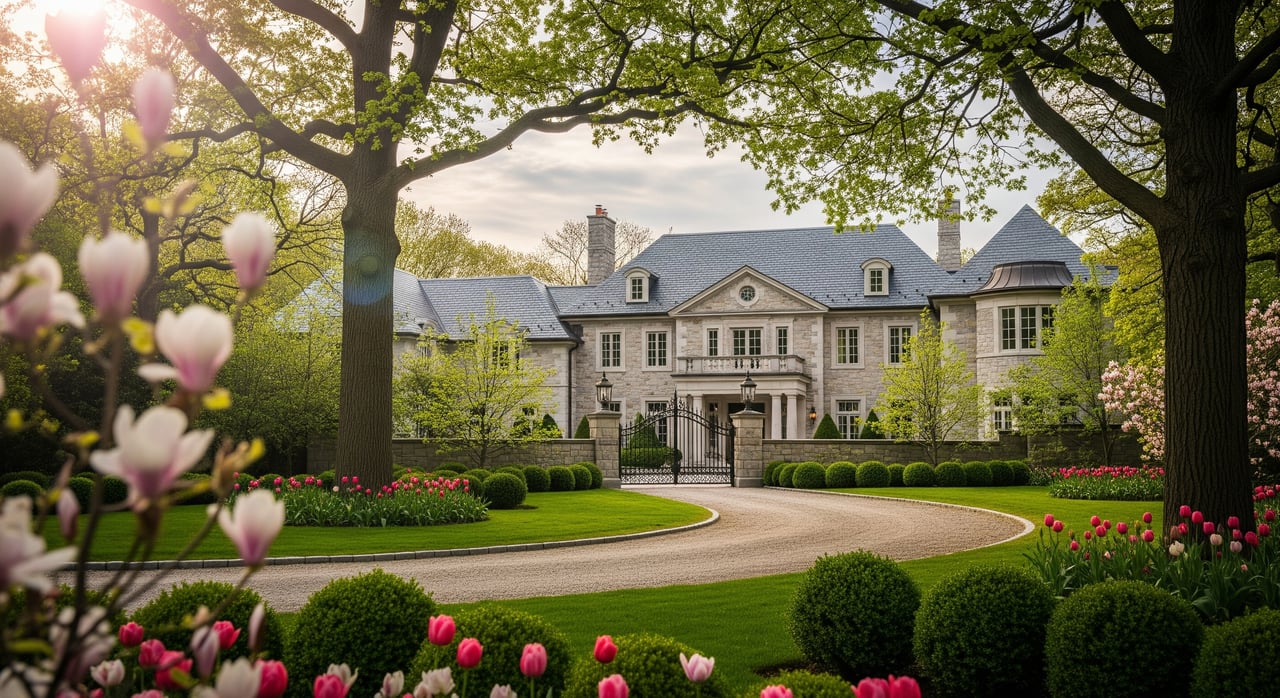
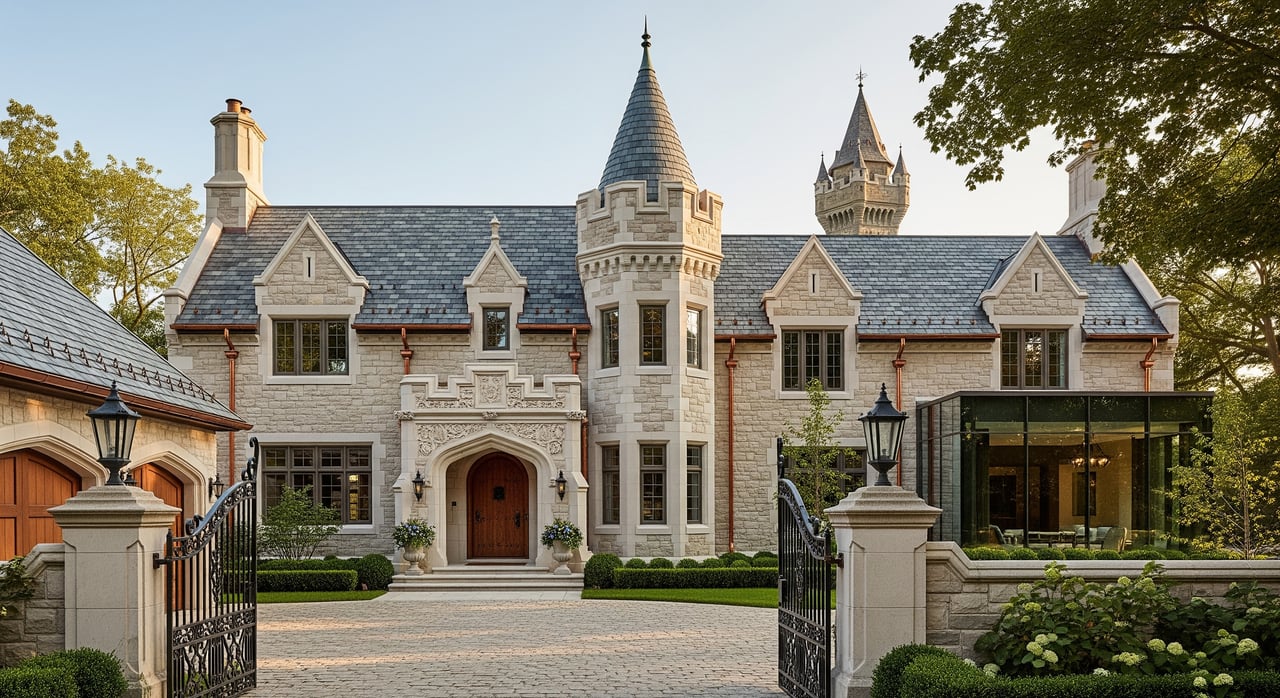
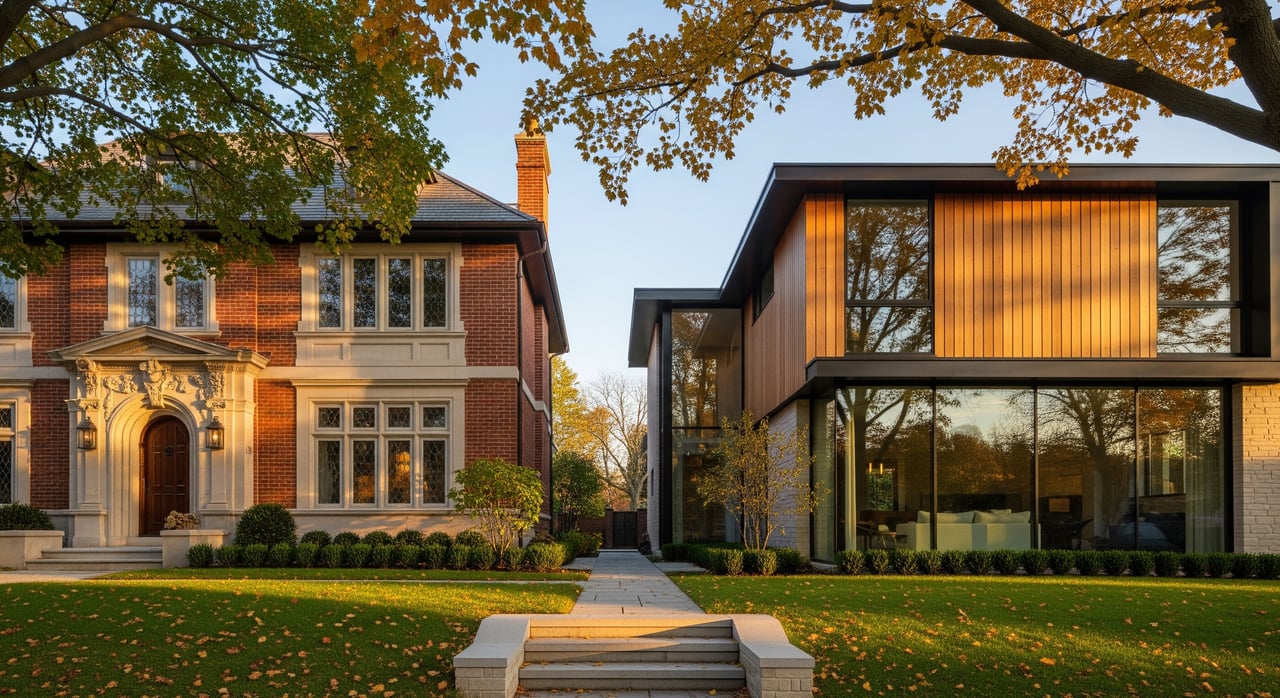
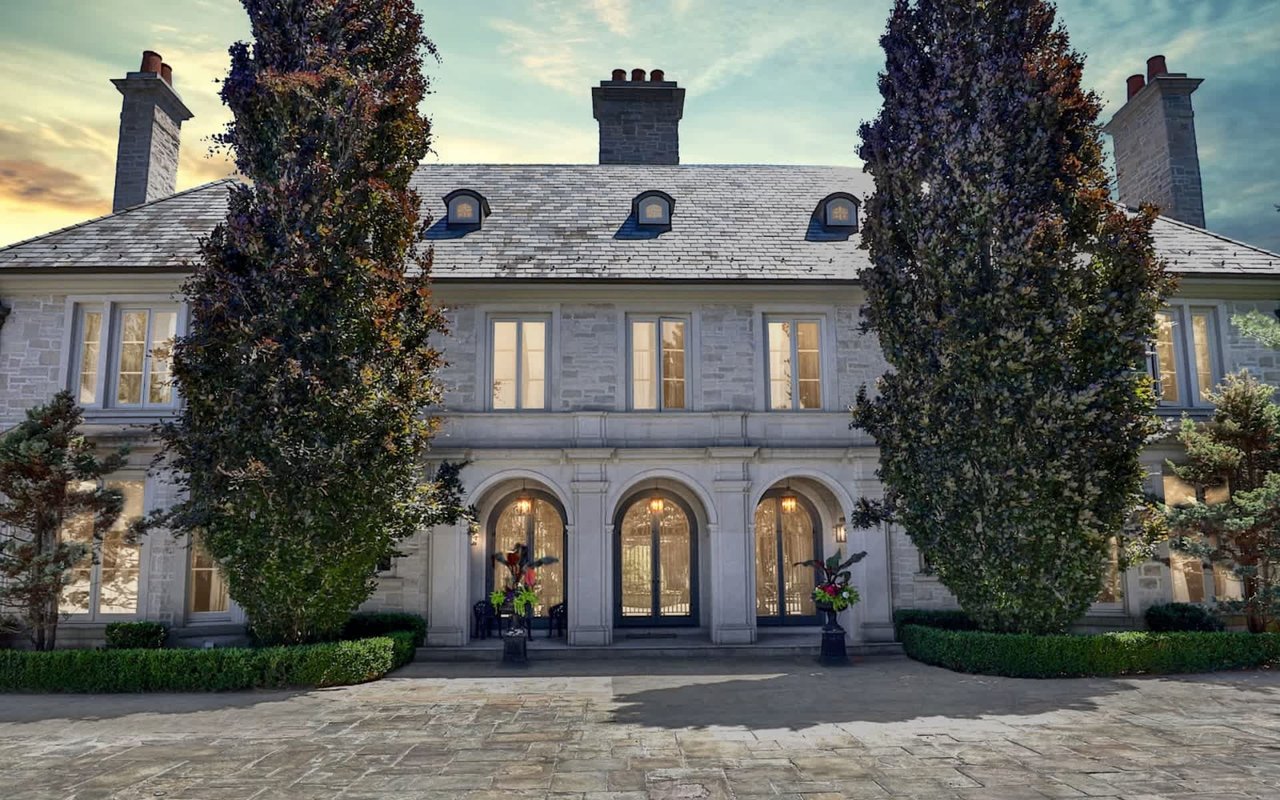
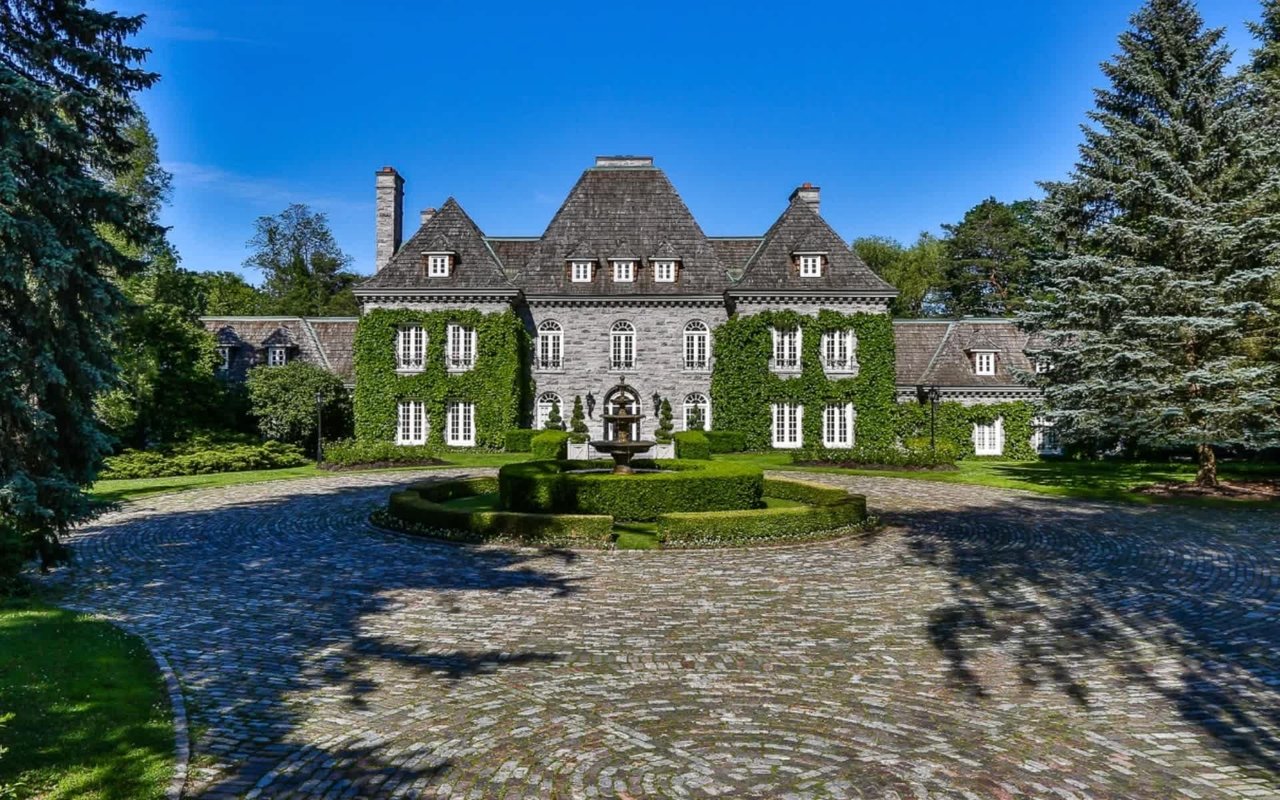
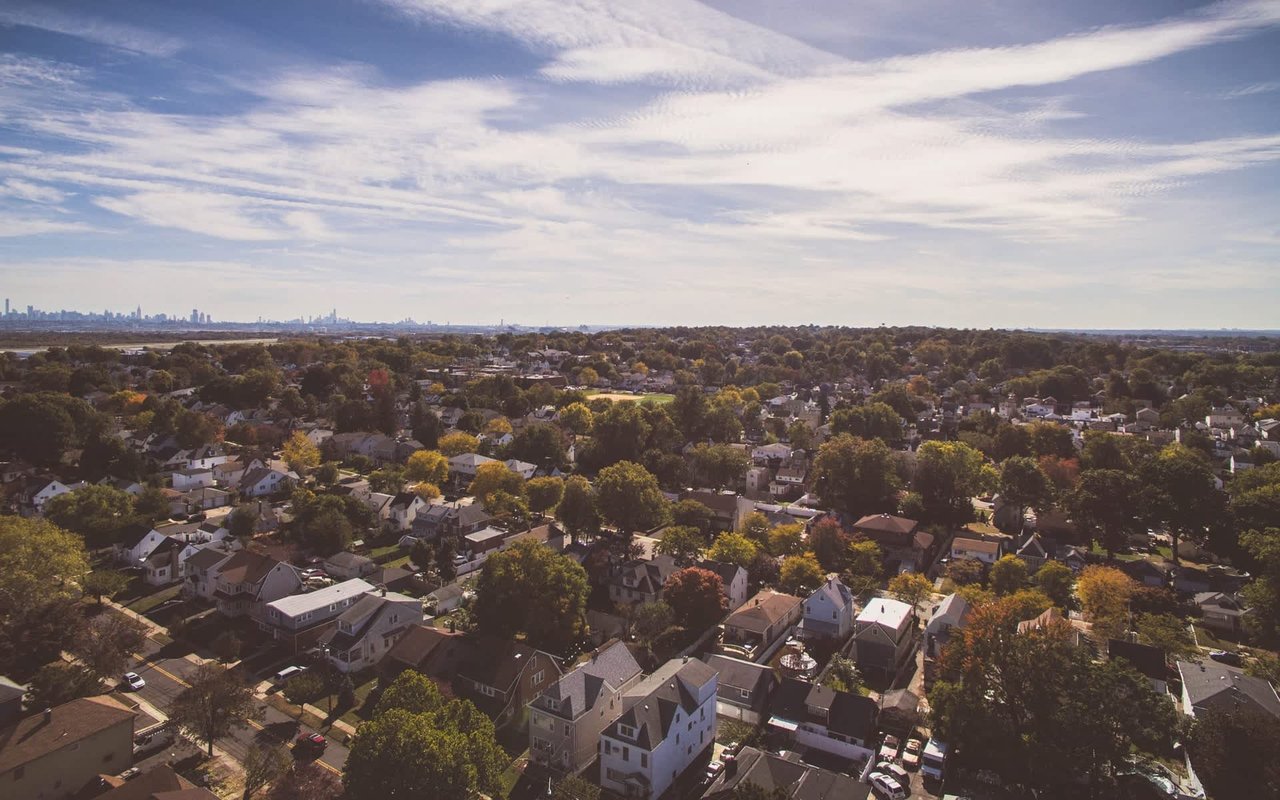
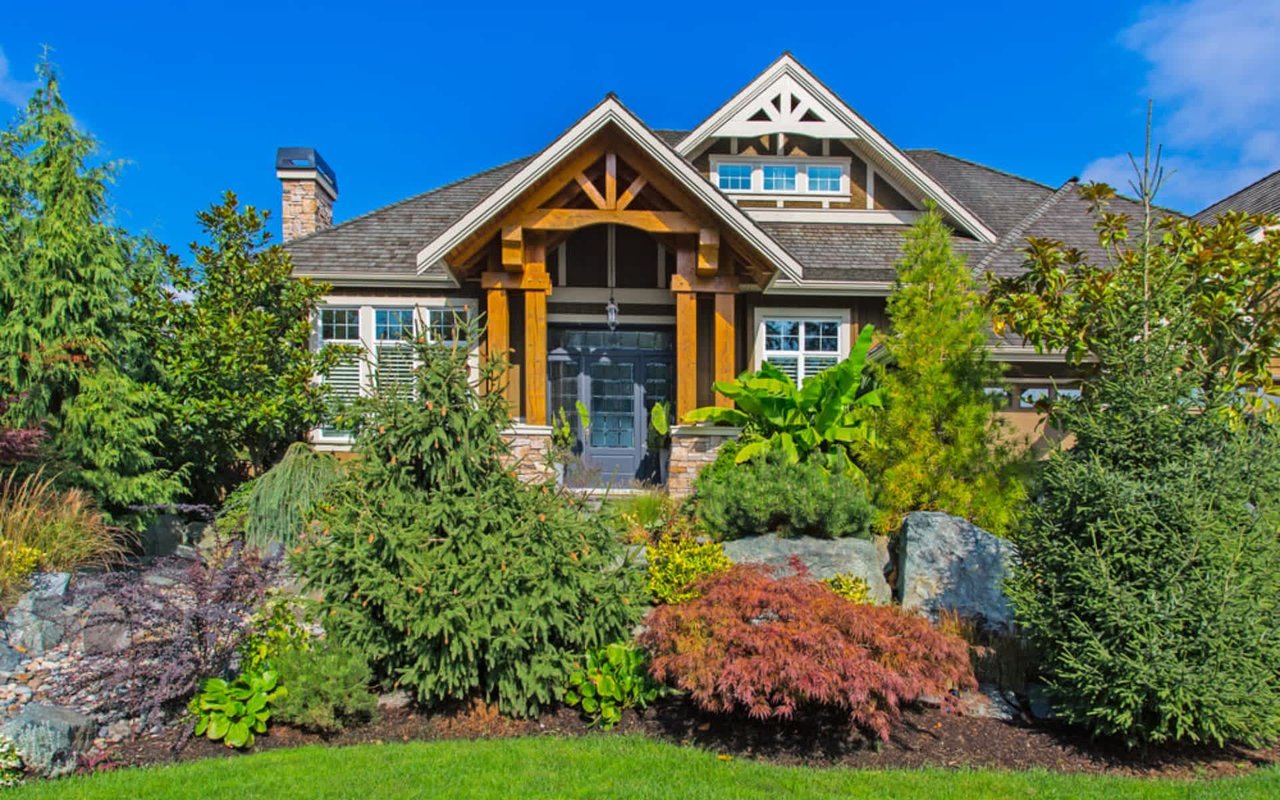
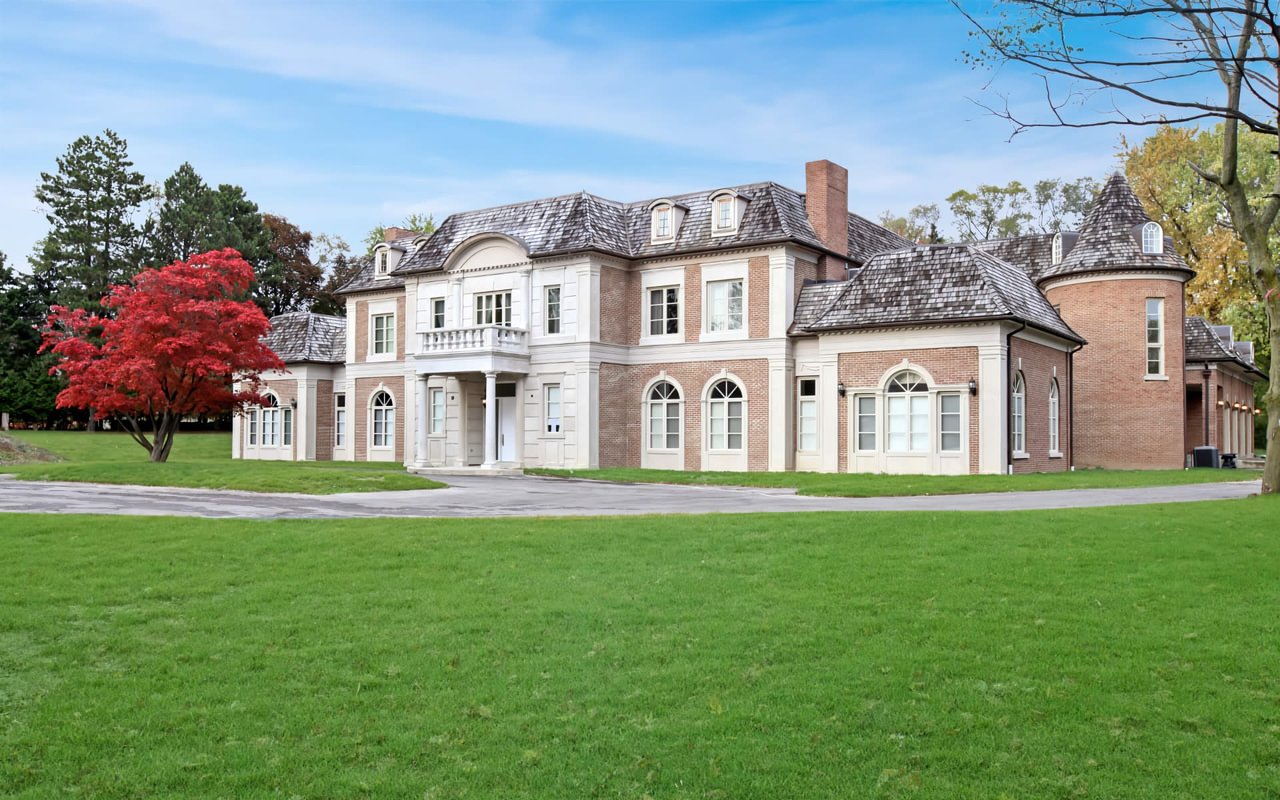
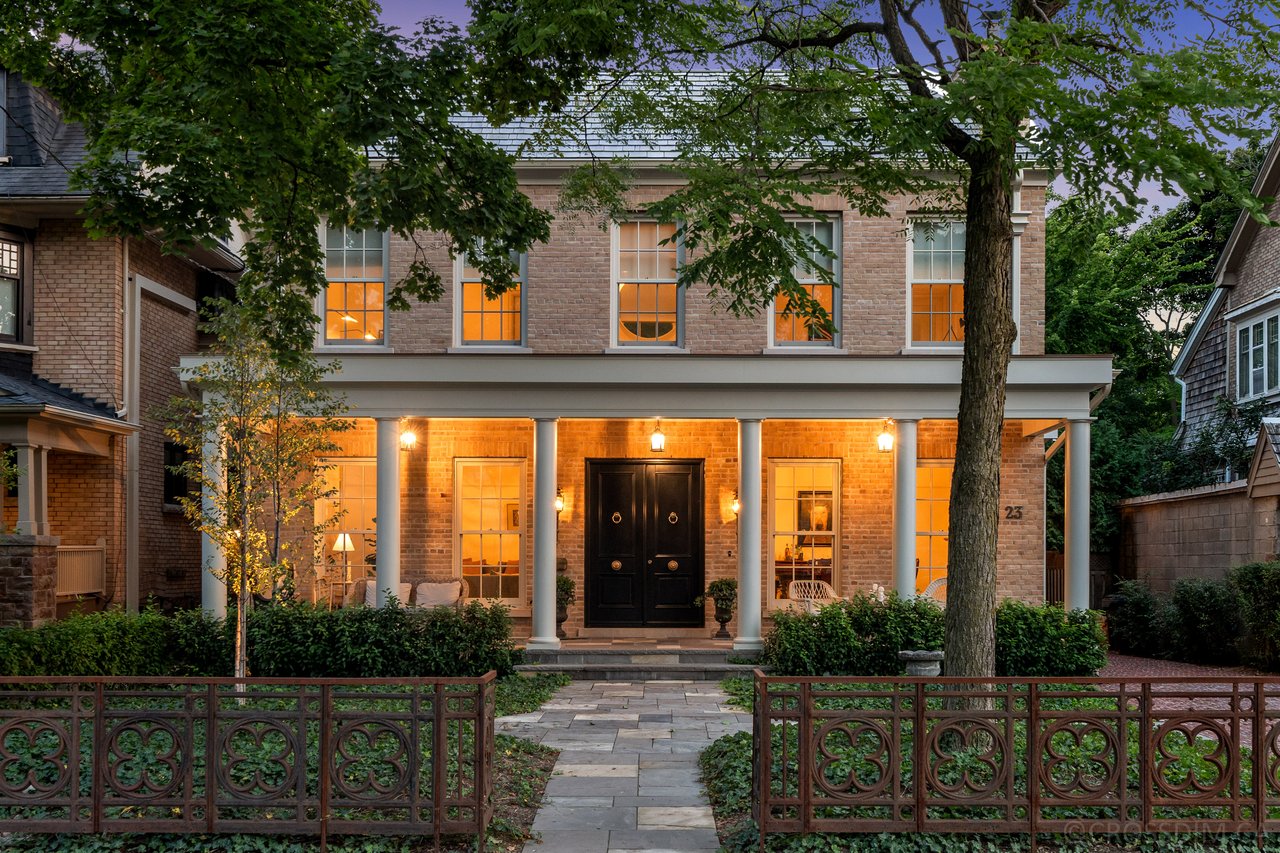
Daily life in Casa Loma is shaped by its residential character more than its postcard fame. The City of Toronto describes the area as a neighbourhood of homes built mainly between the late 19th and mid-20th centuries, with styles that include Arts and Crafts, Tudor Revival, Edwardian, and Georgian Revival.
That architectural mix gives the area a sense of permanence that many buyers value. Instead of reading as a high-density district or a pocket of recent development, Casa Loma feels established, low-rise, and rooted in the city’s earlier residential history.
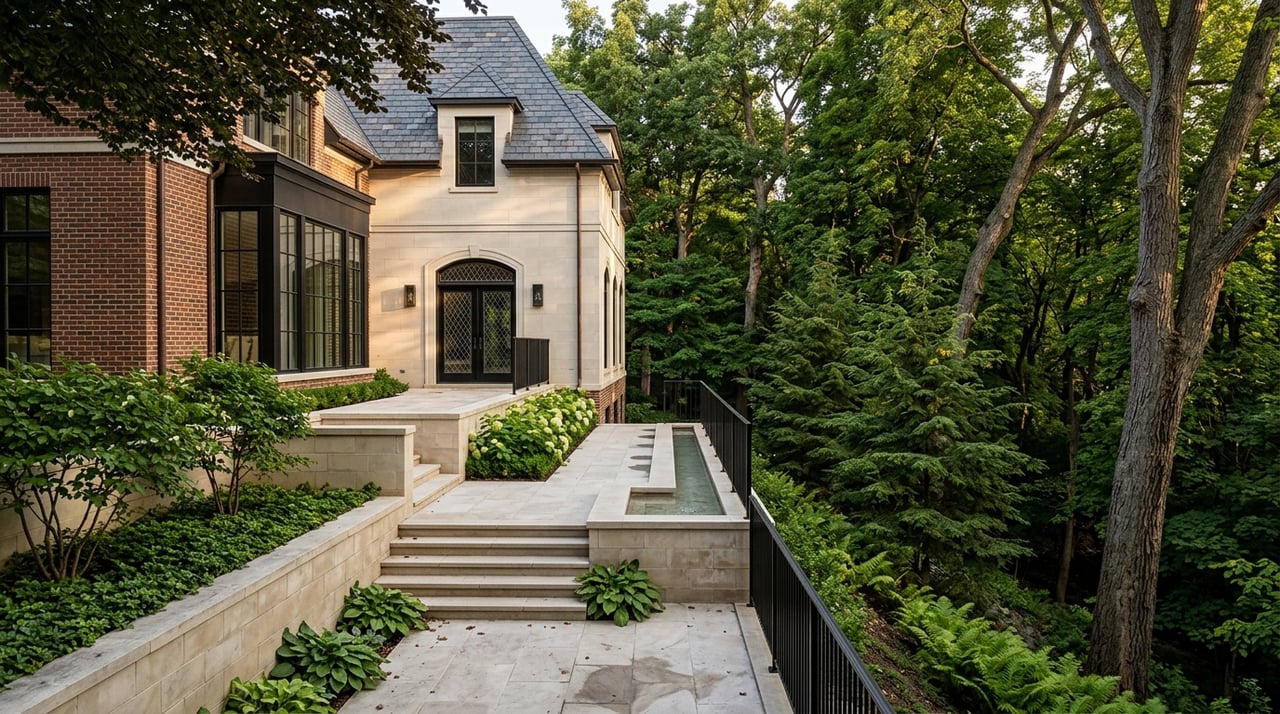
Its setting also matters. The neighbourhood’s growth was shaped by the Davenport Escarpment, which helps create the elevated, park-like feel that people notice right away. In practical terms, that means streetscapes with mature landscaping, varied topography, and a setting that feels distinct from flatter parts of Toronto.
Heritage character shapes the streetscape
In Casa Loma, the streets themselves are part of the lifestyle. City heritage research points to Hilton Avenue and Wells Hill Avenue as especially intact examples of early 20th-century residential development.
Hilton Avenue is noted for its strong streetwall and minimal setbacks, which creates a more enclosed and cohesive visual rhythm. Wells Hill Avenue offers a different expression, with landscaped front yards, mature tree canopy, and what the City describes as a garden-suburb character.
For you as a buyer, that translates into a neighbourhood where the built form and landscape work together. The result is a sense of charm that comes from consistency, scale, and age, not from trend-driven design.
Outdoor life is part of the routine
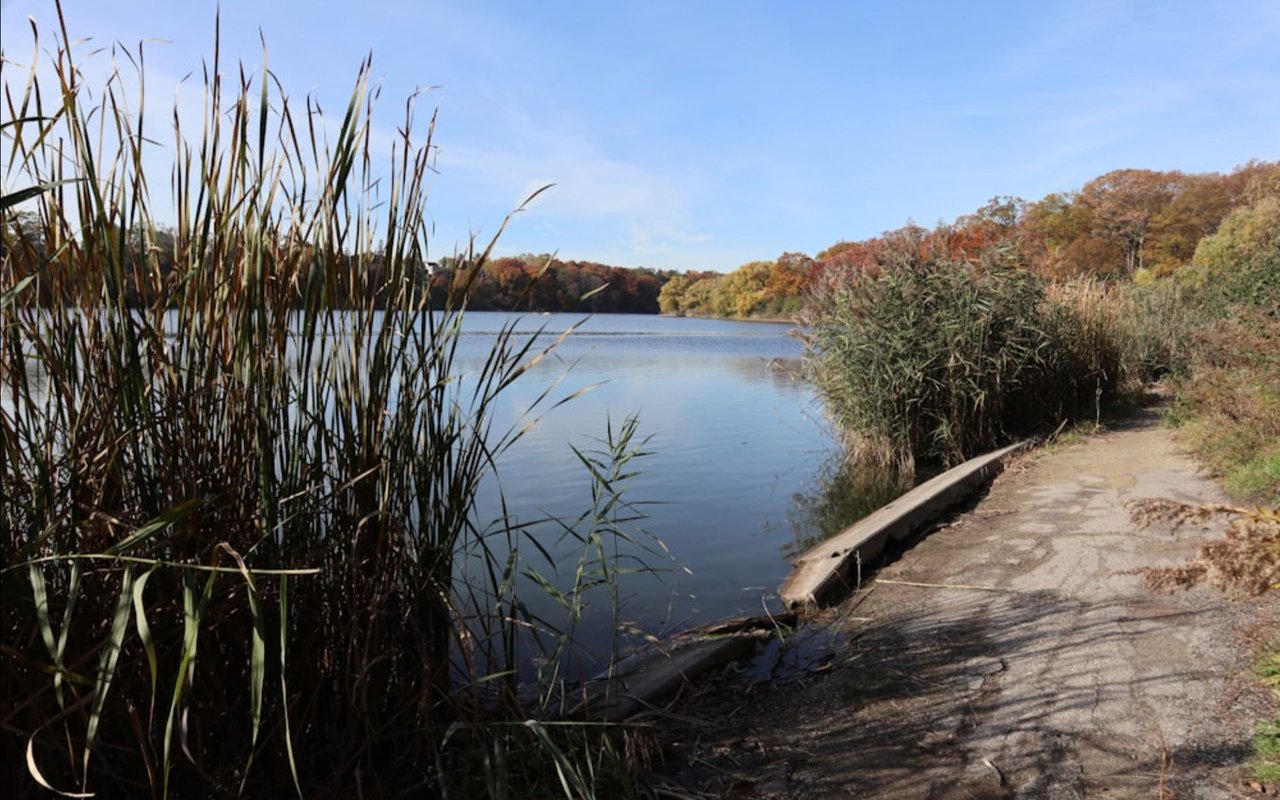
One of Casa Loma’s biggest lifestyle advantages is how easy it is to spend time outdoors without leaving the city. Toronto’s ravines and trails are both ecological assets and recreation corridors, and that identity is felt clearly here.
Nearby Nordheimer Ravine stands out for its natural beauty. The City notes that it contains one of the finest stands of old oak trees in Toronto, giving residents access to a remarkable urban green space close to home.
David A. Balfour Park adds another layer to everyday life. Recent improvements include accessible multi-use trails, new lighting, benches, gardens, washrooms, and other amenities that make the park more usable for casual walks, longer outings, and day-to-day recreation.
Even the castle grounds contribute to the neighbourhood’s green atmosphere. Casa Loma includes a rose garden, perennial gardens, a wooded grove, a conservatory, and a vegetable garden, which helps the area feel landscaped and visually rich beyond private residential lots.
Culture is woven into the area
Living near Casa Loma means living near more than a single landmark. The castle remains one of Toronto’s premier historic attractions, with tours, gardens, and onsite dining, so the neighbourhood carries an active cultural presence instead of feeling static.
Next door, Spadina Museum reinforces that identity. It offers free general admission, the historic house is open Wednesday through Sunday, and the gardens are open daily. Together, these two institutions create a heritage corridor that is unusual even by Toronto standards.
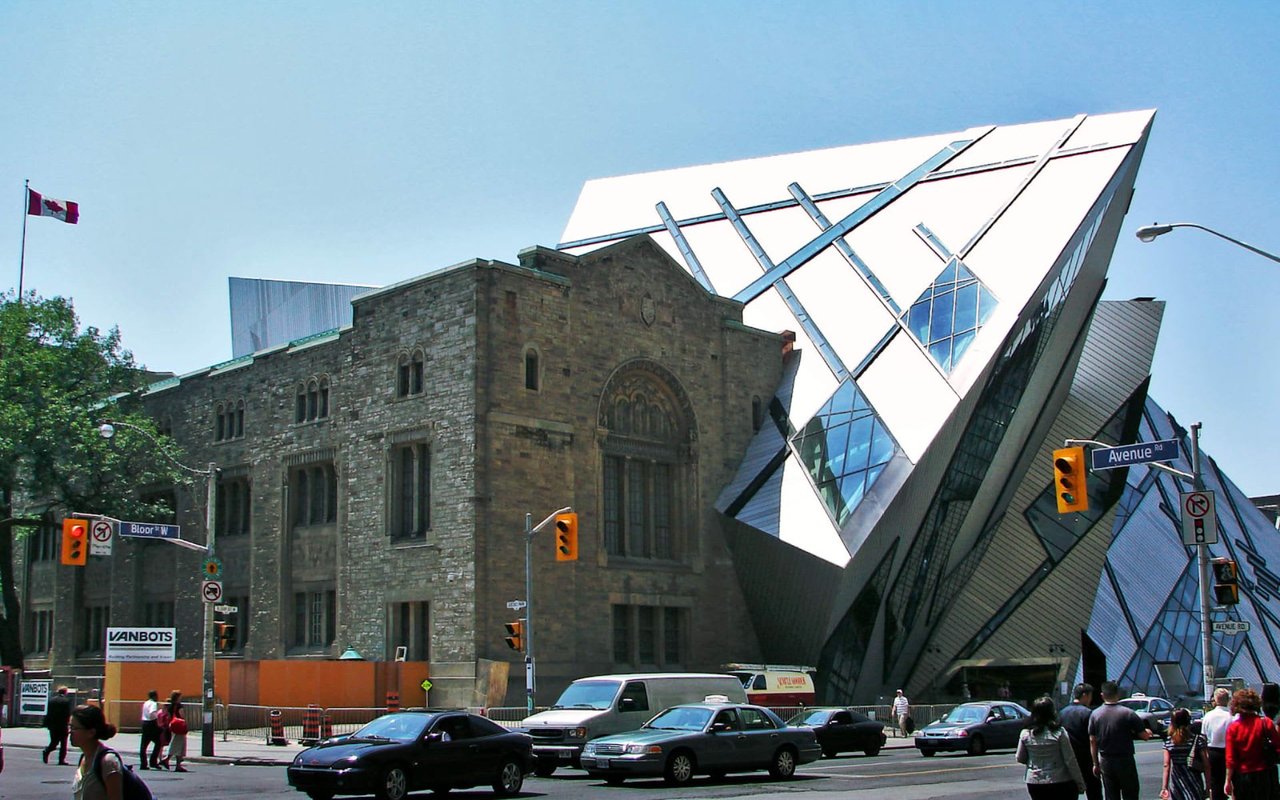
The cultural reach extends beyond the immediate area as well. The Royal Conservatory of Music at 273 Bloor Street West adds access to a broader arts network just to the south, which can make concerts and performances part of your regular routine.
For buyers who value architecture, history, and the arts, this setting offers more than visual appeal. It supports a lifestyle where cultural experiences are close at hand and easy to fold into everyday city living.
Daily errands are close by
A common question about Casa Loma is whether it feels practical or mostly symbolic. The answer is practical. While the landmark itself draws visitors, the surrounding area supports real day-to-day living.
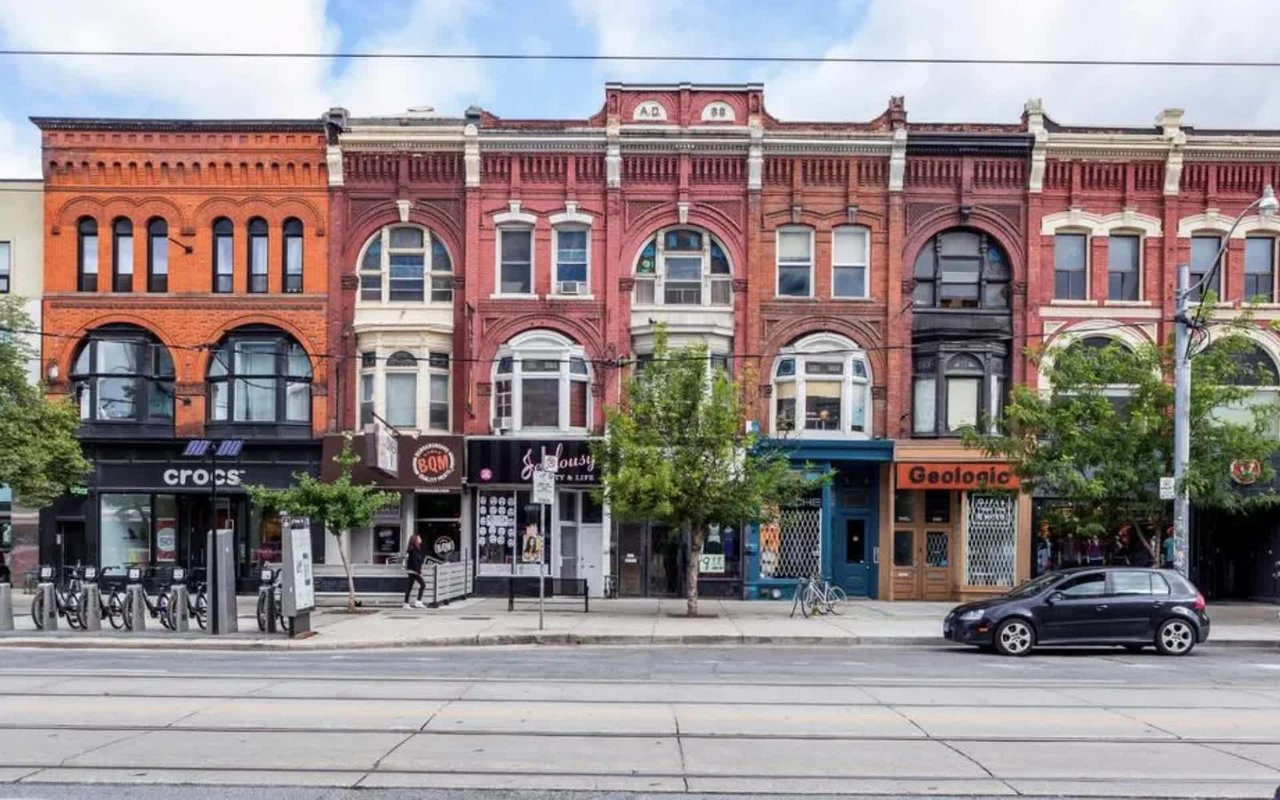
Just south of the neighbourhood, the Dupont by the Castle Business Improvement Area includes retail stores, boutiques, restaurants, cafes, health and wellness practitioners, and professional services. This local strip helps ground the area with the kind of uses that make routines easier.
The BIA runs along Dupont Street between Bathurst Street and Avenue Road, with connections to Spadina Avenue and Davenport Road. That geography matters because it places dining, services, and errands within a nearby everyday orbit rather than requiring a major cross-city trip.
For many buyers, this balance is part of the appeal. You get a neighbourhood that feels special and historic, but still functions comfortably on a Tuesday morning or a weeknight close to home.
Transit access is stronger than many expect
Casa Loma is often associated with grand homes and winding streets, but it is not cut off from the rest of the city. Transit access is one of the area’s quieter strengths.
St. Clair West Station is accessible and has entrances near Bathurst Street and Wells Hill Avenue. Dupont Station also serves the neighbourhood from near Spadina Road, giving residents practical subway access in more than one direction.
Surface transit adds flexibility. The 7 Bathurst and 33 Forest Hill bus routes operate all day, every day, until 1 a.m., and the 512 St Clair streetcar provides a major east-west connection.
The TTC also notes that Blue Night service operates overnight on most major routes every 30 minutes or better, seven days a week. For you, that means the area supports a car-optional lifestyle more readily than its quiet residential feel might suggest.
The topography adds beauty and movement
Casa Loma does not feel flat, and that is part of its identity. The escarpment setting shapes how the neighbourhood looks and how you move through it.
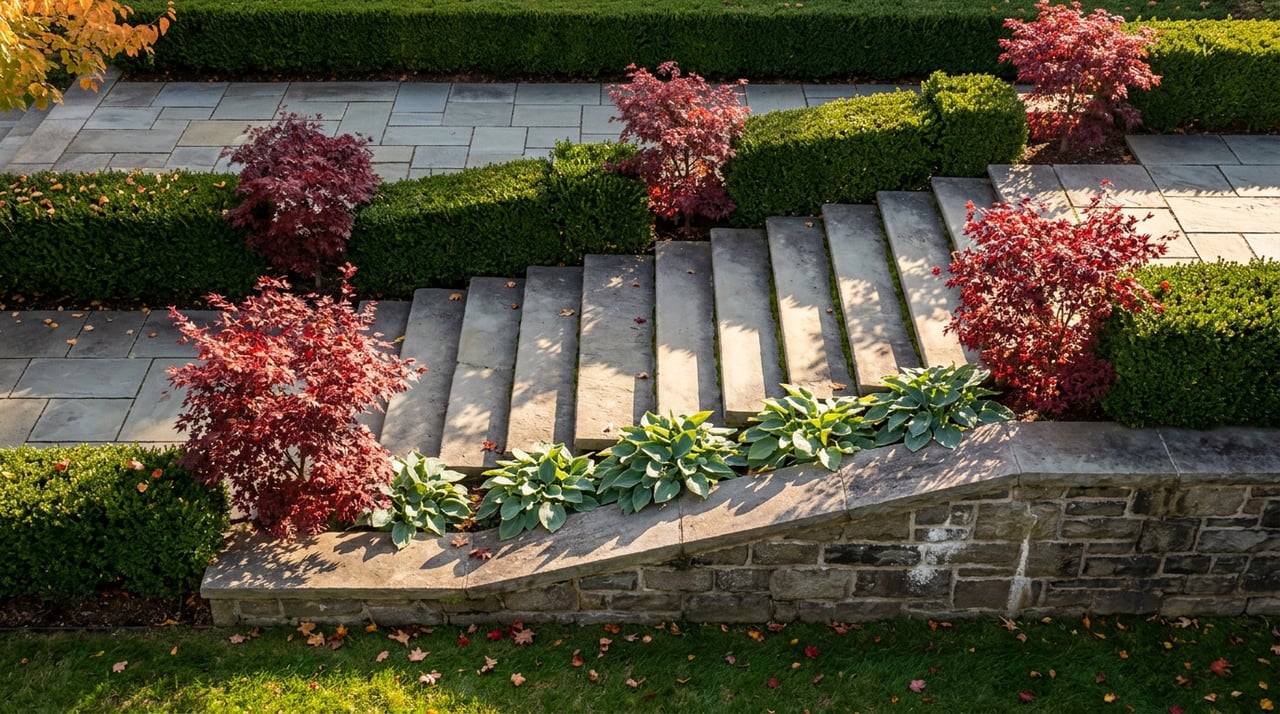
Walks here can be scenic, but they can also involve hills, stairs, and grade changes. The route from Dupont Station up toward the Baldwin Steps and Casa Loma is a good example of how the terrain creates memorable approaches and layered views.
For some buyers, that topography is a major advantage. It adds visual interest, separation from busier streets, and a stronger sense of discovery than you find in more uniform neighbourhoods.
Who Casa Loma may suit best
Casa Loma tends to appeal to buyers who want more than square footage alone. If you are drawn to older homes, mature landscaping, and streets with a clear architectural identity, this neighbourhood offers a compelling fit.
It may also appeal if you value outdoor access without giving up central city convenience. Ravines, trails, landscaped grounds, transit options, and nearby services all contribute to a lifestyle that feels balanced and established.
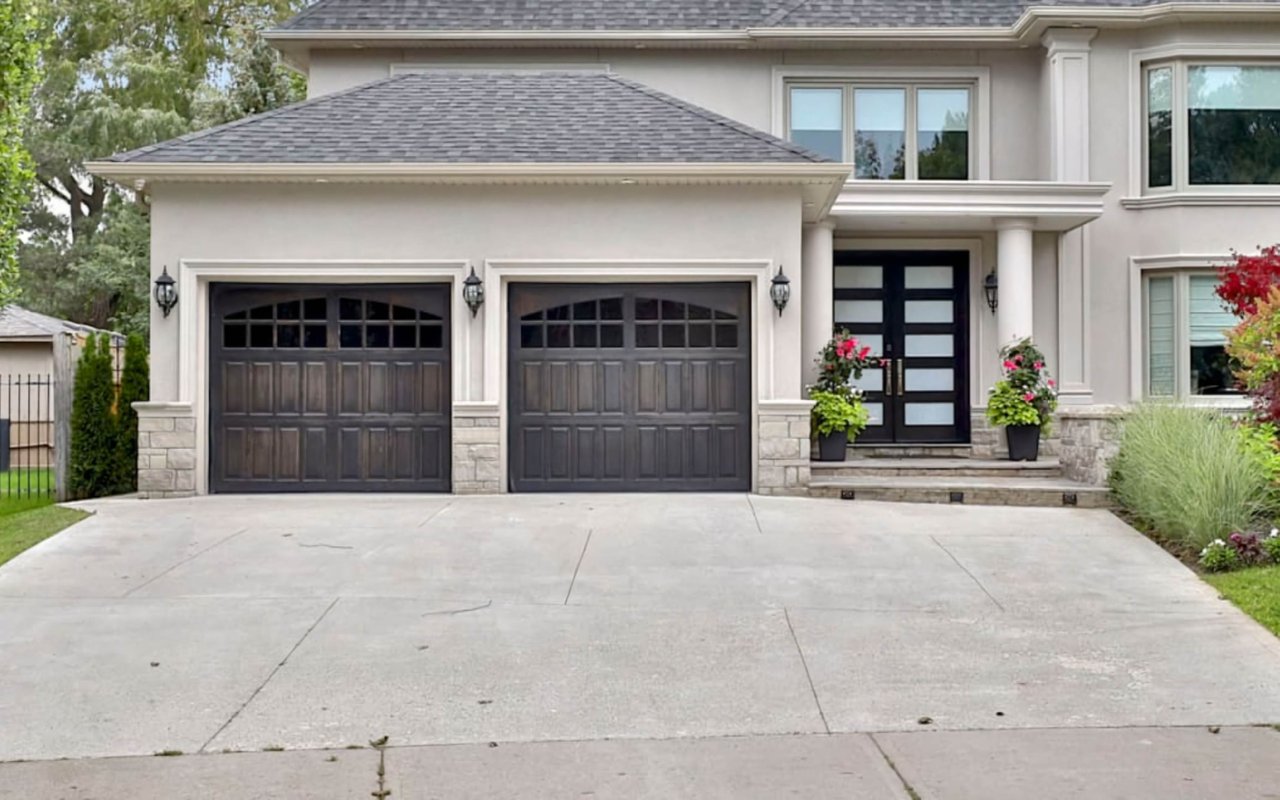
From a luxury perspective, Casa Loma stands out because character is built into the setting. For buyers seeking an architecturally significant residence in a prestigious Toronto neighbourhood, the area offers both visual distinction and lasting neighbourhood identity.
If you are considering a move to Casa Loma or exploring comparable prestige enclaves across Toronto, Barry Cohen Homes offers discreet buyer representation, deep neighbourhood insight, and a polished, high-touch approach tailored to exceptional properties.
FAQs
What is daily life in Casa Loma like for residents?
- Casa Loma feels primarily residential, with older homes, mature trees, heritage streetscapes, and a park-like escarpment setting that shapes everyday life.
What kinds of homes are common in Casa Loma, Toronto?
- The neighbourhood is known for homes built mainly between the late 19th and mid-20th centuries, including Arts and Crafts, Tudor Revival, Edwardian, and Georgian Revival styles.
Does Casa Loma have good access to parks and trails?
- Yes. Residents are close to Nordheimer Ravine, David A. Balfour Park, Toronto’s ravine and trail network, and the landscaped grounds of Casa Loma itself.
Is Casa Loma only a tourist area, or is it practical for everyday living?
- It is practical for daily life. In addition to major cultural landmarks, the nearby Dupont by the Castle area includes restaurants, cafes, boutiques, health and wellness services, and other everyday businesses.
How is transit in Casa Loma for getting around Toronto?
- Transit is strong, with access to St. Clair West Station, Dupont Station, the 512 St Clair streetcar, the 7 Bathurst bus, the 33 Forest Hill bus, and overnight Blue Night service on major routes.
Who is Casa Loma most likely to appeal to in Toronto?
- Casa Loma is a strong fit for buyers who value character homes, mature landscaping, walkable culture, ravine access, and a distinct residential setting in the city.