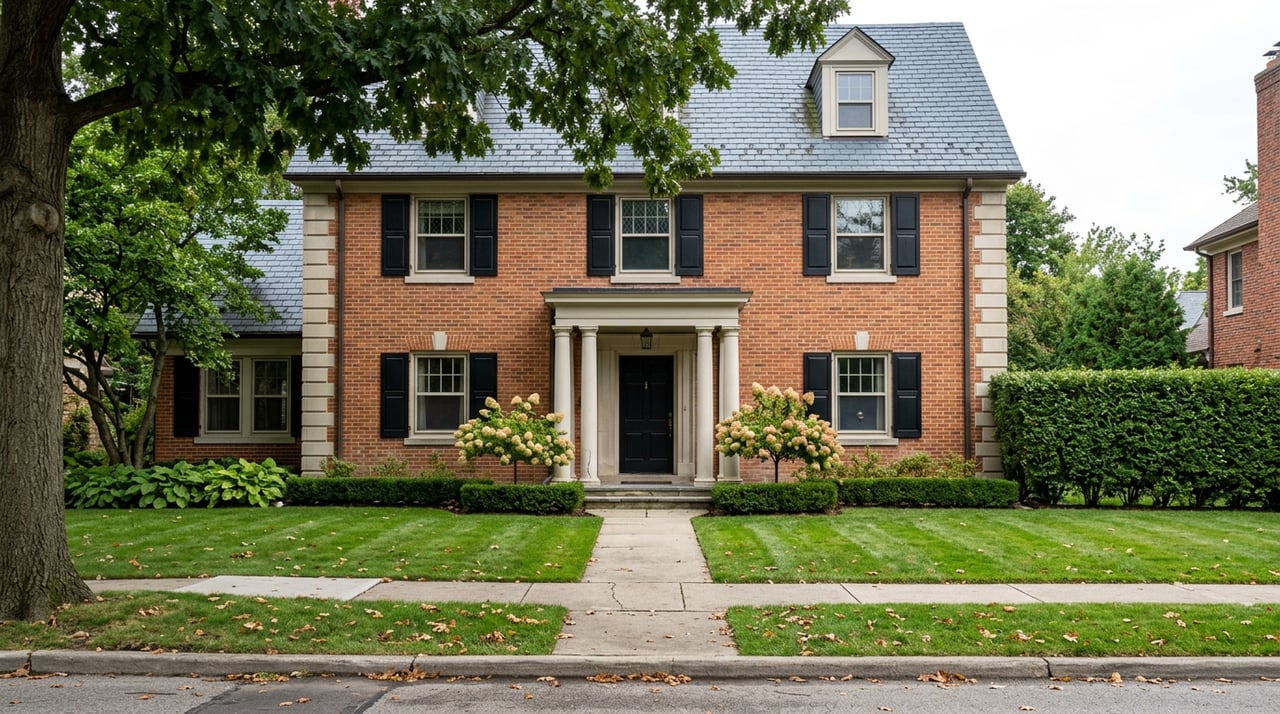
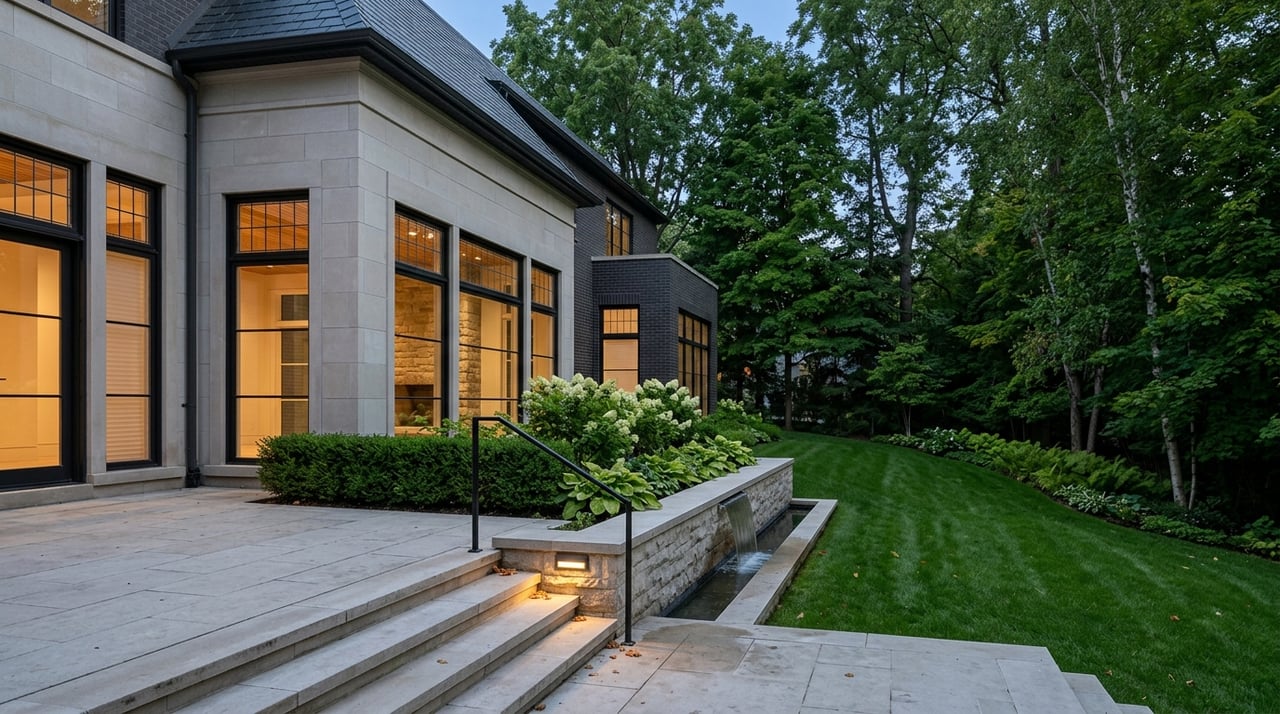
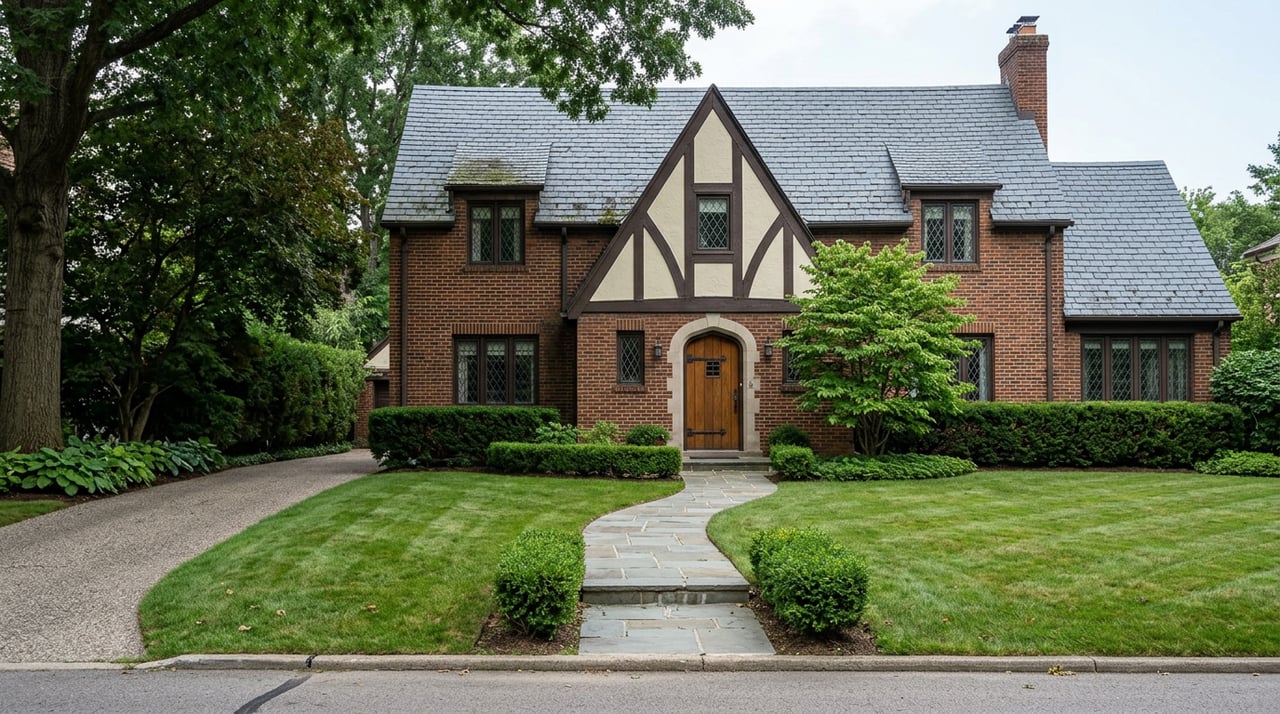
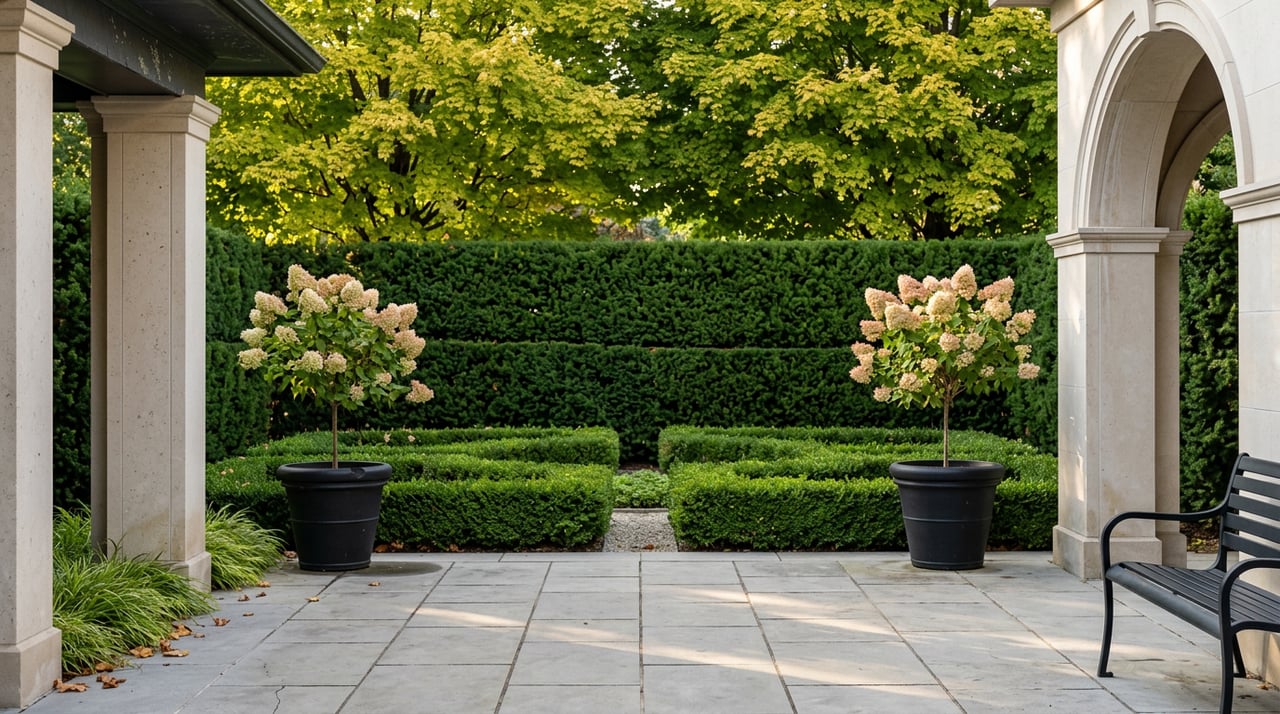
You do not have to choose between preserving a Lytton Park classic and making it work for modern life. In this part of Toronto, many homes were built between 1890 and 1930, and their Tudor, Georgian Revival, and Arts and Crafts character is a big part of what makes the neighbourhood so appealing. If you are planning updates, the goal is to improve comfort, function, and long-term value without losing the details that give the home its presence. Let’s dive in.
Why Lytton Park Homes Deserve Careful Updates
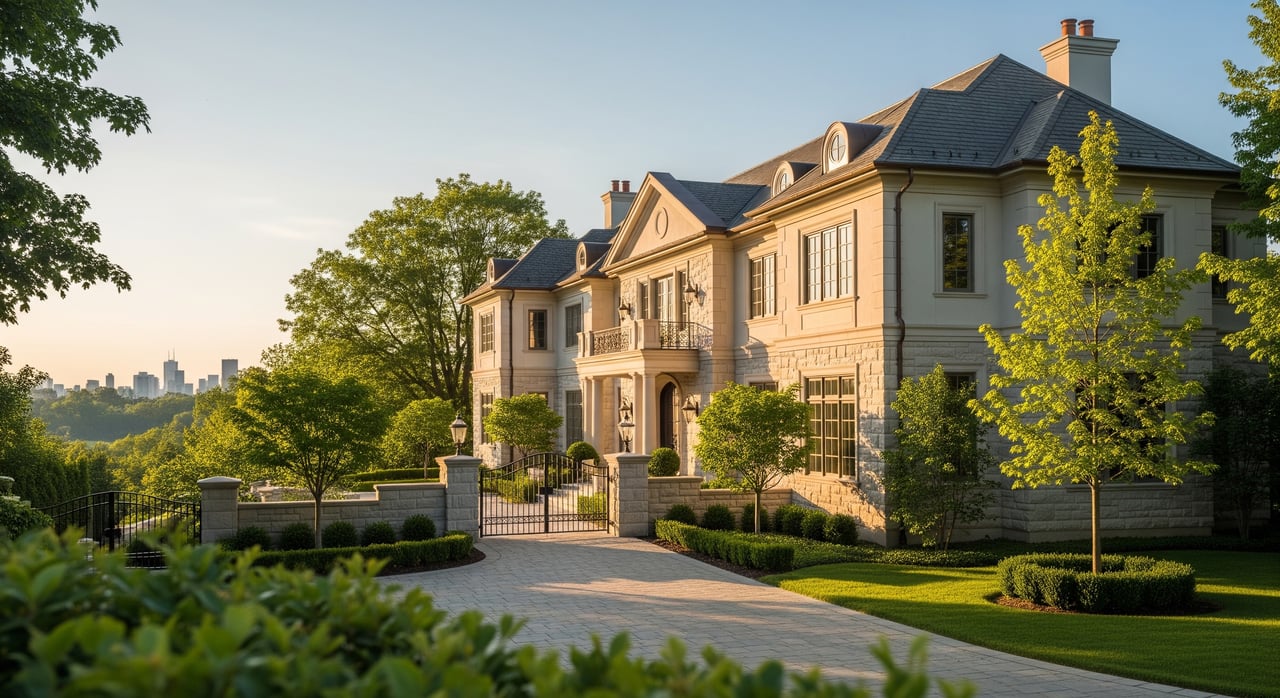
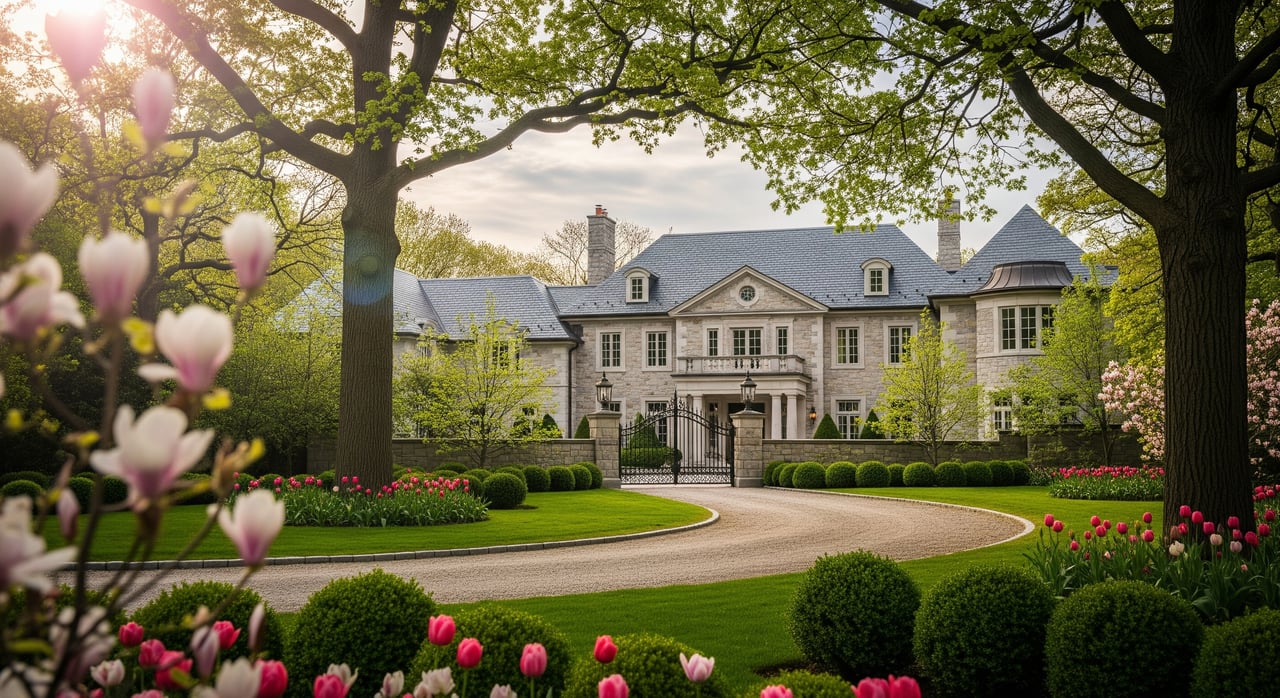
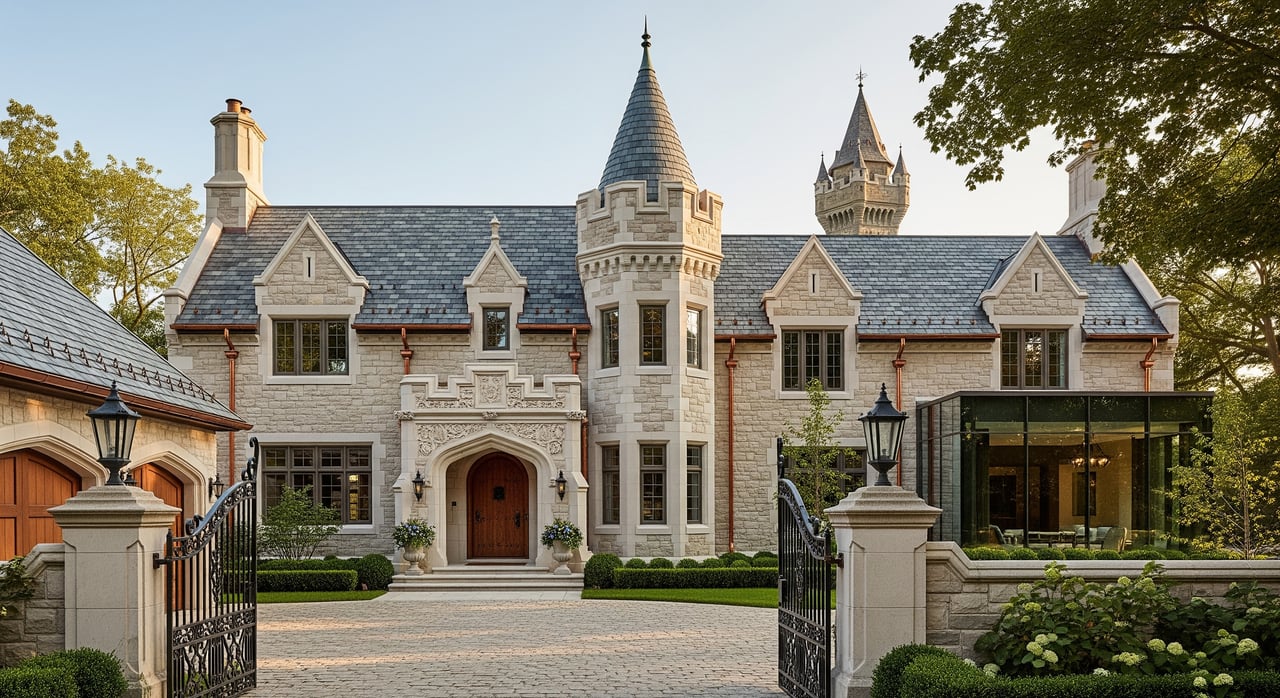
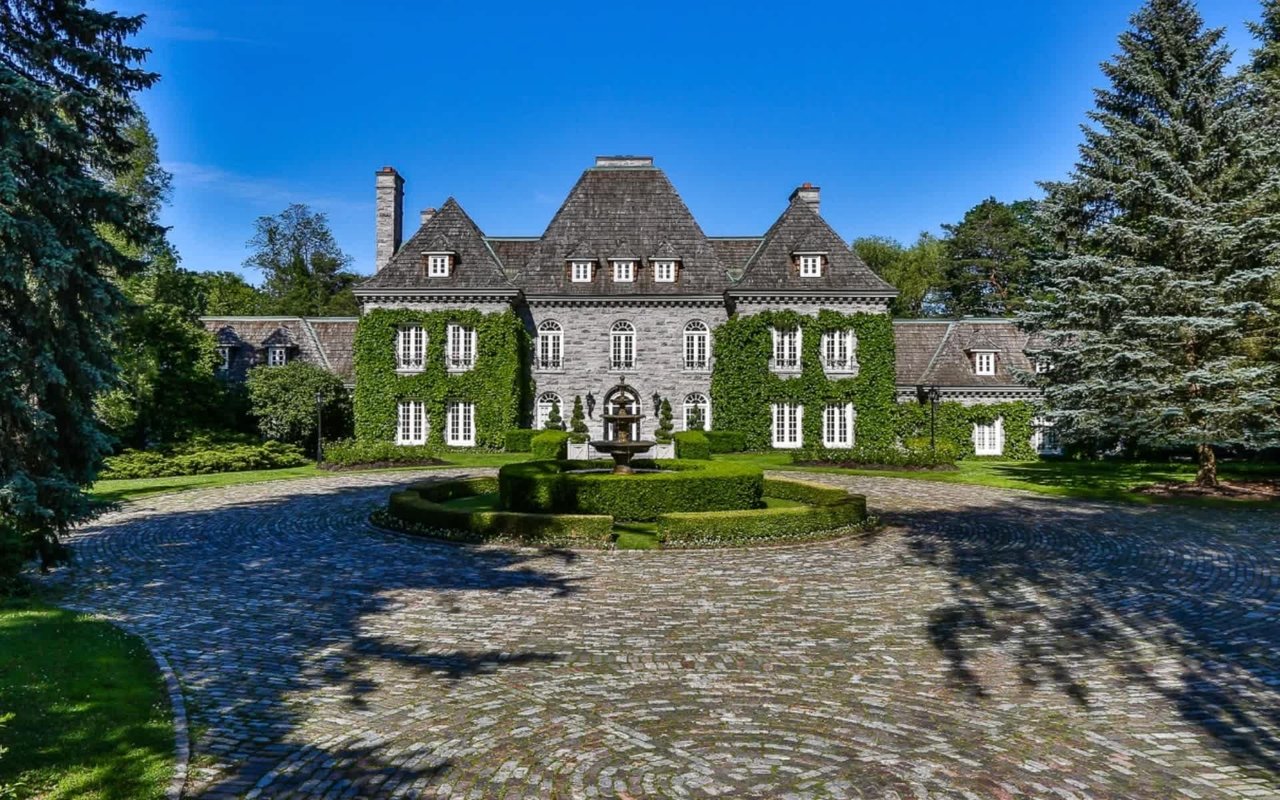
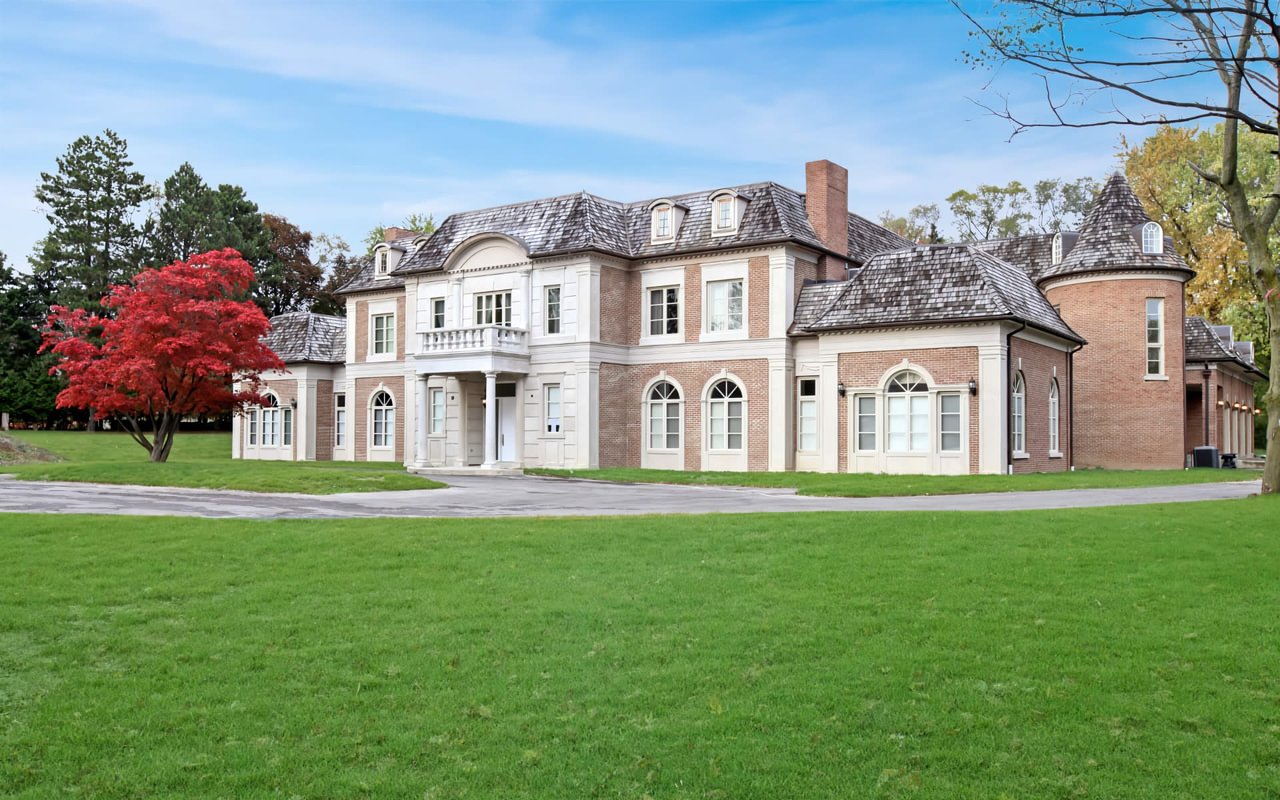
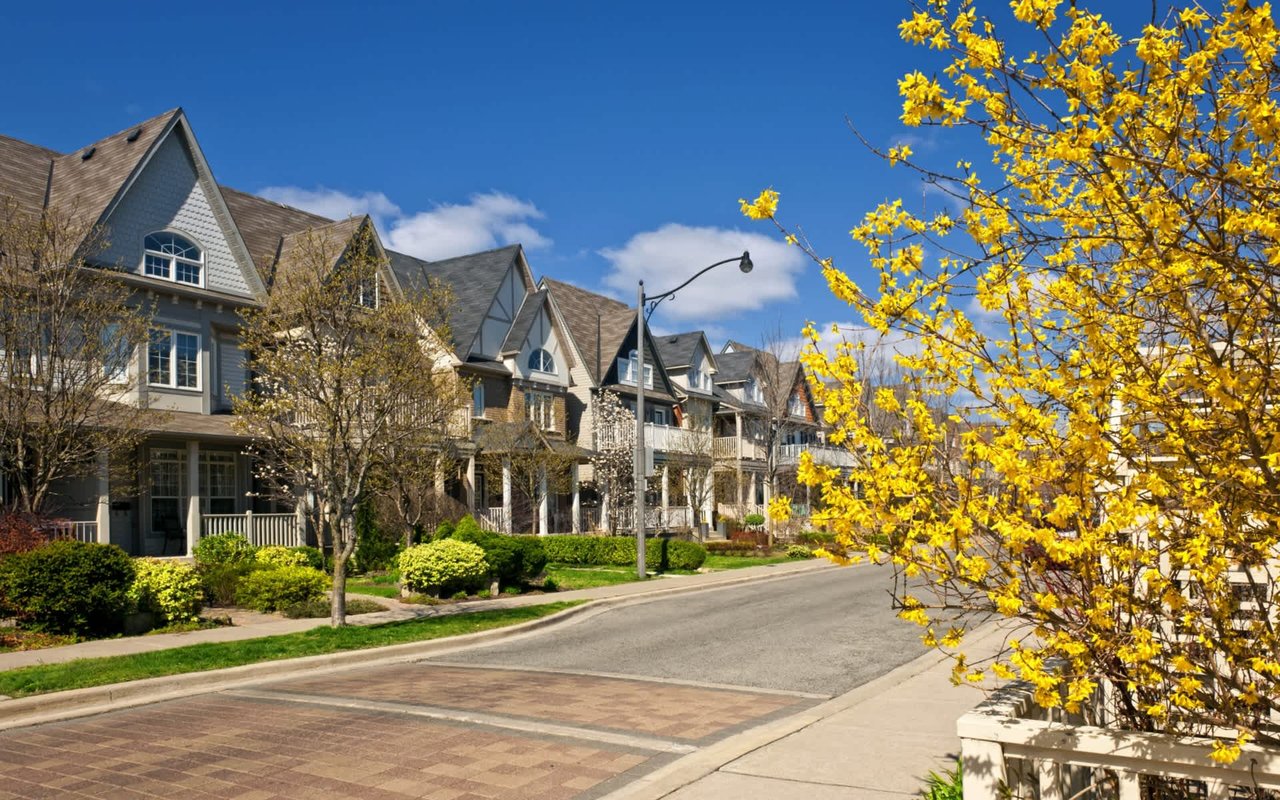
Lytton Park grew from a small village settlement into a full residential neighbourhood in the early to mid 20th century. The area is known for houses with strong architectural character, including Tudor and Georgian Revival styles, along with homes influenced by Arts and Crafts design. That history still shapes buyer expectations today.
In parts of the neighbourhood, such as the Alexandra Gardens subdivision, early development standards emphasized neat design, consistent setbacks, quality materials, and limited tree removal. That helps explain why these streets feel so cohesive. It also explains why scale, materials, and curb appeal matter so much when you renovate.
Start With What Makes the House Special
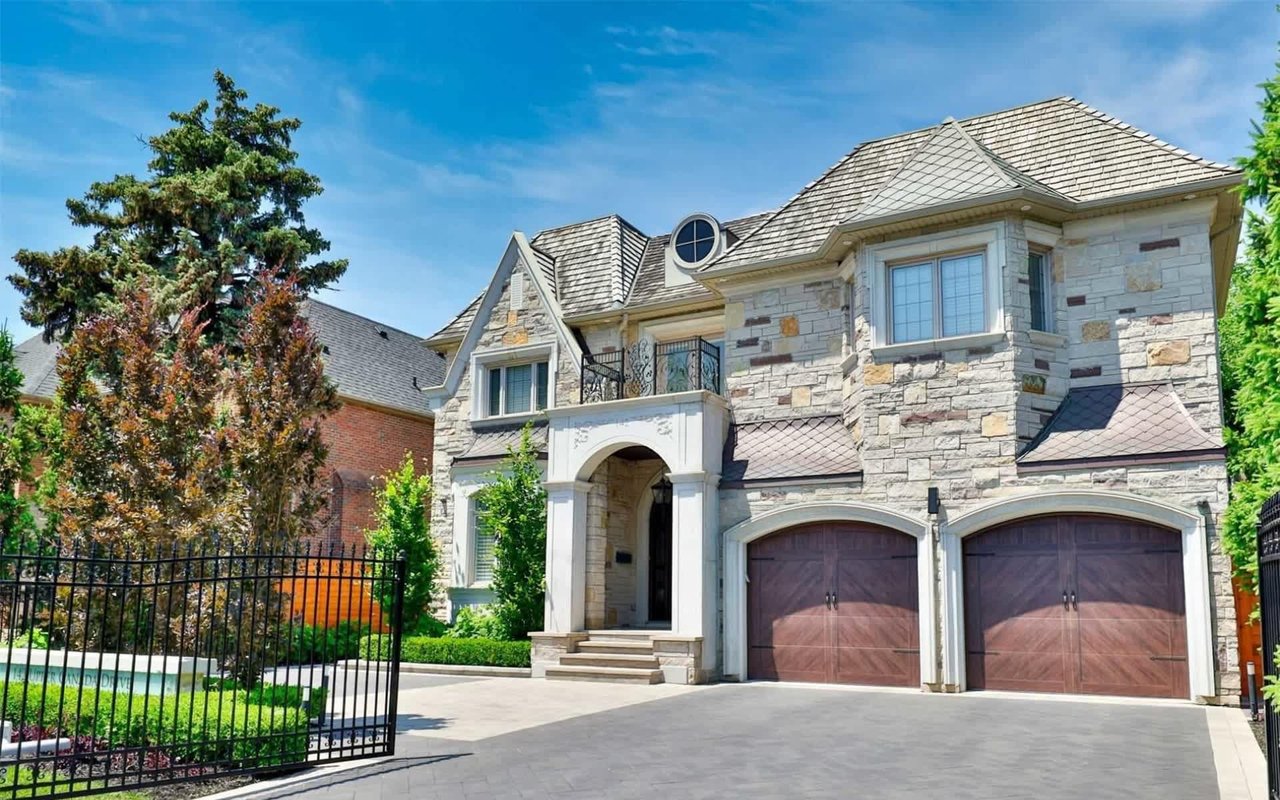
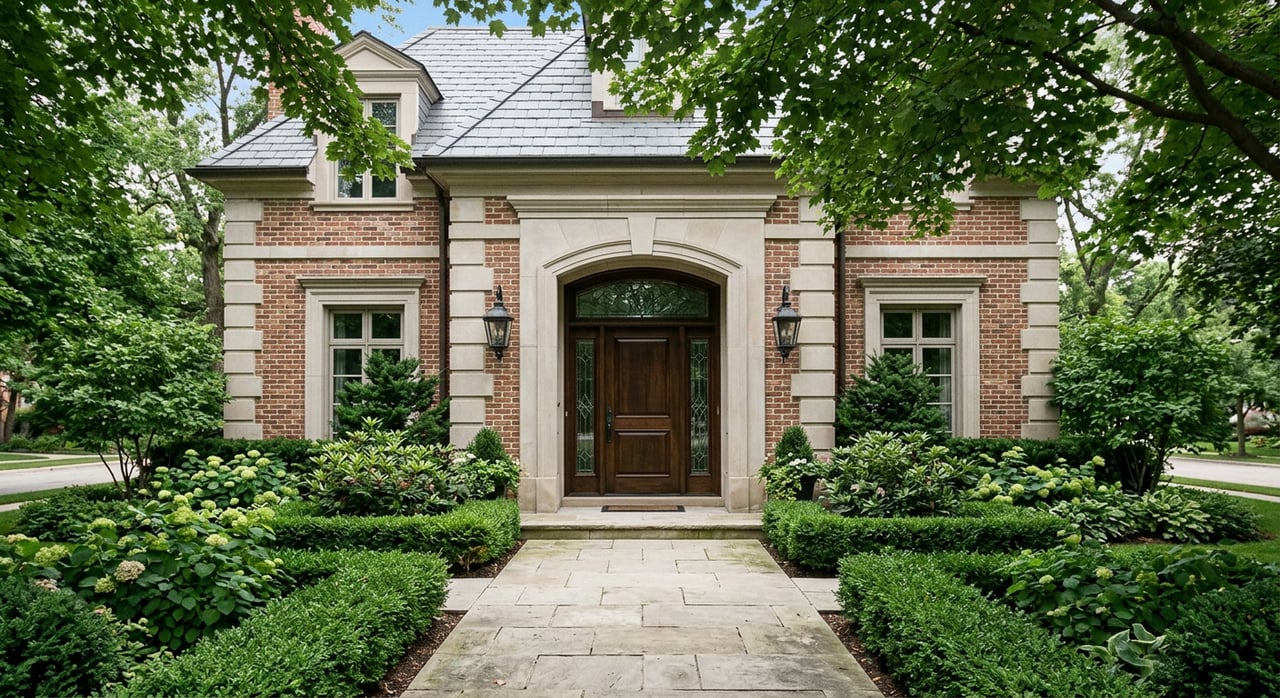
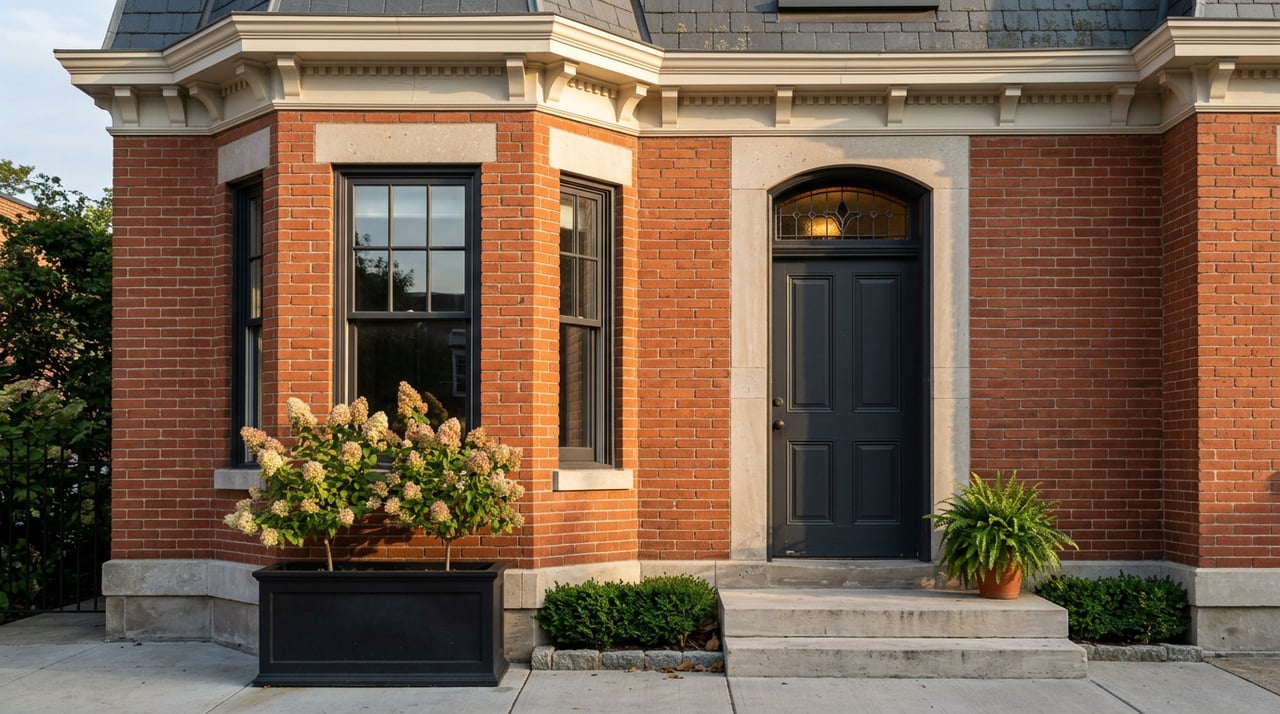
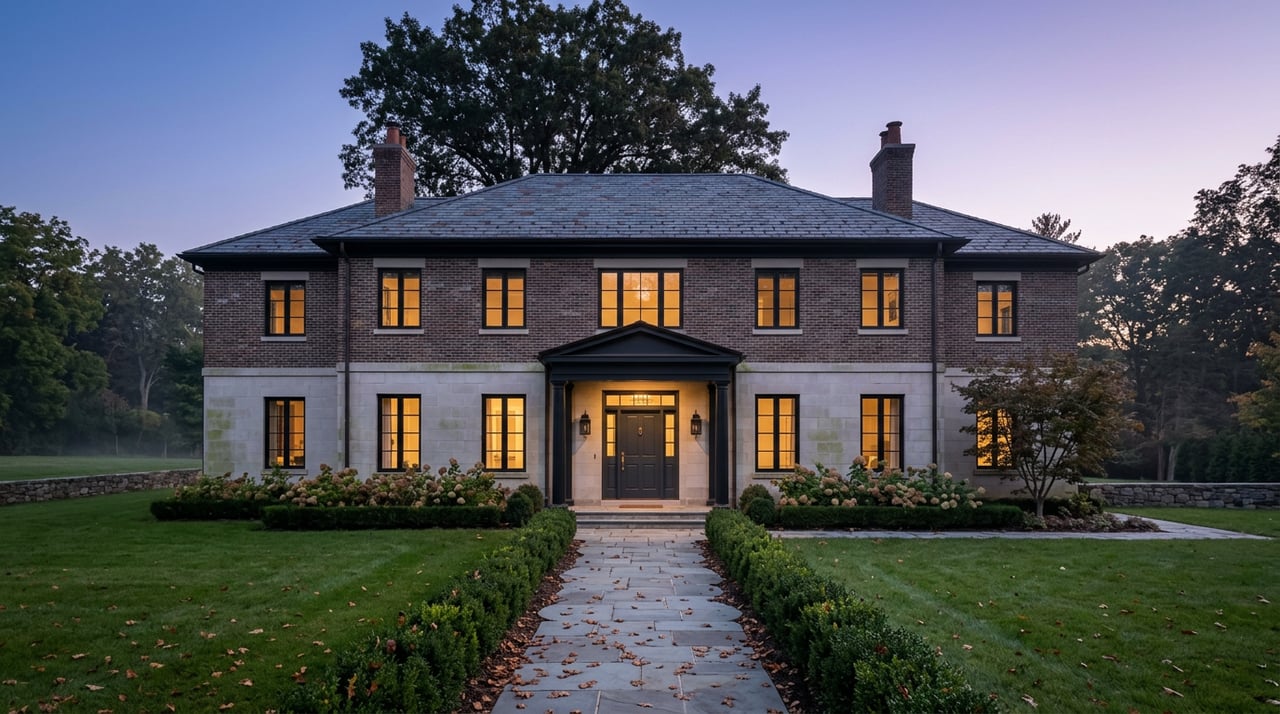
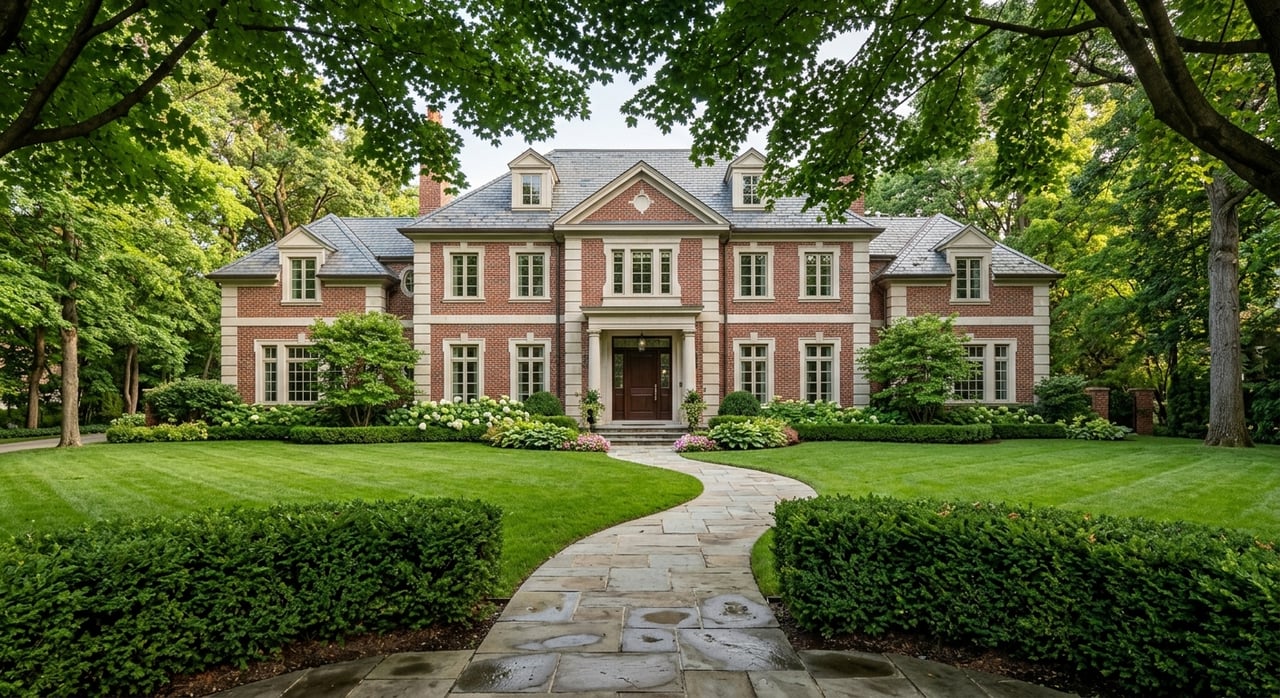
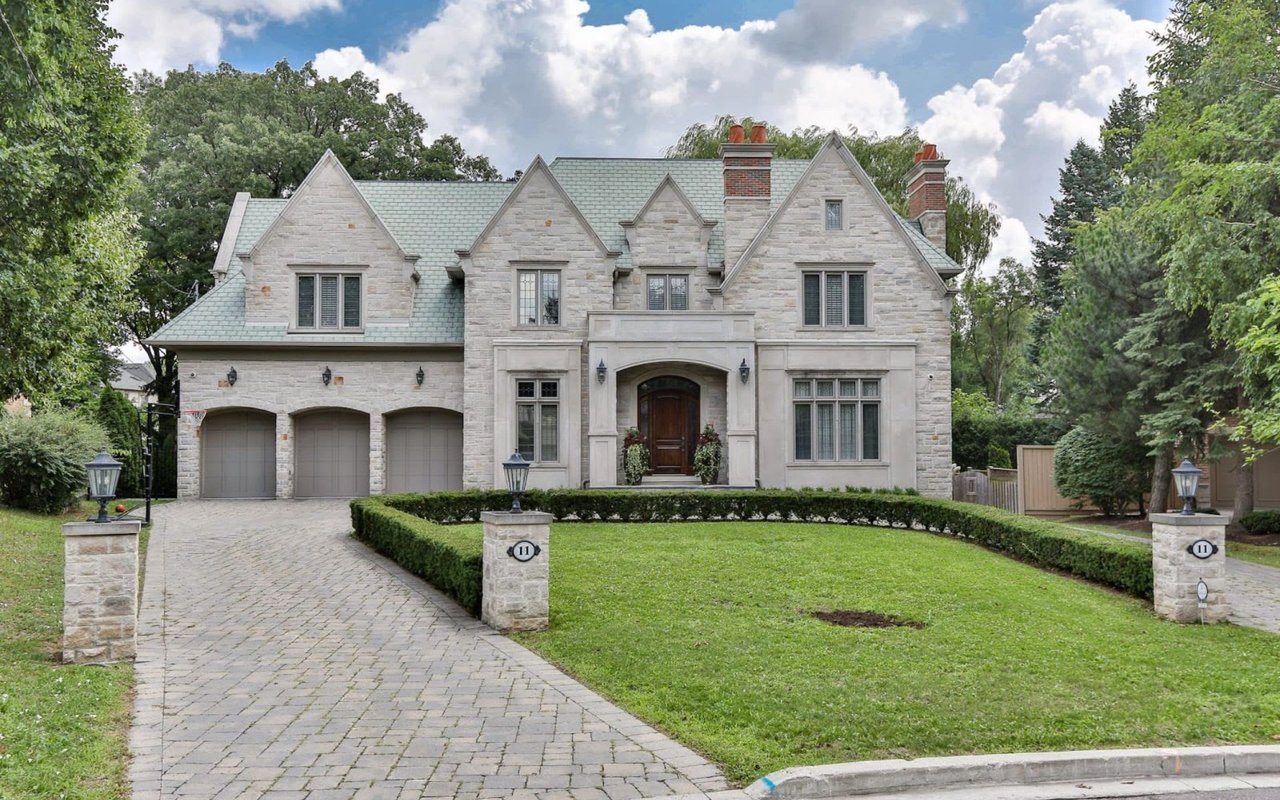
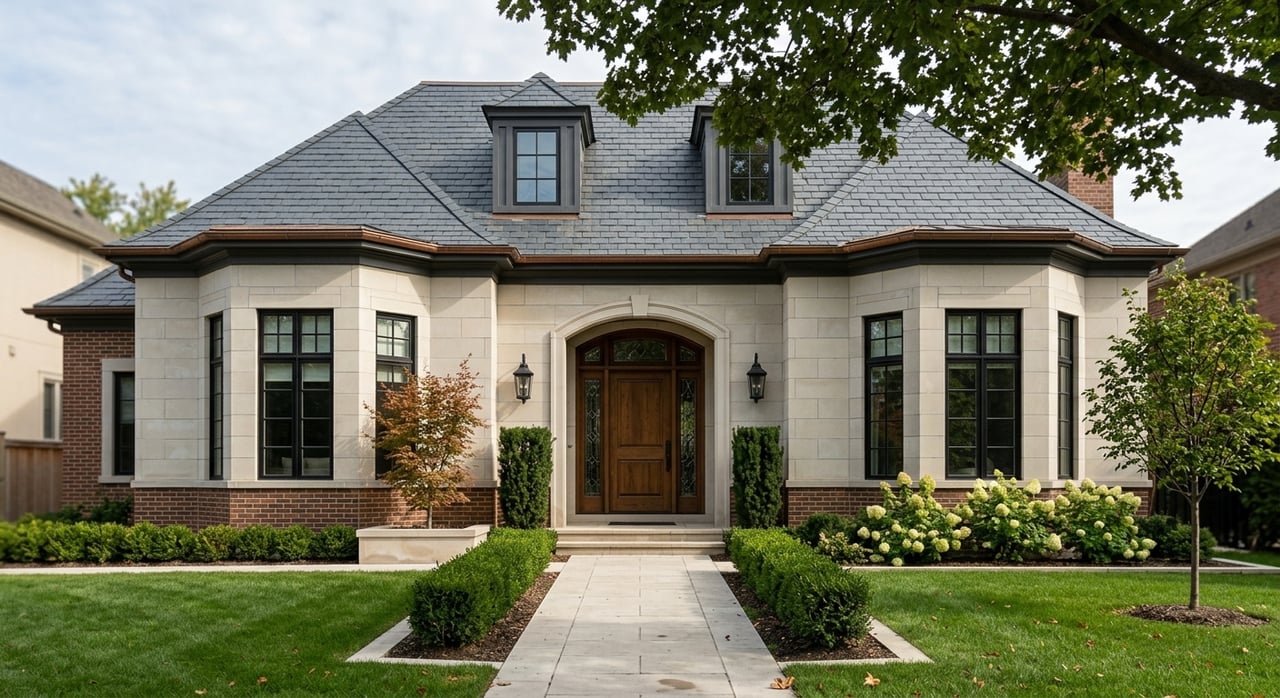
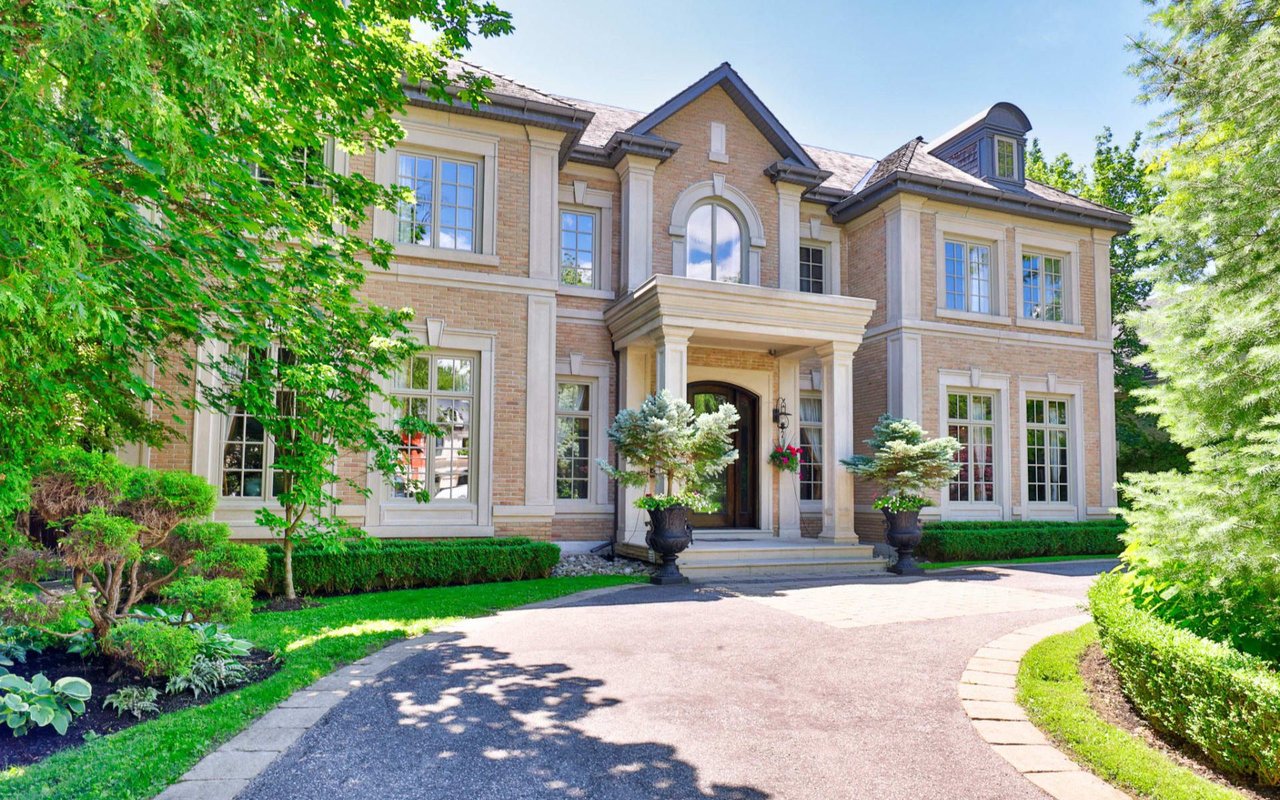
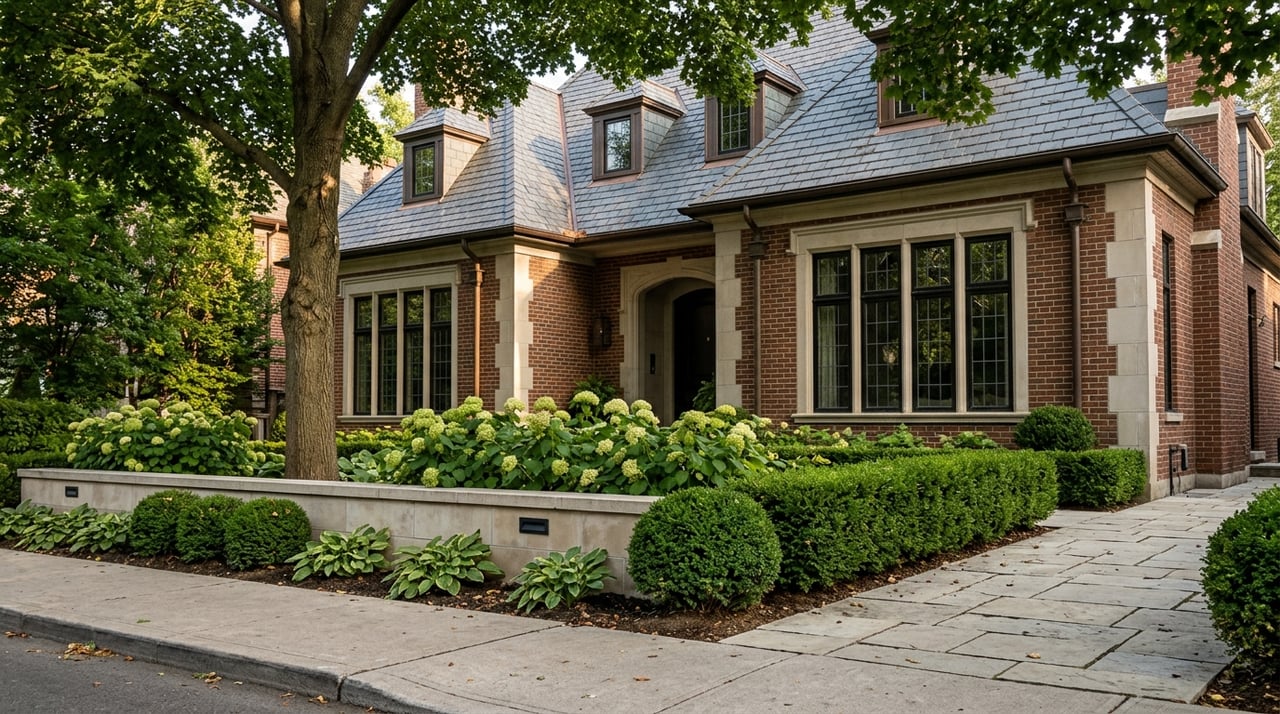
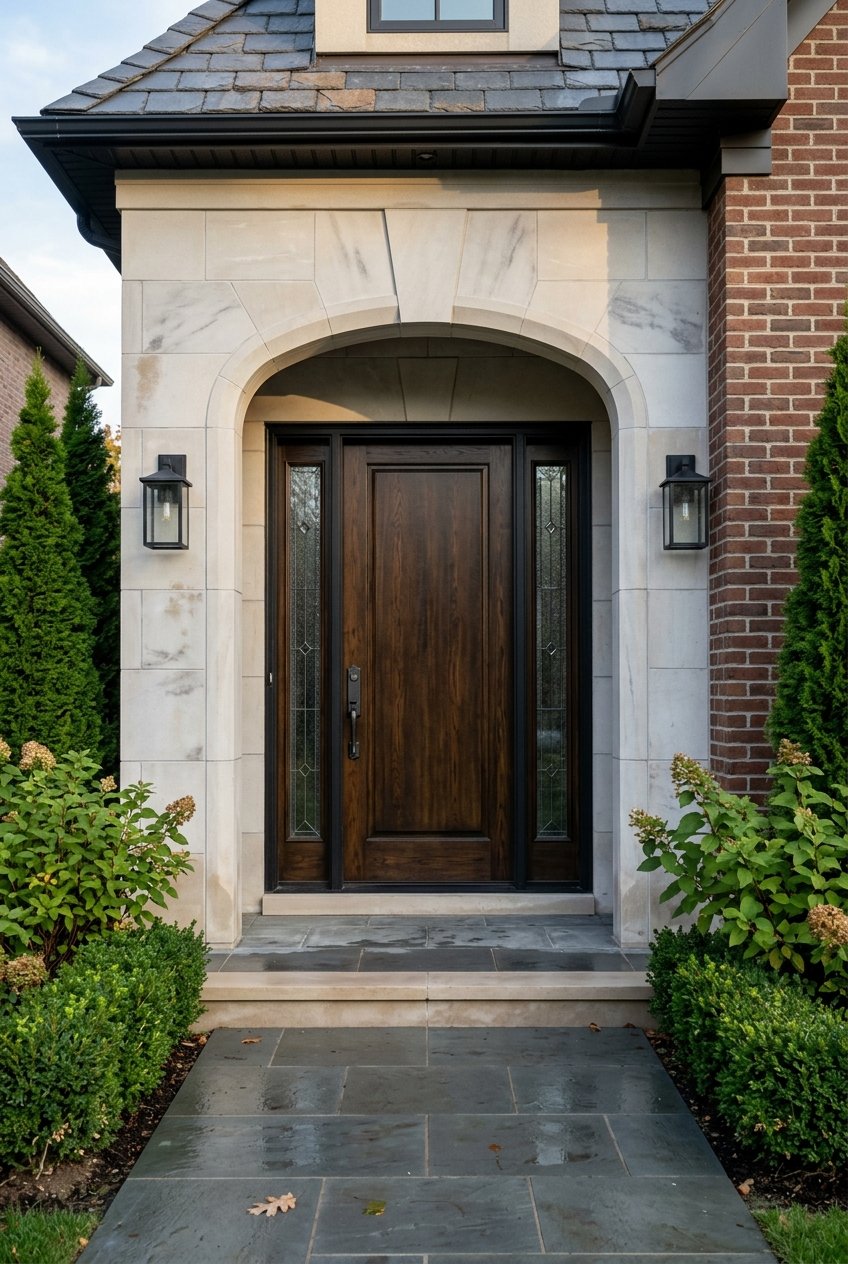
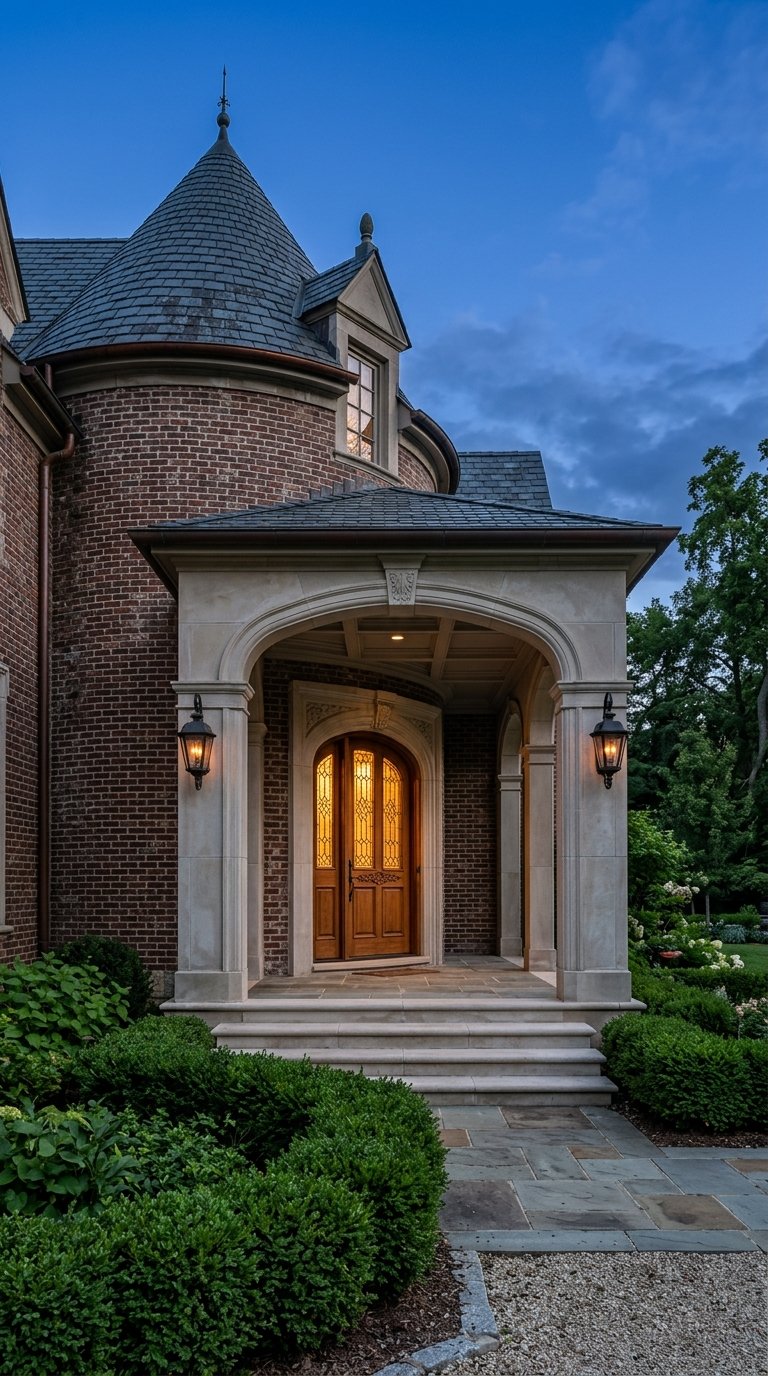
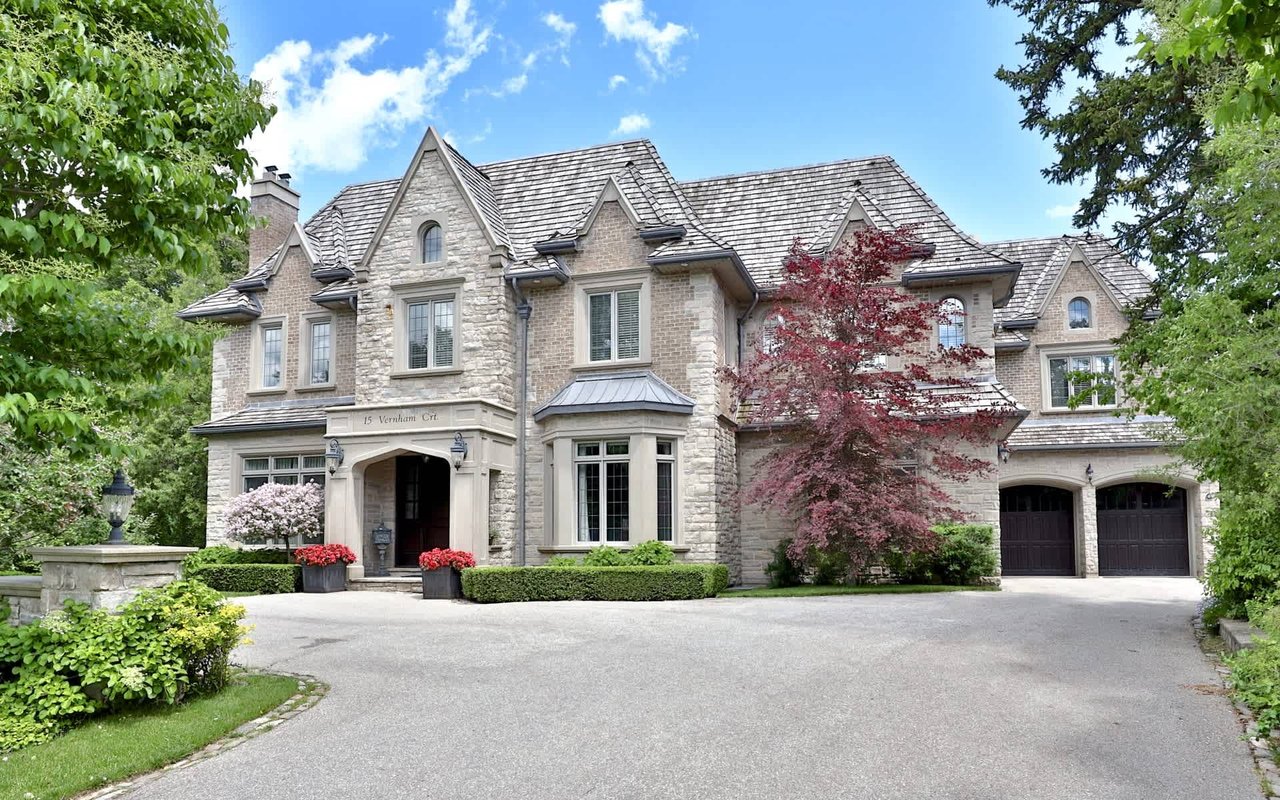
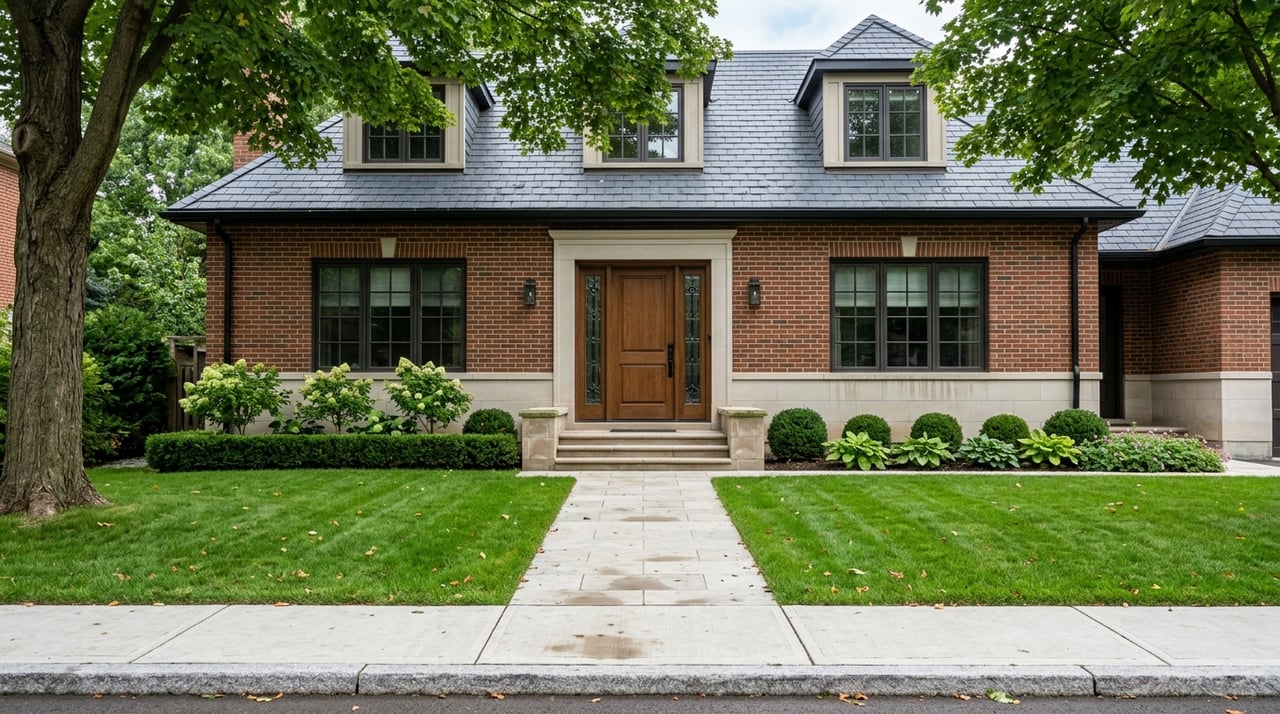
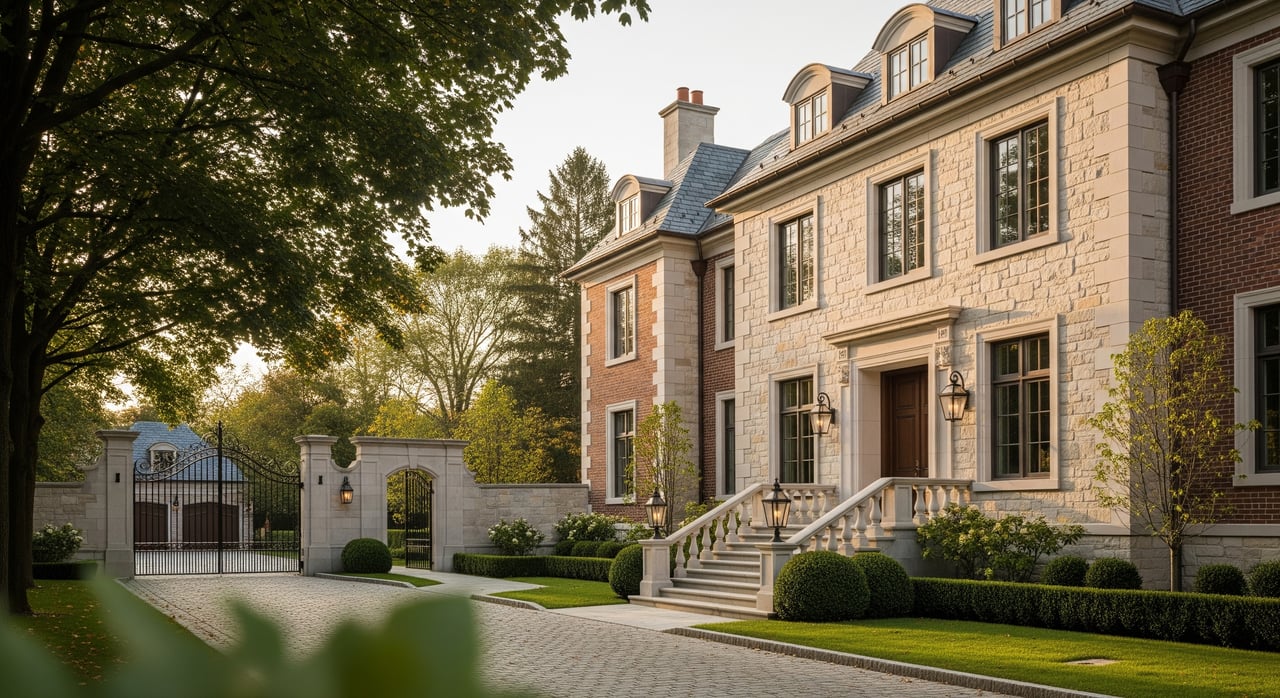
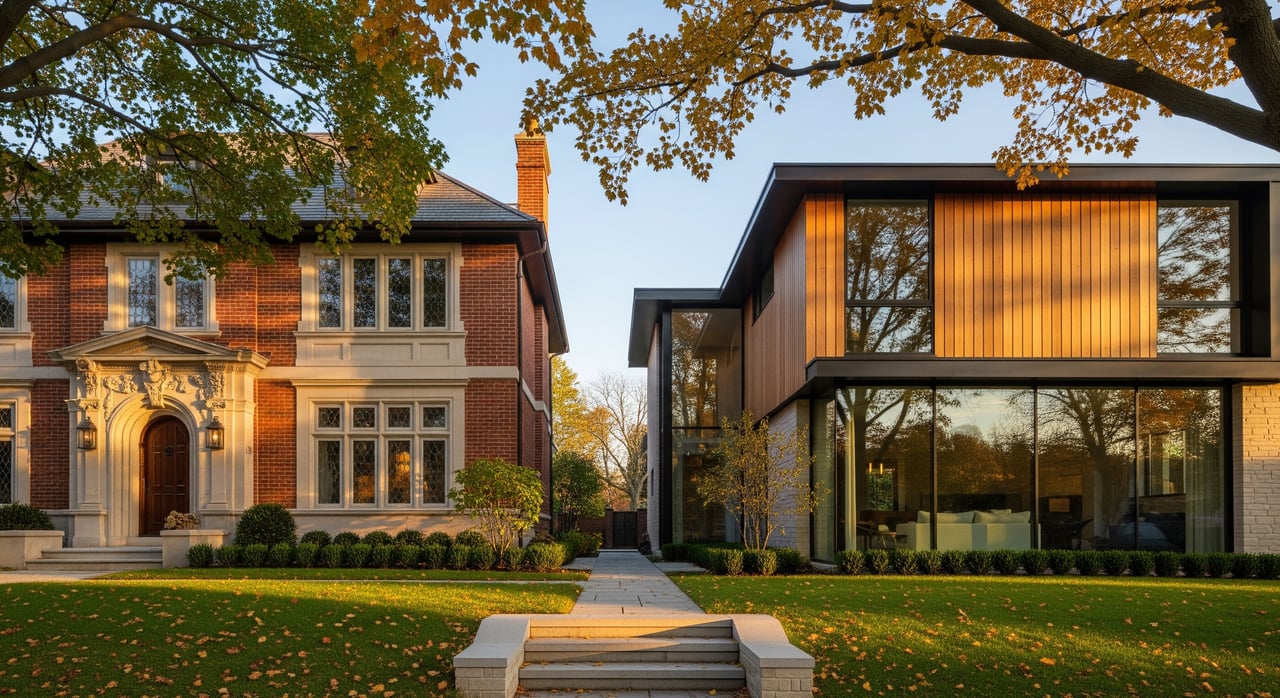
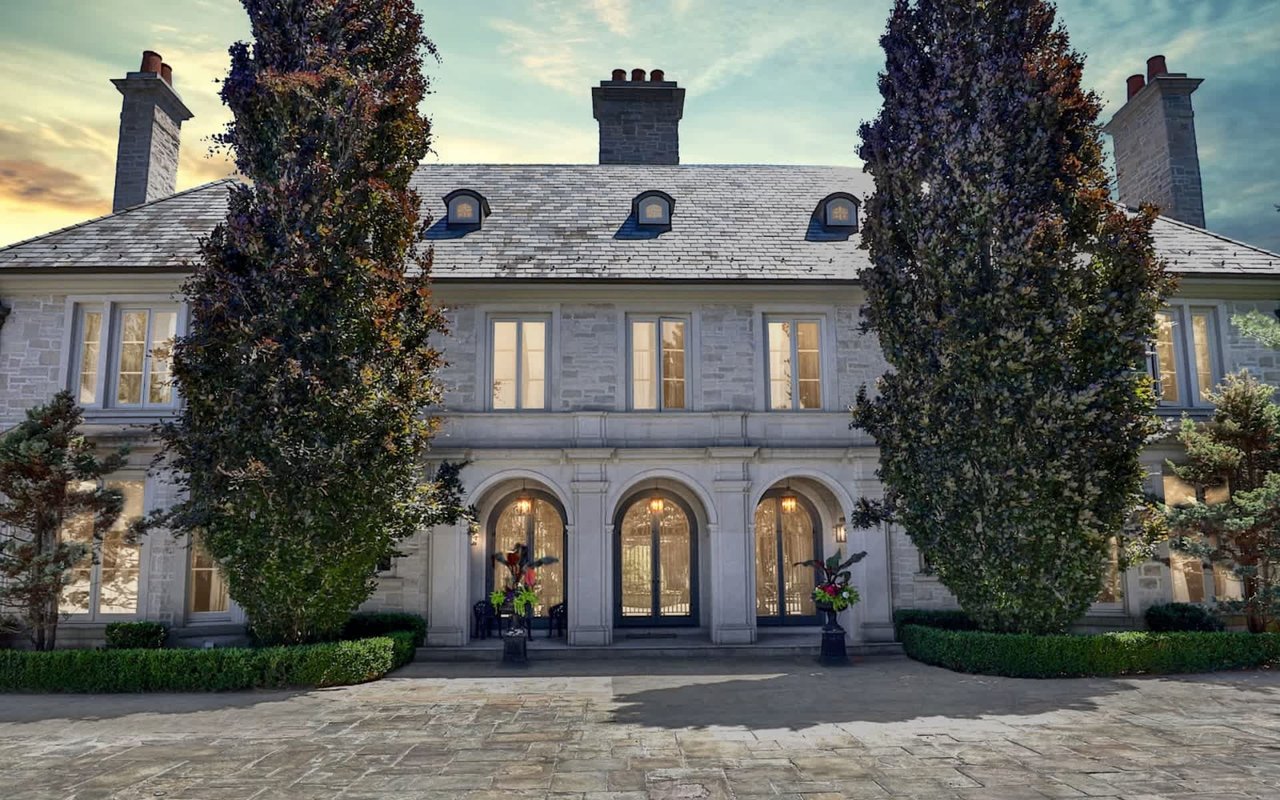
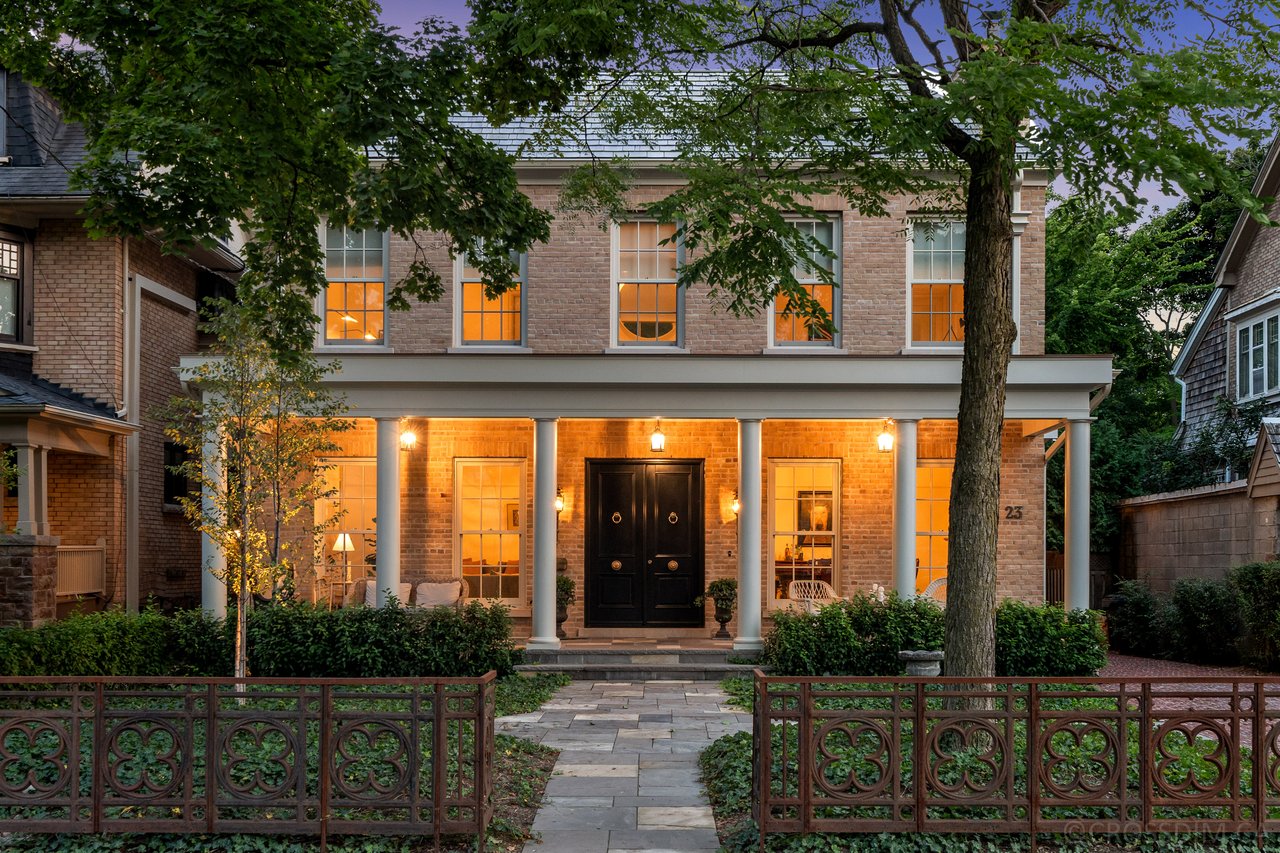
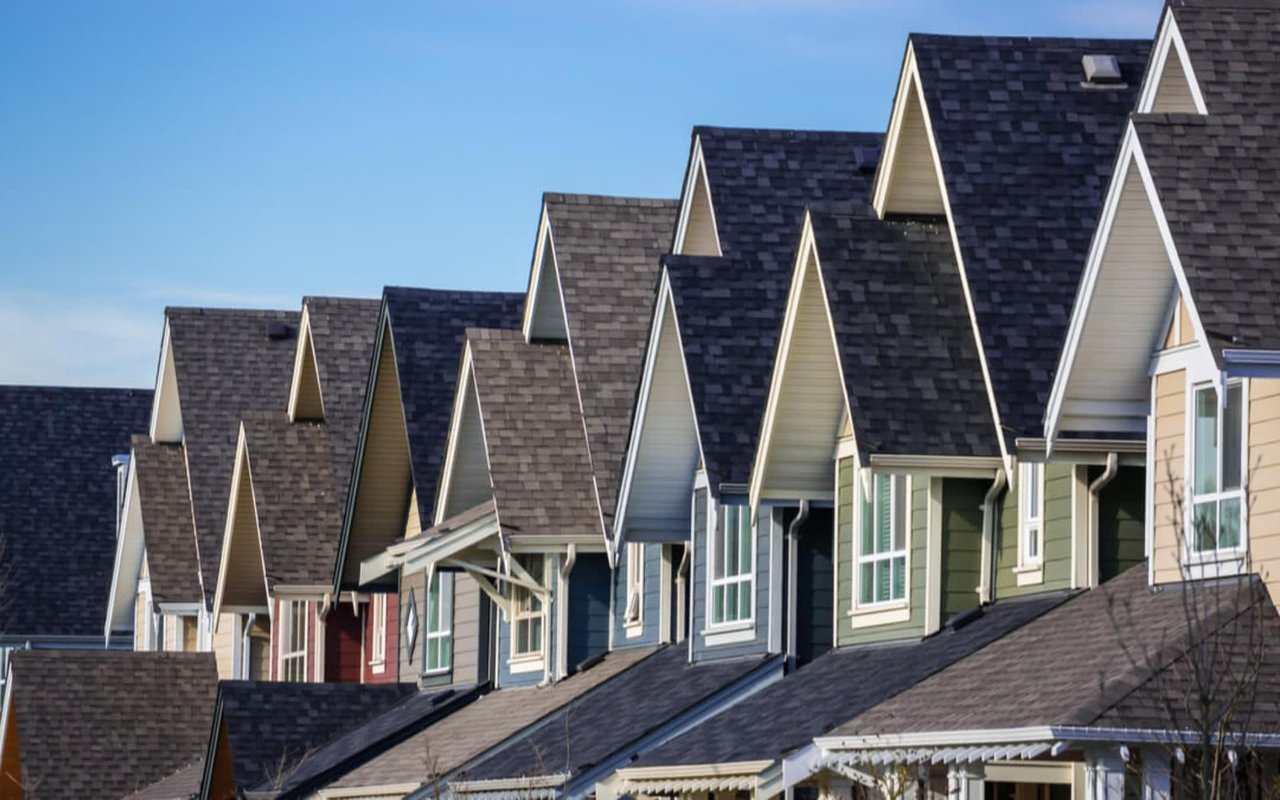
Before you plan a new kitchen or addition, take stock of the home’s character-defining features. In Lytton Park, the most important elements are often the street-facing massing, rooflines, masonry, porches, chimneys, trim, and window patterns. These are the features that shape first impressions from the curb.
Thoughtful renovation starts with identifying what should be preserved, repaired, or carefully upgraded. In many classic homes, the front elevation carries much of the architectural value. When that street presence remains intact, the house can feel authentic even after major functional improvements inside.
Focus on the Front Façade
The front of the home usually deserves the greatest restraint. If you alter proportions, simplify detailing, or swap traditional materials for generic replacements, the house can lose the quality that made it stand out in the first place. In a neighbourhood with such a strong architectural identity, that loss can affect both enjoyment and resale appeal.
Toronto’s heritage guidance specifically flags items like chimneys, external walls, cladding, windows, doors, porches, roofs, fences, lighting, and vehicle-access treatments as elements that may need review. Even if your property is not designated, these are still the areas where design choices matter most.
Give Original Windows Extra Attention
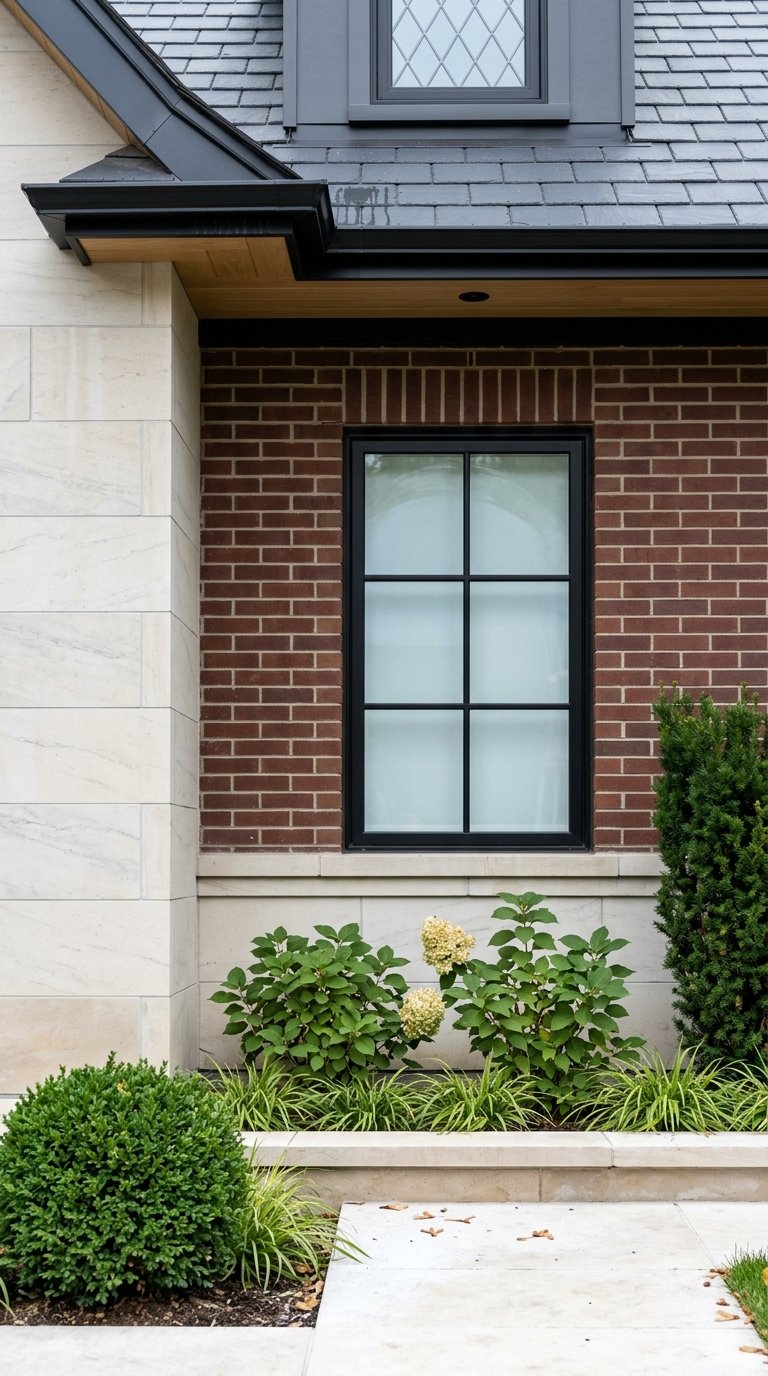
Original wood windows are often one of the most important features in a period home. Parks Canada notes that well-maintained wood windows can last for more than a century and that restoration can be more sustainable over the full lifecycle than replacing them with modern vinyl units. In practical terms, this means repair is often worth serious consideration.
From a design standpoint, original window patterns help hold the façade together. Generic replacements can flatten the exterior and strip away depth and craftsmanship. In Lytton Park, that kind of shortcut can work against the home’s overall presentation.
Where Modernization Usually Works Best
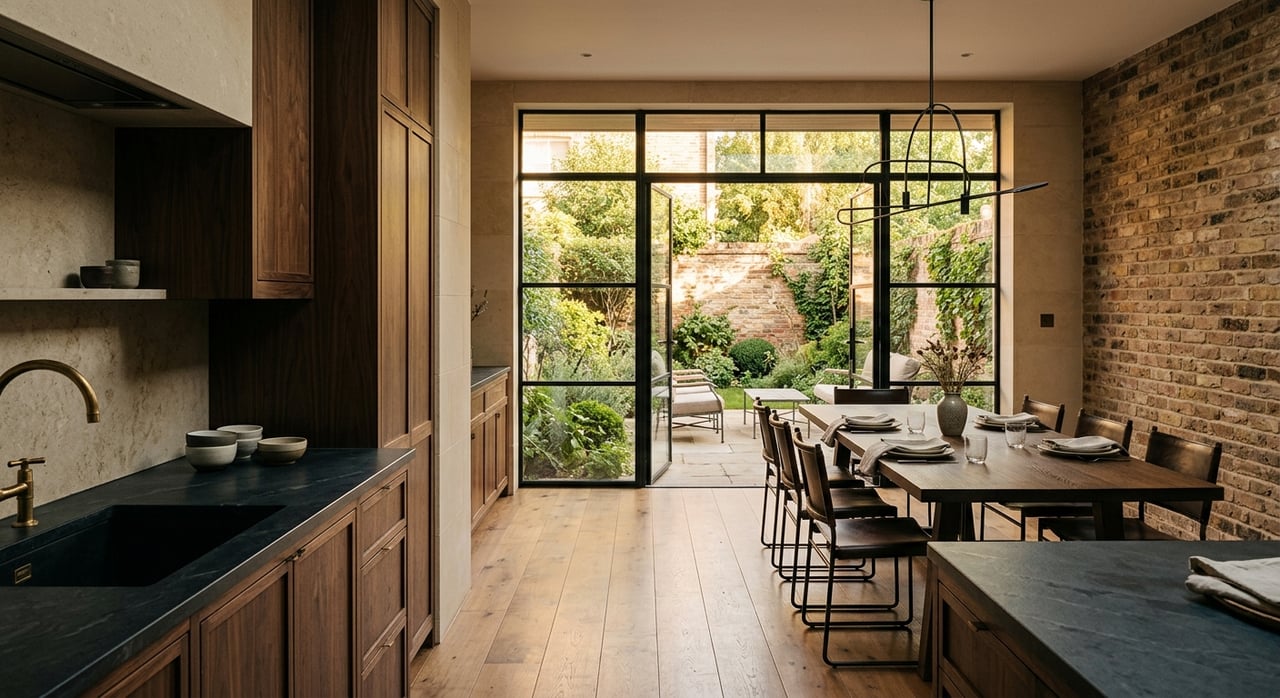
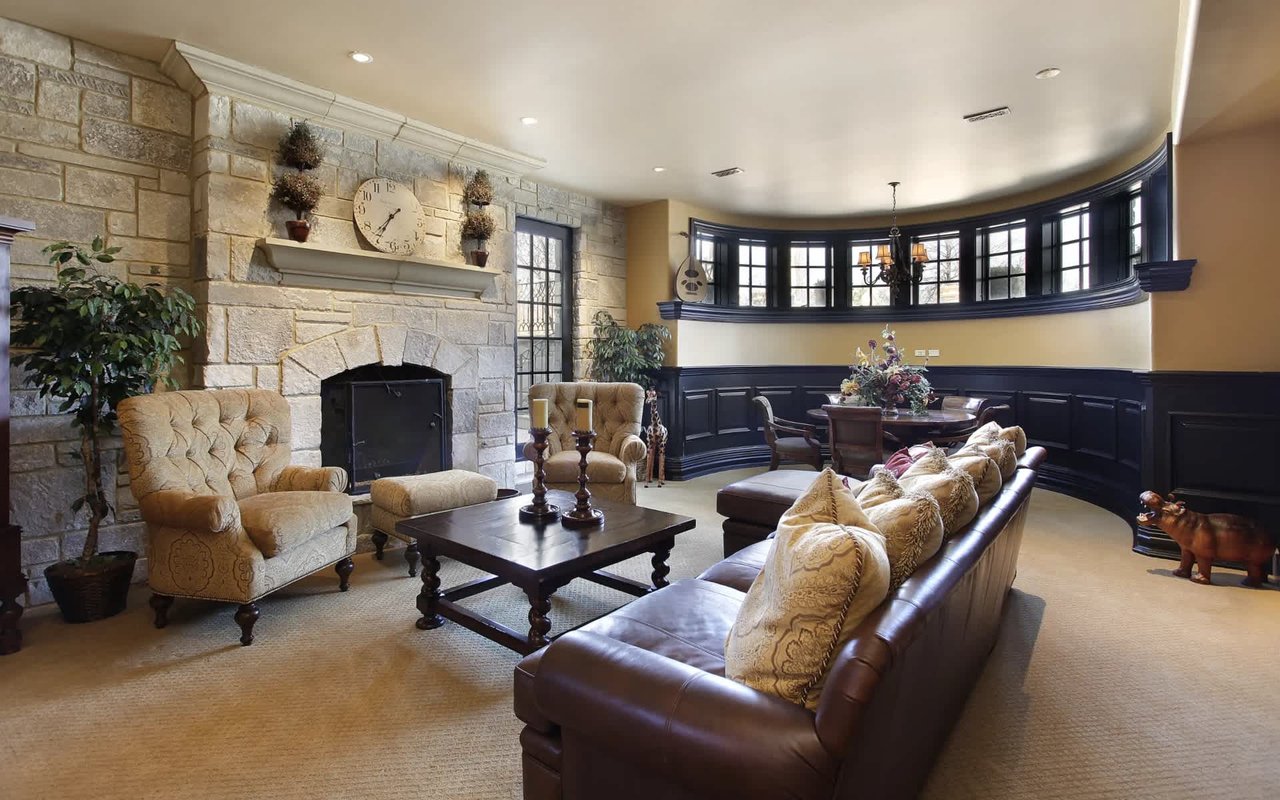
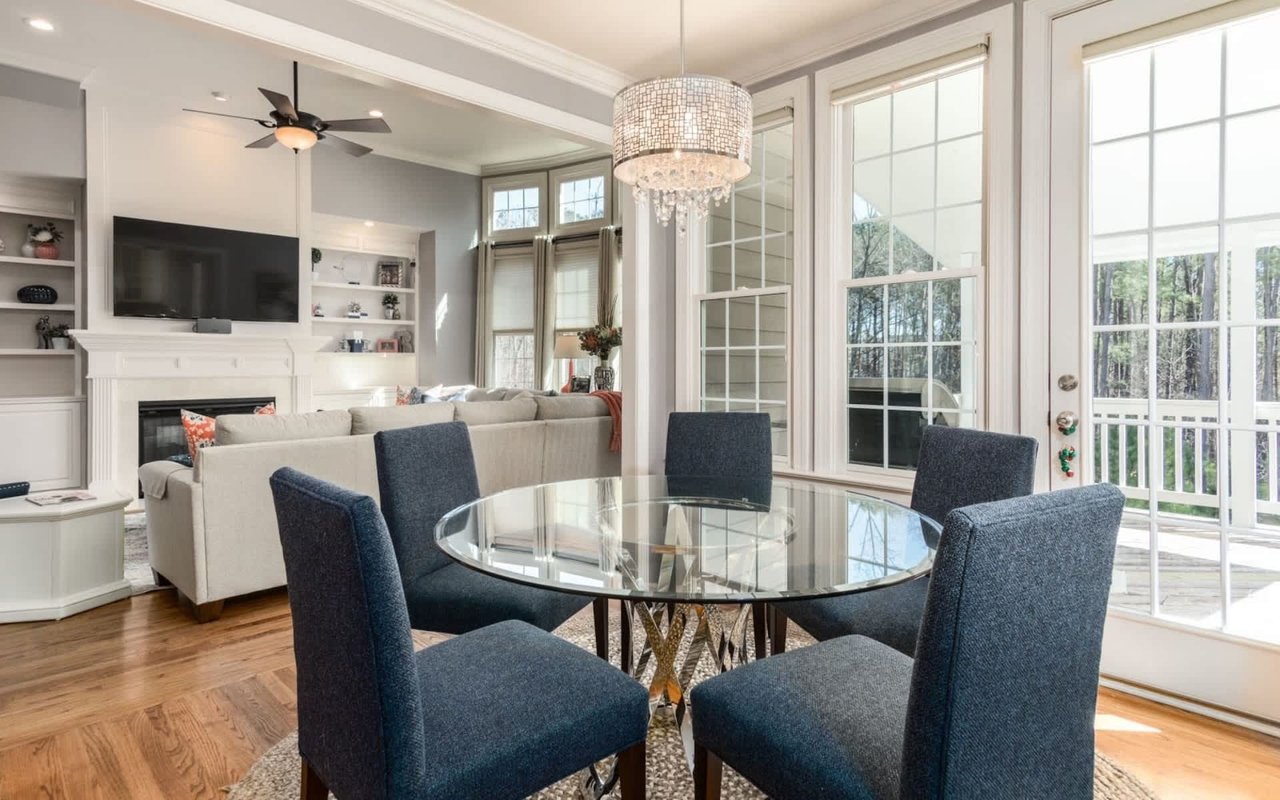
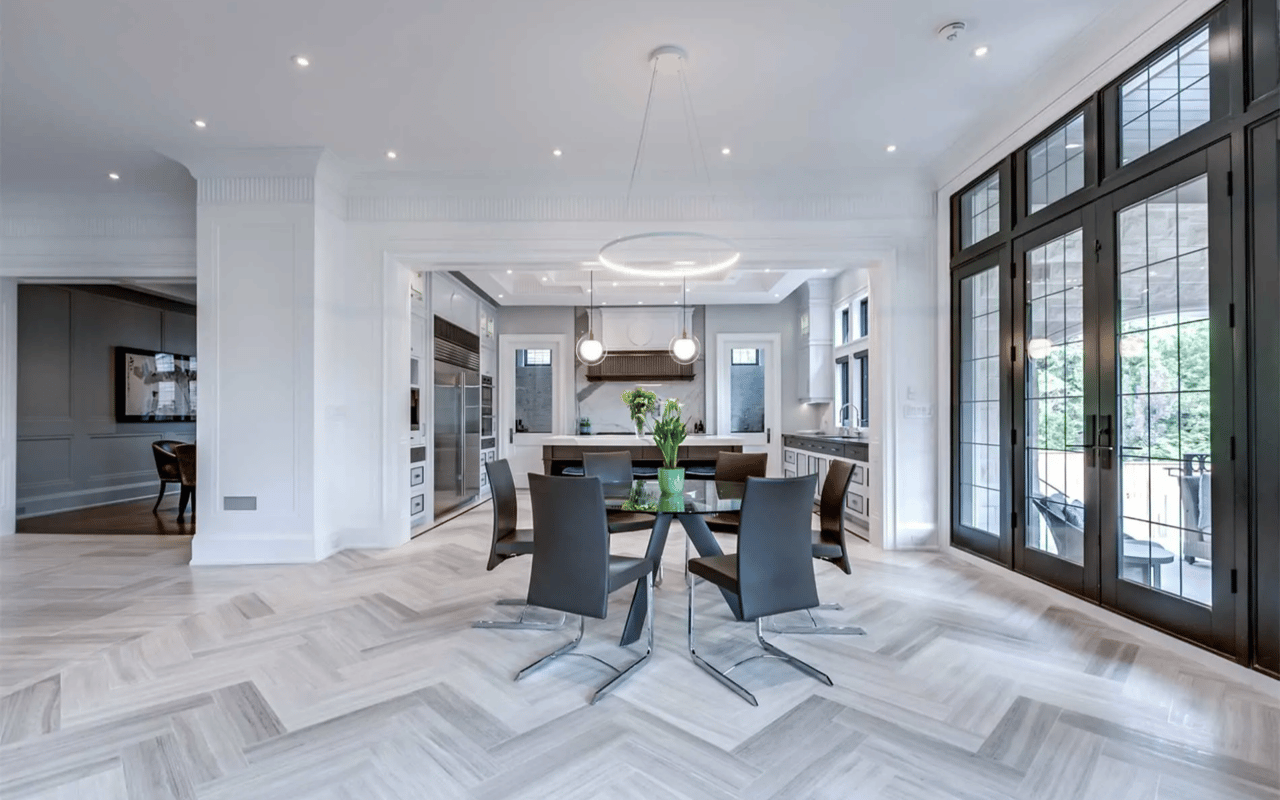
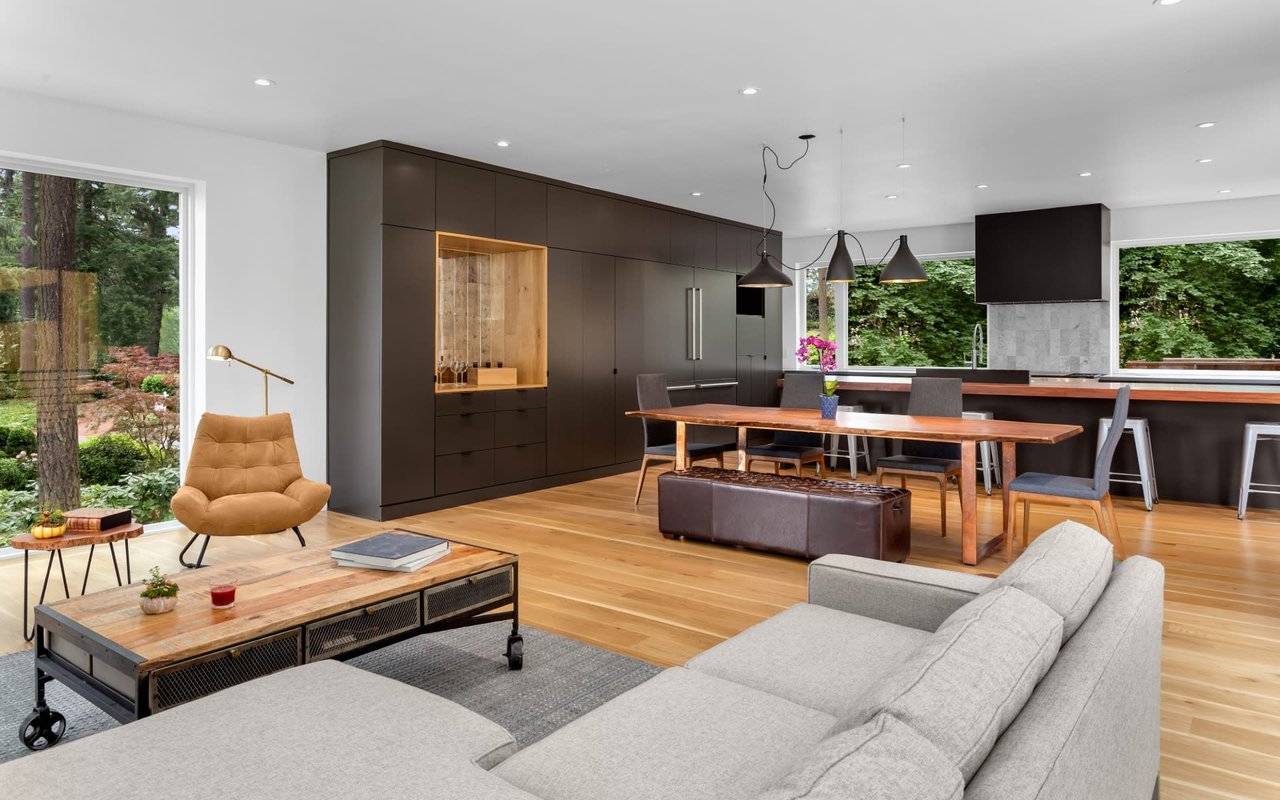
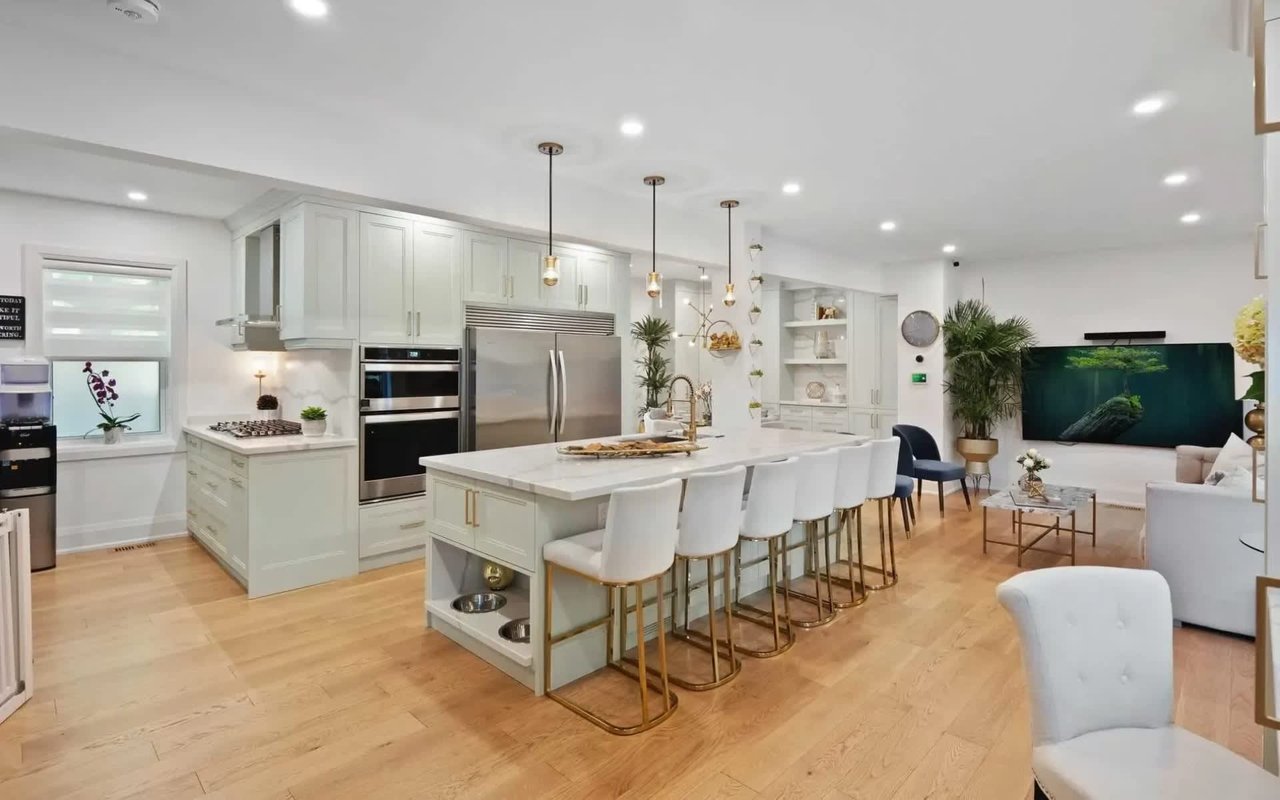
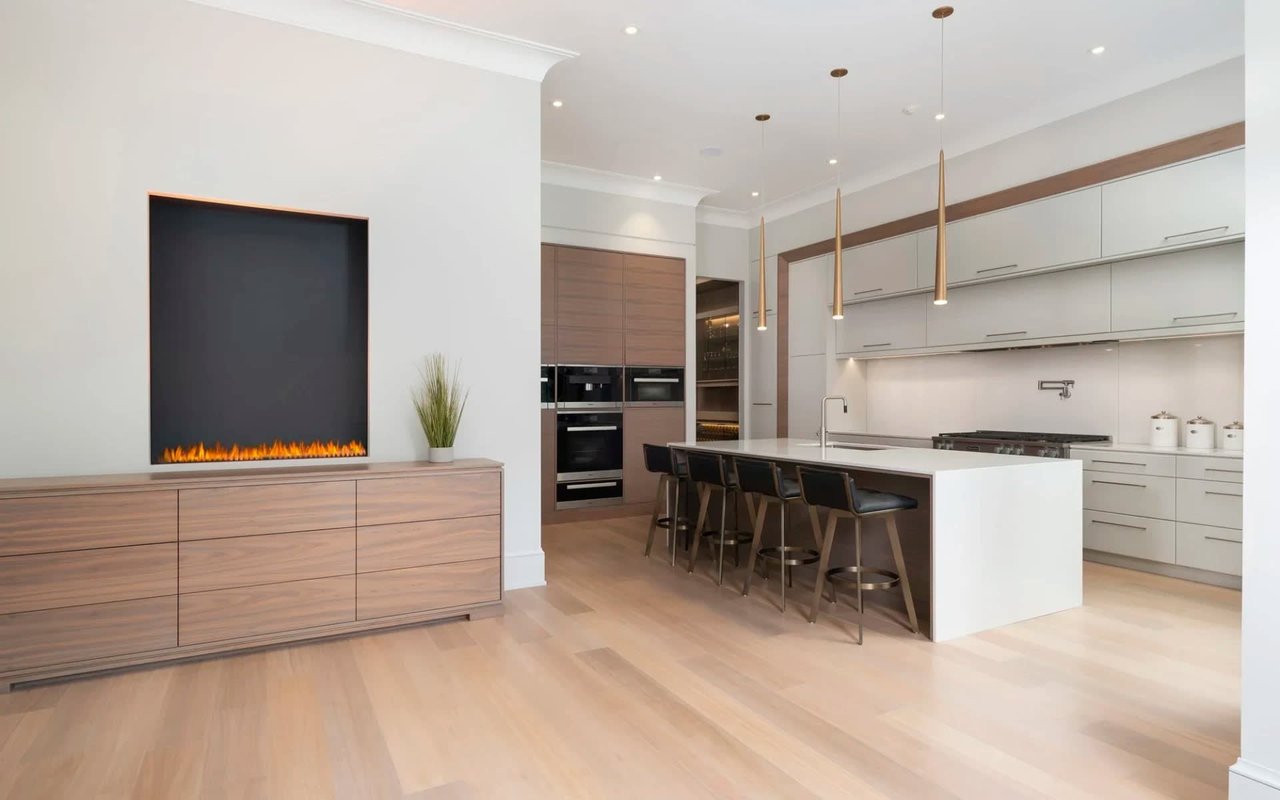
Not every room carries the same architectural weight. In many classic homes, spaces like kitchens, rear family rooms, storage areas, and service zones offer more flexibility for change. That makes them the best places to add modern convenience without compromising the home’s identity.
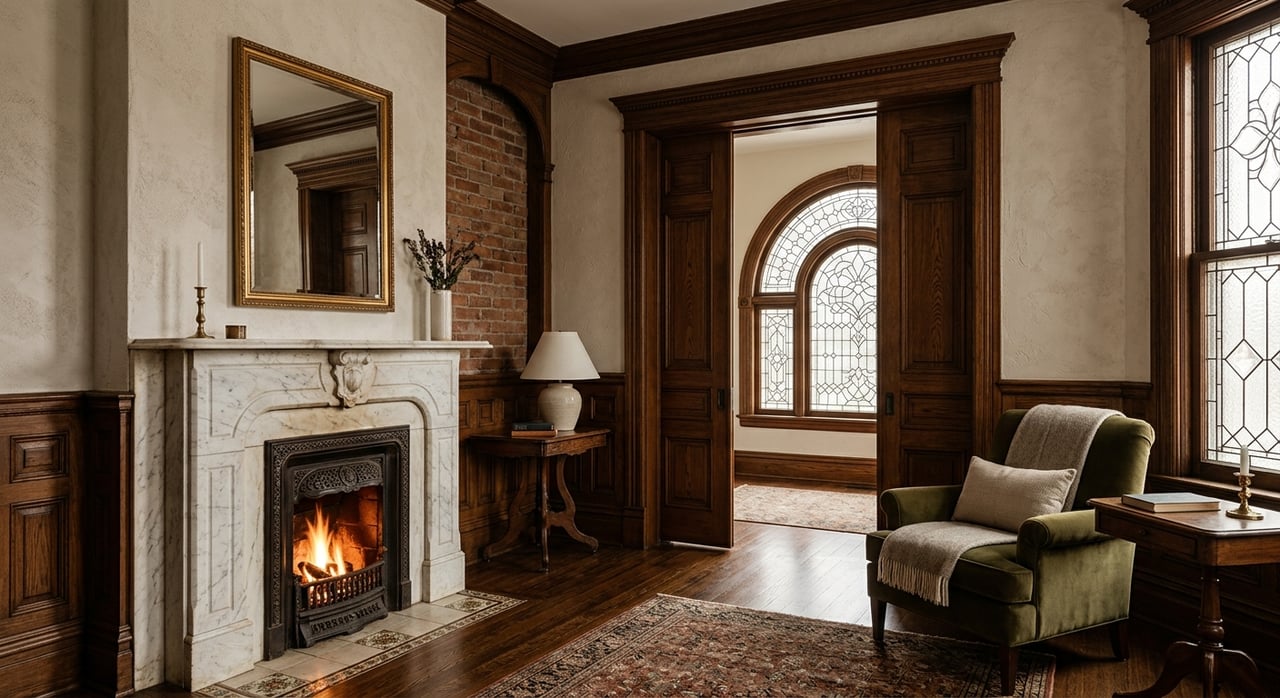
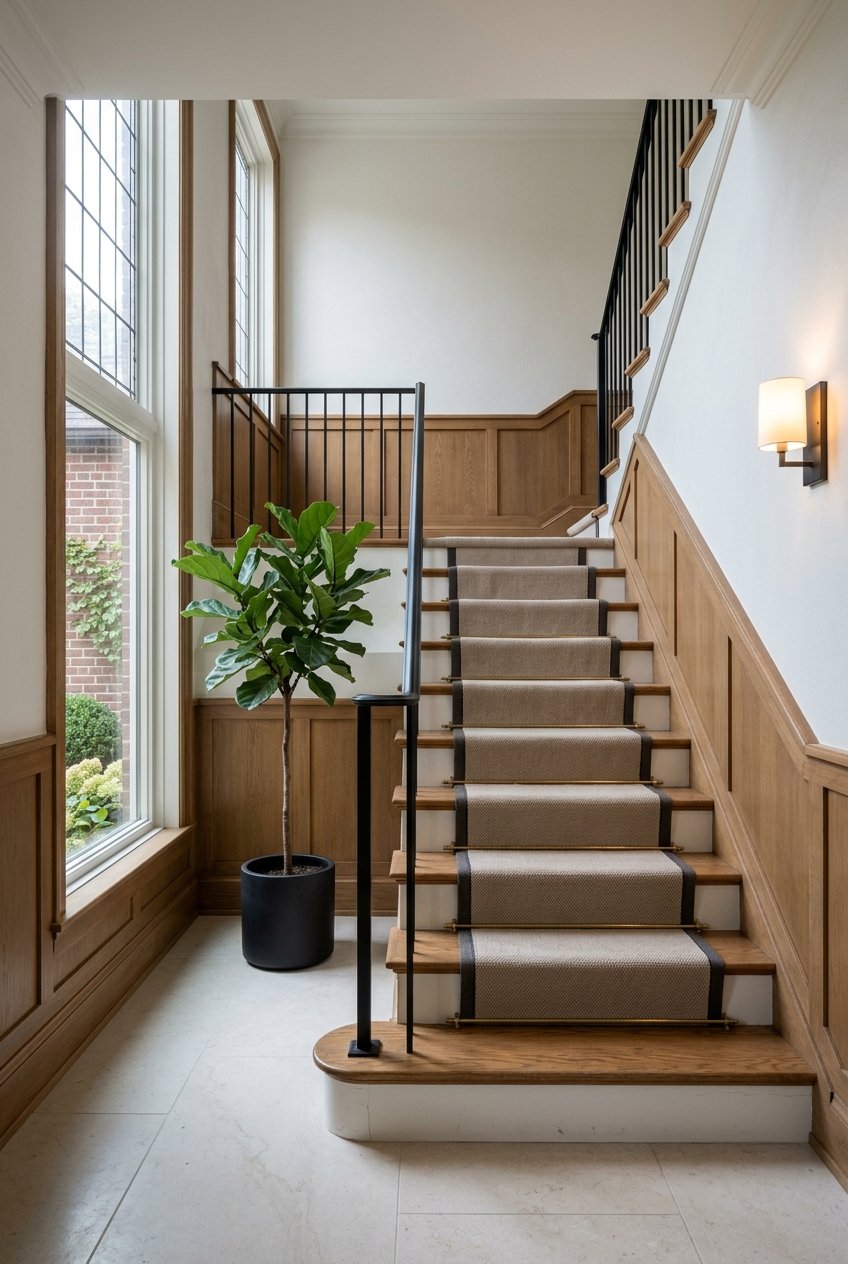
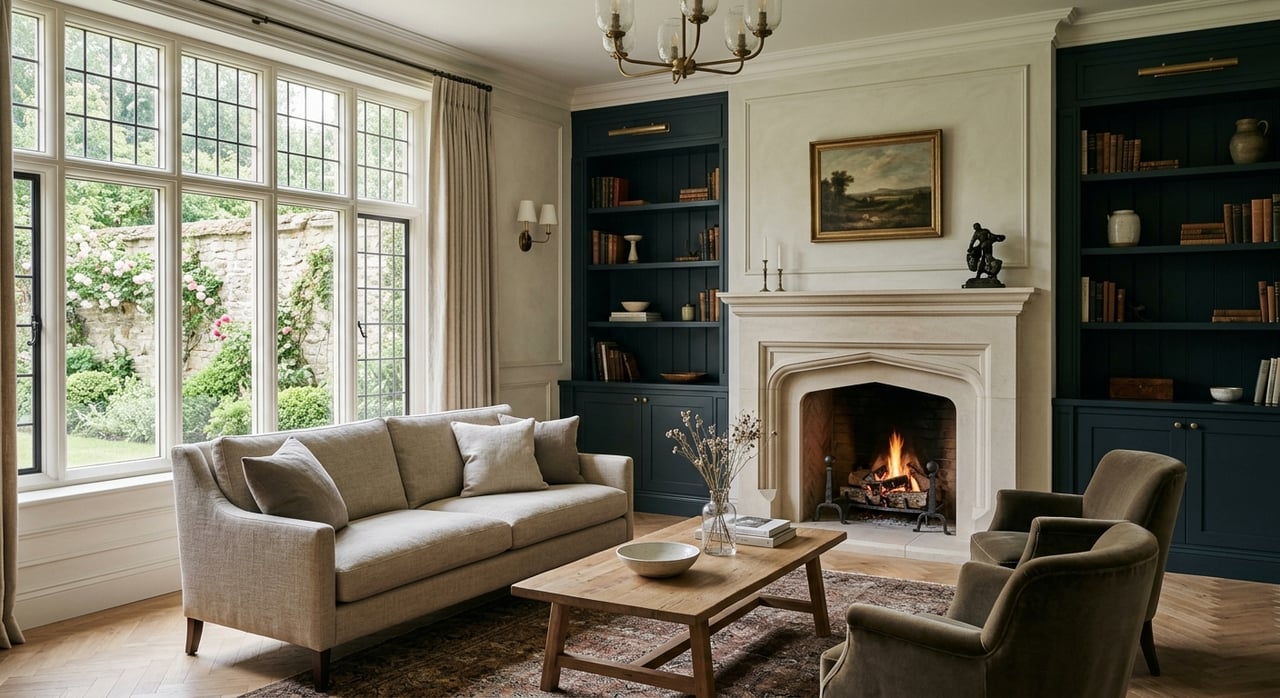
This is where thoughtful planning can have the biggest payoff. You can improve how the house lives day to day while keeping principal rooms, original stairs, fireplaces, or millwork more intact.
Smart Interior Updates to Prioritize
If your goal is to make a Lytton Park home more functional and marketable, focus on updates that improve daily life in a clear, useful way:
- A well-proportioned kitchen that feels connected to the rest of the house
- Refreshed bathrooms with durable, timeless finishes
- Better storage where older homes often fall short
- A usable rear entry or mudroom
- Comfort and efficiency improvements
- A carefully integrated primary suite or rear addition
These types of projects tend to respect the spirit of the home while addressing how people live now. The key is balance, not reinvention.
How to Approach an Addition
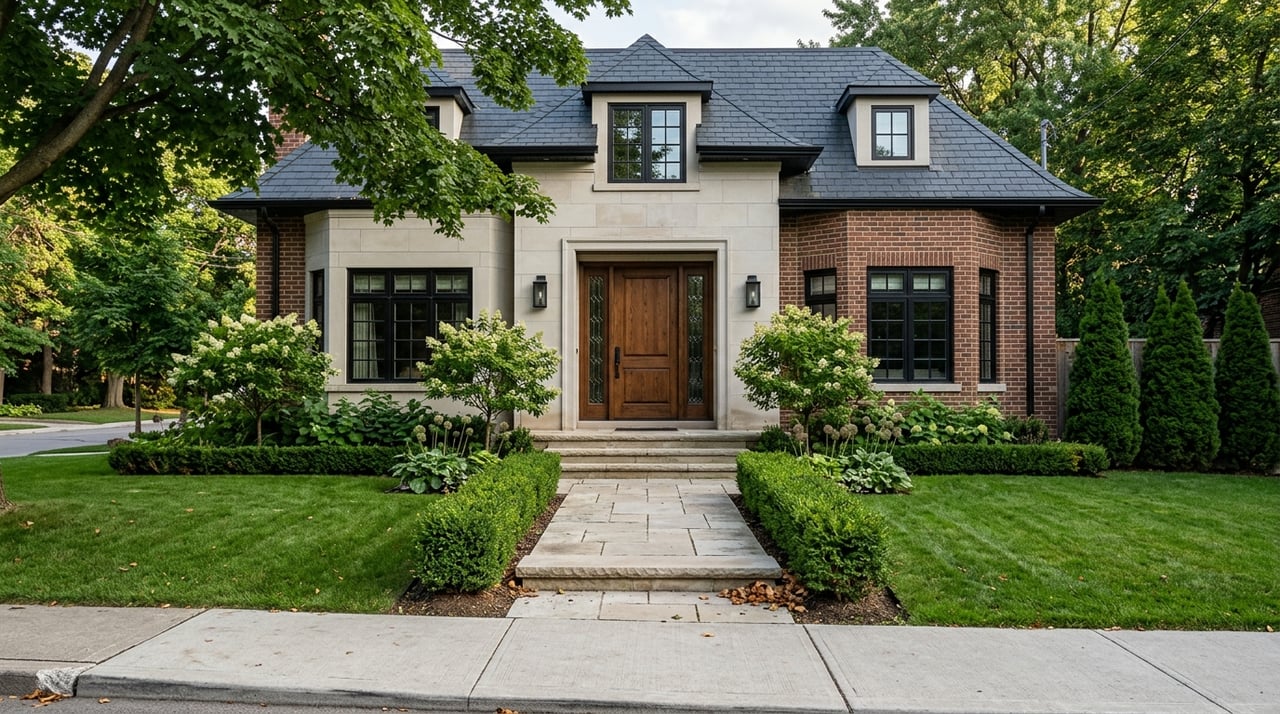
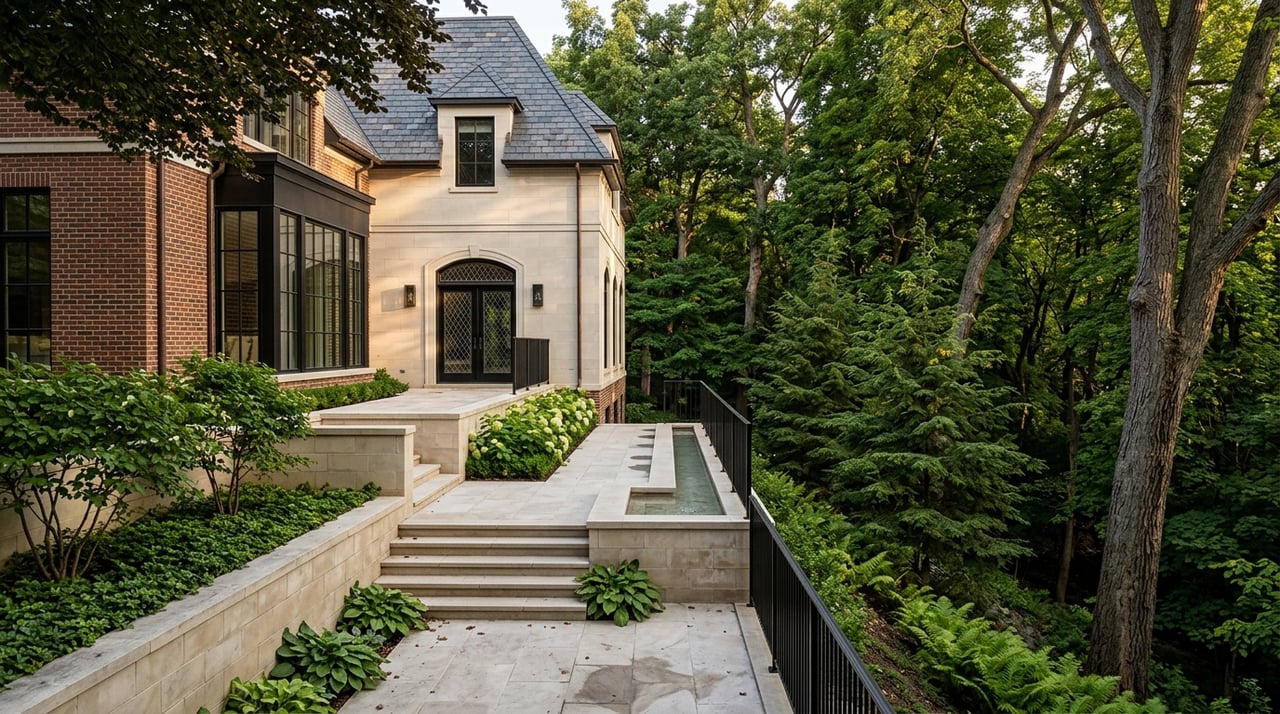
Additions can work beautifully in Lytton Park when they stay secondary to the original structure. Toronto and Parks Canada both support new work that is physically and visually compatible with the historic house while still distinguishable on close inspection. In simple terms, the addition should support the original home, not compete with it.
That usually means keeping new construction subordinate to the original form, especially from the street. Rear additions are often easier to integrate than front-facing changes because they preserve the primary view of the house.
Signs an Addition May Be Too Aggressive
Some renovation ideas can undermine the very qualities that make these homes desirable. Oversized additions visible from the street are one of the clearest examples. When new work dominates the original roofline, façade, or proportions, the house can stop reading as a period home.
Other red flags include removing too many original details at once or using materials that feel disconnected from the rest of the property. In Lytton Park, buyers often respond best to homes that still feel rooted in their architectural era, even when the interiors are thoroughly updated.
Understand Toronto’s Approval Process Early
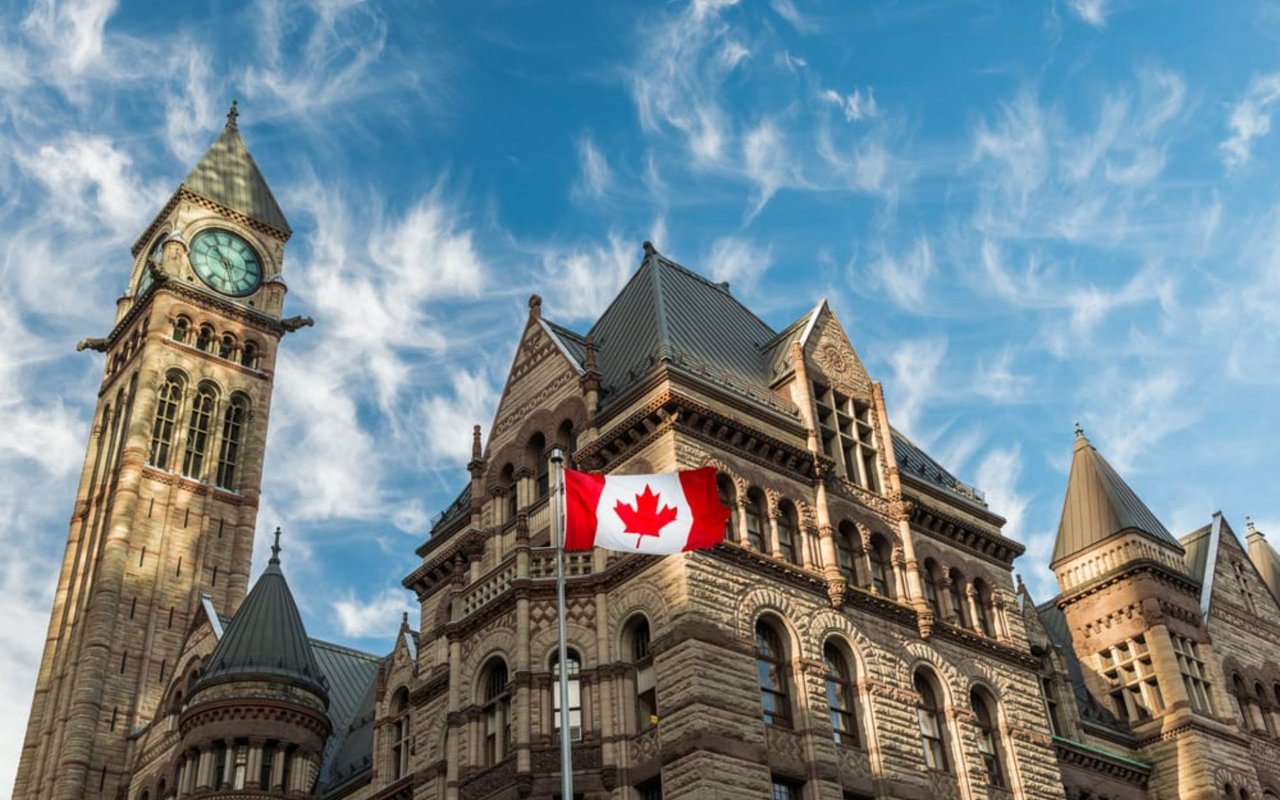
One of the most important renovation steps happens before drawings are finalized. You should first confirm whether the property is listed or designated on the City of Toronto Heritage Register. That status affects what approvals may be required.
If a property is designated, a heritage permit is required before changes. If it is listed, a heritage permit is generally not required for alterations, but owners must give at least 60 days’ written notice before removing or demolishing a building or structure on the property.
Building Permits and Heritage Review
Additions and material alterations may also trigger building permit review under the Building Code Act. Plans must comply with the Ontario Building Code, zoning by-laws, and other applicable laws. For larger projects involving heritage properties, the City may also require a Heritage Impact Assessment.
This is one reason experienced planning matters. The more complex the home and the more sensitive the architecture, the more valuable it is to have a team that understands the process from the start.
Documentation Matters
Toronto’s heritage permit process expects recent photos and detailed drawings showing both existing and proposed conditions. Materials, colors, dimensions, and the exact elements being changed should all be clearly documented. Strong documentation can help reduce revisions and keep a project moving more efficiently.
For homeowners, this is not just a paperwork issue. Good documentation often leads to better design decisions because it forces the team to think carefully about what is being preserved, what is being altered, and why.
A Potential Funding Opportunity
If your home is a designated heritage property, you may also want to explore whether you qualify for Toronto’s Heritage Grant Program. The program provides matching funds for eligible conservation work such as masonry, windows, doors, wood detailing, and slate roofs. For some owners, that can help support the cost of preserving original features properly.
Not every project will qualify, but it is worth reviewing early if conservation work is part of your scope. It can shape both budgeting and renovation priorities.
What Thoughtful Renovations Mean for Resale
In Lytton Park, resale value is not just about square footage or finish level. It is also about how convincingly a home retains its architectural integrity. The most marketable updates usually preserve authentic curb appeal while improving function behind the scenes.
That can be a strong advantage when it comes time to sell. Buyers are often drawn to homes that still read as period houses from the street, but offer modern kitchens, better bathrooms, updated systems, and more practical layouts inside.
Renovations That Tend to Support Value
The updates most likely to help resale in this neighbourhood often include:
- Preserved original materials and proportions
- Repaired rather than generic replacement windows
- Refined kitchen and bath upgrades
- Better storage and utility spaces
- Rear additions that stay secondary to the original house
- Improvements to comfort and efficiency that do not disrupt visible character
These choices help the home feel both elevated and credible. In a neighbourhood like Lytton Park, credibility matters.
Renovations That Can Hurt Appeal
Some changes can narrow buyer interest instead of broadening it. Generic replacement windows, oversized visible additions, and interiors stripped of too many original details can all weaken the home’s appeal. They can also make a classic property feel less connected to its setting.
That is why thoughtful renovation is often the best strategy, not just the safest one. When you preserve the qualities that make a home special, the finished result often feels more valuable because it is more distinctive.
For owners in Lytton Park, that balance is the real opportunity. A carefully updated classic can offer modern livability, preserve neighbourhood character, and present beautifully when it reaches the market. If you are considering improvements to a period home and want a strategic perspective on how renovation choices may influence long-term value, connect with Barry Cohen Homes.
FAQs
What makes Lytton Park homes distinct for renovation planning?
- Lytton Park is known for Tudor, Georgian Revival, and Arts and Crafts-influenced homes, many built between 1890 and 1930, so original massing, materials, rooflines, windows, and street presence are especially important.
What parts of a Lytton Park home should you usually preserve?
- The highest-priority features are often the street-facing massing, rooflines, masonry, porches, chimneys, trim, and window patterns, since these shape the home’s architectural character.
Are original wood windows worth keeping in a Toronto heritage-style home?
- Yes. Parks Canada notes that original wood windows can last more than a century with proper maintenance and that restoring them can be more sustainable over the full lifecycle than replacing them with modern vinyl units.
Where can you modernize a classic Lytton Park house more safely?
- Kitchens, rear family spaces, storage areas, and functional service zones are often better places to modernize because they usually have fewer character-defining elements than principal rooms.
Do Lytton Park renovations need Toronto heritage approval?
- You should first confirm whether the property is listed or designated on the City of Toronto Heritage Register, because designated properties require a heritage permit before changes and listed properties have separate notice requirements for removal or demolition.
Can designated heritage homeowners in Toronto get renovation funding?
- Possibly. Toronto’s Heritage Grant Program may offer matching funds for eligible conservation work on designated heritage properties, including masonry, windows, doors, wood detailing, and slate roofs.