"Seeing the LRT finally open feels like a reward, and we would like to enjoy that reward." That is how one Eglinton Avenue merchant described the moment Line 5 finally carried passengers this year, after a construction period that spanned four mayoral administrations and reshaped how an entire stretch of the city thought about its own main street. For fifteen years, Avenue Road at Eglinton was somewhere you drove past, not somewhere you arrived. Lytton Park residents built their routines around that fact: Avenue Road was the boundary you crossed to get somewhere else, not a destination with its own reason to stop.
That arrangement just flipped.
Avenue Road Was Always the Side You Turned Your Back On
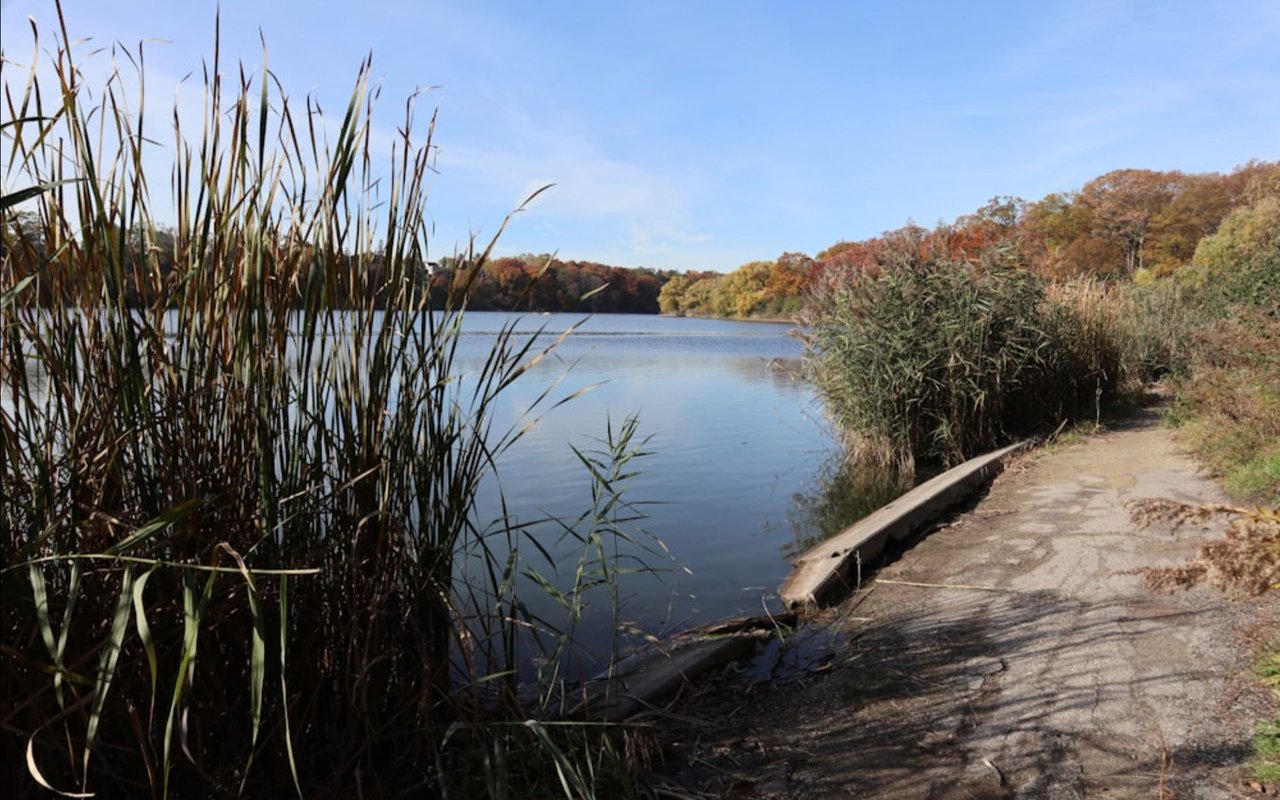
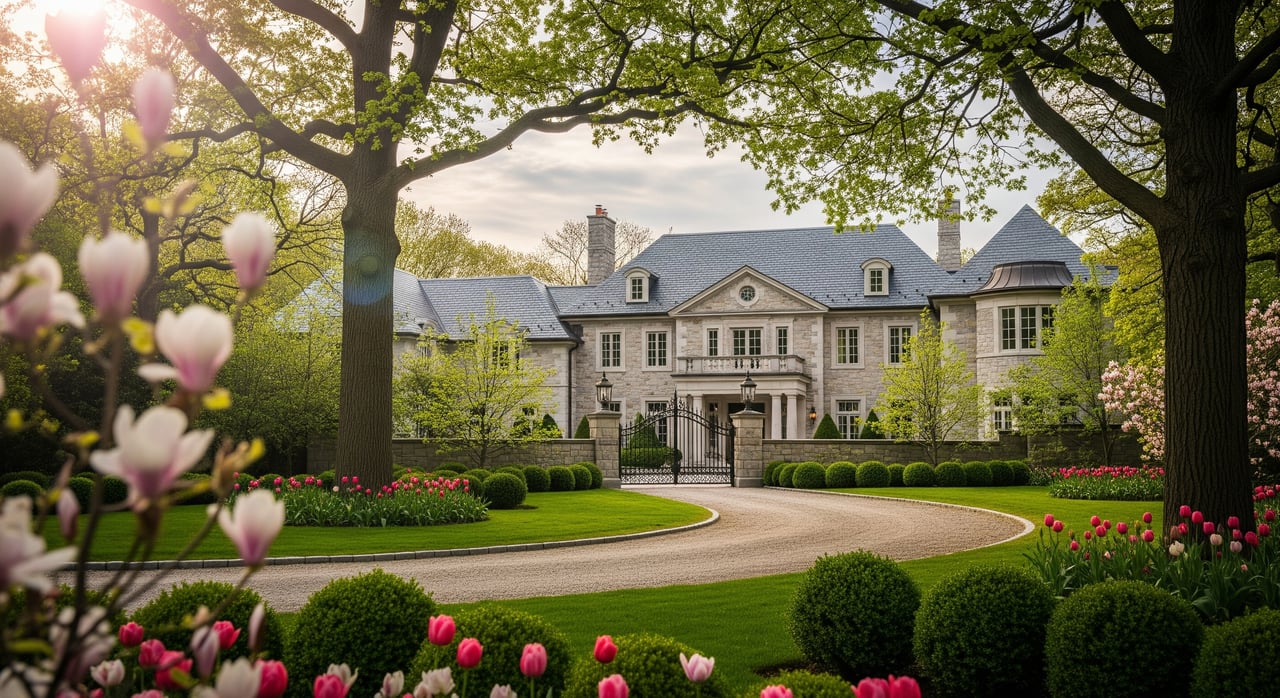
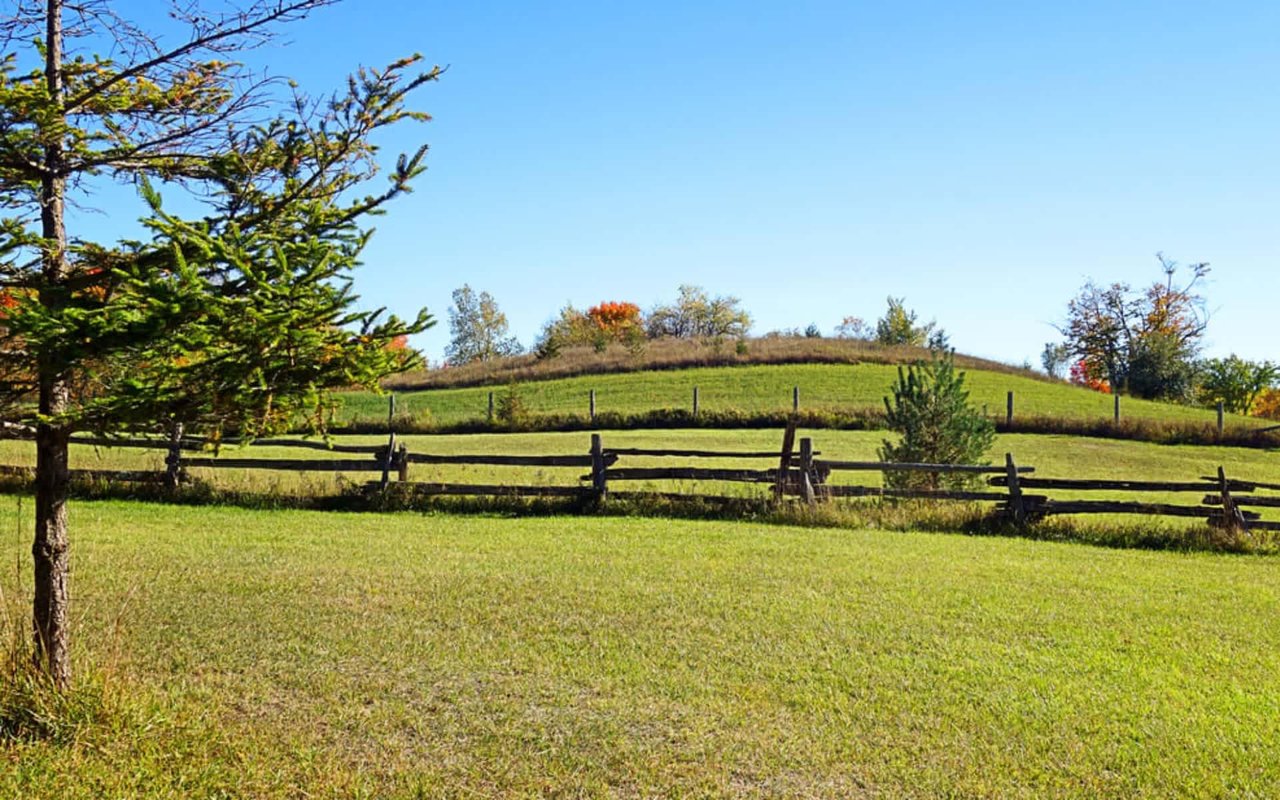
Lytton Park's own park, the wooded four-acre green space the neighbourhood takes its name from, has long been described as sitting in a valley shielded by trees from the roaring traffic of Avenue Road above it. That is not incidental landscaping. It is a design choice that tells you how this neighbourhood related to its own western edge for a century: buffer it, plant hedges against it, let Yonge Street do the work of being the neighbourhood's public face while Avenue Road absorbed the noise.
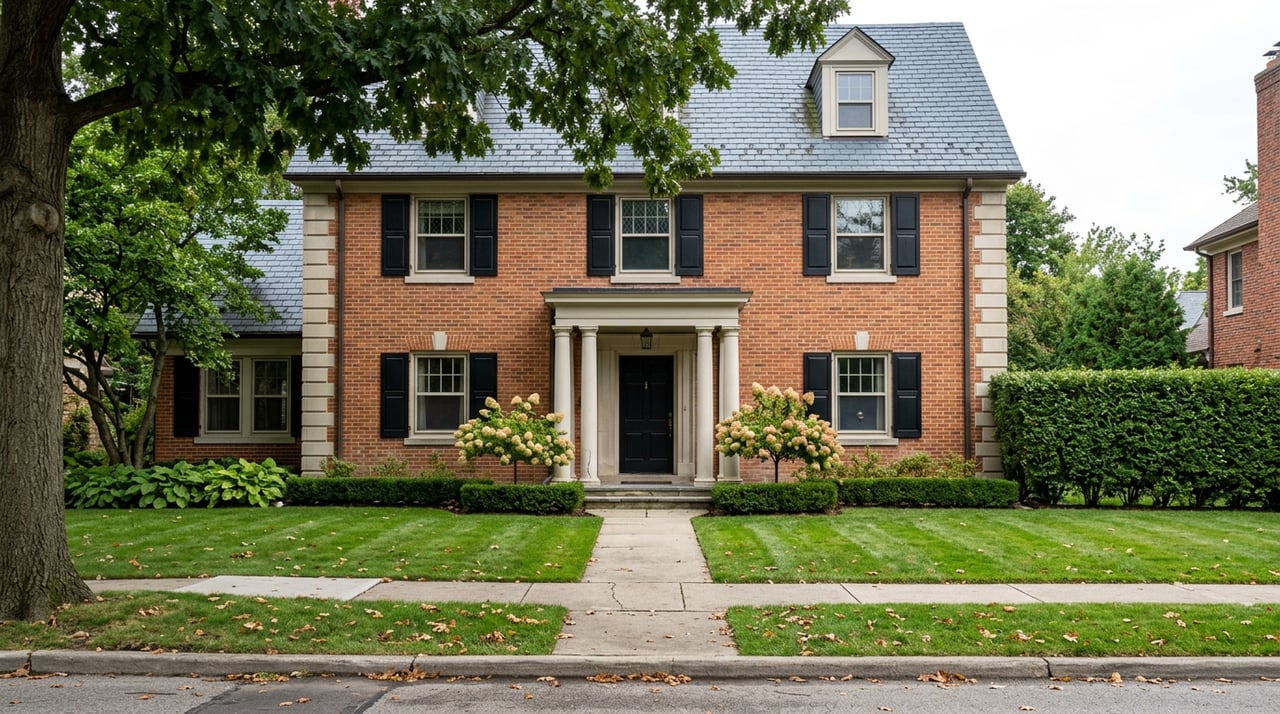
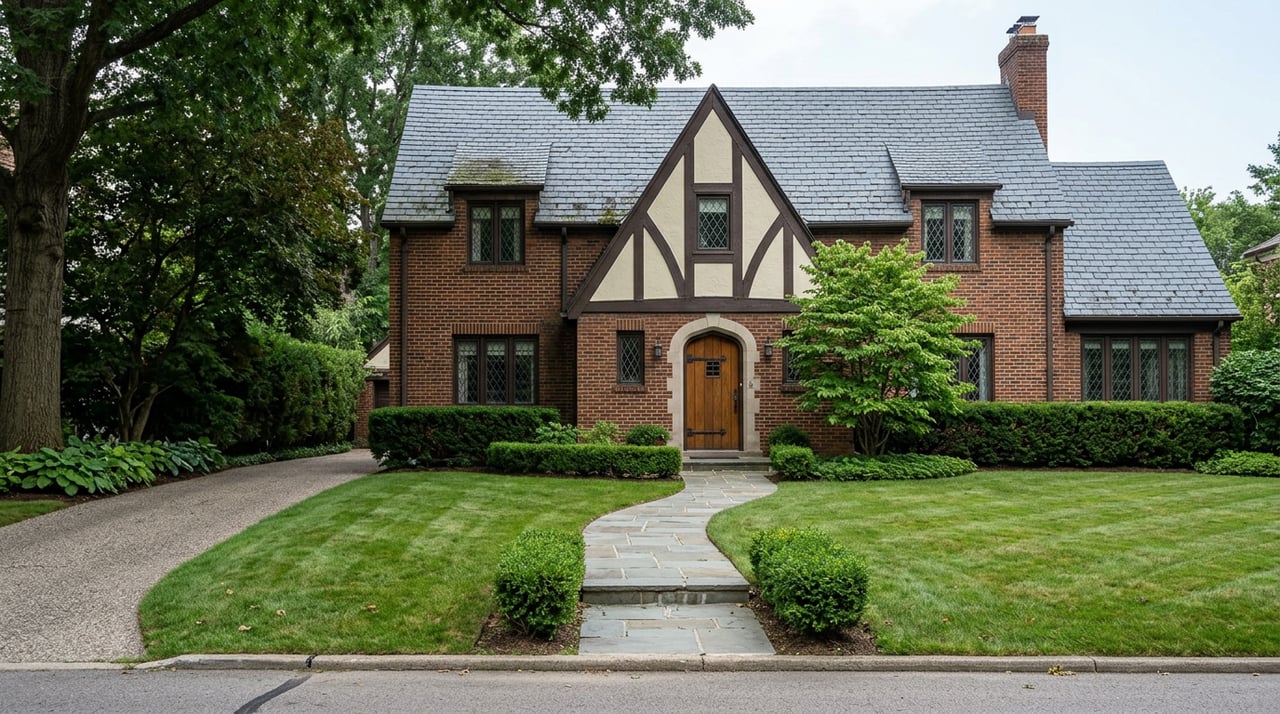
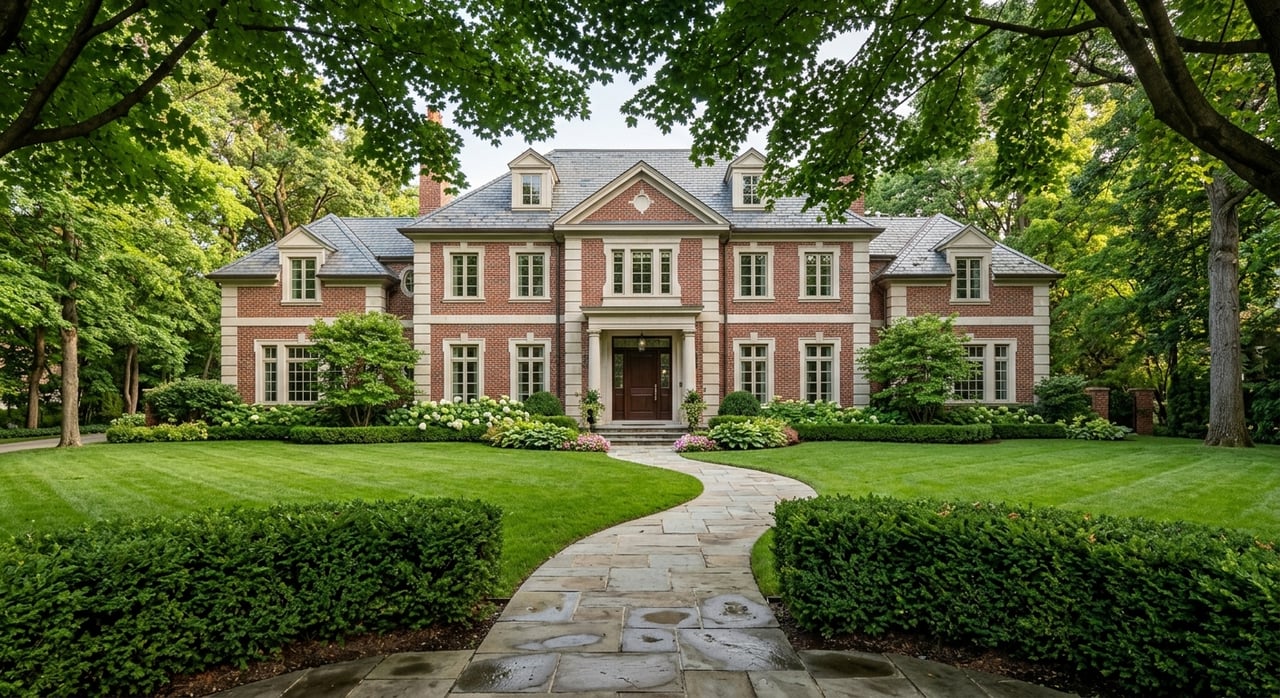
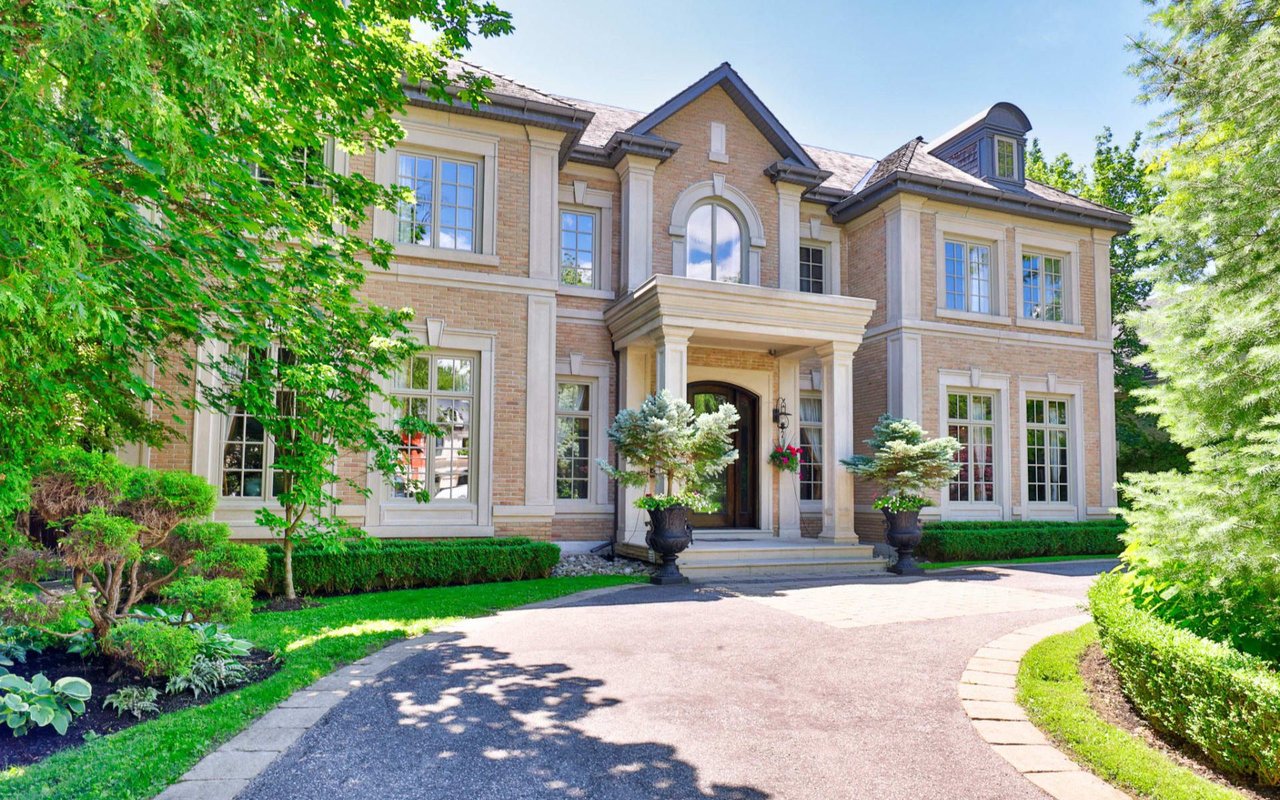
Streets like Strathallan Boulevard, Chudleigh Avenue, Glengrove Avenue West and Cortleigh Boulevard, the addresses that make up the western half of Lytton Park, sat closer to Avenue Road's traffic than to any transit stop worth walking to. The nearest subway access ran along Yonge Street, where Line 1 stations at Lawrence and at Eglinton have anchored the neighbourhood's east side for decades. If you lived west, you drove, or you caught a bus that eventually got you to Yonge.
What Actually Opened, and When
Line 5 Eglinton entered service on February 8, 2026, after a stretch of construction that began in 2011. The opening was quiet by design: free rides for the day, no ribbon-cutting, a soft launch meant to let the system prove itself before the TTC widened the schedule. On April 5, 2026, hours expanded to 5:30 a.m. to 1:20 a.m. on weekdays, with trains every four minutes at peak and every six to ten minutes off-peak, a service pattern that has now been running for roughly six months.
The station that matters most for Lytton Park's western blocks is Avenue, at Eglinton Avenue between Avenue Road and Highbourne Road. A few details worth knowing if you have not yet had a reason to use it:
- It is the deepest underground station relative to street level anywhere in the Toronto subway system.
- The main entrance sits on the northwest corner of Eglinton and Avenue Road, with a second entrance about 80 metres east, where retail space is now available at street level.
- Fifty outdoor bicycle parking spots serve the station, alongside connections to the rerouted 13 Avenue Road bus.
One stop west, Chaplin station opened the same day at Chaplin Crescent and Eglinton, technically in Forest Hill but close enough that its connections reach into Lytton Park's daily circuit. One of its three entrances sits beside the former Fire Station 135, a 1932 building on the city's heritage inventory that lost its eastern half to make room for the platform but kept its west end standing.
The Walk Nobody Used to Make
Before February, a resident on the west side of Lytton Park heading downtown by bus faced a trip that could run as long as 105 minutes depending on traffic and transfers. The train now covers the full 19-kilometre run from Mount Dennis to Kennedy in 50 to 55 minutes end to end, which means a much shorter hop from Avenue station to a Line 1 transfer at Eglinton.
The bus network changed to match. Route 13 Avenue Road, which used to detour through Oriole Parkway, now runs directly along Avenue Road between Chaplin Crescent and Eglinton Avenue West, specifically to feed Avenue station. That is a small routing change with an outsized effect for anyone walking from Lytton Park's western streets to catch it. Route 61, North Toronto/Avenue Road North, continues along Yonge north of Eglinton, giving residents a second transfer option near the same station.
There is a cycling piece too. In fall 2024, the city installed a new bikeway segment as part of the eglintonTOday Complete Street project, running between Chaplin Crescent and Avenue Road. That segment connects to cycling infrastructure Metrolinx had already built east to Yonge Street, forming roughly 1.5 kilometres of continuous bike lane along Eglinton. For a neighbourhood whose only real bike route was the Beltline Trail running through its interior, this is the first time Avenue Road itself has offered a rideable path rather than a stretch to avoid.
The Beltline Trail matters here for another reason. Chaplin station sits near Kay Gardner Beltline Park, meaning the same trail that already carries Lytton Park's dog walkers and weekend cyclists now runs within a few minutes of a subway entrance. A walk that used to end at a park bench can now end at a train platform.
What Avenue Road Still Looks Like
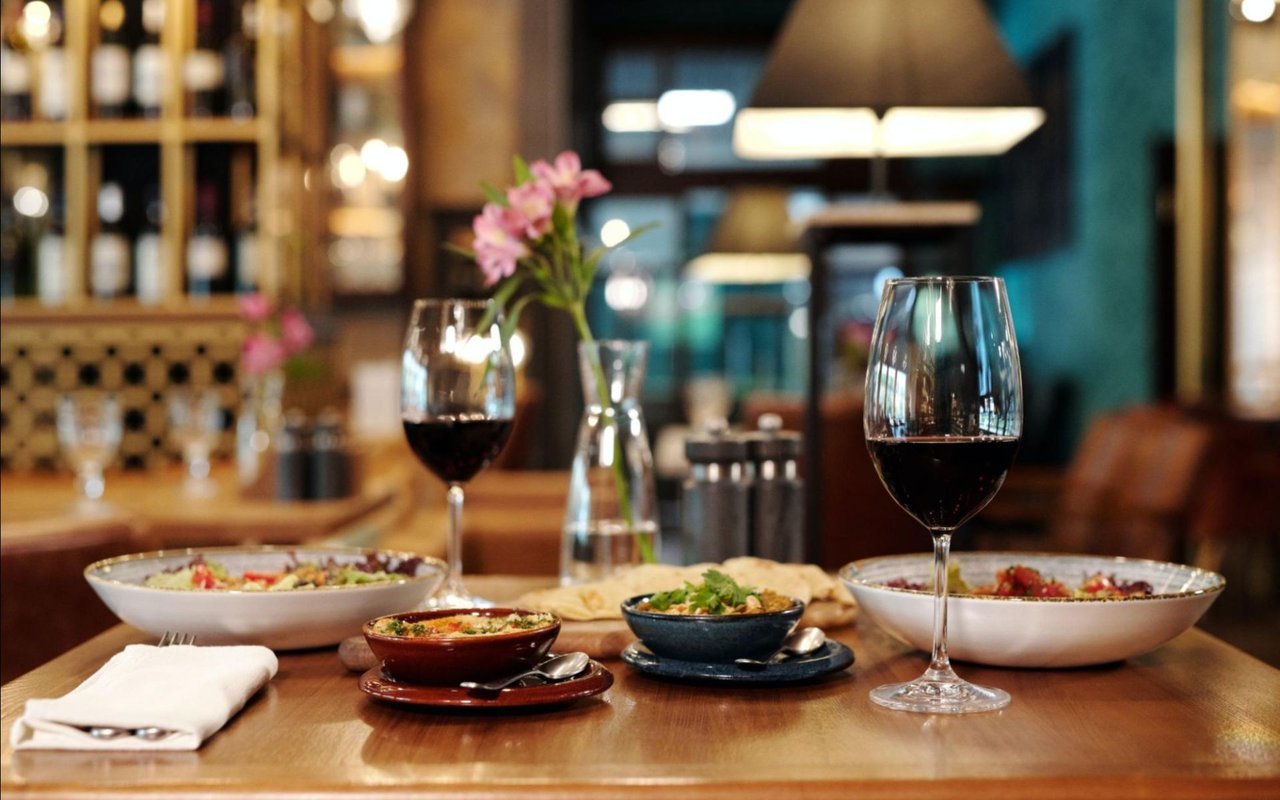
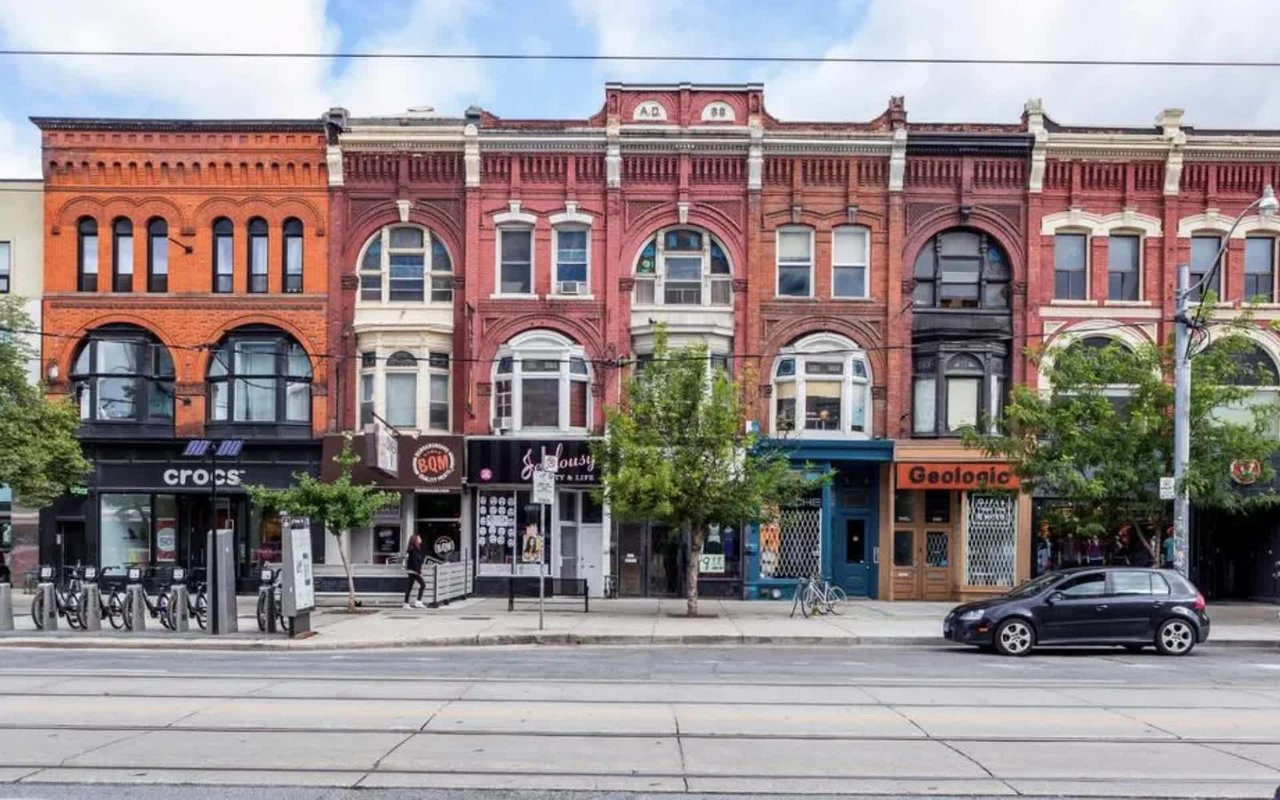
None of this rewrote the street itself. Pusateri's Fine Foods still anchors Avenue Road the way it has for years. Roberto's Ristorante Italiano, Uncle Betty's Diner, Tio's Urban Mexican, Byblos Uptown, North 44 and La Vecchia are still the names locals reach for on a Tuesday night, joined more recently by newer additions like PUKKA PUKKA and Rollian Sushi. The North Toronto Lawn Bowling Club still runs its greens inside Lytton Park itself, and the Herbert Begg Memorial Garden across the street is unchanged.
What is different is the friction around getting to any of it. Fifteen years of scaffolding, lane closures and construction fencing did real damage to foot traffic along Eglinton, the kind that closed grocery stores, doctors' offices and banks in the corridor and left longtime shop owners describing a stretch of street that had lost its customer base. That period is documented, and it is why merchants along the line spoke in terms of relief rather than celebration when service finally began. Eight months in, the corridor is still working out what recovery looks like store by store. But the structural piece, the thing that actually determines whether people show up, is done: there is a station, it runs on a real schedule, and it connects to the rest of the city in a way Avenue Road never did before.
For a neighbourhood that spent a century treating its western edge as the side to buffer against, that is not a small adjustment. The park still hides from the road. The road no longer hides from the rest of Toronto.
If you're weighing what a shift like this means for a specific block or address in Lytton Park, Barry Cohen Homes knows this neighbourhood down to the street, and can walk you through exactly what's changed and what hasn't.