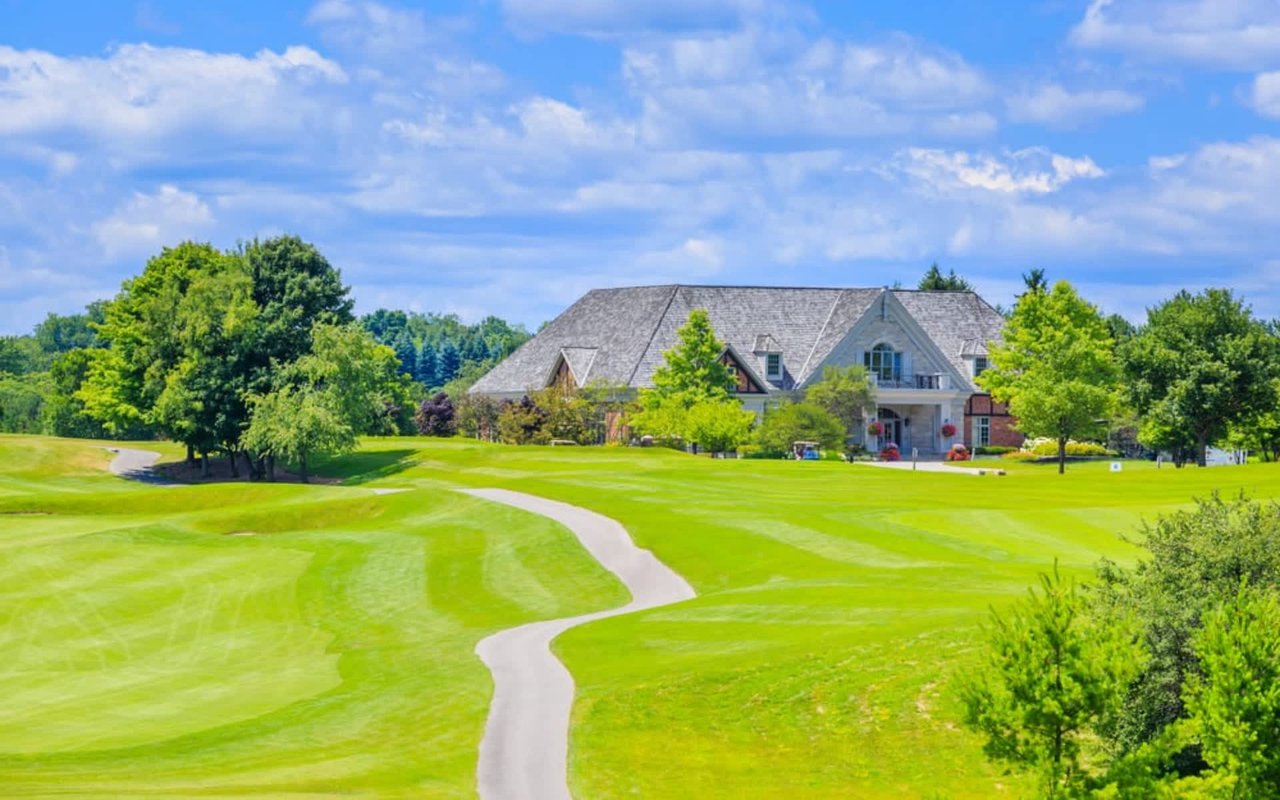
Walk the grounds at 141 Wilson Avenue on a Tuesday evening in August and you will hear three different games at once: the flat crack of a cricket bat on the five-acre turf pitch, the pop of paddles from the pickleball courts, and, if the wind is right, ice being scraped somewhere indoors where the curling season never fully ends. Nobody who lives in this neighbourhood finds that strange. It's how the Toronto Cricket Skating and Curling Club has always worked.
That matters more than it sounds like it should, because the club's name is doing something unusual. It still says Cricket, even though cricket hasn't been the main event here for a very long time. The name stuck. The sport list underneath it did not. That habit, adding a new game every generation without ever touching the sign out front, is the actual character of this neighbourhood, and it's playing out again right now in two places at once: on the club's own courts, and three blocks over on Avenue Road.
A Club That Keeps Adding Chapters, Never Rewriting the Title
Cricket at the club dates back to 1827, which makes it older than Canada itself. For decades, that was the whole story: bat, ball, a turf wicket, and not much else. Then the additions started, and they never really stopped.
| Sport | Arrived | How it got there |
|---|---|---|
| Cricket | 1827 | The founding sport, still played May through September on a five-acre, ICC-sanctioned turf pitch |
| Curling | 1836 | Organized separately as the Toronto Curling Club, decades before anyone floated a merger |
| Skating | Mid-1800s | The Toronto Skating Club outgrew its Dupont Street home and needed a year-round facility |
| Merger | April 10, 1957 | Members voted to fold all three clubs into the Toronto Cricket Skating and Curling Club |
| Pickleball | Formalized 2025 | A dedicated member network launched on May 13, 2025; the club now runs four outdoor courts and three indoor courts |
Somewhere between the 1957 merger and now, the club also picked up squash, tennis, lawn bowling, croquet, and a full aquatics program, none of it advertised as a rebrand, all of it just quietly added to the roster. The lawn bowling green even runs as a partnership with the Lawrence Park Lawn Bowling & Croquet Club a few kilometres away, which tells you the club has never been precious about doing everything under its own roof. It borrows infrastructure, adds sports, and keeps the name.
The Pickleball Chapter Isn't Finished
Pickleball is the newest line in that table, and it's already outgrowing its own footprint. In a recent update posted to the club's page, general manager and chief operating officer Mike Ridout laid out plans for new pickleball courts, a new tennis court, and a rebuild of the cricket pitch, all three projects moving at the same time. That's not a club hedging its bets on one sport. That's the same 1827-to-1957-to-now pattern, just running faster because pickleball's growth curve is steeper than curling's ever was.
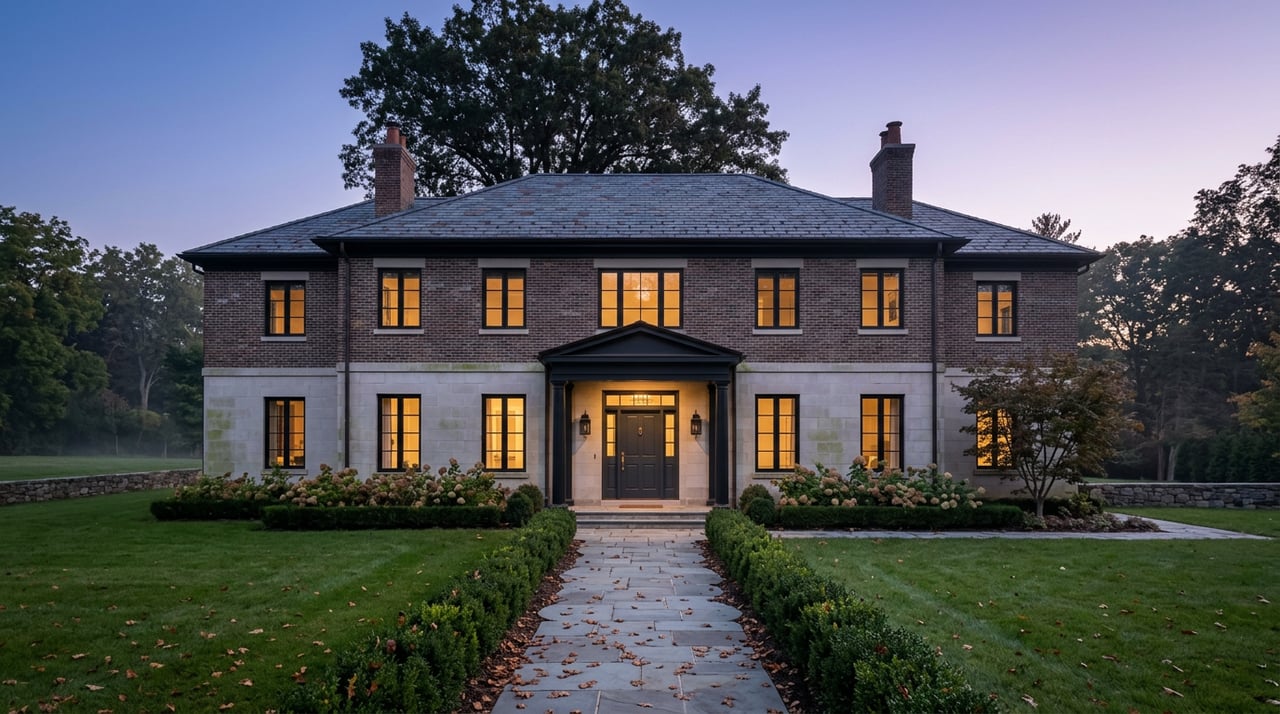
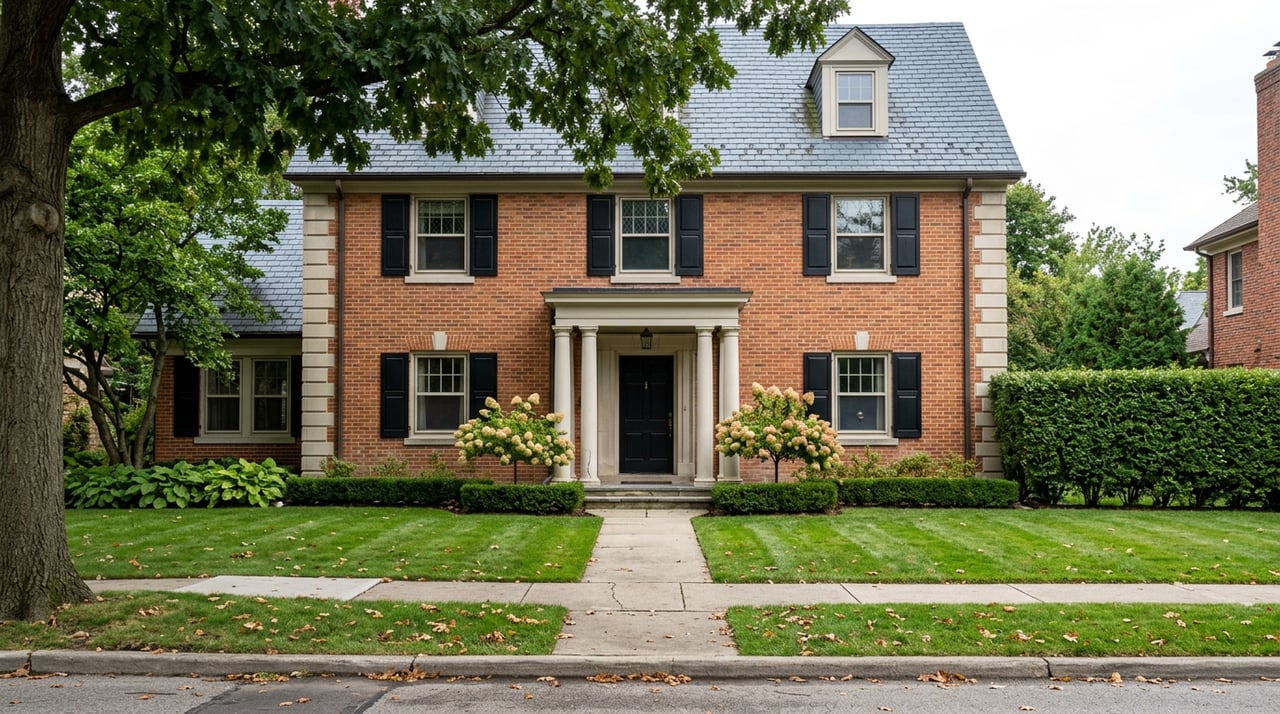
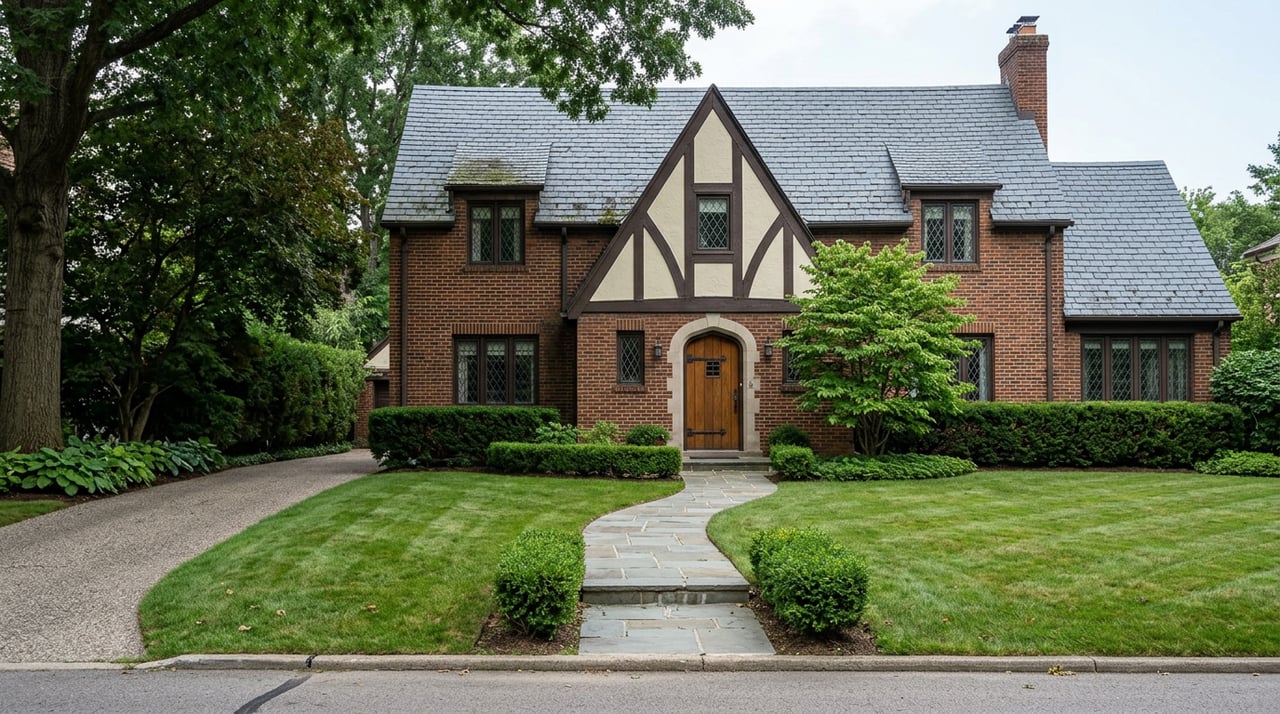
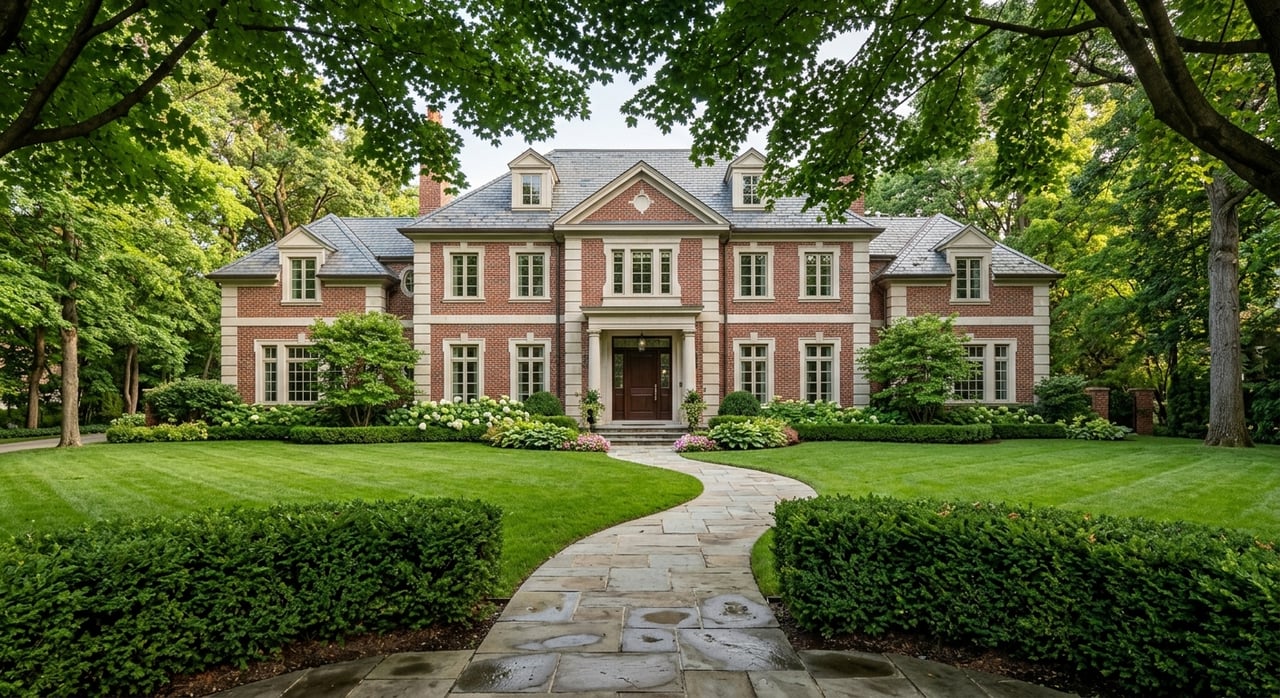
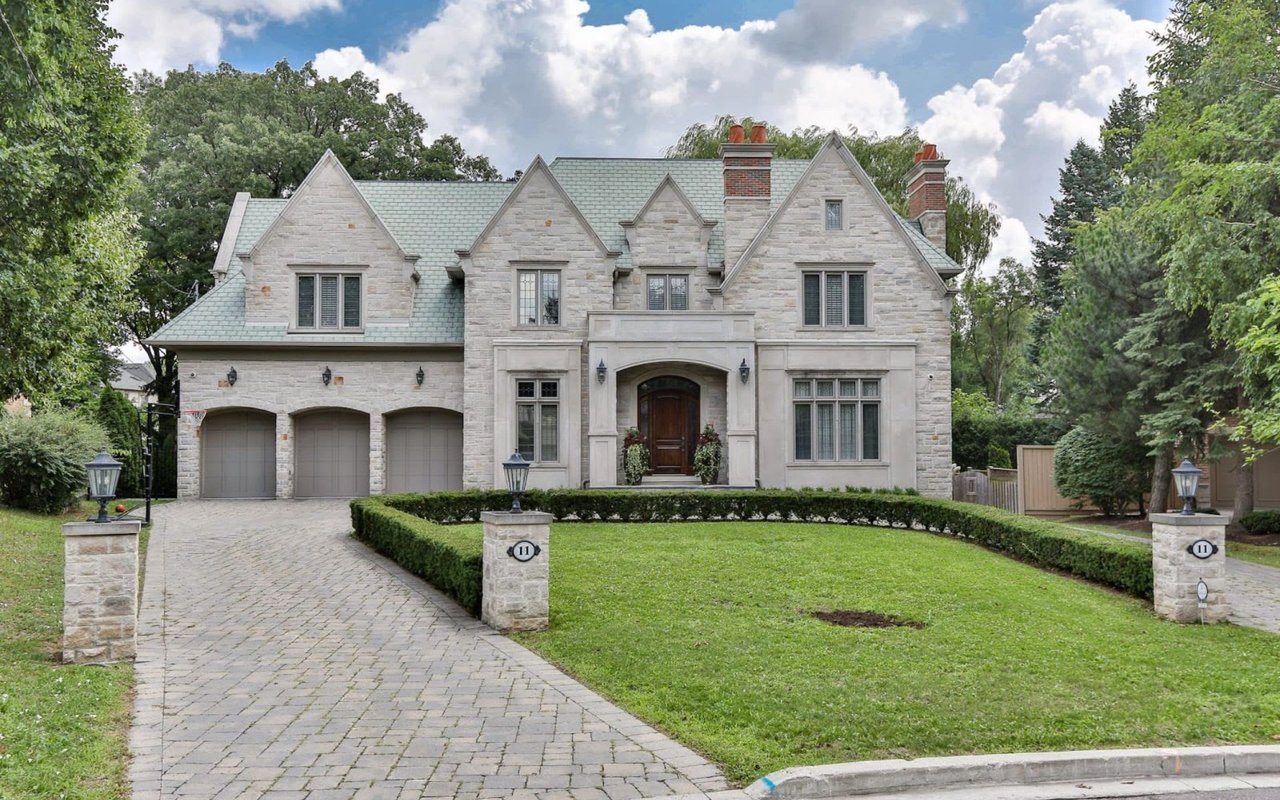
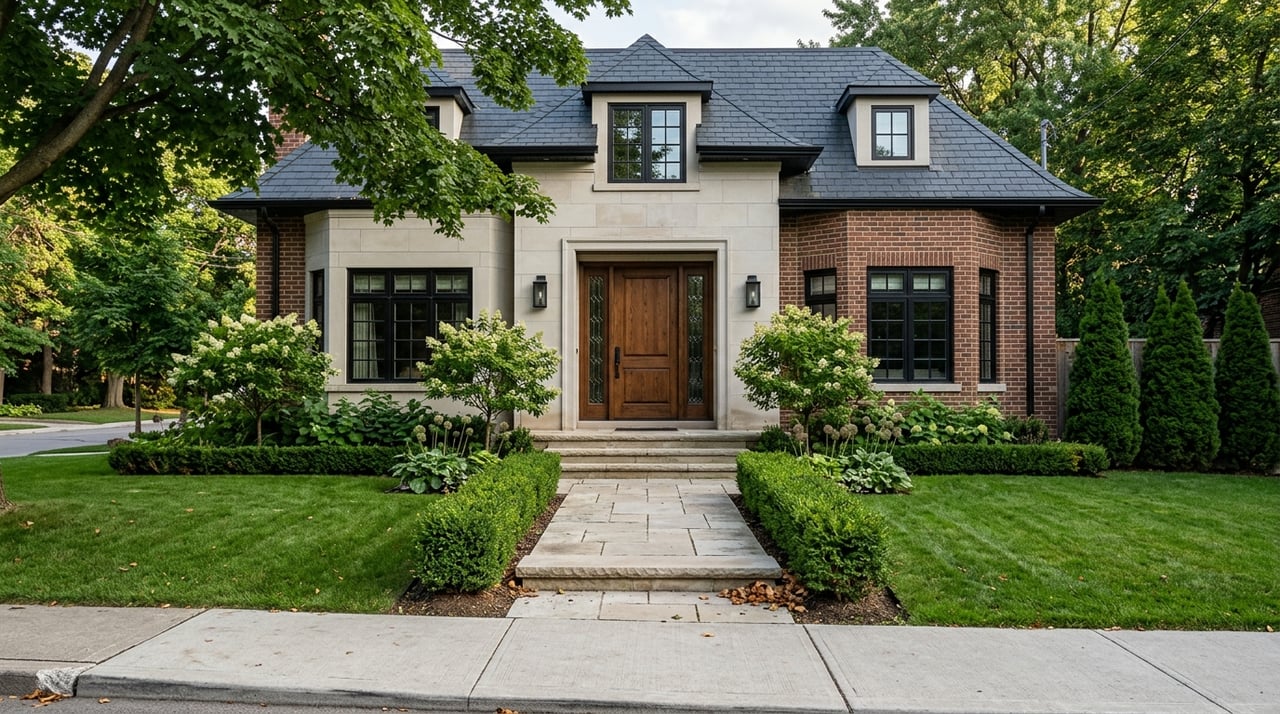
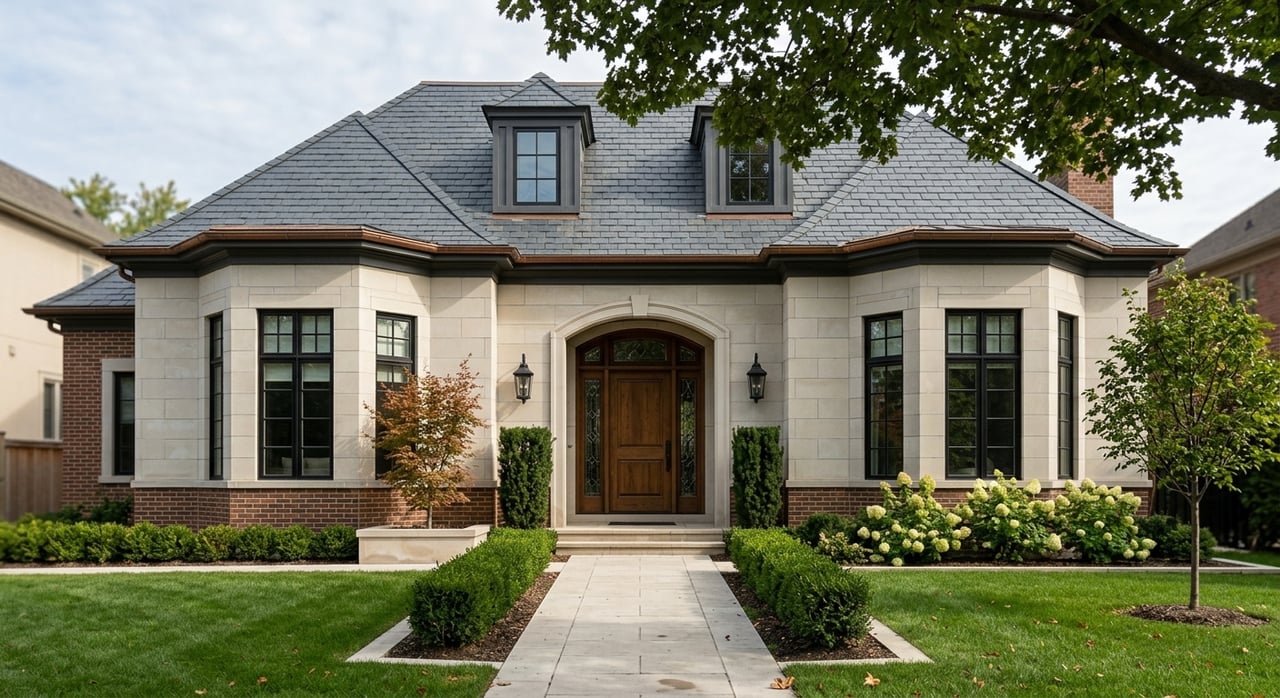
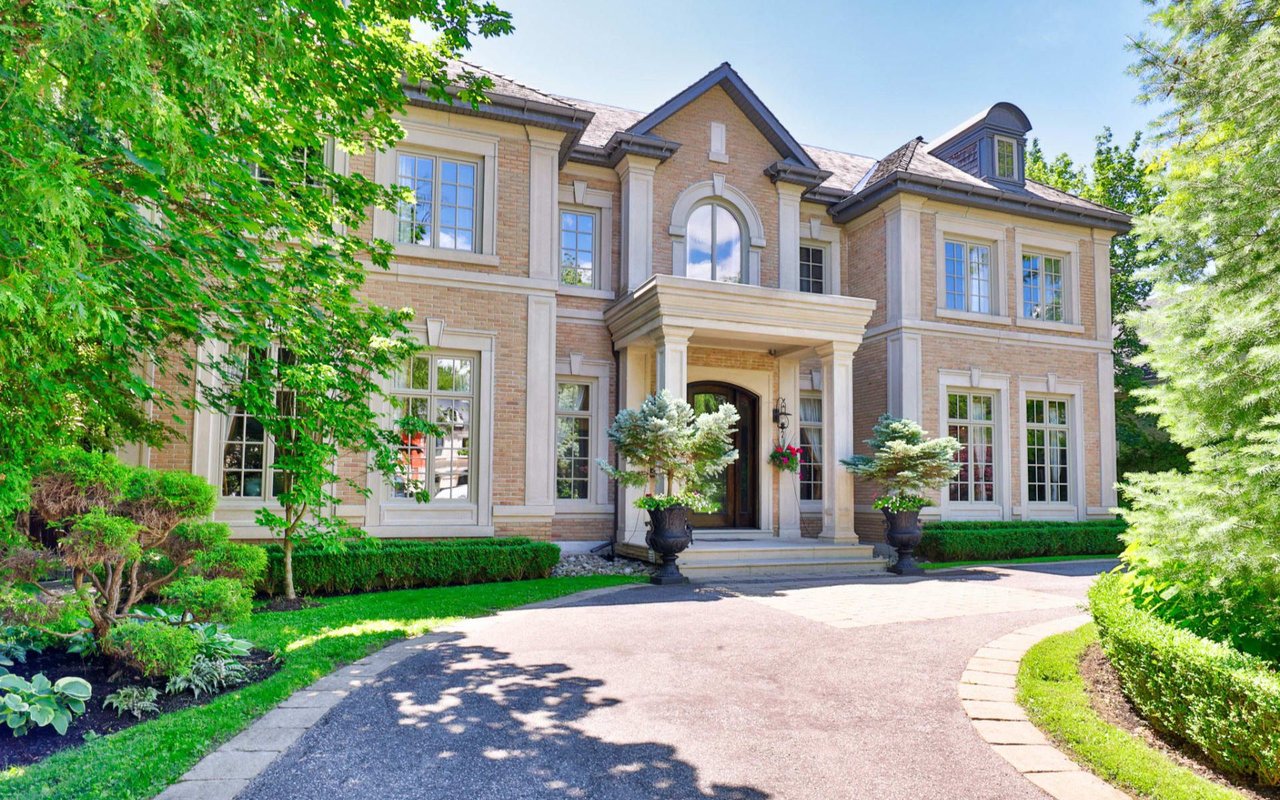
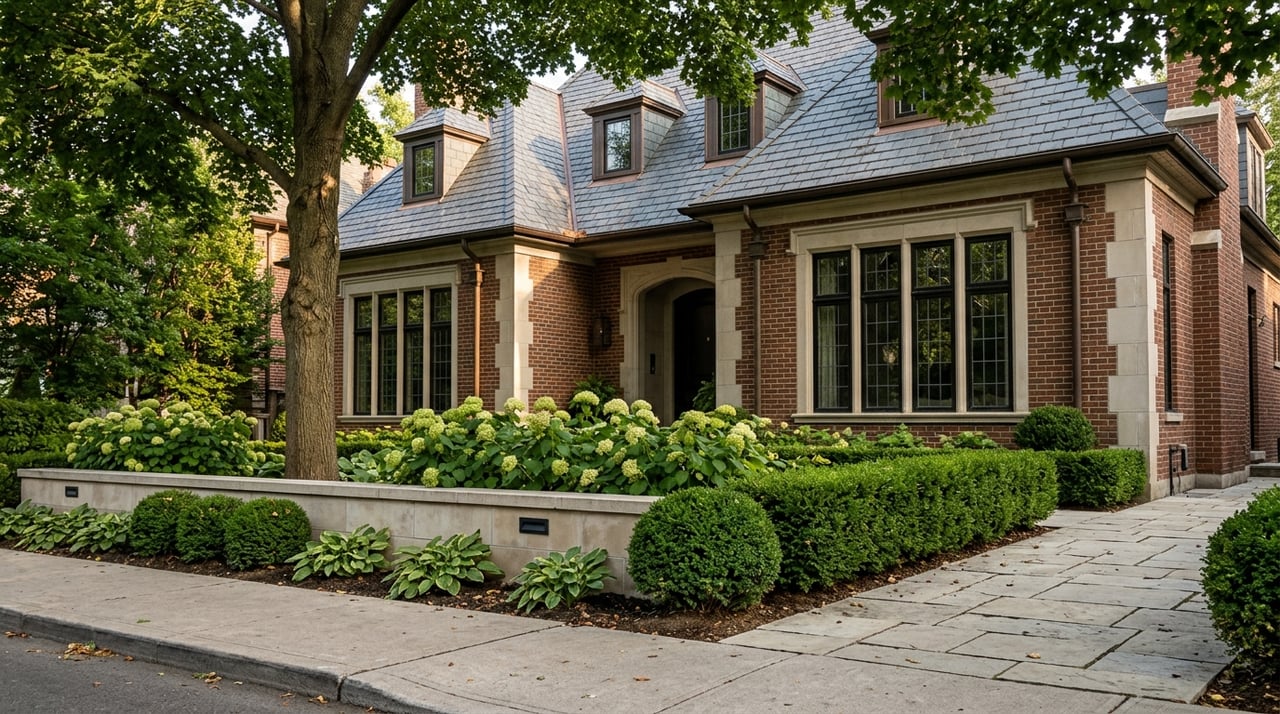
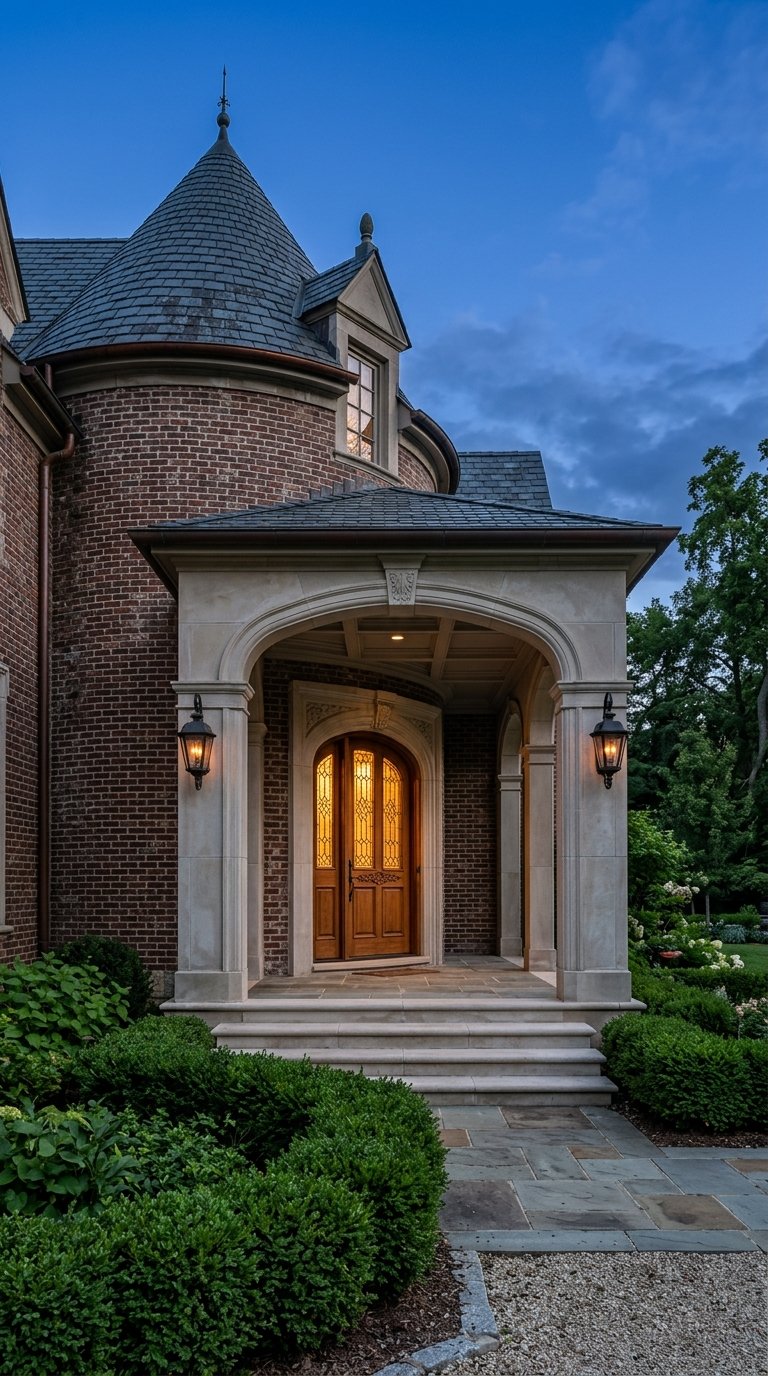
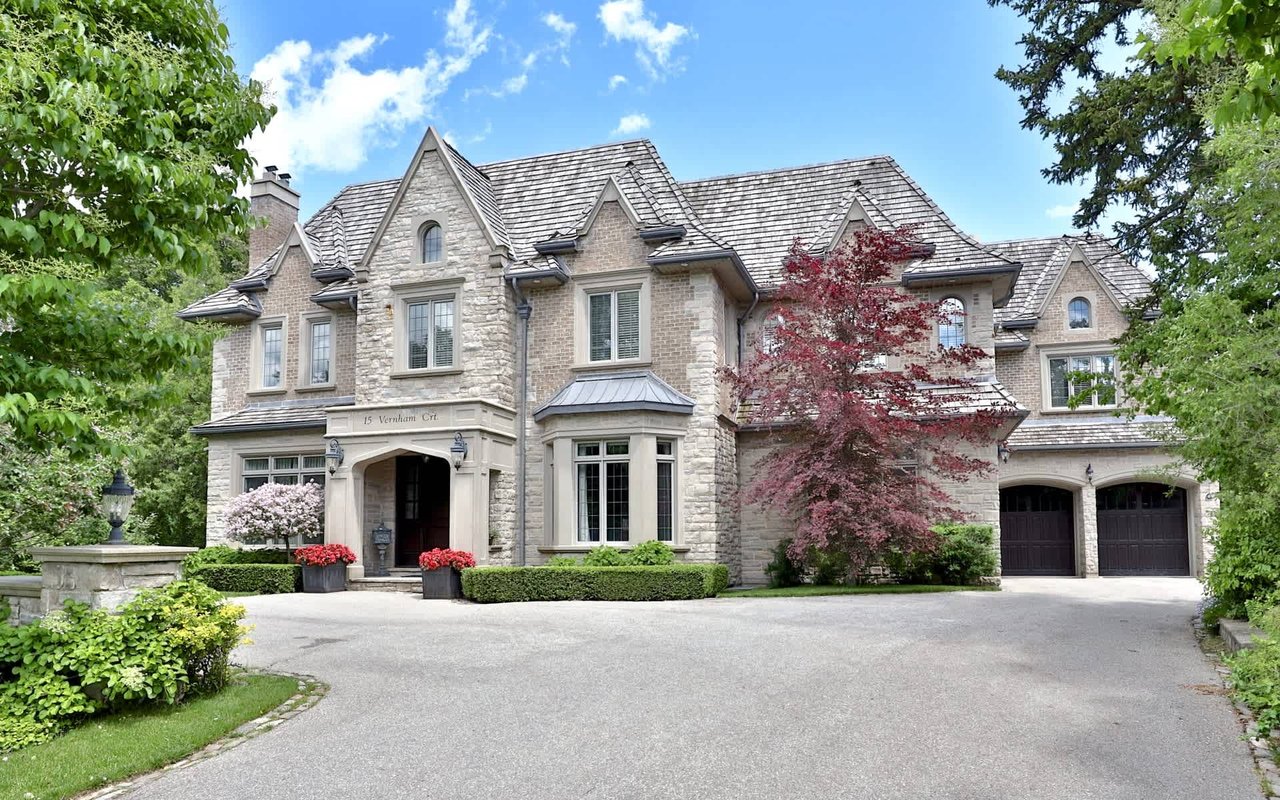
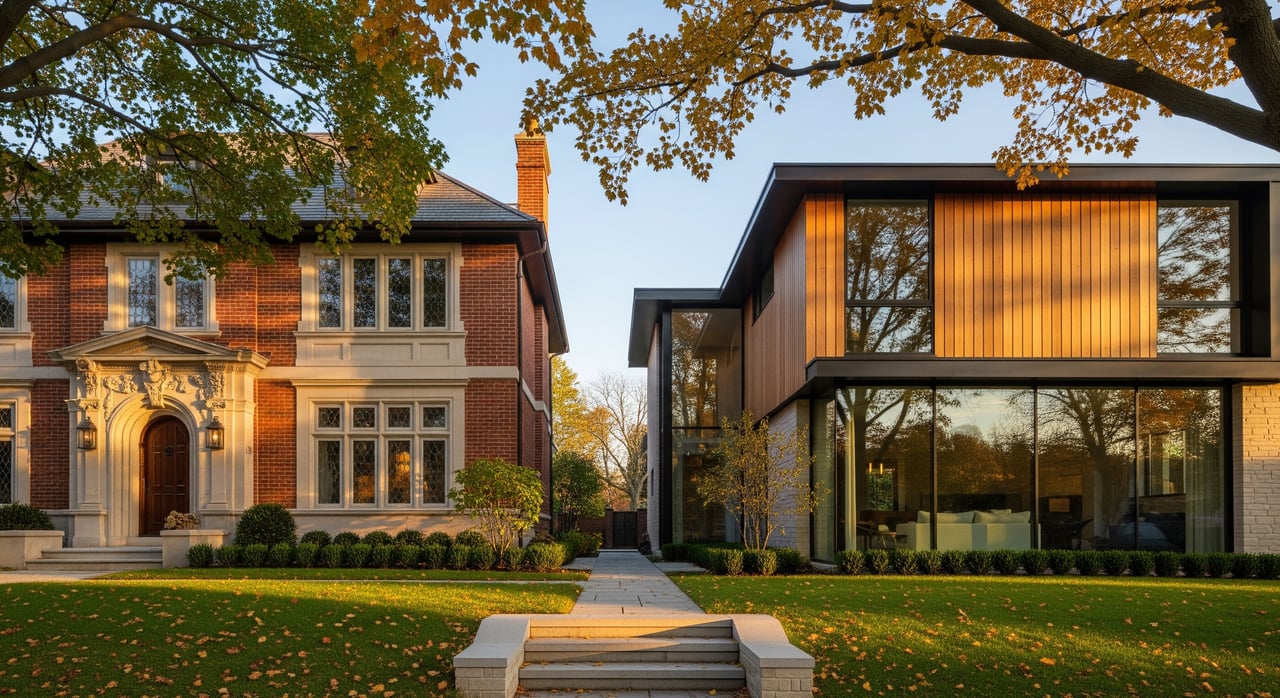
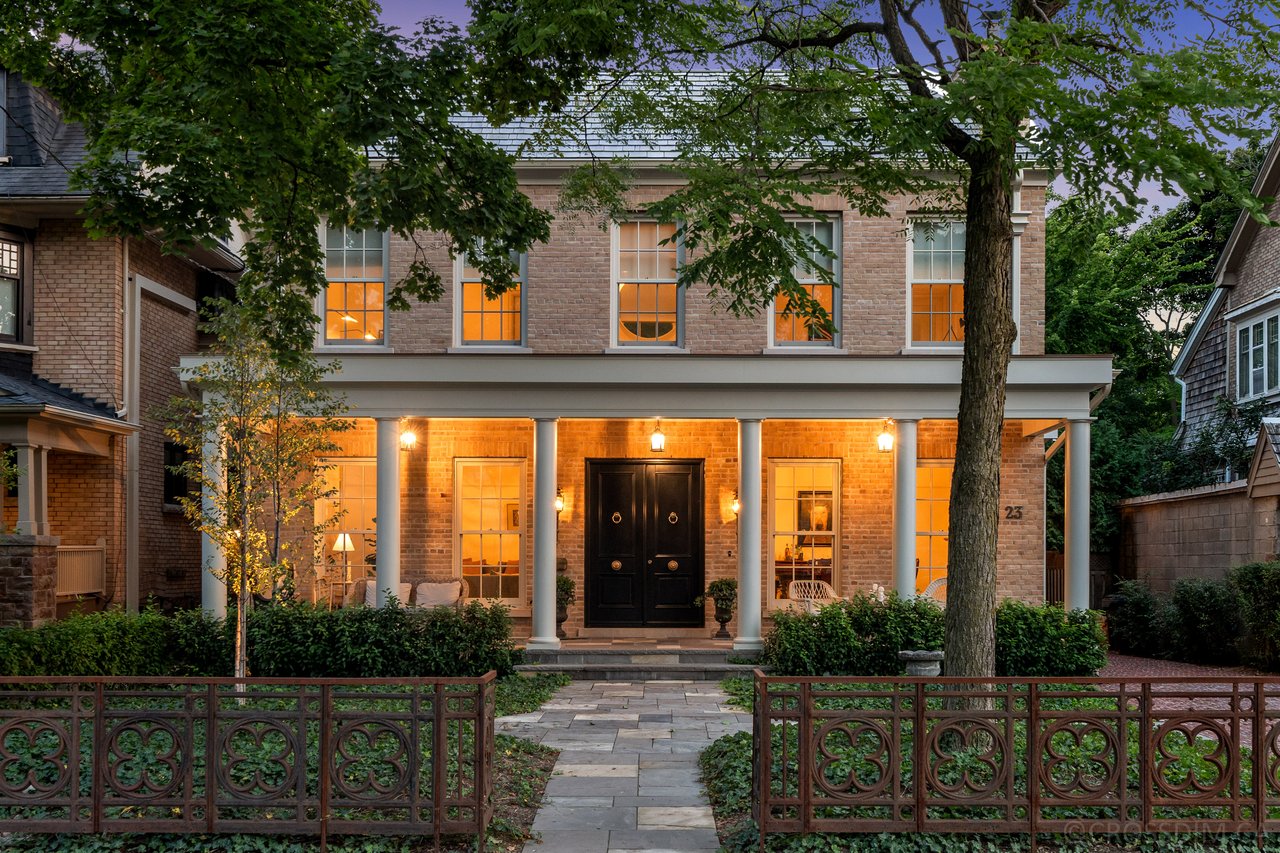
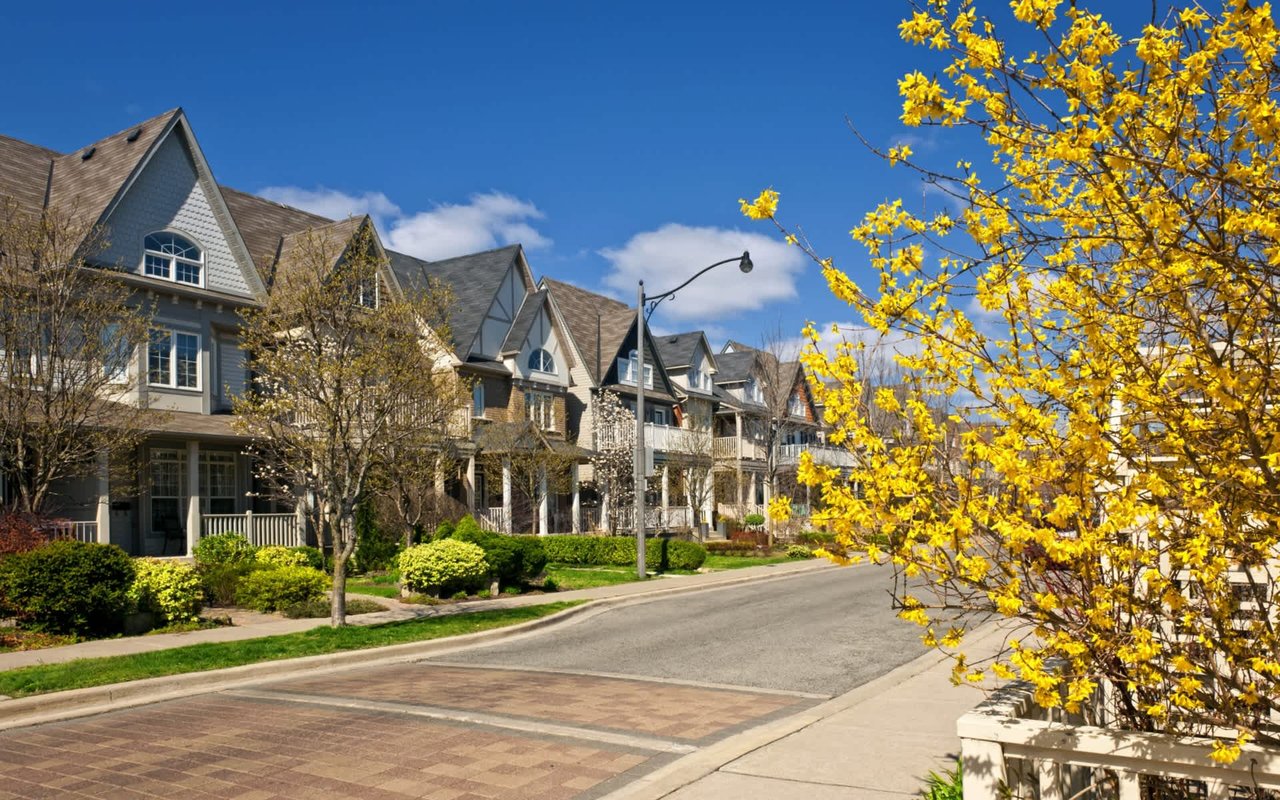
The skating program, for what it's worth, isn't standing still either. Olympic and World medalists Brian Orser and Tracy Wilson oversee the Cricket Club's figure skating instruction, which is a fairly remarkable thing to have two blocks from a residential street of Tudor cottages and Georgian centre-hall homes. Families who join for the pool or the tennis ladder end up training in the same building as skaters coached by people who've stood on Olympic podiums.
The name on the gate still says 1827. The court bookings this week say pickleball, tennis, and swim lessons.
None of this runs quietly. A recent Canada Day celebration at the club drew more than 700 members and guests for a pool party, a live acrobatics show, music, and a fireworks display capped off with a full-club rendition of "O Canada." Family programming through the rest of the year includes pumpkin carving, weekly family skates, recreational swim time, and outdoor movie nights, the kind of calendar that turns a private athletic club into something closer to a second living room for the families who belong to it.
Avenue Road Runs the Same Trick, Just With Storefronts
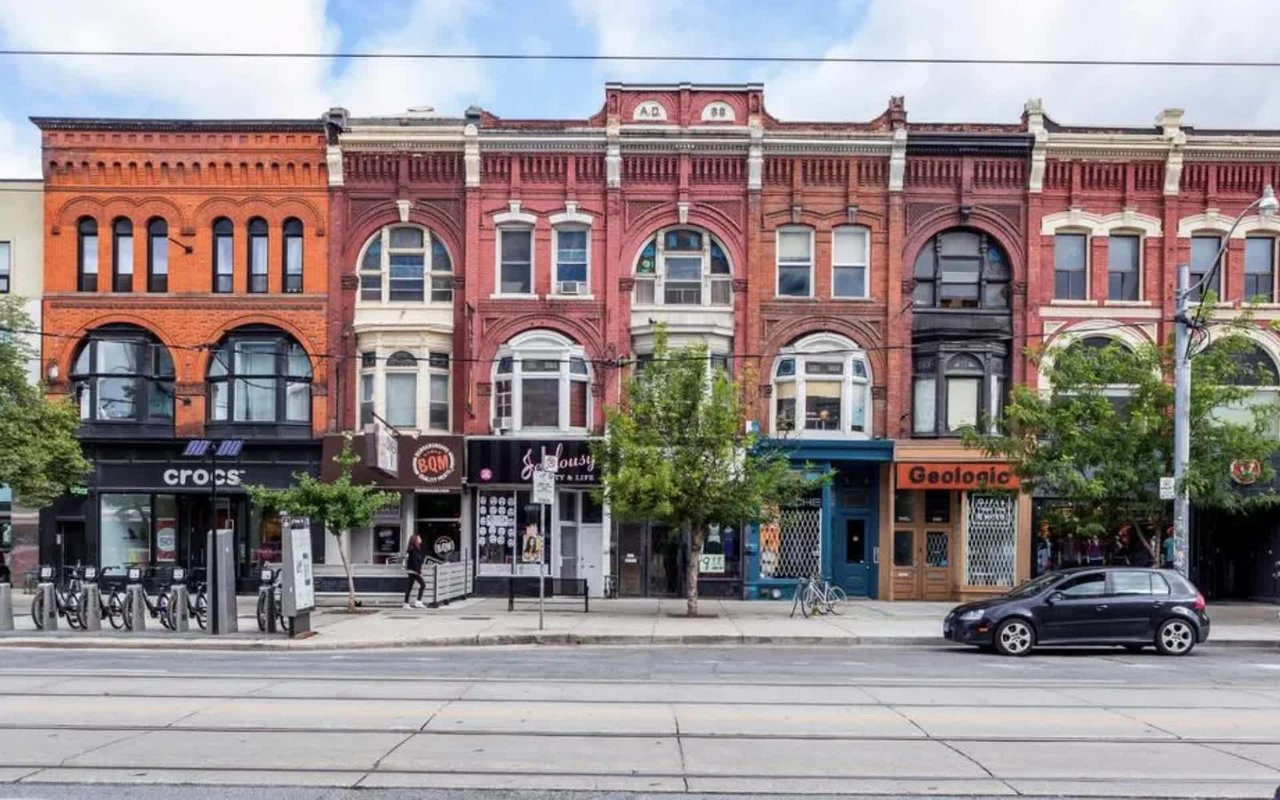
Step off the club grounds and onto Avenue Road, and the same instinct shows up in a completely different form. Locals and the South Armour Heights Residents' Association both call the stretch between Highway 401 and Lawrence "Upper Avenue," and the physical shell of it, small two-storey brick buildings, has barely changed in decades. What operates inside those buildings turns over constantly.
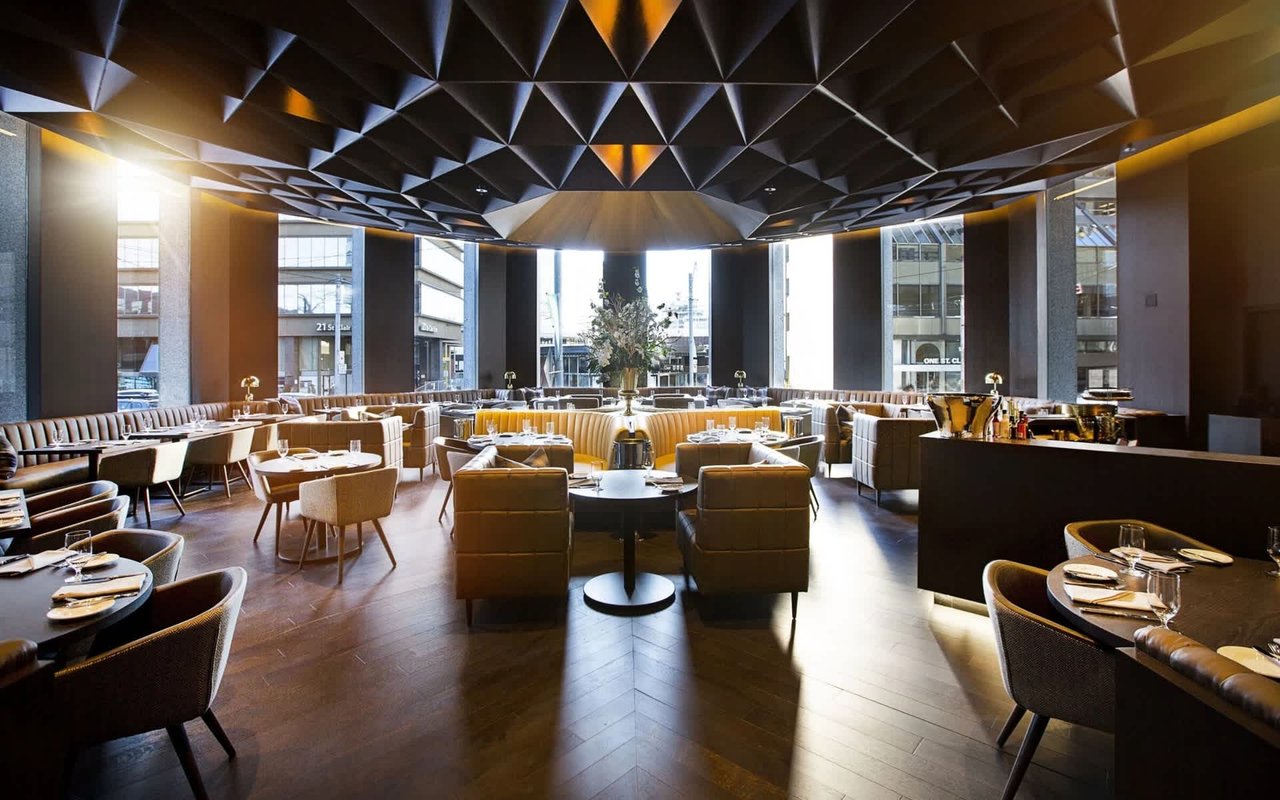
The clearest example right now sits at 1960 Avenue Road. For years that address was home to The Lobster Trap. It's now Prime On Avenue Steak + Smokehouse, a full pivot from seafood house to steak-and-smoked-meats menu, same building, same address, different kitchen entirely. A few doors down, Cafe Landwer at 1912 Avenue Road has held its ground as a daily anchor, open from 8am into the evening seven days a week, the kind of place that outlasts several restaurant cycles around it simply by staying consistent.
SAHRA's own tracker, the same one that flagged the Prime On Avenue change, keeps a running list of who occupies which storefront along the strip, block by block:
- Garrett Florist, 2025 Avenue Road
- York Appliance, 2029 Avenue Road
- Southdown Builders, 2041 Avenue Road
- Allegro Music, 2043 Avenue Road
- Mister Knuckles Gym, 2045 Avenue Road
- Bruno's Fine Foods, 2055 Avenue Road
Further north, the Armour Heights Community Centre at 2141 Avenue Road has offered adult dance and fitness programs, a tiny tots program, and a children's after-four program for years, with the Armour Heights branch of the public library operating inside the same building. It's the community centre equivalent of the club's sign out front: the structure holds, the programming inside adjusts to whoever's using it that season.
What Doesn't Change Is the Reason Anything Else Can
None of this is really about pickleball, or steak, or a library inside a rec centre. It's about a neighbourhood where the fixed points, a club's 1827 name, a building at 1960 Avenue Road, a community centre address that's stayed put for a generation, are exactly what makes room for constant turnover underneath them. The club didn't survive two centuries by refusing to change. It survived by changing constantly while keeping the one thing, the name, that let three generations of members recognize it as the same place.
That's the part worth knowing if you already live here and someone asks what's new. The honest answer is almost everything, and also nothing at all.
If you're weighing a move within Cricket Club, or just curious what a property here is actually worth once you account for what's changed on the block since you last checked, Barry Cohen Homes has been tracking this neighbourhood's rhythms for years and is always glad to talk through what we're seeing.