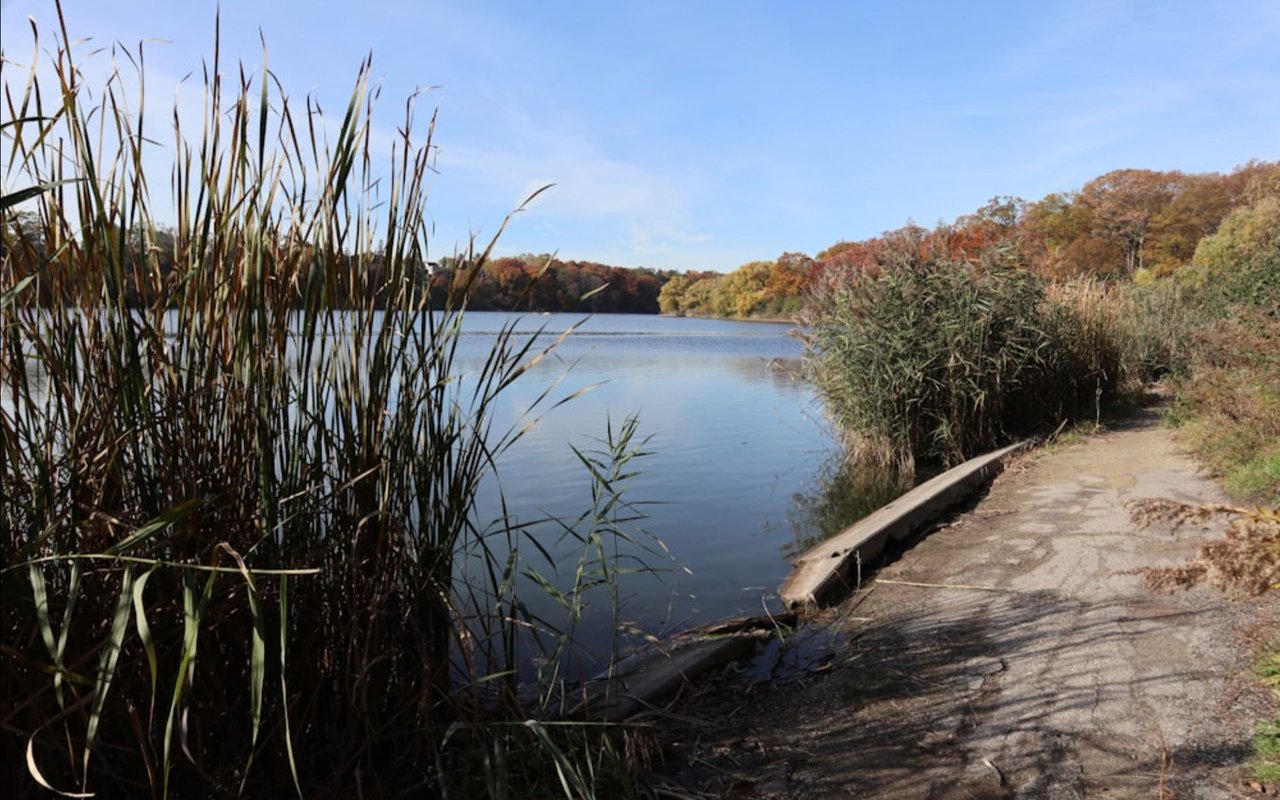
Walk the ravine loop through Lawrence Park often enough and you stop noticing the trees. That's the point of them. But a little over a year ago, a new sign went up along the Yonge Street edge of the ravine, and it's worth stopping for, because it explains something about why this neighborhood still has a canopy worth not noticing in the first place.
The sign reads Jaye Robinson Park. It marks a 2.5-hectare parcel of Lawrence Park Ravine at 3055 Yonge Street, just south of Lawrence Avenue East, and it's the newest official landmark on a walking route residents have used for generations.
The City Broke Its Own Rule to Name This Park
City Council doesn't usually name parks after people. Toronto's Property Naming Policy sets out a deliberate process for that, and in April 2025 council voted to set the policy aside for this one parcel, naming it for Jaye Robinson, the Ward 15 Don Valley West councillor who died in office in May 2024 at age 61. The unveiling followed on June 22, 2025, with Mayor Olivia Chow and Councillors Rachel Chernos Lin and James Pasternak on hand for the sign's first public viewing.
"Parks were not just green spaces to Jaye," Chow said at the ceremony.
That line does a lot of work if you know what Robinson actually did at City Hall. She spent two decades in municipal government, starting as a staff member with the old City of North York before amalgamation, then years inside the city's Economic Development and Culture division, where she helped organize Nuit Blanche. She was elected councillor in 2010 and chaired the Toronto Transit Commission from 2018 to 2022. Along the way she built a reputation among city planners as one of council's more persistent skeptics of dense redevelopment, and her push for tree canopy protection and park revitalization became one of the through-lines of her time in office. Don Valley West, the ward she represented, is now home to more than 70 parks with some of the densest tree canopy in the city.
None of that is why the park carries her name by coincidence. It's why the choice of location matters. City staff and her local councillor identified the ravine parcel specifically because it held meaning to her as a place where the community gathered, not because it was simply available land.
The Canopy This Park Was Named to Protect
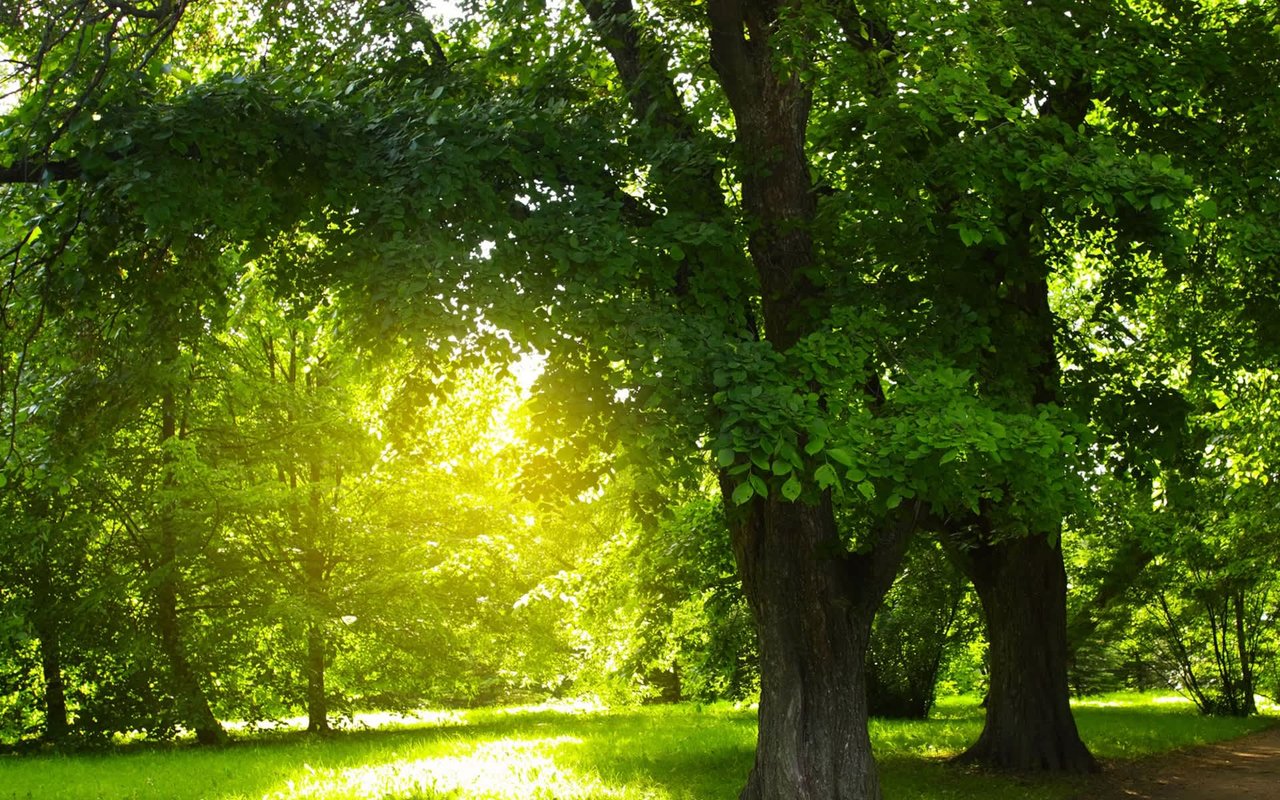
Lawrence Park's street trees have their own origin story, and it predates Robinson's council career by eight decades. Many of the mature trees lining the neighborhood's residential streets were planted in the 1930s, part of a Depression-era program that combined civic beautification with employment relief. The Lawrence Park Ratepayers' Association, which has represented residents in the area bounded by Lawrence Avenue East, Blythwood Road, Yonge Street, and Bayview Avenue for decades, now treats canopy renewal as one of its central priorities, since a large share of those original trees have reached or exceeded their expected lifespan.
That's the quieter fact behind the new park sign. A councillor known for resisting overdevelopment and championing canopy work gets memorialized in a ravine whose own trees are aging out of a nearly century-old planting program, in a neighborhood whose residents' association still lists tree stewardship as a top mandate. The park isn't decoration. It's a marker for an argument this neighborhood has been having with itself, in one form or another, since the 1930s.
Walking the Loop Yourself
The route that ties all of this together already has an official name. The City's Northern Ravines & Gardens Discovery Walk starts at Lawrence Station and threads through four connected ravine systems: Lawrence Park, Chatsworth, Blythwood, and Sherwood Park. Covered end to end, it runs about 4.8 kilometers and takes roughly an hour and a half at a walking pace.
A resident doing the shorter version of this loop on a Saturday morning would typically hit these anchors in some order:
- Alexander Muir Memorial Gardens, at 2901 Yonge Street, a multi-level terraced garden with a sunken lawn laid out in maple-leaf motifs. It's named for Alexander Muir, the 19th-century schoolteacher and soldier who composed a well-known Confederation-era Canadian song here in 1867.
- Blythwood Ravine, entered from the gardens, where the footpath follows Burke's Brook, a stream that runs underground between Duplex Avenue and Yonge before daylighting again through the ravine.
- Jaye Robinson Park, the newest stop, with a playground, a shade structure, outdoor fitness equipment, picnic tables, and benches spread across its 2.5 hectares.
- Sherwood Park, managed as an environmentally significant area and home to one of the few designated off-leash zones in this stretch of Toronto, a detail that matters more to daily routine than any garden ever will.
None of these are the neighborhood's one big park. That's a feature of how Lawrence Park was built, not an oversight. The neighborhood's shops, schools, and recreation facilities sit deliberately on its periphery rather than at its center, which keeps the interior streets residential and pushes daily errands and green space alike to the edges where Yonge Street and Bayview Avenue do the work.
The Village at the Edge of the Loop
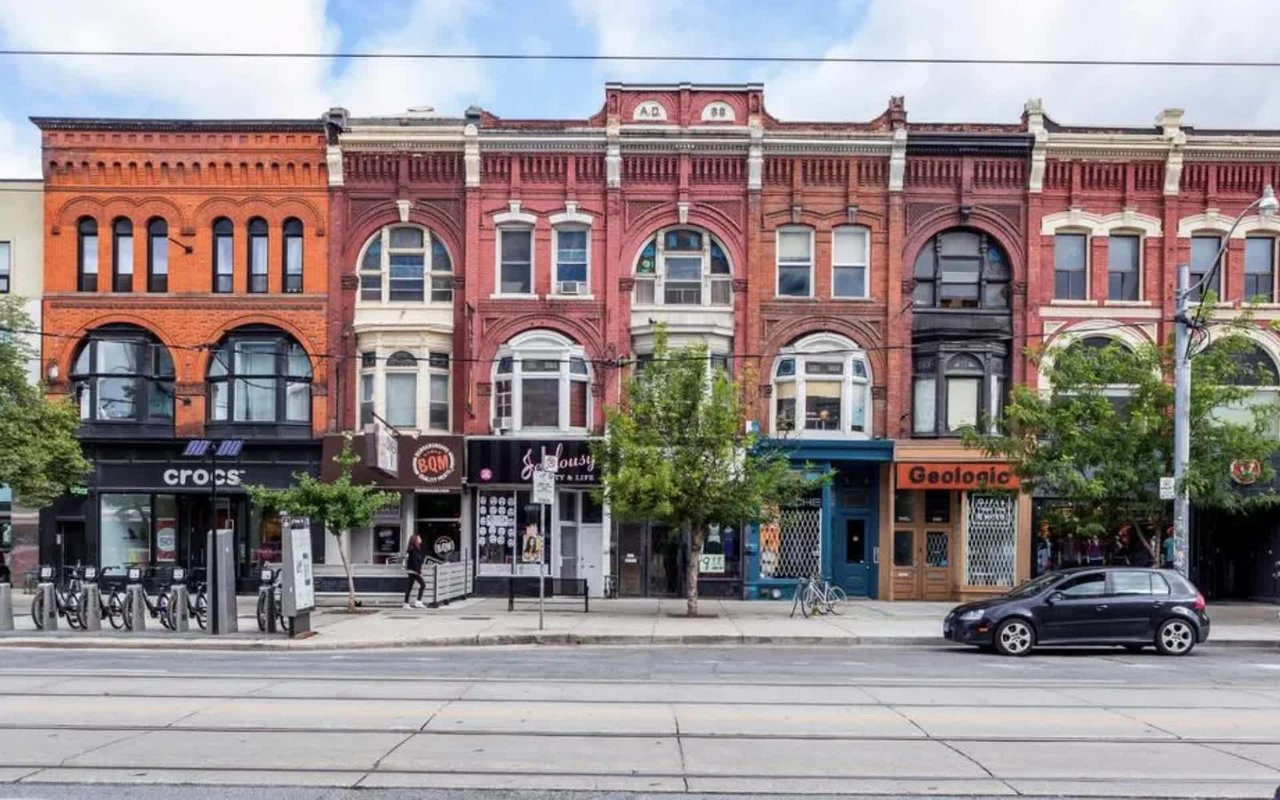
That periphery includes Yonge Lawrence Village, the business strip along Yonge Street from just south of Lawrence Avenue to Donwoods Drive. The Business Improvement Area was established in 2001 and today is made up largely of owner-operated shops and services alongside some of the stronger restaurants in this part of the city, according to the city's own BIA directory. Its signature yearly event is Village Day, a sidewalk sale and street festival that shuts down the strip for live music, food, and family activities, one of several streetscaping efforts the BIA has funded over the years, from pole banners to hanging flower baskets along the corridor.
It's a fitting bookend to the ravine loop. You start at a subway station, pass through four ravines and a Depression-era canopy, arrive at a park named for a councillor who spent her career fighting to keep that canopy intact, and finish at a business strip that has spent a full quarter century investing in its own small-scale version of the same idea: keep the character of the place intact while everything around it changes.
What the Sign Actually Marks
It would be easy to read Jaye Robinson Park as just another dot on a map of an already well-mapped neighborhood. The council record says otherwise. The city set aside its usual naming process for this specific parcel, in this specific ravine, because a former resident and councillor spent two decades arguing that green space and mature trees are not incidental to a neighborhood's character. They're the whole argument. Lawrence Park has been making that same case, quietly, since the 1930s. The new sign just gives it a name.
If you're curious what any of this means for property values or timing a move in or out of Lawrence Park, that's a longer conversation, and one Barry Cohen Homes is glad to have whenever you're ready for it.