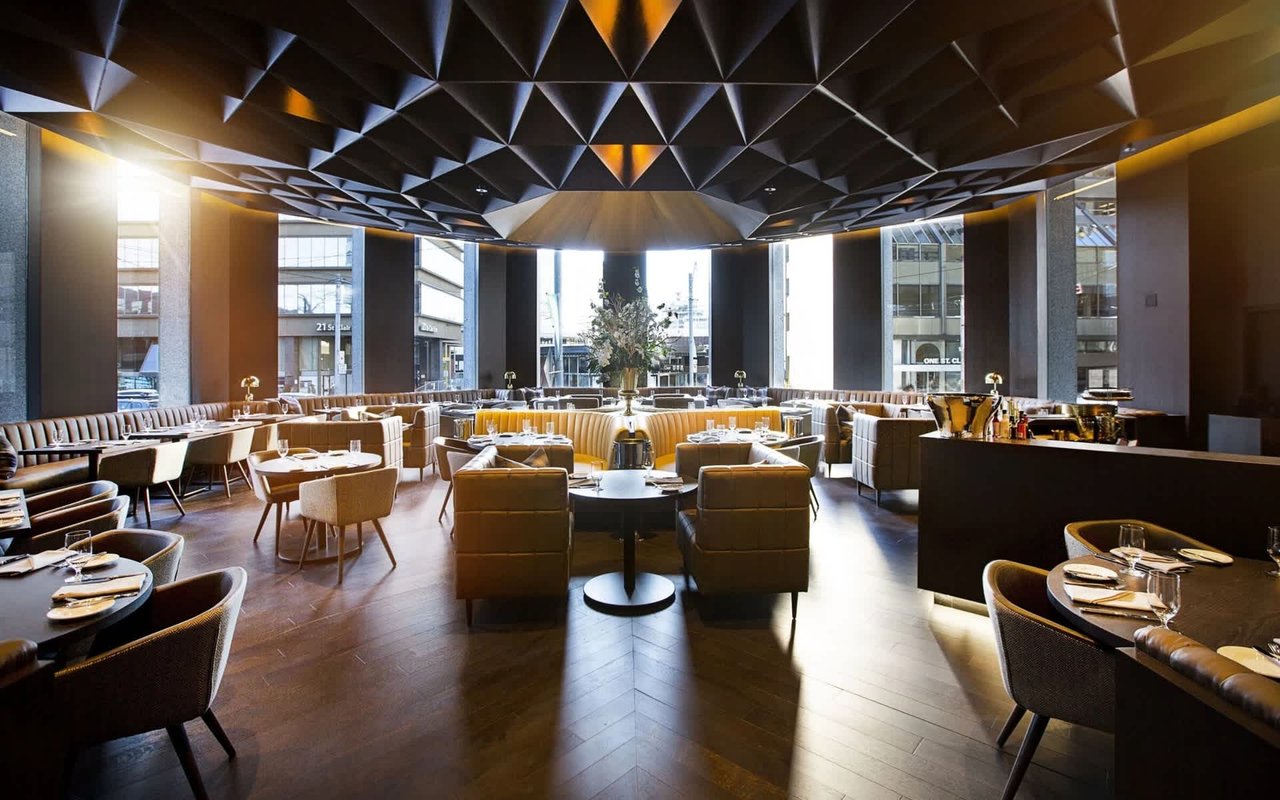
For as long as most people in Hoggs Hollow can remember, eating out here meant choosing between two addresses, both older than the highway on-ramp a few minutes north of them. Auberge du Pommier has been serving guests from a pair of relocated 1860s woodcutters' cottages at 4150 Yonge Street since 1987. A short walk down the hill, the Miller Tavern occupies a building dating to 1857, reborn from the old Jolly Miller after a long fight between developers, the city, and residents who wanted the landmark kept standing. Between them, those two restaurants have carried the entire idea of "going out to eat" in this valley for close to four decades.
That lineup changed this year, and not because anyone built something new to look at. A growing Thai chain and a fast-casual Italian concept both picked this specific stretch of road, and neither one is leaning on a heritage building to make its case.
A Chain That's Scaling Fast Adds a York Mills Location
According to INsauga, Chiang Mai has been adding locations across Toronto since it opened its first restaurant in 2018, building out a footprint that now includes Greektown, Etobicoke, Liberty Village, and the Junction. Earlier this year the brand opened a location in York Mills, then followed it in April with its biggest build yet: a 200-plus seat restaurant in Mississauga's City Centre, steps from Square One. Marketing director Vincent Selva told INsauga the Mississauga location was a reward for the chain's growth and a chance to show its vision on a bigger scale. He also confirmed the brand plans to open again at Yonge and Adelaide later this year.
That timeline is worth sitting with. Before it committed to its largest, most visible build to date, the chain had opened in York Mills. Selva's explanation for what keeps customers coming back was simple: "We don't just use fresh ingredients," he told INsauga, pointing to consistency and service as the other half of the equation. York Mills was part of that growing footprint before the flagship went in.
The Lunch Crowd Alongside the Longstanding Restaurants
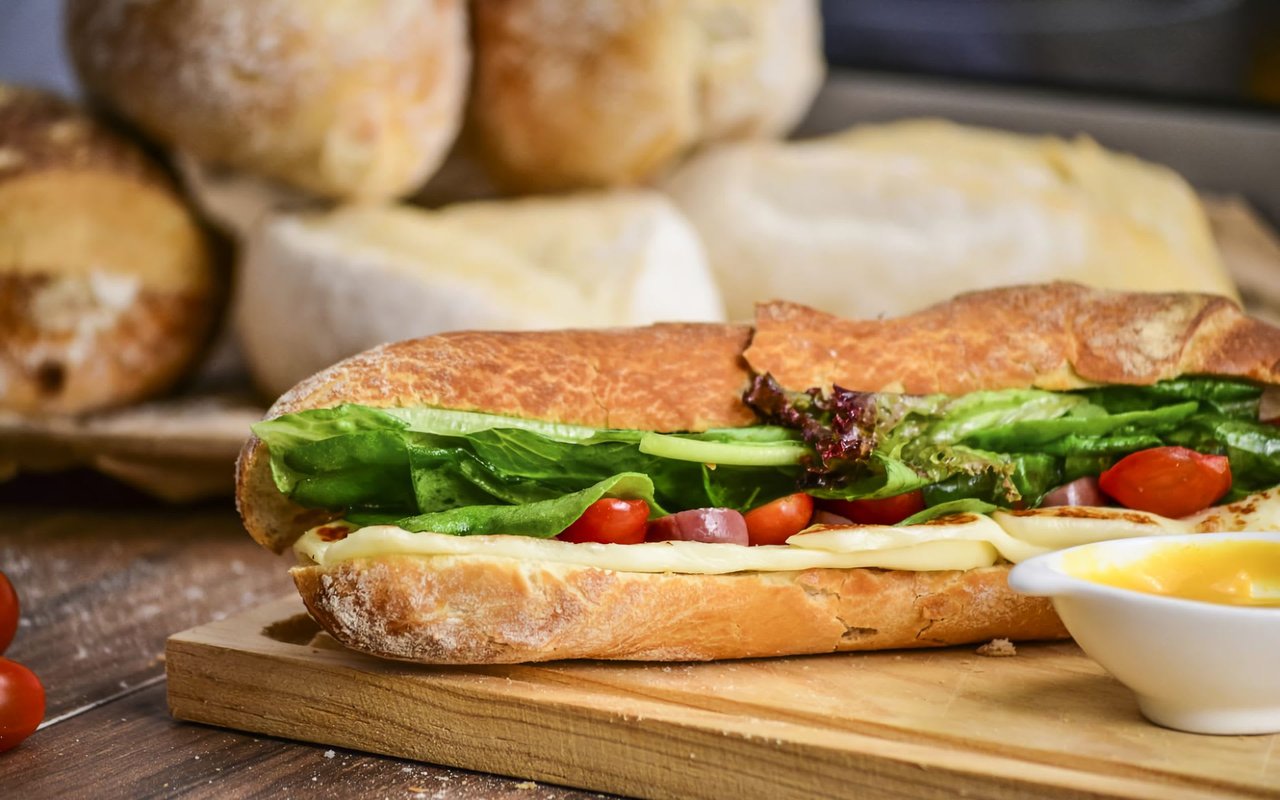
A block over in York Mills Plaza, at 808 York Mills Road, Via Cibo has planted itself as an Italian street food counter built around pasta, panuozzo sandwiches, pizza, and made-to-order gelato. Its own positioning is explicit: the location is set up to serve corporate lunch orders from the offices lining York Mills Road, Don Mills Road, and the surrounding North York business corridors, with online ordering built for teams coordinating a fast weekday meal.
That is a fundamentally different business than Auberge du Pommier or the Miller Tavern. Both of those restaurants depend on people making a reservation and coming from somewhere else, often for an evening out. Via Cibo depends on people already at their desks a five-minute walk away, deciding at noon what to eat before a 1 p.m. meeting. Two restaurants pulling diners in from outside the neighborhood, and one built entirely on the population already inside it, coexisting on the same short stretch of road. That only works if the daytime population here has gotten large enough and steady enough to make a lunch-only model worth the rent.
Here is how the four fit together right now:
| Spot | Established | Built to serve |
|---|---|---|
| Auberge du Pommier | 1987, in relocated 1860s cottages | Evening destination dining, reservations from across the city |
| The Miller Tavern | Reopened 2004, building dates to 1857 | Evening and patio dining, one of the city's largest outdoor terraces |
| Chiang Mai (York Mills) | Opened earlier this year | Neighborhood dinner traffic, part of a five-location Toronto footprint |
| Via Cibo (York Mills Plaza) | Recent addition to the plaza | Weekday lunch, office orders along York Mills and Don Mills Roads |
The Walk That Actually Connects All Four
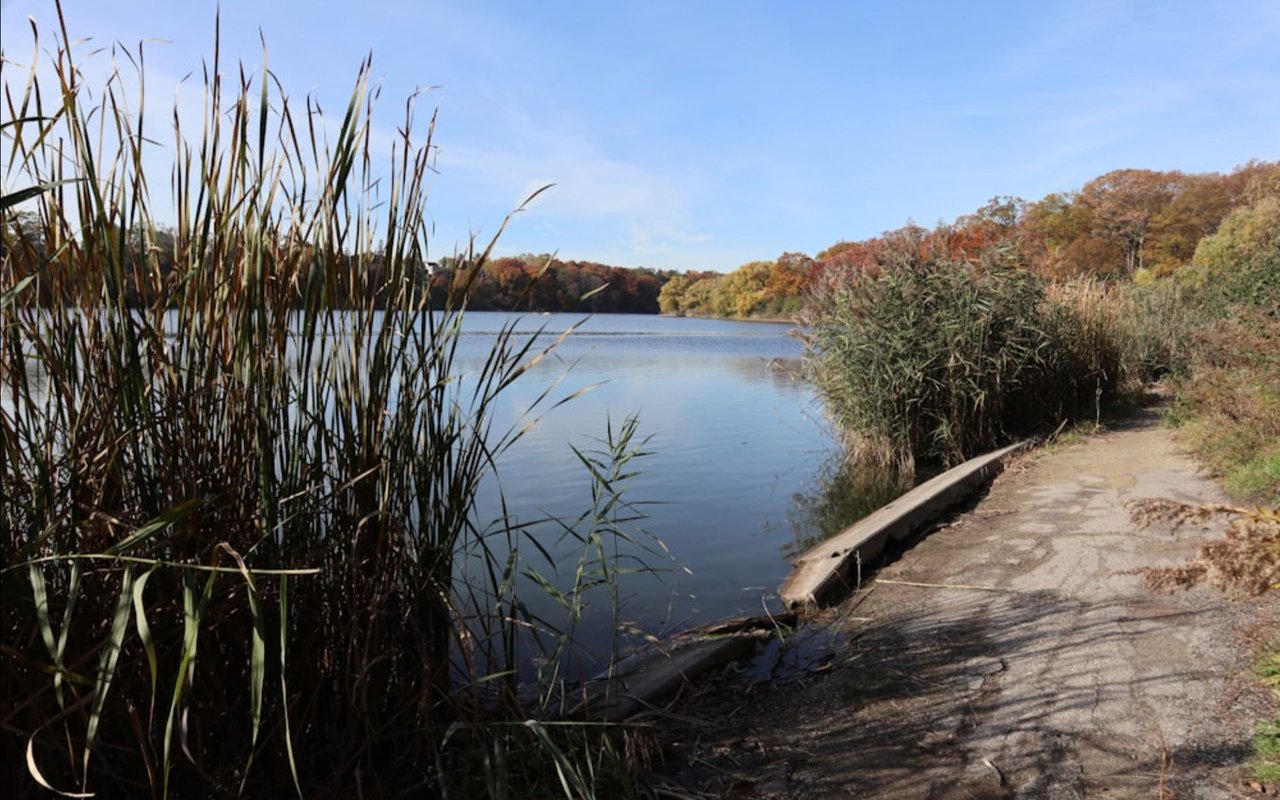
None of this happens in isolation from how people move through the valley on foot, and that part of the story predates every restaurant on that list. The stretch of Yonge Street just south of York Mills Road used to be a parking lot serving the old Jolly Miller property, acquired by the former City of North York back in 1997 specifically to protect its heritage value. Getting that lot turned into parkland took years of work by the York Mills Valley Association, and when Jolly Miller Park finally opened in 2014, it came with a mill-relic site honoring the grist mill cottages that once stood along the Don River, a wildflower meadow, new trees and shrubs, and pedestrian paths lit for use after dark.
The YMVA's fingerprints are on more than that one park. For years the association has pushed the city to keep the valley's streets without sidewalks and to use rolling curbs instead of the harder standard the city prefers elsewhere, specifically to preserve the feel of a neighborhood built around walking rather than pavement. A few minutes further along, York Mills Park runs as a linear stretch along the Don River with its own walking path, a children's playground, and tennis courts, giving the valley a second walkable anchor beyond the restaurant row.
Put those pieces together and the geography starts to make sense. Someone can grab lunch at Via Cibo, walk the river bend through Jolly Miller Park on the way back, and be at their desk within the hour. That kind of loop was never something Auberge du Pommier or the Miller Tavern needed to accommodate, because neither one was built around a lunch break. It is, in effect, new infrastructure for a new kind of daily user.
What This Actually Signals
The valley's reputation for feeling like the country inside the city has always rested on two restaurants staying exactly as they were while everything around them changed. That reputation is not going anywhere. What has changed is that the corridor now includes a Thai chain and a lunch counter built for office orders alongside those longstanding restaurants.
None of that changes what makes Hoggs Hollow and the rest of York Mills distinctive. It just means the daily population here, the people actually working and walking through it on a Tuesday afternoon, has become steady enough to notice from the outside. That is worth knowing whether you have lived on these streets for thirty years or just started paying attention to what is opening down the hill.
Barry Cohen Homes has spent years tracking the small shifts that shape neighborhoods like York Mills long before they show up in a listing description. If you want to talk through what is actually changing in this corner of the city, or anywhere else across Toronto's prestige neighborhoods, we are glad to have that conversation whenever it is useful to you.